Asro
Asro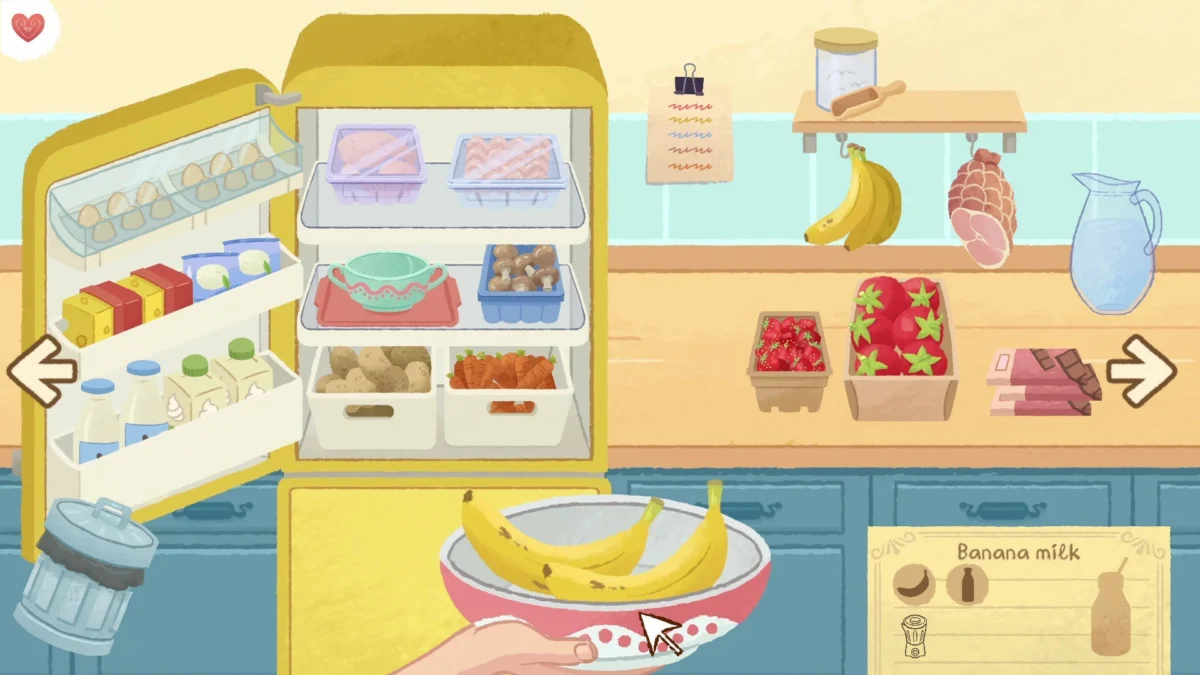
For many gamers, the allure of the "cozy game" genre lies in its ability to transform mundane tasks into meditative experiences. Whether it is tending to a virtual garden or organizing a digital bookshelf, these titles offer a sanctuary from the high-stress demands of modern life. Cook for Love, a recent release that has arrived on consoles and PC, aims to capture that specific Saturday-morning magic. By placing players in the shoes of Clement, a young Frenchman tasked with revitalizing a restaurant, the game promises a blend of culinary creativity and aesthetic tranquility. But beneath its polished, soothing exterior, does the gameplay deliver, or does it leave a bitter aftertaste?
The Core Concept: From Amateur to Artisan
At its heart, Cook for Love is a culinary simulation that prioritizes atmosphere over intensity. Unlike high-pressure cooking simulators that force players to scramble against ticking clocks and demanding customers, Cook for Love operates on a refreshingly slow, deliberate pace. Players follow the journey of Clement, a fledgling chef who inherits a restaurant and must learn the craft of fine dining from the ground up.
The game functions much like a digital point-and-click experience. Players navigate a series of kitchen screens, managing inventory and executing specific, step-by-step instructions provided on recipe cards. This structural choice emphasizes the "process" of cooking—the chopping, the blending, the simmering—rather than the frantic, adrenaline-fueled service found in games like Overcooked.
A Chronology of Culinary Growth
The progression in Cook for Love is marked by a steady expansion of the player’s repertoire. The game is divided into distinct phases that mirror a chef’s professional growth.
- The Neighborhood Phase: Initially, the stakes are low. Clement begins by cooking for neighbors, establishing a foundation of trust and basic culinary skills. This period serves as a tutorial, teaching the player the importance of ingredient placement and tool usage.
- The Grand Opening: As the story progresses, the scope shifts from private home cooking to a public restaurant setting. This is where the game’s mechanics begin to layer, as players unlock more advanced kitchen equipment and more intricate, multi-step recipes.
- The Mastery Level: In the latter stages, the game demands more from the player. While the lack of a traditional timer remains, the complexity of managing multiple pans, specialized equipment, and plating aesthetics requires a higher level of focus and organizational prowess.
Examining the Mechanics: Is Less Always More?
While the cozy aesthetic—supported by a soothing soundtrack and soft, inviting visuals—is undeniably successful, the mechanical implementation of Cook for Love presents a polarized experience.
The Inventory Shuffle
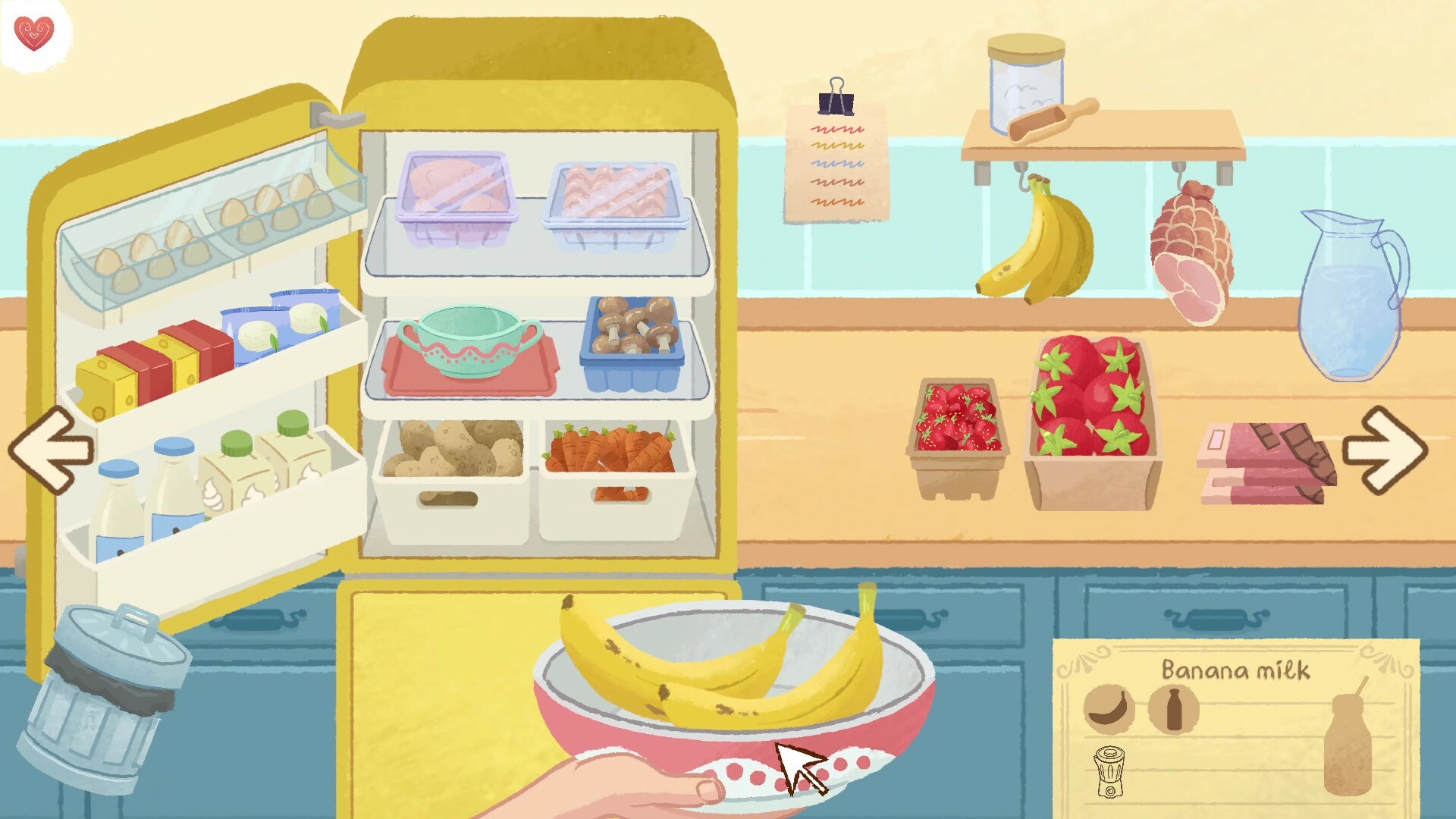
The kitchen is divided into several discrete stations. Players can only carry a limited number of items at once—typically one bowl and two plates. This design choice is intended to simulate the physical reality of a kitchen, where movement and positioning matter. However, for many players, this becomes a point of friction. When preparing a pasta dish, for example, the player might need to juggle sauce, pasta, and garnish across three different stations. The necessity of moving items back and forth between screens, especially when both items require the same limited tool (like a mixing bowl), can feel less like "mastering a craft" and more like an exercise in tedious logistics.
Recipe Realism vs. Game Logic
There is a strange dissonance in how the game handles ingredients. For instance, in the early game, players are tasked with creating "cream of" soups. Despite having the necessary cream in the refrigerator, the player must still go through the motions of chopping and blending. While this reinforces the game’s focus on the actions of cooking, it occasionally defies common sense, leading to moments where the simulation feels slightly disjointed from the reality it aims to emulate.
The Absence of Urgency
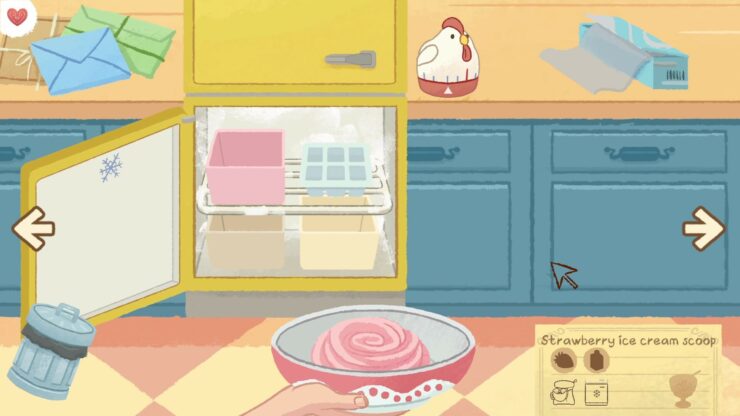
One of the most notable features of Cook for Love is the absence of a traditional timer or a line of impatient, angry customers. This is a deliberate design choice aimed at reducing player anxiety. However, the game does include "failure states" that can feel out of place. If an item is left in the freezer for too long, it can "go bad," and items left on the stove can burn. For a game that prides itself on being a relaxing, pressure-free experience, having to throw away an ingredient because of an arbitrary timer—after spending minutes carefully preparing it—can be a source of unexpected frustration.
The Narrative Thread: Does the Story Add Value?
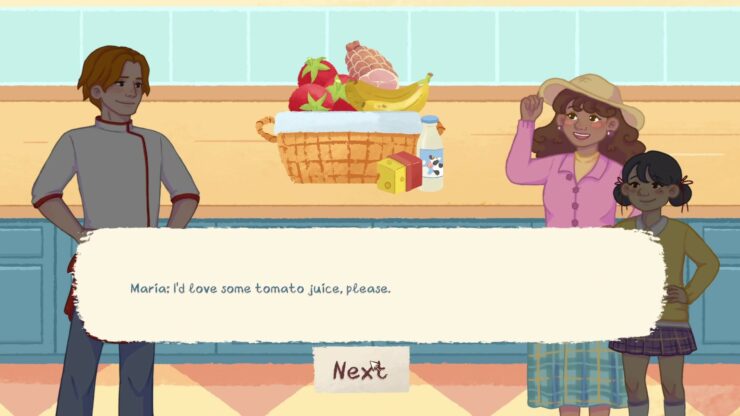
The story of Clement and his restaurant acts as the glue for the gameplay, but it is perhaps the game’s weakest ingredient. Players interact with a variety of patrons who visit the restaurant, yet these interactions rarely center on the quality of the food or the emotional stakes of the restaurant’s success.
While the narrative provides a framework for unlocking new kitchen screens and harder recipes, it lacks the depth required to make the player truly care about the outcome of the restaurant. In a genre that relies heavily on "vibes" and emotional investment, the lack of a compelling, character-driven story makes the repetitive nature of the cooking loops stand out more prominently.
Implications for the "Cozy" Genre
Cook for Love occupies a fascinating space in the current gaming landscape. It is a title that clearly understands the visual and auditory language of the cozy genre. It is beautiful, it is calm, and it is largely accessible.
However, its performance highlights a growing debate within the cozy community: how much "friction" should a relaxing game have?
- Too little friction results in a game that feels like a chore or a idle clicker.
- Too much friction (like the inventory management in Cook for Love) risks breaking the immersion and turning a zen experience into a stressful one.
The game succeeds in making the final product look exquisite. The visual payoff of a finished dish is genuinely satisfying, providing the player with a sense of accomplishment that is rare in such a low-stakes environment.
Final Verdict and Availability
Cook for Love is a game of distinct, alternating highs and lows. It is a triumph of art direction and a masterclass in creating a tranquil, low-stress environment. For those who prioritize aesthetic and the simple joy of watching a virtual meal come together, it is a must-play. However, those looking for deep narrative engagement or streamlined, intuitive controls may find the clunky inventory mechanics and repetitive loops a hurdle to overcome.
Despite its flaws, Cook for Love is a testament to the indie development spirit—an attempt to curate a specific feeling and deliver it to the player. It is available for purchase now across multiple platforms, inviting players to step into Clement’s kitchen and decide for themselves if the recipe is a success.
Where to play:
- Nintendo eShop: Available for the Nintendo Switch.
- Microsoft Store: Optimized for Xbox platforms.
- Steam: Available for PC users, complete with support for controllers or mouse-and-keyboard setups.
As the industry continues to iterate on the "cooking game" formula, Cook for Love serves as an important case study: how to balance the technicalities of a craft with the emotional needs of a player seeking nothing more than an hour of peace. It may not be perfect, but it is undoubtedly a labor of love that deserves its moment in the spotlight.


 Azzam Bilal Chamdy
 Muslim