Asro
Asro
In an era defined by fluctuating semiconductor costs, supply chain bottlenecks, and a global shift toward subscription-based services, Microsoft is doubling down on a multi-pronged strategy for its gaming division. As hardware prices for premium consoles from Sony, Nintendo, and Valve continue to climb, Xbox has identified a unique "window of opportunity" for its cloud gaming initiatives.
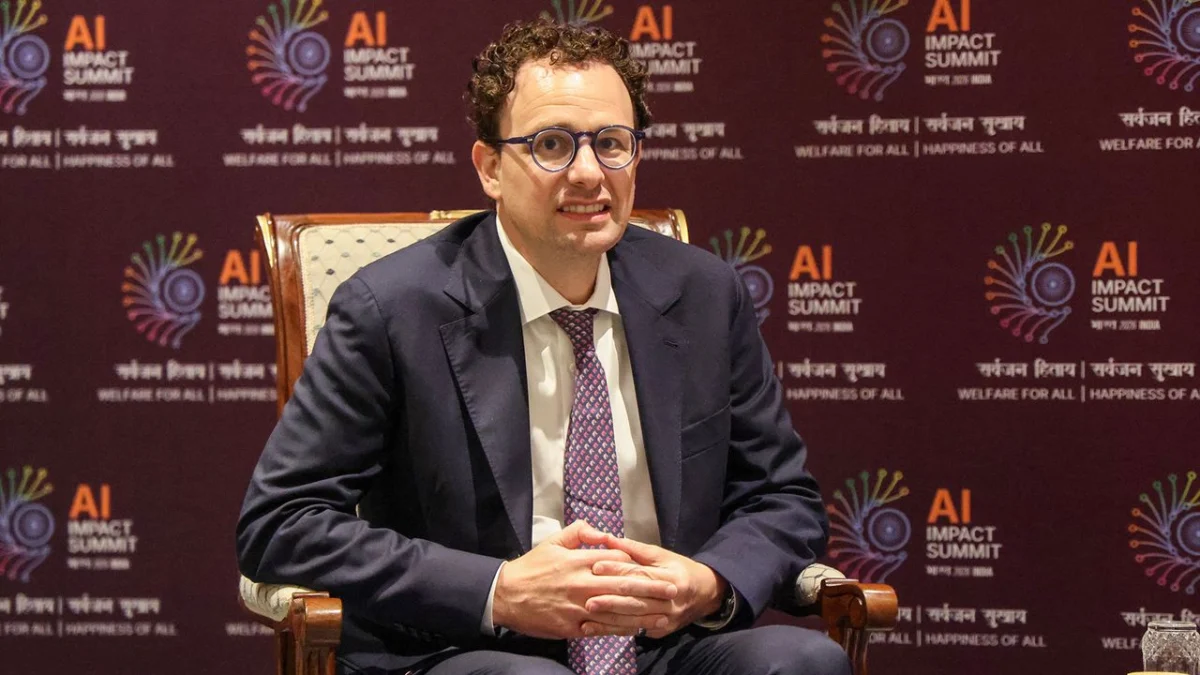
Matthew Ball, the newly appointed Chief Strategy Officer at Xbox, recently articulated this vision at The Games Business Live, suggesting that the rising cost of entry into console gaming is acting as a catalyst for the mass adoption of Xbox Cloud Gaming (xCloud). By positioning streaming not as a replacement for hardware, but as a flexible, high-access alternative, Microsoft is attempting to insulate its ecosystem from the volatility of the physical hardware market.
The Core Thesis: Hardware Inflation as a Catalyst
The gaming industry is currently navigating a "seismic impact" caused by the AI boom and increased manufacturing costs. This has led to a ripple effect across the sector, with major manufacturers raising the Recommended Retail Price (RRP) of consoles. For many consumers, the barrier to entry has never been higher.
Matthew Ball’s commentary suggests that this economic climate creates a perfect storm for cloud services. "It’s a great window because there’s a bunch of outstanding games, we have a shortage of [console] supply, and that is definitely evident in the data," Ball stated.
The strategy relies on a simple premise: if a consumer cannot afford a high-end console or finds the market price prohibitive, they should still be able to access the Xbox ecosystem through a browser, a mobile device, or an existing PC. By removing the $500 barrier to entry, Microsoft is effectively democratizing access to its library, turning the platform into a service-first business model.
A Chronology of the Cloud: From Project xCloud to Present
Microsoft’s journey into the cloud was not an overnight transition; it was a calculated long-term play that began years ago.
- October 2018: Microsoft officially teases "Project xCloud," its ambitious plan to bring console-quality gaming to mobile devices via streaming.
- 2019: Public testing begins, allowing developers and early adopters to trial the latency and performance of streaming Xbox titles over mobile networks.
- 2020: The full version, rebranded as Xbox Cloud Gaming, officially launches on console hardware, allowing users to play games instantly without the need for lengthy downloads.
- 2021: The service expands to PC, integrating deeply into the Windows ecosystem and solidifying the "Play Anywhere" philosophy.
- 2022: Senior global product manager Pav Bhardwaj clarifies the company’s stance, framing streaming as a "great alternative" rather than a total replacement for the console experience.
- 2025: Phil Spencer, then-CEO of Microsoft Gaming, reports a staggering 45% year-over-year increase in cloud streaming hours, signaling a permanent shift in player behavior.
This timeline illustrates a deliberate strategy to normalize cloud gaming as a standard feature of the Xbox experience rather than a niche gimmick.
Supporting Data: The Surge in Cloud Adoption
The data supports Ball’s optimism. Microsoft’s internal metrics have shown consistent, aggressive growth in cloud engagement. In early 2025, reports indicated that console players were streaming 45% more content directly on their consoles—using the cloud to "try before they download"—while streaming on mobile and PC devices increased by 24%.
This data point is crucial: it reveals that the cloud is serving two distinct audiences. First, there are the "hardware-constrained" players who use the cloud because they lack the physical console. Second, there are the "convenience-seekers" who use the cloud to save storage space and time. By catering to both, Microsoft is capturing a significantly larger portion of the total addressable market than they would if they relied solely on console sales.
"More people are using it every day," Ball noted during the event. "The best part about that is all of the underlying technology, most of which is a network constraint, is improving. All of that converges really well."
Official Responses and Strategic Pillars
While the cloud is a vital pillar, Ball was careful to emphasize that Xbox remains committed to its hardware roots. "We feel very strongly about a return to Xbox. We are very clear—I want no mistake around that," he asserted.
The tension between hardware and cloud is one that Microsoft is managing with a "multiple avenues" approach. The company views the gaming landscape as an ecosystem that exists beyond the box. By supporting PC, console, and cloud simultaneously, they are ensuring that if a user leaves one pillar of the ecosystem, they remain within the broader Microsoft umbrella.
Furthermore, to bolster this ecosystem, Ball confirmed a "reliable pipeline" of exclusive titles. This is a direct response to market criticism regarding the strength of the Xbox library. By coupling a superior cloud infrastructure with high-profile exclusive games, Microsoft aims to create a "sticky" platform where the value proposition justifies the subscription cost, regardless of how the user chooses to play.
Implications: The Future of the Gaming Landscape
The implications of this strategy are profound for the rest of the industry.
1. The Death of the "Console War" Narrative
As Microsoft continues to prioritize cross-platform availability, the traditional "console war" narrative becomes increasingly obsolete. If Xbox games are playable on a PC, a handheld, a smart TV, or a phone, the hardware manufacturer’s reliance on selling units becomes secondary to selling access.
2. Network Infrastructure as the New Battleground
If cloud gaming is the future, then latency is the new hardware bottleneck. Microsoft’s investment in Azure and network optimization is effectively their new R&D. The company that solves for latency and packet loss will ultimately win the cloud gaming market.
3. Sustainability and Market Access
The rise of cloud gaming also addresses long-standing criticisms regarding the environmental impact of physical console production and the financial burden on consumers in emerging markets. By lowering the hardware barrier, Microsoft is positioning itself to capture the "next billion" gamers in regions where high-end console hardware is either too expensive or unavailable.
4. A New Revenue Model
With Game Pass at the center, the business model has shifted from one-off sales to recurring revenue. This allows Microsoft to forecast earnings with greater accuracy and provides them with a larger budget to invest in long-term projects and studio acquisitions.
Conclusion
The path forward for Xbox is one of calculated diversification. By leveraging the current inflationary pressures on console hardware, Matthew Ball and the leadership team are accelerating the transition to a hybrid future where the cloud acts as a vital safety net for growth.
As the industry faces the dual pressures of rising costs and evolving consumer habits, Xbox’s commitment to "multiple avenues" for play appears to be the most resilient strategy. While the console remains the cornerstone of the brand, the cloud has clearly evolved from a secondary feature into a primary engine of growth. For the consumer, this means more choice; for Microsoft, it means a wider, more accessible, and ultimately more profitable future in an increasingly digital-first world.

 Azzam Bilal Chamdy
 Muslim