

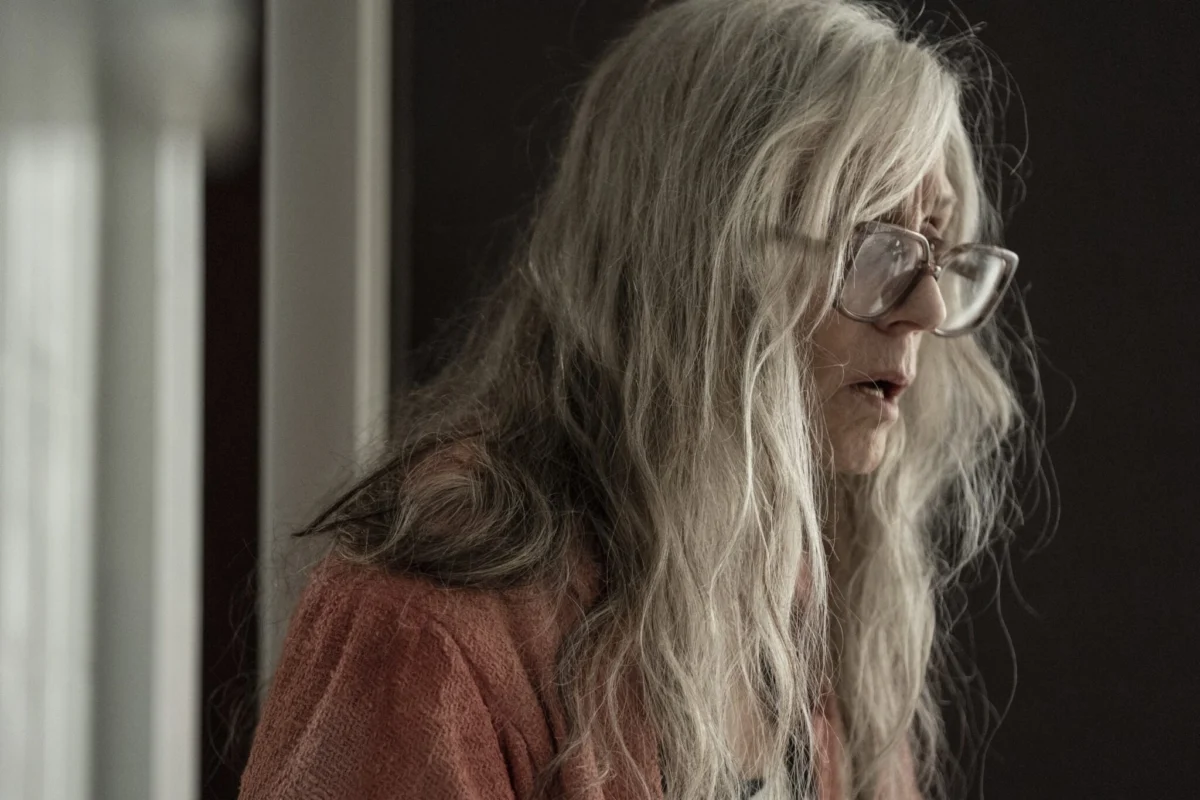
The penultimate episode of The Terror: Devil in Silver brings the horrors of the New Hyde psychiatric facility to a boiling point. As the season approaches its finale, the narrative shifts from atmospheric dread to a high-stakes confrontation between the vulnerable patients of the facility and the systemic rot that sustains it. This latest installment serves as both a character study of entrapment and a harrowing critique of institutional apathy.
The Investigation: A Facade of Oversight
The episode opens with the arrival of Dr. Cleave (Robert Sean Leonard), a representative of the review board. While his stated purpose is to conduct an official investigation into the death of Kofi—known to the other patients as Coffee—the proceedings quickly devolve into a bureaucratic charade. Dr. Cleave’s objective is not transparency or justice; it is the administrative equivalent of a sweep, designed to facilitate the permanent closure of the unit and the quiet erasure of its history.
The patients, meanwhile, remain trapped in a cycle of fear and enforced silence, offering only vague, rehearsed responses to his inquiries. The true weight of the tragedy, however, is carried by Miss Chris. Previously a divisive figure among the patient population, the state-sanctioned execution of Coffee—a man targeted for his intersectional vulnerability as both Black and disabled—has galvanized her. She emerges as a fierce critic of the "hospital brass," correctly identifying the facility’s culture of neglect. As she notes with cutting candor, the administration ignores New Hyde’s existence until the "doo-doo hits the fan," at which point they scramble to protect their own interests.
The Complicity of Dr. Anand
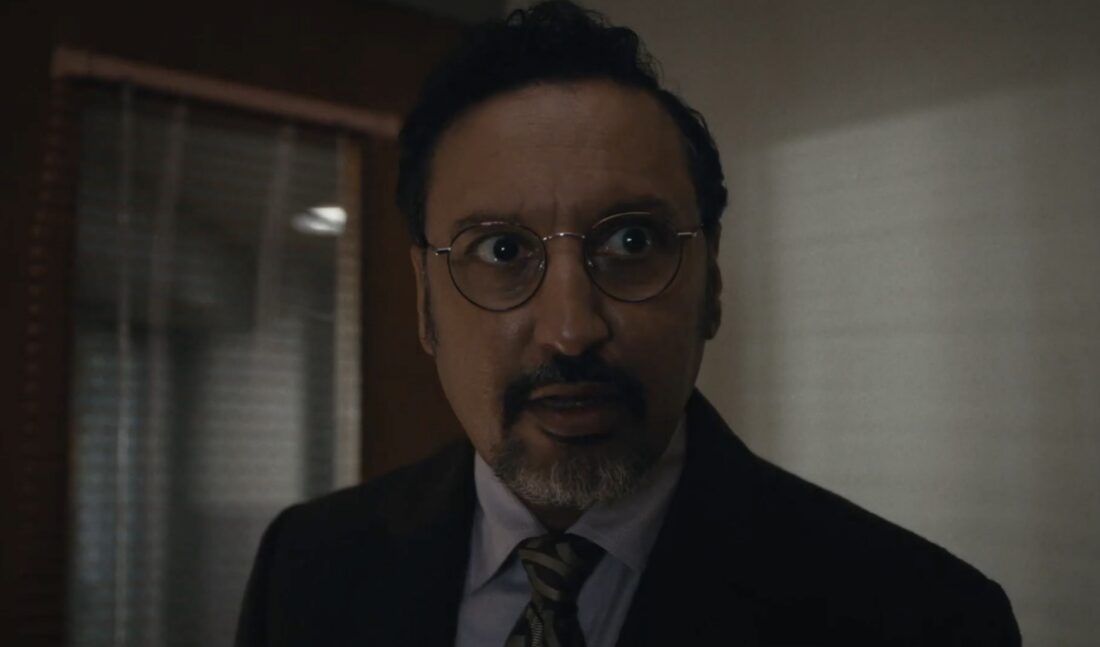
In stark contrast to Miss Chris’s newfound resolve, Dr. Anand remains a tragic figure of moral decay. Once an individual with the potential to challenge the status quo, he has instead surrendered to his circumstances. Even after receiving his "walking papers," his attempt at growing a backbone is demonstrably too little, too late.
Anand serves as a grim reflection of the hospital’s predatory business model. He is a willing partner to the "Devil" that haunts the halls—a metaphor for the institutional greed that requires a steady flow of souls to sustain its financial vitality. He is a cog in a machine that demands patients be treated as commodities; the moment he fails to provide the board with the necessary revenue, he is discarded with cold, professional violence.
The Anatomy of Betrayal: Dory and the Legacy of the Lobotomy
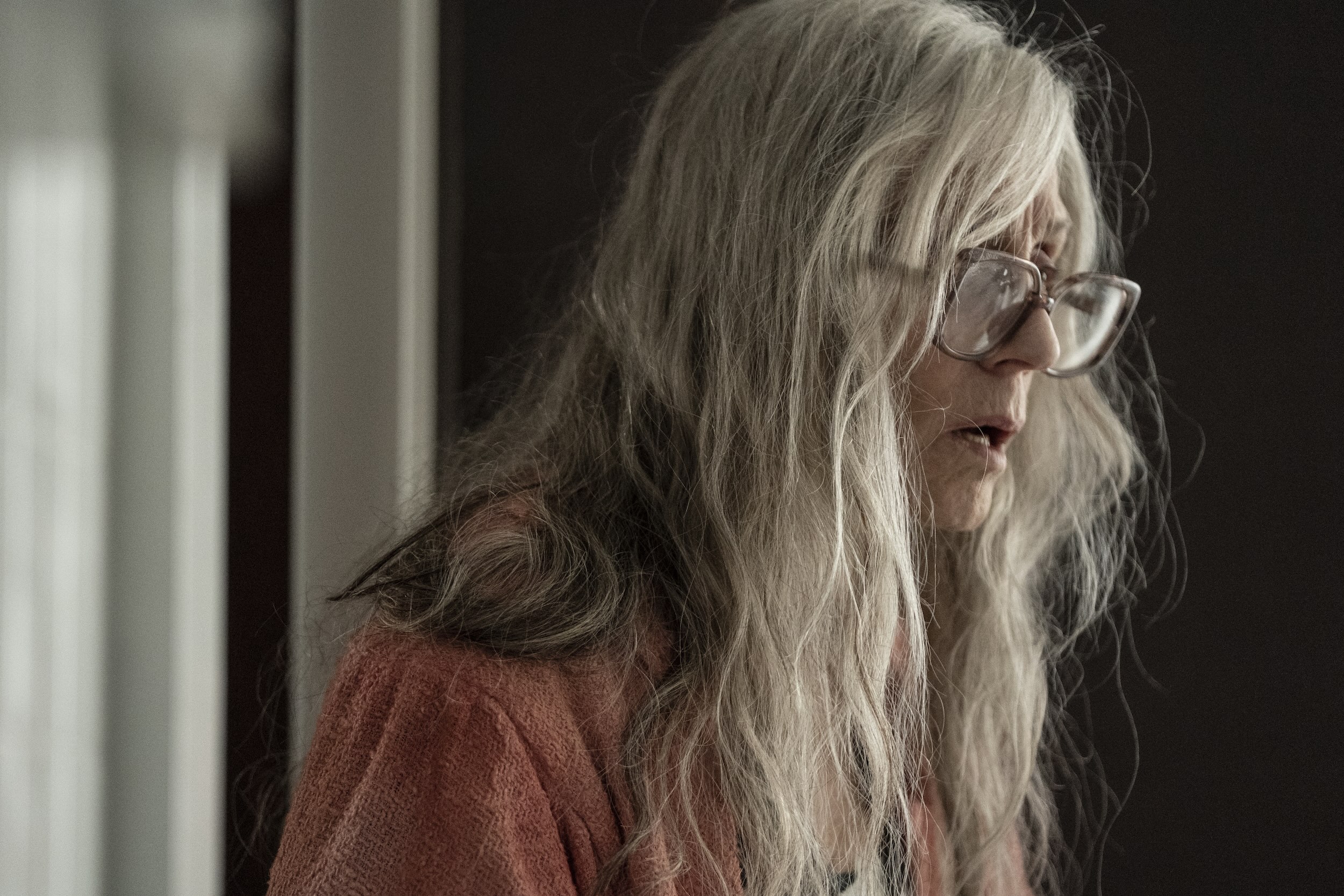
The episode delves deeply into the tragic history of Dory (Dorinda), whose past reveals the horrific intersection of gendered medical abuse and domestic betrayal. Dory’s husband, Ralph, is depicted not merely as a negligent partner, but as an architect of her ruin. His performative saintliness—masking a deep-seated contempt for her autonomy—culminates in a betrayal that leaves her vulnerable to the predations of Dr. Walter.
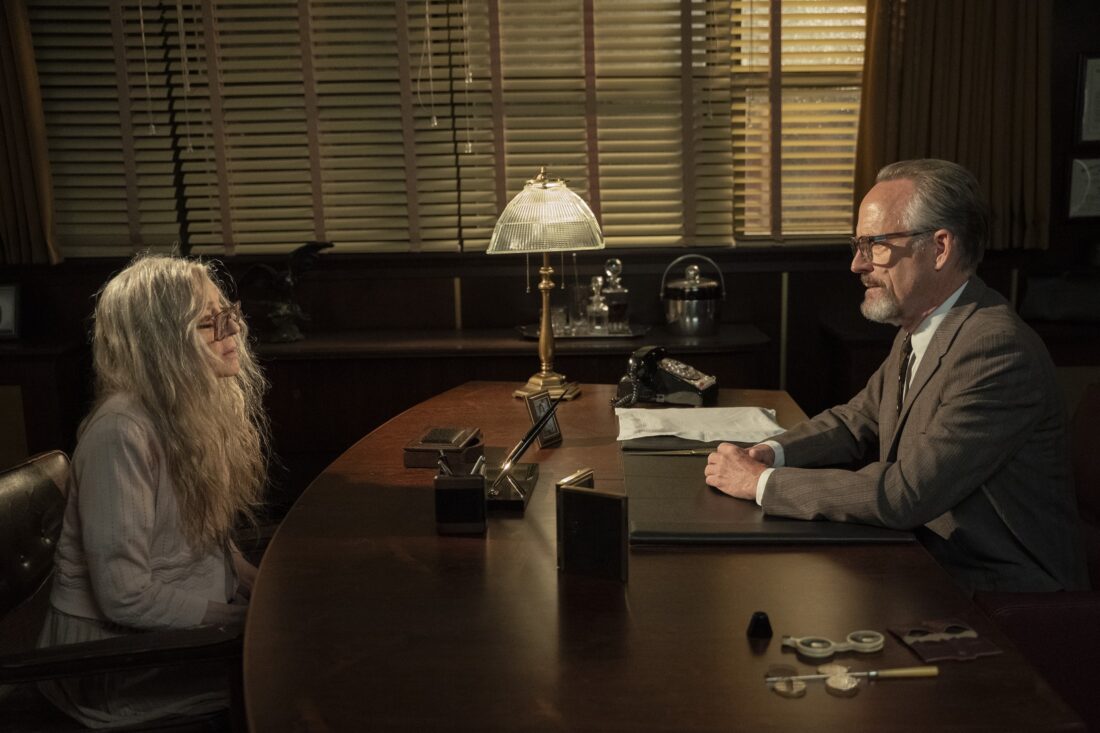
The depiction of Dr. Walter is a direct allusion to Dr. Walter Freeman, the real-world physician who popularized the lobotomy in the United States. Historical records indicate that by 1952, nearly 50,000 such procedures had been performed, with a staggering 75% targeting women. As the episode highlights, these procedures were often justified by patriarchal standards of "normalcy," where a woman’s lack of spontaneity was cured by the permanent destruction of her cognitive function. Dory’s experience serves as a grim echo of this era, illustrating that whether through the brutal physical trauma of the 1960s or the chemical sedation of the modern era, the facility’s goal remains the same: the suppression of the individual.
Supporting Data: The Cycle of Institutional Failure
The thematic core of this episode is the cyclical nature of institutional abuse. Whether the "Devil" in the halls is a supernatural entity or a manifestation of systemic cruelty, the result for the patients is identical.
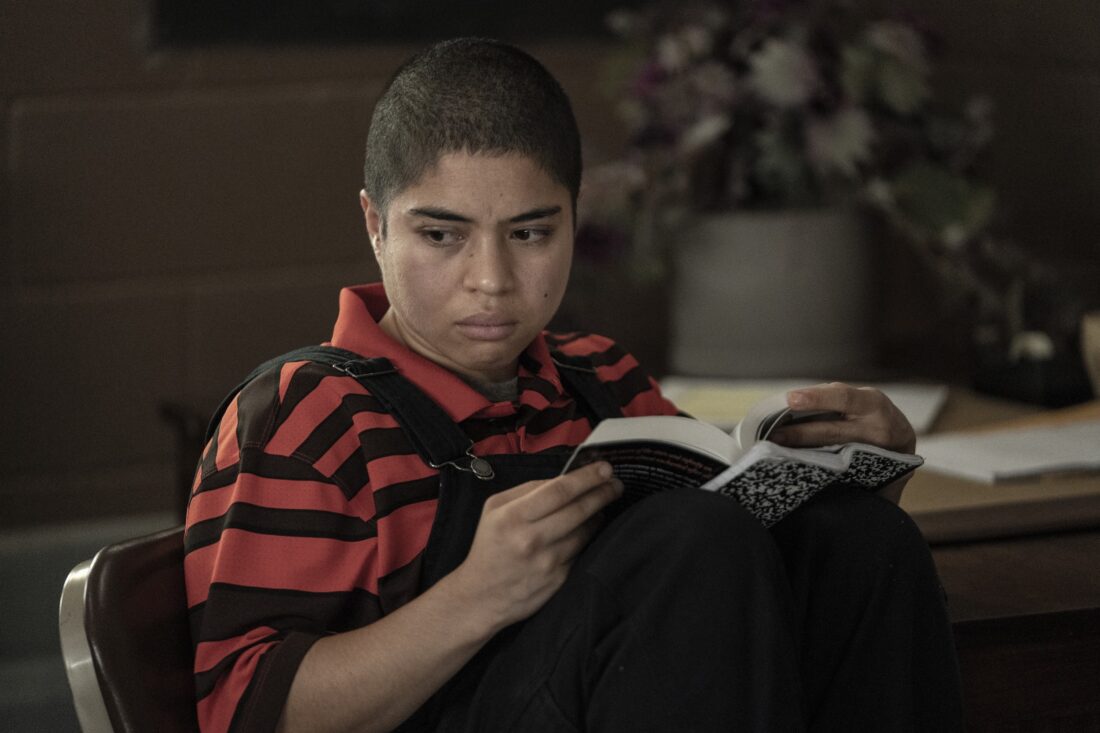
- The Van Gogh Parallel: The use of The Letters of Vincent van Gogh as a recurring motif in the patients’ book club provides a devastating context for the facility’s conditions. While Dr. Anand views the letters as a romanticized look at patients "helping each other," the reality is far bleaker: the patients are forced into a communal struggle for survival because the institution has failed to provide even the most basic standard of care.
- The Folklore of the Duppy: Miss Chris introduces the concept of the "duppy," a malevolent spirit from West African and Caribbean folklore. By naming the entity, she attempts to categorize the threat, yet her decision to reveal her tactical plans for trapping the entity to others proves to be a potentially fatal error. In the world of New Hyde, secrets are the only currency, and broadcasting one’s intentions is an invitation to sabotage.
Official Responses and Internal Conflicts
The tension between the characters is palpable. Loochie, struggling with their own mental health and artistic impulses, finds a haunting mirror in the life of Vincent van Gogh. The comparison between Loochie’s relationship with their family and the bond between Vincent and Theo van Gogh is particularly poignant. While Theo served as a pillar of support for his brother, Loochie is isolated, surrounded by a biological family that has largely abandoned them to the horrors of the institution.
Pepper, meanwhile, is attempting to break the cycle of generational trauma by pushing his son, Anthony, away. His internal struggle—wanting to spare his child the pain of witnessing his own decline while simultaneously grappling with the guilt of his past abandonment—is the emotional anchor of the episode. Anthony’s desire to offer comfort to a father who was largely absent creates a dynamic of complicated, painful reconciliation.
Implications for the Finale
The question of whether "half a life" is better than no life at all looms over the entire episode. Coffee’s murder and Dory’s decades of suppressed rage serve as the catalyst for the upcoming final confrontation. The episode forces the viewer to consider the agency of the patients: they have been stripped of their autonomy, yet they are the only ones capable of confronting the "Devil" that feeds on them.
As the series moves toward its conclusion, the central question remains: is a breakout possible, or is the facility simply rearranging the furniture before the next cycle of exploitation begins? The patients are no longer merely enduring; they are preparing for a final, desperate act of defiance. Whether this leads to liberation or further tragedy, the residents of New Hyde have moved beyond mere compliance.
The stage is set for a high-stakes finale. The "Devil" has been named, the alliances have been formed, and the masks of the staff have been stripped away. In the halls of New Hyde, the reckoning is not just coming—it is already here. As Dory’s dry, cynical humor in the face of death suggests, the patients have reached a point where they no longer fear the monster, because they have already survived the men who built its cage.









No comments yet. Be the first to join the conversation!