Azzam Bilal Chamdy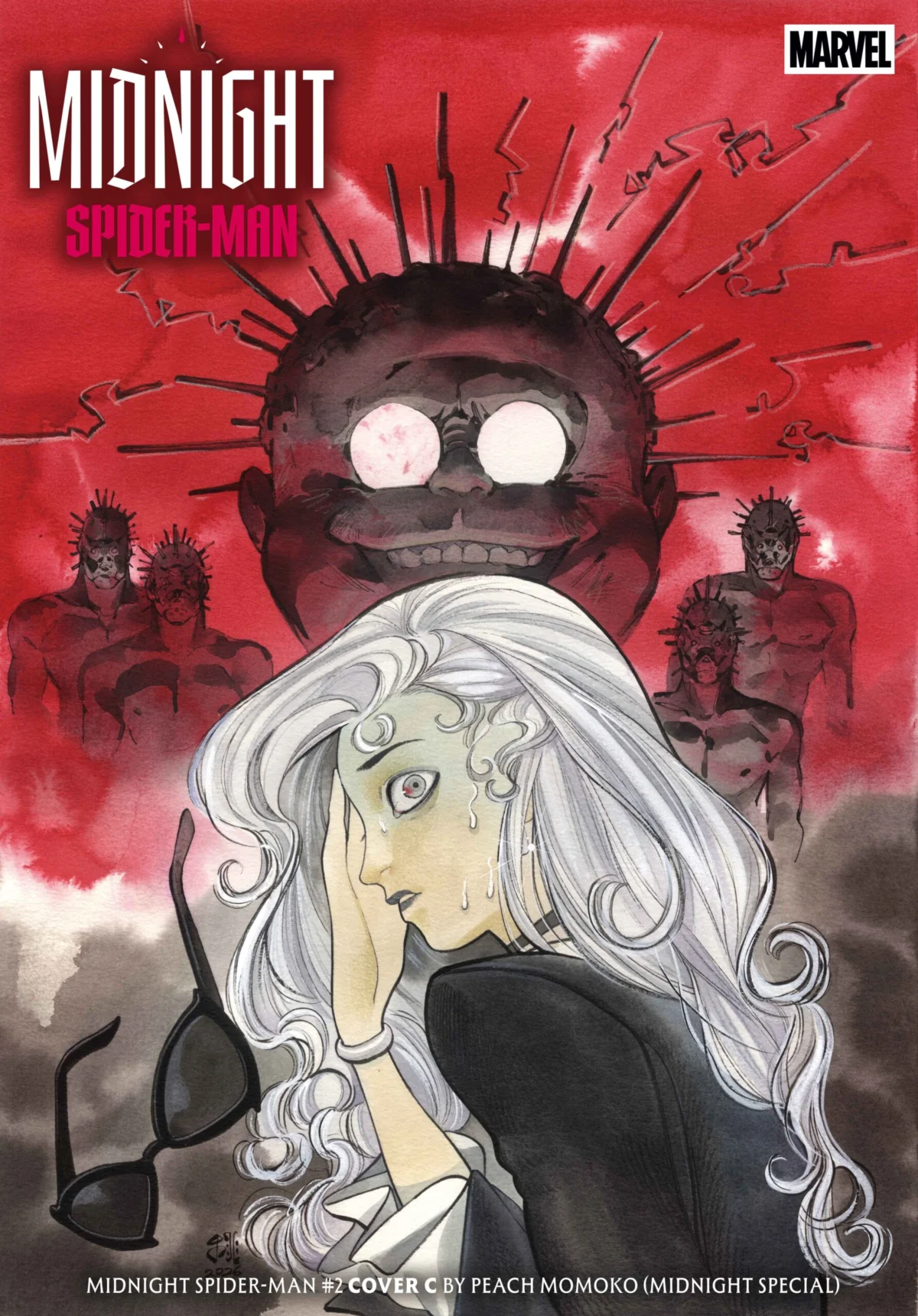
The atmosphere at San Diego Comic-Con 2026 was electric, but for the attendees gathered at the "Marvel Comics: Midnight Universe" panel, it was decidedly macabre. In a bold pivot that marks a significant tonal shift for the publisher, iconic writers Jonathan Hickman, Phillip Kennedy Johnson, and Benjamin Percy pulled back the veil on their shared, interconnected horror initiative: the Midnight Universe.
This isn’t merely a line of one-offs or a seasonal event; it represents a fundamental re-imagining of Marvel’s flagship characters through the lens of psychological dread, visceral terror, and existential mystery. With the debut issues of Midnight Spider-Man, Midnight Fantastic Four, and Midnight X-Men set to launch simultaneously on October 7, Marvel is betting that the House of Ideas has a darker side waiting to be explored.
The Genesis of Fear: A Unified Vision
The Midnight Universe is built on the concept of a shared reality where the familiar foundations of the Marvel Universe are subjected to localized, terrifying corruption. During the panel, the creative team emphasized that this project has been in development for years, carefully plotted to ensure that the horrors unfolding in Queens, New York, are tangibly connected to the cosmic and evolutionary anomalies appearing elsewhere.
Jonathan Hickman, known for his grand architectural approach to comic narratives, noted that the Midnight Universe allows for a unique level of narrative cohesion. "We aren’t just telling horror stories in a vacuum," Hickman explained. "We are asking what happens when the very physics of the Marvel Universe begins to rot from the inside out."

For readers, this means that the stakes are higher than ever. The "Midnight" brand is designed to be a cohesive ecosystem, where a revelation in the second issue of Midnight X-Men might serve as the key to understanding a lingering question from Midnight Spider-Man. By syncing the release of all three #1 issues on October 7—a historic first for the publisher where these three titles will be the only new Marvel releases that day—the company is signaling that this is a "must-read" event, designed to be consumed in its entirety.
Chronology of the Midnight Descent
The launch schedule is as aggressive as the content is chilling. The rollout is meticulously planned to maintain a sense of momentum and mounting dread.
- October 7, 2026: The global launch of Midnight Spider-Man #1, Midnight Fantastic Four #1, and Midnight X-Men #1.
- Late October/Early November: Distribution of the exclusive black-and-white Midnight Universe ashcan preview to local comic shops, serving as a teaser for the escalating horrors to come.
- November 18, 2026: The release of the second issues for all three titles, signaling the end of the "introductory" phase and the beginning of the overarching plot’s true descent into madness.
The progression from issue #1 to issue #2 is designed to shift from "something is wrong" to "there is no escape." In Midnight Spider-Man, the horror is grounded and personal. As Peter Parker vanishes, the investigation shifts from a missing person case to a high-stakes corporate thriller at Oscorp, where security footage reveals the presence of a "spider"—but not the one New York knows.
In Midnight Fantastic Four, the horror is scientific and existential. Reed, Sue, Johnny, and Ben are working at "Storm Systems," where they are forced to confront the radioactive, atomic-era terrors that once birthed them, but in a world where the laws of science are becoming increasingly hostile to human life.

Meanwhile, Midnight X-Men remains the most enigmatic of the trio. With the haunting, triple-entendre tagline "Eat. Prey. Love," writer Jonathan Hickman and artist Matteo Della Fonte are setting the stage for an evolutionary nightmare that promises to strip away the idealism of the X-Men and replace it with the harsh realities of survival in a dying world.
The Aesthetics of Dread: The ‘Cloaked Cover’ and Variant Programs
Perhaps the most innovative aspect of the Midnight Universe is its commitment to the "horror experience" starting before the reader even cracks the spine. Marvel has unveiled a new "Cloaked Cover" initiative. Following the debut issues, the main covers for all Midnight titles will feature a signature "shadowed design" that obscures the full, terrifying artwork hidden beneath. The full image is only revealed once the reader opens the comic, effectively turning the act of reading into a reveal. This design choice serves a dual purpose: it emphasizes the line’s atmosphere of mystery and provides a genuine "shelf surprise" for collectors.
Furthermore, Marvel is introducing a recurring A-E variant cover program. Collectors have long struggled with the lack of consistency in variant themes across different lines. The Midnight initiative standardizes this, ensuring that every month, fans can expect specific, cohesive themes (such as the "Midnight Bloodbath" variants or the "Midnight Horror Homage" series) across all three titles. This is a direct response to feedback from the retail community, aiming to simplify the preorder process and reward long-term collecting.
Official Responses and Creative Direction
The creative team behind the Midnight Universe is clearly invigorated by the freedom this new, darker sandbox provides.

"When you work on characters as iconic as these, you usually have to adhere to a certain status quo," said Phillip Kennedy Johnson. "The Midnight Universe allows us to strip away the safety nets. When we talk about Peter Parker’s ‘monstrous transformation’ in Midnight Spider-Man #2, we aren’t just talking about a costume change. We are talking about the loss of identity, the decay of the hero, and the fear of what we become when the mask is stripped away."
Benjamin Percy echoed these sentiments regarding the Fantastic Four. "The FF have always been about the wonder of discovery. We are taking that curiosity and twisting it into something that explores the ‘unknown’ in the most literal, terrifying sense. These characters are being pushed to their absolute limits, and in the Midnight Universe, there is no guarantee they’ll emerge on the other side as the heroes we recognize."
Marvel’s editorial team has also confirmed that the Midnight Universe is being treated as a prestige line. The high-profile artist list, including names like ScieTronc, Kev Walker, and Matteo Della Fonte, suggests that the visual language of the line is just as important as the scripts. The focus on high-fidelity, atmospheric art is intended to cement these books as permanent fixtures on the shelves of collectors and horror fans alike.
Implications for the Marvel Publishing Landscape
The launch of the Midnight Universe carries significant implications for the future of the Marvel brand. For years, the publisher has experimented with various "Dark" or "Horror" imprints, but none have been positioned with this level of synergy or long-term commitment.

1. The "Eventized" Release Schedule
By restricting the October 7 release day to only these three titles, Marvel is essentially forcing a "Midnight-or-nothing" approach. It is a bold marketing gamble that suggests confidence in the strength of the IP. If successful, this could become the new blueprint for future line-wide launches, prioritizing focus over volume.
2. A Shift in Tone for Legacy Characters
The Midnight Universe represents a potential shift in how Marvel handles its core characters. By segregating these "horror" versions into their own line, Marvel can explore darker, more mature, and perhaps even nihilistic themes without permanently altering the "Mainstream 616" continuity. This creates a "safe" space for experimentation, allowing writers to take risks—like the body-horror elements teased for Iceman or the mysterious disappearance of Peter Parker—that would be impossible in the main books.
3. Retailer and Collector Engagement
The standardization of the variant programs and the introduction of the "Cloaked Cover" trade dress demonstrate that Marvel is listening to the retail sector. By making it easier for local comic shops to manage preorders and for fans to curate collections that "match," Marvel is attempting to foster a more loyal, consistent subscriber base.
Conclusion: Entering the Darkness
As October 7 approaches, the excitement surrounding the Midnight Universe is palpable. Whether it is the promise of a unified horror narrative, the innovative "Cloaked Cover" reveal, or the sheer talent of the creative team, the project is shaping up to be one of the most ambitious undertakings in recent Marvel history.

For the reader, the Midnight Universe offers a chance to see the heroes they grew up with in a brand-new light—or rather, a brand-new shadow. As the ashcans begin to circulate and the first wave of issues hits the stands, one thing is clear: the sun is setting on the Marvel Universe as we know it, and the long, cold night of the Midnight Universe is only just beginning.
Fans are encouraged to contact their local comic shops immediately to secure their preorders for the first wave of covers, as the unique, limited-edition nature of the "Midnight Special" and "Midnight Horror Homage" variants is expected to drive intense demand. The horror is waiting; the only question is whether you are prepared to open the cover.

 Sagoh
Sagoh
 Ammar Sabilarrohman