Nana Wu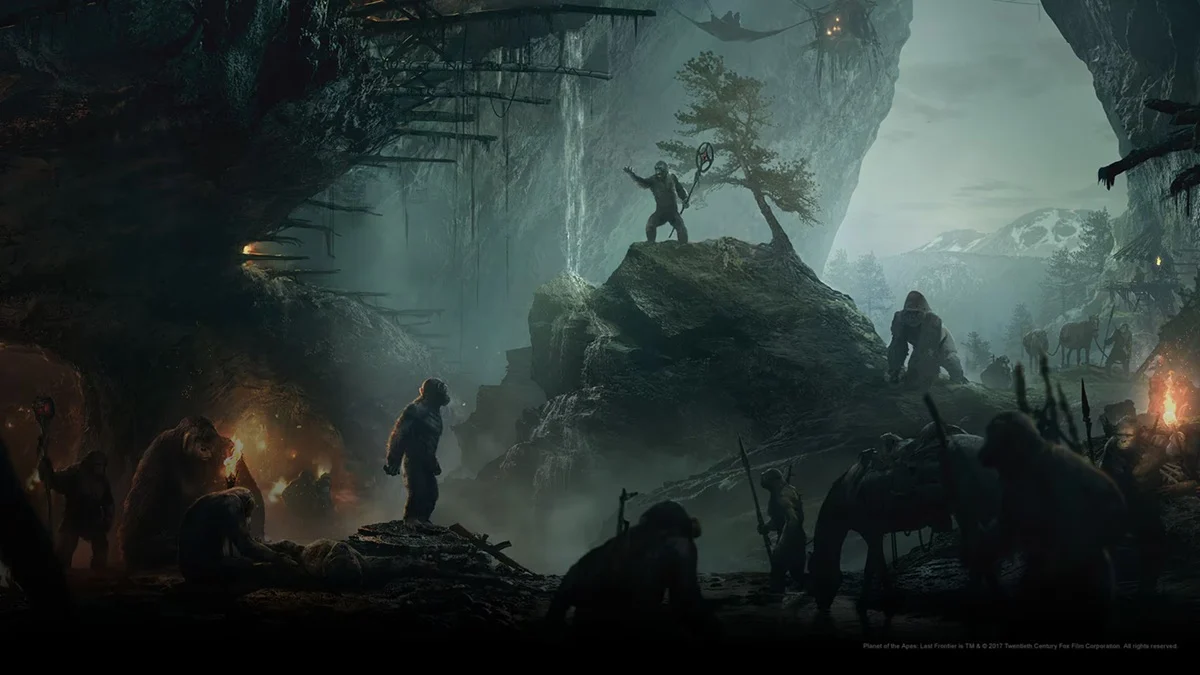
The digital shelves of the PlayStation Store have seen another quiet disappearance, this time affecting the 2017 cinematic adventure game, "Planet of the Apes: Last Frontier." Months after its unannounced removal from other major digital storefronts, the game has now been completely delisted from Sony’s PlayStation Store, leaving players unable to purchase it through any platform.
This latest vanishing act follows a pattern of subtle removals that have become increasingly common for licensed properties, particularly those tied to established intellectual properties like the "Planet of the Apes" franchise. The delisting of "Planet of the Apes: Last Frontier" is not an isolated incident but rather part of a larger trend affecting numerous Disney-owned games, many of which have been pulled from sale without prior notification.
A Slow Fade from Digital Visibility
The journey of "Planet of the Apes: Last Frontier" from digital availability to complete obscurity has been a gradual one, unfolding over several months. Initially, the game’s console store listings on PlayStation were removed in May. This meant that players attempting to purchase the game directly through their PS5 or PS4 consoles would have encountered an unavailable status.
However, for a period, there remained a glimmer of hope for interested buyers. The game was still accessible via the PlayStation Store website. This distinction, while seemingly minor, offered a continued pathway for acquisition. Players who specifically navigated to the store through a web browser could, at least for a time, still add "Planet of the Apes: Last Frontier" to their digital libraries.
The situation has now evolved further, and as reported by keen-eyed users on platforms like PSNProfiles, the game has been entirely scrubbed from the PlayStation Store’s web presence as well. Attempts to access its page through search engines now lead to broken links, a clear indication that the digital storefront has been meticulously cleared of its presence. This complete erasure suggests a deliberate and comprehensive action to remove the game from all avenues of purchase.
The Broader Context: A Wave of Disney Delistings
The disappearance of "Planet of the Apes: Last Frontier" from the PlayStation Store is not an anomaly but rather a component of a much larger, and often unannounced, wave of delistings affecting Disney-owned games. In April of the previous year, it was reported that a significant number of Disney properties were pulled from sale on Steam without any prior warning. This included a dozen games that were abruptly removed from Valve’s digital marketplace, leaving many players scrambling to secure their purchases.
"Planet of the Apes: Last Frontier" was among these titles, experiencing its initial removal from Steam before its subsequent departure from console storefronts. The staggered approach, with Steam being the first to go, followed by the PlayStation consoles in stages, highlights a coordinated effort to phase out these games from active digital sales. The continued availability on the PlayStation website for a period after its console removal may have been an oversight or a staggered implementation of the delisting process across different platforms and access points.
This broader trend raises questions about the licensing agreements, the future of older digital titles from major publishers, and the potential for these games to ever return to digital marketplaces. For players who may have been on the fence about purchasing "Planet of the Apes: Last Frontier," or who had planned to acquire it at a later date, this unannounced removal represents a missed opportunity and a stark reminder of the ephemeral nature of digital ownership.
A Glimpse of What Was: The "Planet of the Apes: Last Frontier" Experience
Released in 2017, "Planet of the Apes: Last Frontier" was positioned as a narrative-driven, cinematic adventure game. Developed by Imaginati Studios and published by FoxNext Games, it aimed to immerse players in the post-apocalyptic world established by the rebooted "Planet of the Apes" film series. The game’s premise centered on a group of apes struggling for survival in the harsh environment, with players taking on the role of various characters and making choices that would shape the unfolding narrative.
While the game garnered mixed reviews upon its initial release, critics often acknowledged its strengths, particularly in its narrative ambitions. The story was frequently cited as a compelling element, drawing players into the morally complex world of the apes and their ongoing conflict with humanity. The developers attempted to capture the gritty realism and thematic depth of the film franchise, offering a branching storyline that allowed for player agency to influence the outcome.
However, the experience was not without its significant drawbacks. A recurring theme in reviews was the presence of numerous technical issues. These problems ranged from performance hiccups and graphical glitches to gameplay-specific bugs that could detract from the immersive qualities the game strived for. These technical shortcomings often overshadowed the narrative strengths, leading to a less-than-optimal player experience for many.
Despite these criticisms, the game offered a unique opportunity for fans of the franchise to engage with the "Planet of the Apes" universe in an interactive format. The cinematic presentation and the focus on story were intended to provide an experience akin to playing through a lost chapter of the film saga.
A Companion Title Remains: "Crisis On the Planet of the Apes VR"
Interestingly, and perhaps surprisingly to some, a related title, "Crisis On the Planet of the Apes," remains available for purchase on the PlayStation Store. This virtual reality game, developed by Imaginati Studios as well, offers a different, albeit still within the franchise’s lore, interactive experience. The continued availability of the VR title while its narrative-focused counterpart has been delisted raises further questions about the specific reasons behind the removal of "Last Frontier." It could suggest that licensing agreements or platform-specific considerations might be at play, or perhaps the VR title’s lifecycle or sales performance differs significantly.
"Crisis On the Planet of the Apes" was released in 2018 and received a generally more positive reception than "Last Frontier," often praised for its immersive VR gameplay and its ability to effectively translate the "Planet of the Apes" atmosphere into a virtual environment. The fact that it persists on the store, while "Last Frontier" has vanished, adds another layer of complexity to understanding the strategic decisions behind these digital removals.
The Implications of Digital Delistings
The quiet delisting of "Planet of the Apes: Last Frontier" and other similar titles carries significant implications for players, developers, and the broader gaming industry.
For Players:
The most immediate impact is the loss of access for new players. Those who did not purchase the game before its delisting can no longer acquire it digitally. This is particularly frustrating for fans of the "Planet of the Apes" franchise who may have been unaware of the game’s existence or who intended to buy it at a later time. Furthermore, for games that rely on online functionality or future patches, delisting can also foreshadow the eventual discontinuation of server support, effectively rendering certain aspects of the game inaccessible in the long run.
For Developers and Publishers:
The practice of delisting, especially without prior notice, can damage a publisher’s reputation. It can create a perception of instability and unreliability in the digital marketplace. For developers who worked on these titles, seeing their creations vanish from public access can be disheartening, especially if they wish for their work to remain available to a wider audience. The reasons for delisting are often tied to expired licensing agreements, changes in business strategies, or the cost associated with maintaining older titles on digital storefronts. In the case of Disney, the decision to delist many of its older games is likely part of a broader strategy to manage its intellectual property and focus on newer or more profitable ventures.
For the Gaming Ecosystem:
The increasing trend of digital delistings raises concerns about the long-term preservation of video game history. As games become increasingly digital, their availability is entirely dependent on the goodwill and business decisions of publishers and platform holders. Unlike physical media, which can be preserved and played independently of official storefronts, digital games can disappear at any moment. This poses a challenge for archivists, historians, and future generations of gamers who may wish to experience these titles. It underscores the importance of initiatives like game preservation and the ongoing debate about digital ownership versus digital licensing.
In conclusion, the complete disappearance of "Planet of the Apes: Last Frontier" from the PlayStation Store marks the end of an era for this particular title’s digital availability. While the game may have had its flaws, its narrative ambition and its connection to a beloved franchise made it a notable entry in the cinematic adventure genre. Its silent departure, mirroring the fate of numerous other Disney games, serves as a stark reminder of the ever-changing landscape of digital distribution and the precarious nature of digital game ownership in the modern era.


 Lina Irawan
 Sagoh
Sagoh