Raul Delapena Setiawan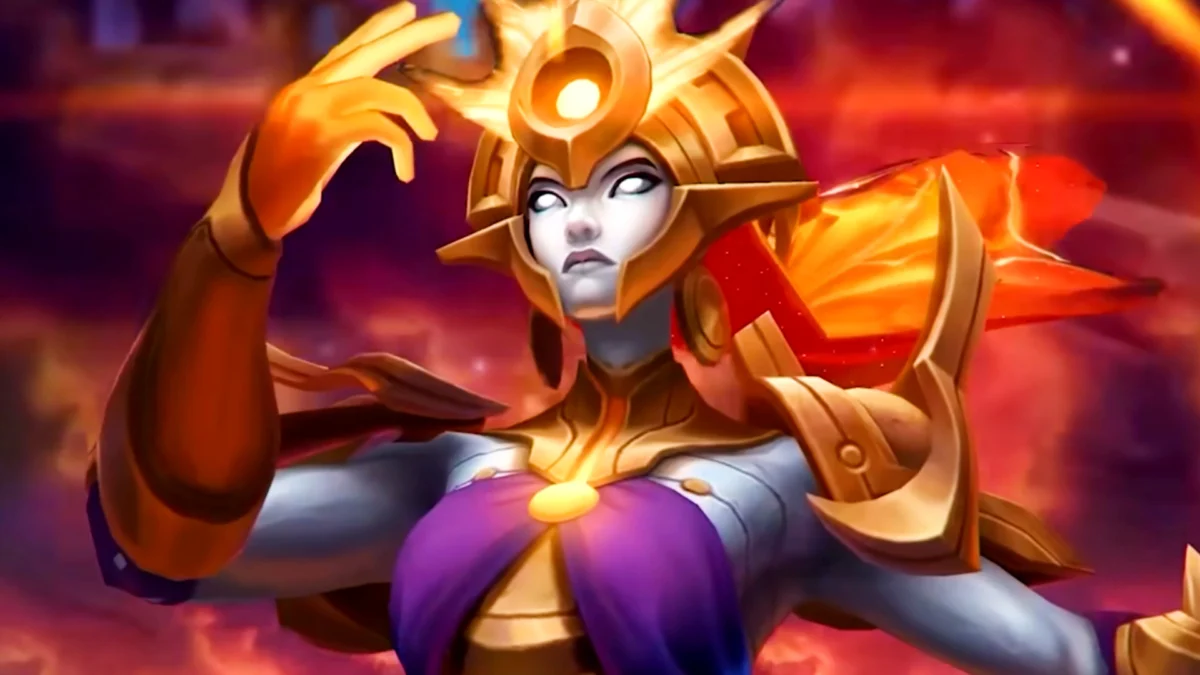
For over a decade, League of Legends has stood as the titan of the MOBA genre, a cultural phenomenon that has defined the esports landscape. However, as the industry pivots toward the high-fidelity capabilities of modern third-party engines like Unreal Engine 5, speculation has reached a fever pitch regarding the future of Riot Games’ flagship title. Following the bombshell revelation that Teamfight Tactics (TFT) is transitioning to Unreal Engine, many fans assumed League of Legends would follow suit.
In a decisive move to clarify the company’s roadmap, Andrei ‘Meddler’ van Roon, the Head of League Studio, has officially confirmed that the MOBA will remain tethered to its custom-built Hextech Engine. Far from being a legacy burden, the engine is set to become the backbone of an ambitious, comprehensive overhaul known as "League Next."
The Hextech Strategy: Why Proprietary Remains King
The conversation surrounding League of Legends and game engines was ignited by an accidental leak via a Riot Games job listing, which prematurely revealed that the autobattler Teamfight Tactics would be migrating to Unreal Engine. Given the shared DNA between the two games, the community immediately questioned whether the main League client would undergo a similar metamorphosis.
Meddler took to X (formerly Twitter) to quell the rumors, providing a clear rationale for Riot’s decision. "With League, we’re investing further in the custom game engine League uses, since that’s been tailored for MOBA gameplay specifically and fits League’s needs really well," van Roon explained.
For developers, the distinction between a general-purpose engine and a proprietary one is critical. While Unreal Engine is a powerhouse for AAA cinematic experiences and complex physics, the specific "feel" of League of Legends—its frame-perfect inputs, distinct netcode, and the unique way it handles thousands of projectile interactions simultaneously—is deeply baked into the Hextech architecture. Abandoning this for a third-party engine would not only be a monumental technical undertaking but could fundamentally alter the "snappiness" that defines the competitive integrity of the game. By continuing to iterate on Hextech, Riot is choosing optimization and continuity over the industry-wide trend of engine migration.
Unifying the Experience: The "League Next" Overhaul
The most significant takeaway from the recent announcements is the move toward a singular, unified ecosystem. Currently, League of Legends suffers from a fragmented technical architecture: the actual gameplay happens within the Hextech Engine, while the "client"—the social, store, and lobby interface—operates as a separate, often criticized entity.
"With League Next, we’re moving everything into Hextech," Meddler stated. "This should both make for a more seamless experience and get away from a lot of the challenges the client has had over the years."
This is a massive promise to the player base. The League of Legends client has long been the subject of community frustration, frequently cited for memory leaks, slow loading times, and erratic performance. By migrating the "around-game" elements into the primary Hextech environment, Riot aims to create a cohesive software experience where the transition from lobby to Summoner’s Rift is fluid, fast, and stable.
League Next: A Holistic Evolution
While the engine news is the technical headline, the "League Next" project represents a broader vision for the future of the game. Executive Producer Paul ‘Pabro’ Bellezza has previously hinted at a significant visual and mechanical refresh for Summoner’s Rift.

Visual and Mechanical Revitalization
The project aims to modernize the aging visuals of the map, likely bringing them in line with the high-fidelity aesthetics seen in Arcane or Riot’s newer titles. Beyond the superficial, Bellezza has promised "a bit of new gameplay," suggesting that while the core MOBA loop will remain intact, the interactive elements of the map—such as objective mechanics, terrain geometry, or jungle interactions—could be in for a substantial shake-up.
The New Player Experience
Perhaps most importantly, "League Next" is designed to be the ultimate onboarding tool. Attracting new players to a game with 15+ years of mechanical complexity is a daunting challenge. By restructuring the client and the tutorial systems, Riot hopes to make it easier for veterans to introduce their friends to the game without the friction that currently exists.
The Road to Worlds: A Timeline for Disclosure
Riot Games has adopted a highly strategic approach to rolling out information regarding this transition. Rather than a singular, overwhelming press dump, they have opted for a phased disclosure.
- Mid-Season Invitational (MSI) 2026: Riot will use the MSI stage, held July 9-12, to provide a broader update on the state of the game for the remainder of 2026. This will serve as the initial teaser for the changes to come.
- The Post-MSI Period: Following the tournament, the developer team will begin a deeper dive into the specific goals of "League Next."
- The Worlds 2026 Reveal: The grand reveal is slated for the League of Legends World Championship, starting in October and concluding on November 14.
Meddler explained the logic behind this timeline: "At the start of the year we weren’t certain exactly which month that would be in; at this point, we’ve decided Worlds is likely the best place to do so, given the increased visibility anything we share gets from being part of Worlds."
Implications for the Future of MOBA Esports
The decision to remain on the Hextech engine carries profound implications for the professional scene. Consistency is the bedrock of competitive esports. By avoiding an engine change, Riot ensures that professional players do not have to "re-learn" the physics or movement mechanics of the game.
However, the modernization of the client and the visual overhaul of Summoner’s Rift could change the viewing experience for millions of fans. If "League Next" succeeds in reducing client instability and creating a more visually engaging map, it will lower the barrier to entry for casual viewers and likely improve the overall broadcast quality for esports events.
Furthermore, by integrating the client and the game into one unified engine, Riot is future-proofing the game against the technical debt that has plagued it for years. This suggests that League of Legends is not intended to be a legacy product that is slowly sunsetted, but rather a core platform that will continue to receive substantial investment for the next decade.
Conclusion
The "League Next" initiative is a testament to Riot Games’ commitment to its flagship title. While the allure of Unreal Engine 5 is undeniable in the modern gaming climate, Riot’s decision to refine its custom-built Hextech Engine reflects a deep understanding of what makes League of Legends tick.
By unifying the game’s architecture and preparing for a major visual and mechanical refresh, Riot is positioning League to remain at the pinnacle of the MOBA genre. As the industry looks toward the 2026 World Championship, all eyes will be on November 14—the day the future of the Rift will finally be unveiled. For now, the message from the developers is clear: the game isn’t changing its foundation; it is finally building the house that the community deserves.


 Nana Wu
 Nana Muazin