In the crowded, hyper-competitive landscape of modern streaming, where original content is churned out with industrial fervor, it is all too easy for genuine gems to be buried under the algorithms of giants like Netflix. While Apple TV+ has successfully pierced the cultural zeitgeist with "Severance" and the recent horror-thriller "Widow’s Bay," the platform’s most consistent, addictive, and criminally underrated science fiction epic, "Silo," continues to operate in the shadows. As it enters its third season, showrunner Graham Yost’s adaptation of Hugh Howey’s acclaimed book trilogy proves that "Silo" is not just a show—it is a masterclass in building a "mystery box" narrative that, unlike many of its predecessors, actually knows where it is heading.
The State of the Silo: A Narrative Evolution
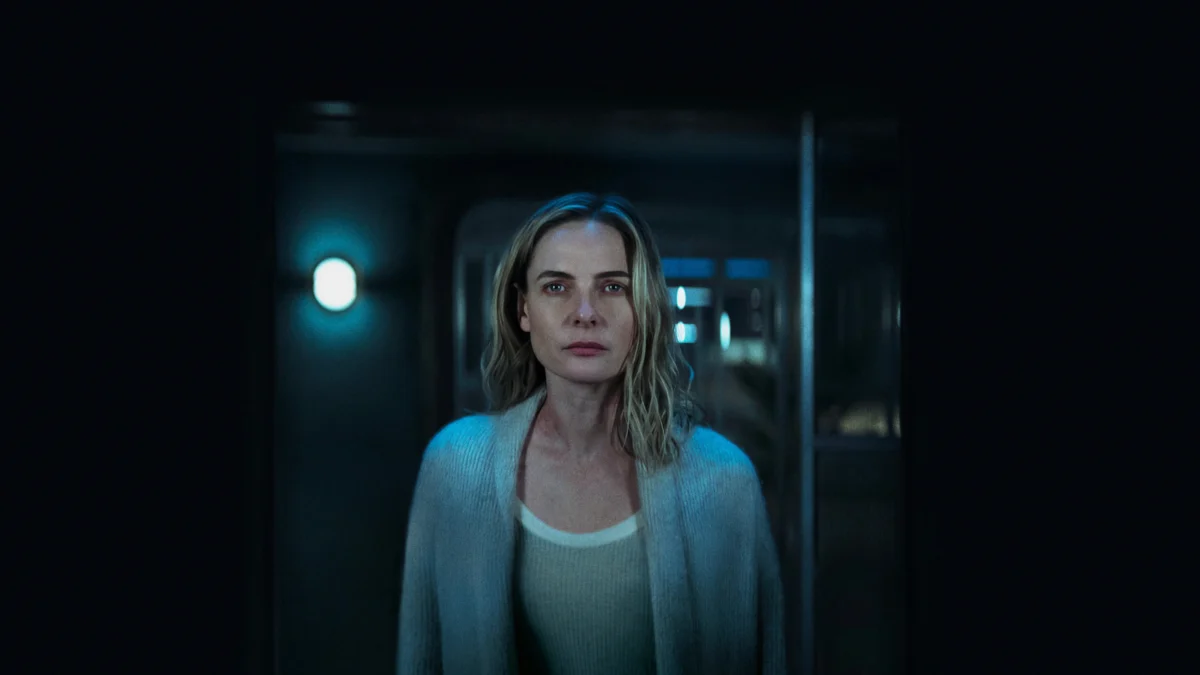
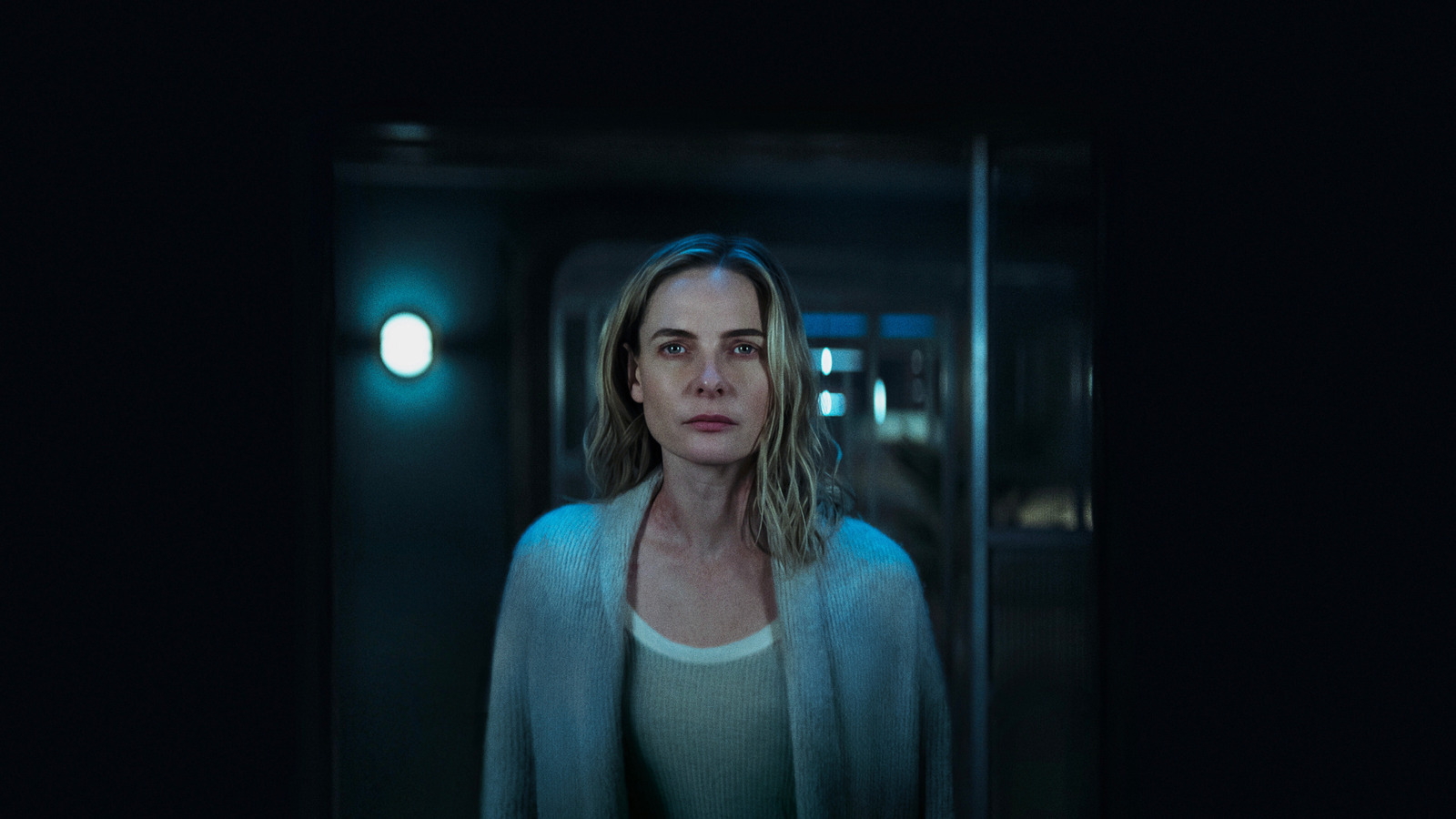
"Silo" has always been a show about the crushing weight of confinement and the lethal cost of curiosity. Season 1 established the series as a claustrophobic murder mystery, tracking Juliette Nichols (the fiercely compelling Rebecca Ferguson) as she ascended from the mechanical bowels of the underground city to discover the horrifying reality of their subterranean existence. Season 2, conversely, shattered the boundaries of the silo, thrusting Juliette into the vast, irradiated wasteland—only to reveal that her home was merely one of many, a realization that fundamentally altered the stakes of the series.
As we head into Season 3, the stakes have shifted from mere survival to systemic revolution. Juliette is no longer just an engineer or a disgraced sheriff; she is the reluctant face of an uprising, holding the dangerous mantle of "Mayor" in a society that is rapidly unraveling. The genius of this season lies in its refusal to rest on the laurels of its previous cliffhangers. Instead, the narrative expands horizontally, weaving in a dual-timeline structure that bridges the gap between the pre-apocalyptic world and the iron-fisted reality of the future.
Chronology: Bridging the Divide Between Eras
The most daring structural choice in "Silo" Season 3 is the deliberate interweaving of two distinct timelines. By pivoting between the future-set struggle within the silos and the origin-story tension of the past, the writers are finally peeling back the layers of the "dirty bomb" conspiracy that led to humanity’s descent into the earth.
The Future: A Society on the Brink
In the future, Juliette’s return to the silo—despite the trauma of the Season 2 finale—serves as the catalyst for a social powder keg. The residents, who once viewed her with skepticism, now look to her as a messianic figure. However, the show avoids falling into the "chosen one" trope by highlighting the sheer difficulty of governance. Juliette’s conflicts with former allies like the gruff, pragmatic Knox (Shane McRae) and the increasingly complex Shirley (Remmie Milner) provide a grounded, political weight to the sci-fi spectacle. Meanwhile, the antagonistic forces of Robert Sims (Common) and the enigmatic Camille (Alexandria Riley) suggest that the true enemy may not be the environment outside, but the human impulse to maintain control at any cost.
The Past: The Genesis of the End
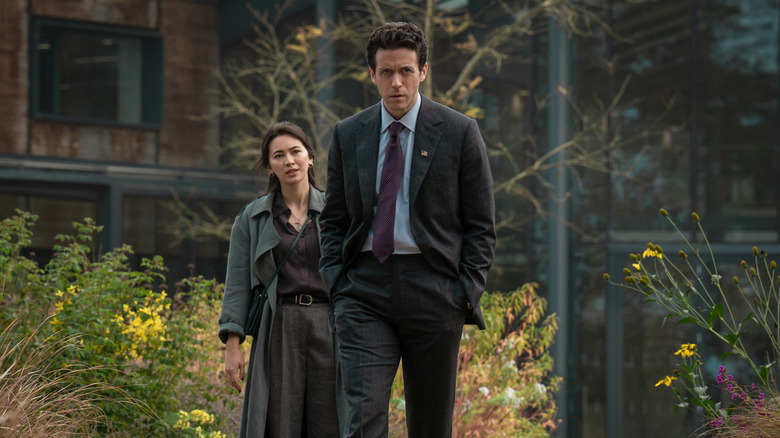
The most compelling, albeit disturbing, aspect of Season 3 is the flashback narrative. Following the lives of Congressman Daniel (Ashley Zukerman) and investigative journalist Helen (Jessica Henwick), these segments function as a psychological thriller. We see the board being set: the machinations of a shadowy political elite (led by Laura Innes), the clinical detachment of the medical establishment (Matt Craven), and the rise of a tech-titan archetype played by Colin Hanks—a character who serves as a chilling, thinly veiled commentary on the hubris of modern-day billionaires. These scenes are harrowing, grounding the show’s high-concept sci-fi in a terrifyingly recognizable reality.
Supporting Data and Thematic Implications
Beyond the plot, "Silo" operates as a critique of contemporary societal structures. The "silo" itself is a metaphor for the digital bubbles and socioeconomic stratification we face today. The show asks: If the truth is too painful to bear, is it a kindness to hide it, or is the suppression of information the ultimate act of tyranny?
The production value, which remains among the highest in the industry, serves these themes well. The grimy, industrial aesthetic of the lower levels contrasts sharply with the sterile, surveillance-heavy atmosphere of the administration floors, reinforcing the visual language of inequality. The decision to keep the series moving toward a definitive conclusion—with a fourth and final season already confirmed—is a strategic move that prevents the narrative bloat common in long-running series. It allows the writers to tie off loose ends with a sense of urgency that is palpable in every episode of this third season.
Official Responses and Creative Vision
Graham Yost has remained steadfast in his commitment to Hugh Howey’s vision, noting in various industry discussions that the goal was never to create an endless loop of mysteries. "Silo," he suggests, is a story about the inevitable confrontation between the past and the future. The inclusion of the "past" timeline in Season 3 was a calculated risk, designed to provide the context required for the series’ grand finale.
The casting of Rebecca Ferguson remains the show’s greatest asset. Her ability to portray vulnerability alongside hardened steel makes Juliette one of the most watchable protagonists in television history. When she clashes with the series’ antagonists, it feels personal; when she uncovers a secret, the viewer feels the weight of that discovery as if it were their own.
The Verdict: Why It Demands Your Attention
It is tempting to dismiss "Silo" as another genre show in a crowded market. However, such a dismissal misses the point. "Silo" is not trying to be the next "prestige" drama with high-brow philosophical musings; it is a pulp-inspired, high-stakes mystery that prioritizes narrative momentum and character depth. It is, quite simply, "appointment television" for those who enjoy the feeling of being trapped in a puzzle that is slowly clicking into place.
While it lacks the massive social media footprint of some of its competitors, "Silo" offers a level of consistency that few shows achieve. It is a "salty snack"—addictive, satisfying, and impossible to put down. With the finish line in sight, the narrative threads are pulling tight. The third season may be the most harrowing yet, leaving viewers with a sense of unease that lingers long after the credits roll, but that is exactly what makes it essential viewing.
In a world where we are often overwhelmed by the sheer volume of "content," "Silo" demands your time not through hype, but through sheer, unadulterated storytelling excellence. Whether you are a fan of the source material or a newcomer looking for a gripping sci-fi mystery, there has never been a better time to descend into the deep.
Rating: 7/10
Silo Season 3 premieres on Apple TV+ on July 3, 2026.