

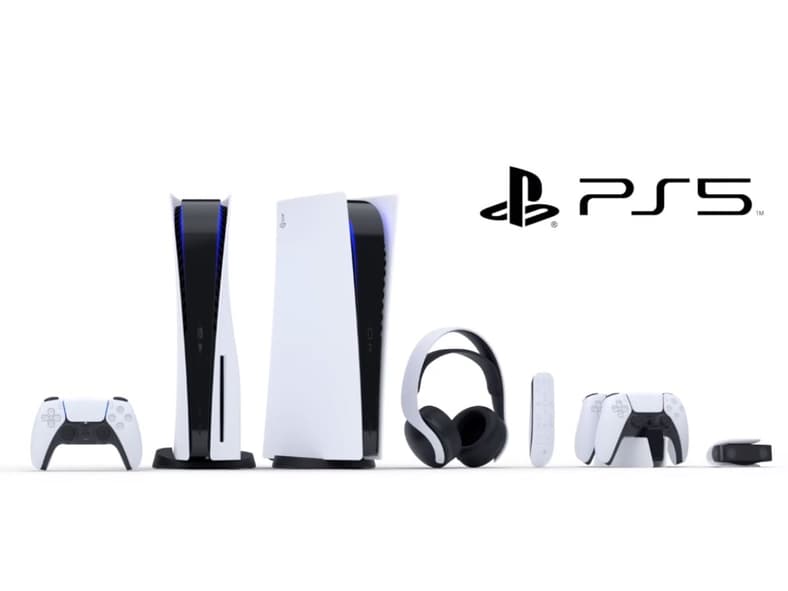
In a turbulent period for Sony Interactive Entertainment, the gaming giant is grappling with mounting consumer frustration and a significant legal challenge that strikes at the heart of its pricing strategies. Following a series of unpopular decisions—including the hiked retail price of the PlayStation 5, increased subscription costs for PlayStation Plus, and a pivot away from simultaneous PC launches for its flagship titles—Sony is now the defendant in a class-action lawsuit that accuses the company of financial impropriety regarding federal tariff refunds.
The lawsuit, filed on May 6, 2026, alleges that Sony effectively “double-dipped” on costs, forcing consumers to pay for federal tariffs that were later declared unlawful and refunded to the corporation. As the gaming community questions the company’s commitment to its player base, this legal battle serves as a focal point for broader concerns regarding corporate transparency and consumer protection in the tech sector.
The Core Allegations: A Case of “Double Recovery”
The legal complaint, filed in the U.S. District Court for the Northern District of California, centers on the interplay between corporate pricing policies and the International Emergency Economic Powers Act (IEEPA). During the 2025 fiscal period, the federal government imposed significant tariffs on imported electronic goods. Sony, citing a "challenging economic environment," responded by passing these import costs directly onto the consumer through increased retail prices for PlayStation 5 consoles and associated hardware.
However, the legal landscape shifted when a subsequent federal ruling determined that the administration had exceeded its authority in imposing those specific tariffs under the IEEPA. This ruling paved the way for the federal government to issue refunds to the companies that had paid the import duties.
The core of the plaintiffs’ argument is that Sony, having already offset the cost of these tariffs by charging higher prices to gamers, has now received—or is slated to receive—a refund from the federal government. The lawsuit characterizes this as a “substantial windfall” and a “double recovery.” Essentially, the plaintiffs contend that while Sony was made whole by the federal government, the consumers who were forced to shoulder the financial burden of the tariffs have seen no relief, and the company has retained the surplus as pure profit.
Chronology of the Dispute
To understand the gravity of the situation, one must look at the timeline of events that led to this litigation:
- Early 2025: The federal government invokes the International Emergency Economic Powers Act to impose sweeping tariffs on various electronics imports, including gaming hardware manufactured overseas.
- Mid-2025: Sony officially adjusts the retail pricing of the PlayStation 5 hardware and accessories. Company executives attribute these changes to global economic volatility and increased supply chain costs, specifically pointing to the tariff environment.
- Late 2025: Legal challenges against the administration’s use of the IEEPA reach a resolution. The judiciary finds the specific implementation of these tariffs to be unlawful, mandating a refund process for affected companies.
- Early 2026: It becomes public knowledge that major tech corporations, including Sony, are recipients of these federal refunds.
- May 6, 2026: A class-action lawsuit is filed against Sony Interactive Entertainment, seeking damages and restitution for consumers who purchased hardware during the window when the inflated, tariff-burdened prices were in effect.
The Broader Context: A Challenging Era for PlayStation
This lawsuit does not exist in a vacuum. It follows a year of decisions that have alienated segments of the PlayStation community. Sony’s brand loyalty, long considered one of its greatest assets, has been tested by a series of moves viewed by many as anti-consumer:
- Subscription Inflation: The price of PlayStation Plus tiers saw significant increases, leaving many subscribers feeling that the value proposition of the service has diminished relative to its cost.
- Hardware Pricing: Beyond the initial tariff-related hikes, the baseline cost of entering the PS5 ecosystem has remained high, with fewer bundles and discounts compared to previous console generations.
- The PC Pivot: Sony’s recent decision to walk back its strategy of bringing single-player PlayStation exclusives to PC has sparked intense debate. While intended to prioritize the console experience, many users view the reversal as an attempt to force gamers into a walled garden, further heightening the sense of a company prioritizing profit margins over player accessibility.
Industry-Wide Ripples: The Nintendo Parallel
Sony is not alone in this legal firestorm. Nintendo has also been named in a similar class-action lawsuit regarding the handling of tariff-related pricing. The Nintendo suit mirrors the logic applied to Sony: that hardware costs were artificially inflated under the guise of tariff mitigation and that the subsequent refund from the government should have been passed down to the consumer or at least returned to those who overpaid.
The fact that multiple industry titans are facing identical legal challenges suggests a systemic issue in how multinational corporations handle the volatility of international trade policy. When companies cite government-imposed taxes as the reason for price hikes, they effectively build a social contract with the consumer: "We are charging you more because we have to." When that tax is removed or refunded, the failure to adjust prices downward—or to refund the consumer—is viewed by plaintiffs as a breach of that implicit contract.
Implications for Corporate Transparency
The outcome of this case will likely have significant ramifications for the gaming industry and beyond. If the court finds in favor of the plaintiffs, it could establish a legal precedent requiring companies to be more transparent about how “pass-through costs” are calculated and handled when those costs are eventually recouped.
Potential Financial Repercussions
If the class-action suit succeeds, Sony could be looking at a multi-million dollar payout. While the company has not issued a public statement, their legal team will likely argue that the pricing of their consoles is dictated by a complex array of factors—including R&D, manufacturing, shipping, and marketing—and that a tariff refund is merely one component of a massive, global balance sheet. They may contend that it is impossible to isolate “tariff-related” profit from the general revenue of the PlayStation division.
Reputation and Brand Equity
Regardless of the legal outcome, the reputational damage may already be done. In an era where digital storefronts and subscription services are becoming the primary ways people interact with gaming, trust is a vital currency. If consumers perceive Sony as a company that keeps “windfall” profits while simultaneously raising subscription prices, the potential for churn is high.
Competitors, particularly those in the PC and handheld gaming spaces, may use this period of Sony’s legal vulnerability to capture market share. Microsoft and smaller, independent gaming hardware developers have been watching the situation closely, likely adjusting their own PR strategies to emphasize consumer value in contrast to the “premium” (and now legally contested) pricing of the PlayStation ecosystem.
Conclusion: A Turning Point?
The litigation filed on May 6, 2026, is more than a dispute over import duties; it is a symptom of a growing disconnect between a gaming giant and its audience. Sony Interactive Entertainment finds itself in a precarious position where its business decisions are being scrutinized not just by critics, but by the legal system.
As the case proceeds, the gaming world will be watching to see if Sony chooses to settle, fight, or fundamentally change its pricing philosophy. For now, the "double recovery" narrative has provided a rallying point for dissatisfied gamers, turning a standard corporate legal filing into a symbol of the broader frustrations currently plaguing the PlayStation brand. Whether this leads to a shift in how Sony treats its consumer base or if it becomes just another chapter in the company’s history of aggressive market control remains to be seen. One thing is certain: the era of blind trust in console manufacturers’ pricing strategies is rapidly coming to an end.











No comments yet. Be the first to join the conversation!