Sagoh
Sagoh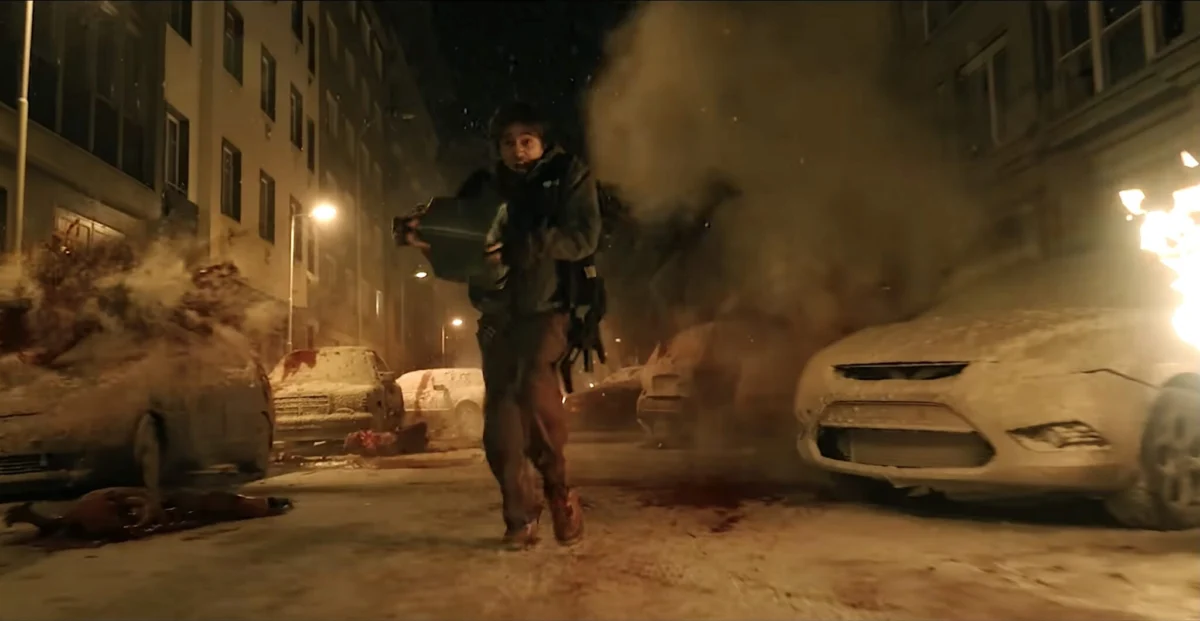
In the modern cinematic landscape, the horror genre often finds itself trapped in a binary state: it is either a self-serious, hyper-meticulous exercise in "elevated" dread or a hollow jump-scare factory designed for cheap thrills. However, with the release of the latest Resident Evil adaptation, director Zach Cregger and screenwriter Shay Hatten have proposed a new, irreverent mandate for the industry. Their film suggests that the most effective way to handle the visceral terror of the undead is not to treat them with solemnity, but to approach them with the timing and absurdity of a seasoned comedian.
The result is a film that is remarkably gross, narratively lean, and undeniably hilarious. By stripping away the heavy-handed metaphors and convoluted lore that have bogged down previous franchise entries, Cregger has crafted an experience that prioritizes raw, "sticky" horror and the relentless momentum of a survival-game night gone wrong.
A Chronology of Chaos: From Courier to Survivor
The narrative skeleton of the film is deceptively simple. We are introduced to Bryan, a medical courier played with endearing, frantic energy by Austin Abrams. Bryan is the antithesis of the typical action hero; he is a man defined by his own ineptitude, a character who seems perpetually in over his head.
The story begins in the mundane: Bryan is embroiled in a strained, awkward conversation with his girlfriend, his mind elsewhere, his priorities misaligned. Seeking an escape from his domestic pressures, he accepts a late-night medical courier job. He is tasked with transporting a medical cooler to a facility in Raccoon City. In a classic trope that the film quickly subverts, Bryan lies about having the necessary equipment for a snowy commute, setting the stage for a night where his lack of preparation becomes the least of his worries.
Once he arrives in Raccoon City, the film shifts gears into a relentless, high-octane descent. The transition from a quiet, snowy drive to a full-blown infestation is jarring and immediate. The film discards the slow-burn approach, instead opting for a "splatstick" intensity that echoes the manic energy of Sam Raimi’s Evil Dead 2. Bryan’s night turns into a gauntlet of sewers, abandoned farmhouses, and overrun hospitals. Each time he manages to catch a breath, the environment conspires to throw a fresh, worse horror in his path, forcing him to make increasingly desperate—and often idiotic—choices to survive.
Supporting Data: The Mechanics of the "Game"
What separates this adaptation from its predecessors is its structural homage to the source material. Rather than attempting to translate the complex continuity of the Capcom games into a rigid cinematic narrative, Cregger and Hatten have captured the feeling of playing the game. The pacing mirrors a late-night gaming session, where judgment is impaired by exhaustion, poor dietary choices, and the mounting frustration of a "controller" being passed around between friends.

The creature design and physical effects provide the weight that CGI-heavy modern horror often lacks. The infected are not merely background noise; they are relentless, tactile, and horrifying. When they strike, the blood feels sticky, and the violence feels permanent. This grounding in practical effects allows the humor to land without undermining the stakes.
Crucially, the film leans into what can be described as "when saving the cat goes wrong." Bryan, despite his whiny, adolescent tendencies, occasionally attempts to act the hero. In a traditional film, these moments would be rewarded with salvation. Here, they are met with gore-soaked irony. The film treats the audience to the grim reality that in a Resident Evil scenario, attempting to be the "good guy" is often a fatal miscalculation.
Official Context: Cregger’s Pivot from Meaning to Mayhem
To understand the tonal shift in this film, one must look at Cregger’s directorial trajectory. His breakout horror hit, Barbarian, was a masterclass in thematic density, drawing heavily from Gavin de Becker’s The Gift of Fear to dissect systemic misogyny and exploitation. It was a film that was "about something"—a cerebral exploration of the male gaze and the dangers women face in mundane spaces.
Similarly, his recent work, Weapons, ignited a firestorm of discourse. Audiences and critics scrambled to decode its symbolism, debating whether it served as a critique of gun violence or a meditation on mob mentality.
With Resident Evil, however, Cregger has made a deliberate pivot. There is no hidden code, no grand societal commentary, and no moral lesson to be extracted from the shadows of Raccoon City. As Cregger has indicated in interviews regarding his creative process, the film is an exercise in pure, unadulterated genre fun. By removing the burden of "meaning," Cregger allows himself to focus on the interplay between the grotesque and the absurd. The horror works because the humor is present, and the humor thrives because the horror is so extreme it borders on the surreal.
Implications for the Horror Genre
The success of this adaptation poses a significant question for the future of horror cinema: is there a constitutional need to prioritize comedians in the director’s chair?

The industry has long viewed horror and comedy as oil and water, yet the most enduring classics often rely on the precise intersection of the two. Cregger proves that a director who understands how to "plant a seed" of tension and "pay it off" with a punchline is better equipped to manage an audience’s nerves than one who relies on the monotony of dread. When a viewer doesn’t know if the payoff to a scene will be a horrific jump scare or a dry, observational gag, they are held in a state of perpetual, engaged suspense.
Furthermore, the film highlights a growing disconnect between fan expectations and the modern theatrical experience. The commentary on the "post-pandemic" theatergoer—the tendency for audiences to wave at the screen or audibly critique character decisions—is not just an observation of behavior; it is a recognition that audiences want to be part of the survival experience. They want to yell at the screen, to point out the protagonist’s mistakes, and to share in the communal anxiety of the "controller."
Conclusion
Zach Cregger’s Resident Evil is not a film for the purist who demands a meticulous, lore-accurate translation of the source material. It is a film for the fan who remembers the panic, the frustration, and the bizarre, dark laughter of playing a horror game in a dark room with friends. By embracing the absurdity of its premise and treating its characters with a blend of empathy and cruelty, the film carves out a space for itself as a modern classic of the "splatstick" subgenre.
It serves as a stark reminder that in the face of an existential, undead threat, the best response is often to laugh at the sheer, overwhelming insanity of it all. As the genre continues to evolve, one can only hope that more filmmakers will follow Cregger’s lead, realizing that the thin line between a scream and a laugh is the most fertile ground for horror. Whether you are a fan of the games or simply someone looking for a film that refuses to take itself too seriously while still being terrifying, Resident Evil is a masterclass in how to effectively "game" the system of modern horror.


 Iffa Jayyana
 Siti Muinah