

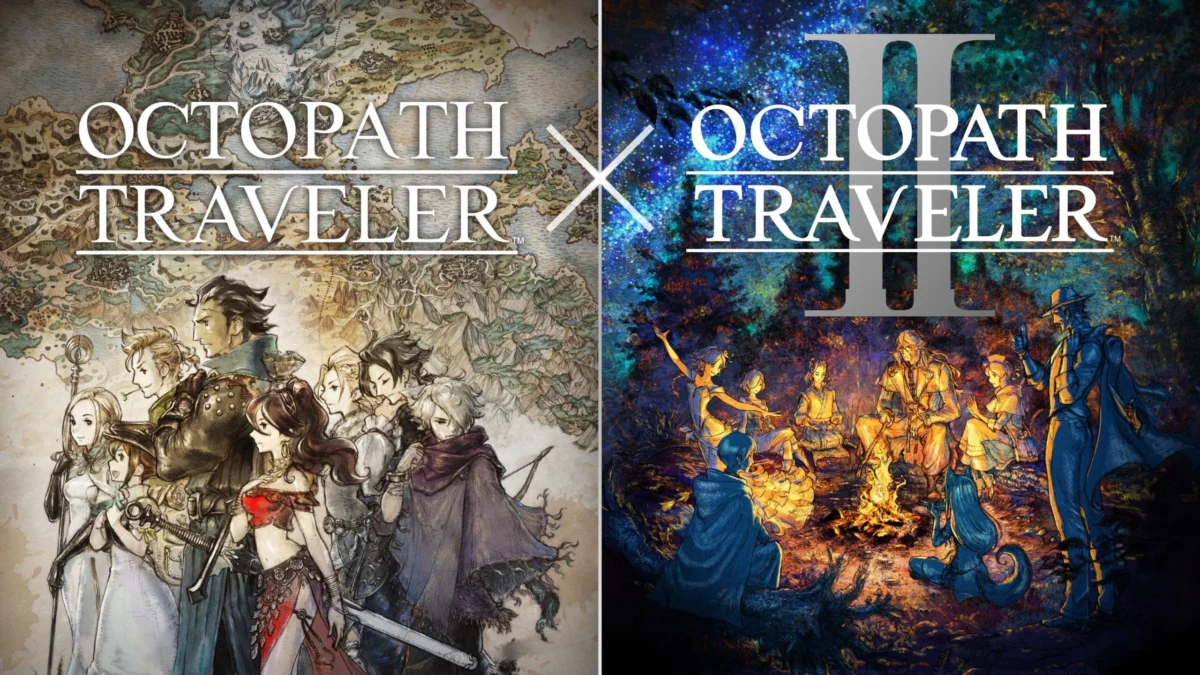
TOKYO, JAPAN – July 13, 2026 – Square Enix, in collaboration with developer ACQUIRE, has officially launched enhanced Nintendo Switch 2 versions of its critically acclaimed HD-2D role-playing games, Octopath Traveler and Octopath Traveler II, in Japan. These re-releases promise a revitalized experience for both new and returning players, boasting significant performance improvements and strategic regional release variations. The dual launch underscores Square Enix’s commitment to its popular RPG series and marks a notable addition to the Nintendo Switch 2’s burgeoning library.
Main Facts: A New Horizon for HD-2D RPGs on Switch 2
The arrival of Octopath Traveler and Octopath Traveler II on the Nintendo Switch 2 heralds a new era for the beloved HD-2D franchise. These enhanced versions are designed to leverage the advanced capabilities of Nintendo’s latest console, offering a superior visual and gameplay experience compared to their original Switch counterparts. The announcement has generated considerable excitement among fans eager to revisit the unique worlds of Orsterra and Solistia with newfound clarity and fluidity.
Immediate Availability in Japan and Upcoming Western Launch
Japanese players were the first to embark on these enhanced adventures, with both titles becoming available digitally via the Nintendo eShop on July 13, 2026. Each game is priced at 5,478 yen, with a compelling bundle offer allowing players to acquire both for 6,820 yen. This immediate digital release provides a head start for the Japanese market, allowing early adopters of the Switch 2 to dive into the intricate narratives and strategic combat that define the Octopath Traveler series.
For audiences in Western territories, the wait will be slightly longer but comes with its own set of distinct release options. Both Octopath Traveler and Octopath Traveler II are slated for a global release on October 1, 2026. In these regions, each game will be available individually, both digitally and as a physical edition, priced at $59.99 USD. A digital-only bundle will also be offered, mirroring the Japanese digital strategy. Interestingly, Japan will also receive a physical game-key card bundle on October 1, aligning with the Western physical release date, providing a collectible option for local fans who prefer a tangible purchase.
Enhanced Performance and Key Differences
The primary allure of these Switch 2 versions lies in their technical enhancements. Square Enix and ACQUIRE have confirmed that both titles feature "improved resolutions and frame rate." This upgrade is expected to translate into a noticeably smoother and more visually striking experience. Higher resolutions will sharpen the intricate pixel art details and the stunning 3D environments that form the signature HD-2D aesthetic, while an enhanced frame rate will ensure more fluid animations during exploration, cutscenes, and especially in the fast-paced, turn-based combat sequences.
However, these improvements come with a significant caveat: the Switch 2 versions are not compatible with save data from the original Nintendo Switch editions. Furthermore, there is no upgrade path available for owners of the previous versions. This decision means that players who wish to experience the games on the new console will need to purchase them again and start their journeys from the beginning. While potentially disappointing for long-time fans, this approach suggests a substantial re-engineering of the games for the Switch 2, making direct save transfers or simple upgrades technically unfeasible or strategically undesirable from the publisher’s perspective.
Pricing and Editions Across Regions
The pricing structure reflects a standardized approach for new full-price titles. In Japan, the digital individual price of 5,478 yen (approximately $35-$37 USD, depending on exchange rates) is slightly lower than the Western $59.99 USD price point, though the bundle offers significant value in both regions. The Western market’s availability of individual physical copies for each game caters to collectors and those who prefer owning a physical cartridge, a common preference in the console gaming landscape. The Japanese physical game-key card bundle on October 1st strikes a balance, offering a physical item without necessarily shipping full cartridges for each game, potentially streamlining distribution or catering to a specific market niche.
A Chronology of the Octopath Saga
The Octopath Traveler series has carved a unique niche in the JRPG genre, celebrated for its distinctive art style, engaging combat, and interwoven narratives. Tracing its journey reveals a deliberate strategy of multi-platform expansion leading up to these latest Switch 2 iterations.
The Genesis of Octopath Traveler
The original Octopath Traveler made its grand debut on the Nintendo Switch on July 13, 2018. It immediately garnered attention for its innovative "HD-2D" graphics, a masterful blend of retro pixel art characters with modern 3D environments, lighting, and effects. This visual style, coupled with its unique narrative structure allowing players to choose one of eight distinct protagonists, each with their own story and "Path Actions," resonated deeply with RPG enthusiasts.
Following its Switch exclusivity, Square Enix systematically expanded the game’s reach to other platforms. PC players gained access via Steam on June 7, 2019, followed by a release on the now-defunct Google Stadia on April 28, 2020. The game then ventured into the Xbox ecosystem, launching on Xbox One and PC via the Microsoft Store on March 25, 2021. Most recently, Octopath Traveler made its way to PlayStation 5 and PlayStation 4 on June 5, 2024, ensuring virtually all major console and PC platforms could experience the inaugural journey through Orsterra. This staggered release strategy allowed the game to continually find new audiences and maintain relevance over several years.
The Evolution with Octopath Traveler II
Building upon the foundation of its predecessor, Octopath Traveler II launched to widespread acclaim on February 24, 2024. This sequel debuted simultaneously across PlayStation 5, PlayStation 4, Nintendo Switch, and PC via Steam, signaling a broader multi-platform strategy from the outset. Octopath Traveler II refined many of the original’s mechanics, introduced new "Latent Powers" and "Day/Night" cycles that influenced Path Actions, and presented a completely new cast of eight travelers in the vibrant world of Solistia. The game’s narrative depth, interconnected character stories, and enhanced HD-2D visuals were widely praised as a significant evolution for the series.
Like its predecessor, Octopath Traveler II also expanded its reach post-launch, making its way to Xbox Series X|S, Xbox One, and PC via the Microsoft Store on June 5, 2024. This consistent multi-platform availability across generations demonstrates Square Enix’s intent to maximize the audience for its premium RPG offerings, ensuring that console and PC players alike can experience these modern classics.
The Transition to Nintendo Switch 2
The move to Nintendo Switch 2 represents the latest chapter in the Octopath Traveler saga. This transition is particularly significant as it brings the series back to a Nintendo console with enhanced power, allowing the developers to fully realize the artistic vision of the HD-2D style without the performance constraints of the original Switch hardware. The decision to release both games concurrently on the new platform rather than just the sequel suggests a desire to offer the complete experience to new Switch 2 owners, allowing them to appreciate the series’ evolution from its very beginning. This also capitalizes on the likely influx of new players to the Nintendo ecosystem with the launch of new hardware.
Supporting Data: The Enduring Appeal of HD-2D
The sustained success and multi-platform expansion of the Octopath Traveler series are testament to its unique blend of nostalgic aesthetics and modern gameplay. The "HD-2D" art style, in particular, has become a defining characteristic and a major draw for players worldwide.
Critical Acclaim and Sales Milestones
The Octopath Traveler series has enjoyed significant critical and commercial success. The original game was lauded for its innovative approach to JRPG storytelling and its distinctive visual presentation, securing generally favorable reviews and strong sales figures. Its sequel, Octopath Traveler II, built upon this foundation, receiving even higher praise from critics, with many hailing it as a superior and more polished experience. Square Enix proudly announced that Octopath Traveler II sold "over three million copies worldwide," a remarkable achievement for a turn-based RPG in the contemporary market. This sales milestone underscores the broad appeal of the franchise and its ability to captivate a global audience. The consistent positive reception across multiple platforms and years suggests a deeply engaging formula that resonates with players seeking both traditional and innovative RPG elements.
The Art Style and Its Impact
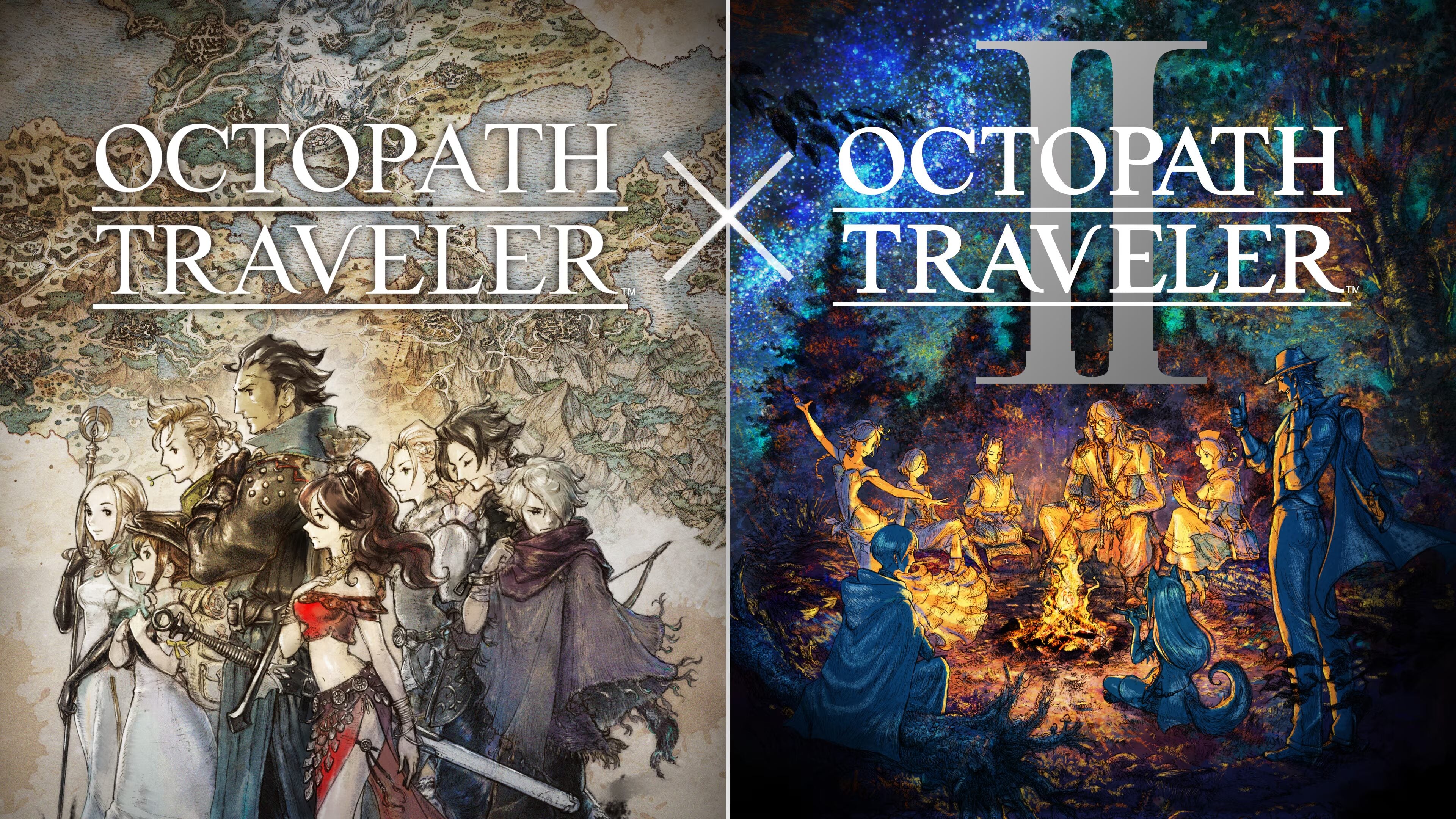
The "HD-2D" art style, coined by Square Enix, is arguably the most distinctive feature of the Octopath Traveler series. It represents a meticulous fusion of classic 16-bit era pixel art character sprites with high-definition 3D environments, volumetric lighting, depth of field effects, and dynamic shadows. This creates a diorama-like effect, giving the impression of playing through a beautifully rendered, interactive pop-up book. The visual fidelity of the Switch 2 versions, with improved resolution, will further enhance this unique aesthetic, making the vibrant towns, sprawling landscapes, and intricate dungeons pop with even greater detail and clarity.
The impact of HD-2D extends beyond mere aesthetics; it evokes a powerful sense of nostalgia for classic JRPGs while simultaneously feeling fresh and modern. This approach has proven so successful that Square Enix has adopted it for other titles, including the acclaimed tactical RPG Triangle Strategy and the remake of Live A Live, solidifying HD-2D as a signature visual language for a new generation of Square Enix RPGs. The enhanced resolution on Switch 2 will undoubtedly allow for a more pristine presentation of this acclaimed art direction.
Gameplay Mechanics and Narrative Depth
At the core of the Octopath Traveler experience lies its unique gameplay and narrative structure. Both games feature eight distinct protagonists, each with their own compelling origin story, unique "Path Actions" (abilities used in towns, like stealing, scrutinizing, or challenging NPCs), and a personal quest. Players are free to choose their starting character and recruit the others in any order they wish, leading to a non-linear narrative where individual stories intertwine and converge. This freedom of choice is a cornerstone of the series’ appeal, encouraging multiple playthroughs and offering diverse perspectives on the worlds of Orsterra and Solistia.
Combat is another highlight, utilizing a strategic turn-based system centered around the "Break and Boost" mechanics. Enemies have a "Shield Point" value that must be depleted by hitting their weaknesses (weapon types or elemental spells) to "Break" them, leaving them vulnerable to massive damage. Players can then use "Boost Points" to amplify their attacks or support abilities, adding a layer of tactical depth to every encounter. The Switch 2’s improved frame rate will make these intense battles even more fluid and engaging, allowing players to fully appreciate the dynamic animations and visual effects. The extensive job system, allowing characters to equip secondary jobs, further enhances customization and strategic party building, ensuring a rich and rewarding RPG experience.
Official Responses and Developer Insights
While direct new statements from Square Enix or ACQUIRE regarding the Switch 2 versions were not included in the original text, we can infer their strategic intent and potential reasoning behind certain decisions.
Square Enix’s Vision for the Switch 2 Ports
Square Enix’s decision to bring both Octopath Traveler titles to the Nintendo Switch 2 with enhancements suggests a clear vision: to establish the series as a flagship RPG offering on Nintendo’s new hardware. By launching both games, they provide a comprehensive entry point for players who may have missed the series on the original Switch or are entirely new to the franchise. The focus on "improved resolutions and frame rate" aligns with the typical expectations for new console hardware – delivering a visually and functionally superior experience. This move also serves to showcase the Switch 2’s capabilities, demonstrating its power to elevate existing titles to new heights, which can be a strong selling point for early adopters. It also signals Square Enix’s continued support for Nintendo’s platform, reinforcing their long-standing partnership.
ACQUIRE’s Role in Crafting the Experience
As the developer behind the Octopath Traveler series, ACQUIRE’s expertise in realizing the intricate HD-2D aesthetic and crafting engaging RPG systems is paramount. Their involvement in these Switch 2 ports ensures that the integrity of the original design is maintained while carefully implementing the technical enhancements. This process likely involves significant optimization work, adjusting rendering pipelines, and fine-tuning game logic to perform optimally on the new hardware. The commitment to improving the core experience without fundamentally altering the games suggests a respect for the original creations while striving for technical excellence.
Addressing Save Data Incompatibility and Upgrade Paths
The most notable point of contention for existing fans will undoubtedly be the lack of save data compatibility and no upgrade path from the original Switch versions. While potentially frustrating, this decision can be attributed to several factors:
- Technical Hurdles: Moving a game from one console generation to another, even within the same brand, often involves significant architectural differences. Engine updates, changes in how data is structured, or even fundamental shifts in how the game interacts with the system’s hardware can make direct save data transfers technically complex, if not impossible, without extensive re-engineering that might not be cost-effective.
- Performance Optimization: To achieve "improved resolutions and frame rate," developers might have had to re-implement certain aspects of the game or significantly optimize assets. This could lead to a different data format that is incompatible with older save files.
- Business Strategy: From a business perspective, offering no upgrade path encourages new purchases, maximizing revenue from these enhanced versions. While this can be seen as consumer-unfriendly by some, it’s a common practice in the industry for significant re-releases or remasters, especially when the enhancements are substantial enough to warrant a new purchase price. Square Enix might view these as distinct products tailored for the Switch 2’s capabilities, rather than simple patches for existing games.
- Fresh Start for New Players: For many new Switch 2 owners, these will be their first experience with the Octopath Traveler series. The lack of an upgrade path ensures a clean slate, aligning with the narrative of a fresh launch on new hardware.
Ultimately, while the decision might be met with mixed reactions, it likely stems from a combination of technical necessity and strategic positioning for the Switch 2 market.
Implications for the Future of the Franchise and Nintendo Switch 2
The release of Octopath Traveler and Octopath Traveler II on Nintendo Switch 2 carries significant implications for both the future trajectory of the beloved RPG series and the broader landscape of Nintendo’s new console.
Setting a Precedent for Enhanced Re-releases
These dual releases establish a clear precedent for how Square Enix, and potentially other third-party developers, might approach supporting the Nintendo Switch 2. By offering enhanced versions of already successful titles, they demonstrate a commitment to leveraging the new hardware’s power, rather than simply porting existing Switch versions. This could pave the way for a wave of "Switch 2 enhanced" re-releases for other popular games, giving players a compelling reason to upgrade their console and revisit their favorites. It signals that the Switch 2 isn’t just about new games, but also about experiencing beloved titles in their most optimized form on a Nintendo platform.
The Strategic Importance of the Octopath Traveler Series
The Octopath Traveler series has proven to be a consistent performer for Square Enix, offering a unique blend of classic JRPG charm and modern presentation. Its inclusion as an early, enhanced offering on the Switch 2 highlights its strategic importance to the publisher. It positions the series as a premium RPG brand capable of driving hardware sales and attracting a dedicated player base. For Nintendo, securing these enhanced versions bolsters the Switch 2’s launch lineup, offering established, high-quality titles alongside any new exclusives, which is crucial for building early momentum and demonstrating robust third-party support. The HD-2D aesthetic itself has become a recognizable brand, making these titles highly visible and appealing.
Potential for Future HD-2D Titles on Switch 2
The success of the Octopath Traveler Switch 2 versions could significantly influence Square Enix’s future development plans for the HD-2D style. If these enhanced ports perform well, it could incentivize the creation of Octopath Traveler III or other new IPs utilizing the HD-2D engine specifically tailored for the Switch 2’s capabilities. The improved hardware allows for even more intricate environments, more dynamic lighting, and potentially larger-scale battles within the HD-2D framework, pushing the boundaries of what this unique art style can achieve. This continued investment in HD-2D would solidify it as a lasting legacy for Square Enix on Nintendo platforms.
The Broader Landscape of Nintendo Switch 2’s Launch Lineup
The arrival of Octopath Traveler and Octopath Traveler II significantly strengthens the Nintendo Switch 2’s early software catalog. While new hardware launches often rely heavily on first-party exclusives, a robust selection of high-quality third-party titles, especially enhanced versions of beloved games, is critical for sustained success. These RPGs provide hundreds of hours of gameplay, catering to a core segment of the gaming audience and offering diverse experiences beyond Nintendo’s own offerings. Their inclusion sends a strong message to both consumers and other developers that the Switch 2 is a powerful and attractive platform for a wide range of games, fostering confidence in the console’s long-term prospects. The bundle option further sweetens the deal for those looking to immerse themselves fully in the series from the outset on the new console.
Conclusion: A Grand Adventure Awaits Anew
The launch of Octopath Traveler and Octopath Traveler II on the Nintendo Switch 2 marks an exciting moment for fans of the series and the JRPG genre as a whole. With improved resolutions and frame rates, these enhanced versions promise to deliver the definitive experience of traversing Orsterra and Solistia, showcasing the full potential of the stunning HD-2D art style on Nintendo’s latest hardware. While the lack of save data compatibility and an upgrade path presents a minor hurdle for some, the overall value proposition of experiencing these celebrated adventures in their most polished form is undeniable. As the Nintendo Switch 2 carves out its place in the gaming world, the Octopath Traveler series stands ready to guide players through countless hours of captivating stories, strategic combat, and unforgettable journeys, setting a high bar for the future of RPGs on the platform. The dual release ensures that both veterans and newcomers alike can embark on these grand adventures anew, fully immersing themselves in the rich, pixel-perfect worlds crafted by Square Enix and ACQUIRE.











