

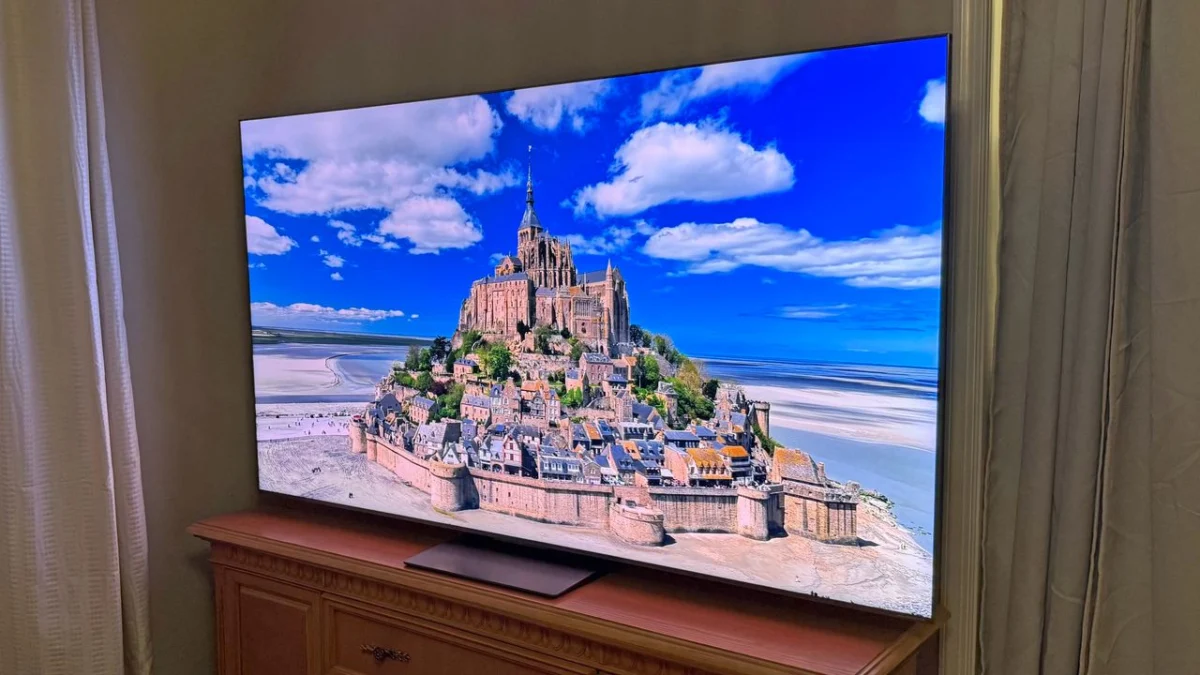
The landscape of premium home entertainment has shifted dramatically in 2026, with manufacturers pushing the boundaries of what is possible in liquid crystal displays. Standing firmly at the forefront of this evolution is the TCL QM8L, a television that manages to bridge the gap between high-end flagship performance and accessible pricing. While technically positioned as the company’s third-tier offering in its 2026 lineup—sitting just below the X11L flagship and the RM9L—the QM8L delivers an experience that challenges the dominance of more expensive, top-tier competitors.
The Core Technical Proposition: Performance Meets Engineering
At its heart, the TCL QM8L utilizes advanced SQD-Mini LED panel technology, the same foundation found in the flagship X11L. This choice of hardware allows the TV to achieve a level of luminance and contrast that was previously the sole domain of ultra-premium, high-priced sets.
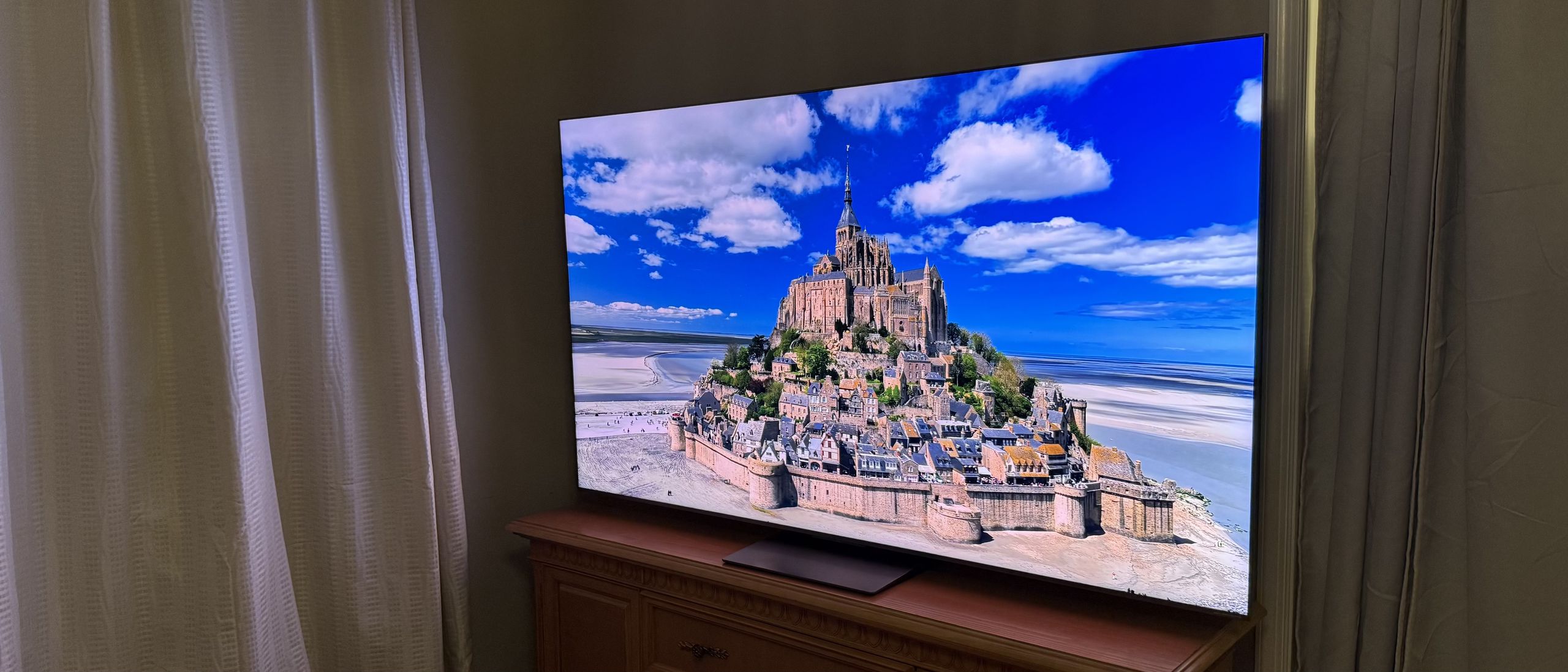
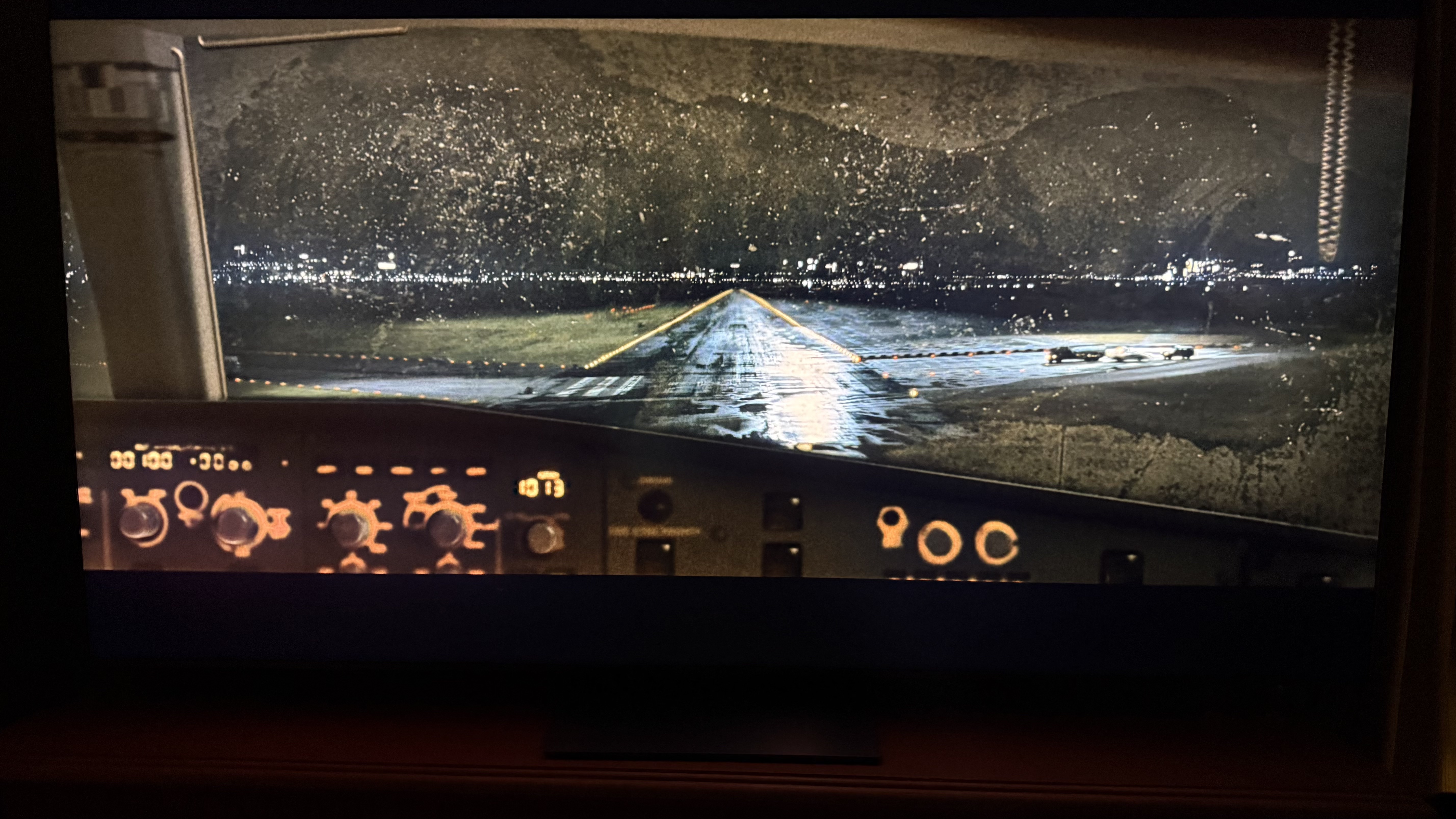
During our testing, the 75-inch model demonstrated a peak HDR brightness of 3,719 nits in a 10% window. This raw power, managed by over 2,000 individual local dimming zones, ensures that highlights pop with visceral intensity without sacrificing the integrity of dark, cinematic scenes. The "Enhanced Halo Control System," powered by 26-bit backlight controllers, effectively mitigates the blooming effect that often plagues lesser mini-LED displays, allowing the TV to maintain sharp, distinct outlines against deep black backgrounds.
A Chronology of the TCL QM8L’s Market Arrival
The journey of the QM8L from the showroom floor to the living room was marked by significant anticipation. First unveiled during the industry-defining CES 2026 showcase, the display generated buzz for its aggressive pricing strategy and hardware specifications.
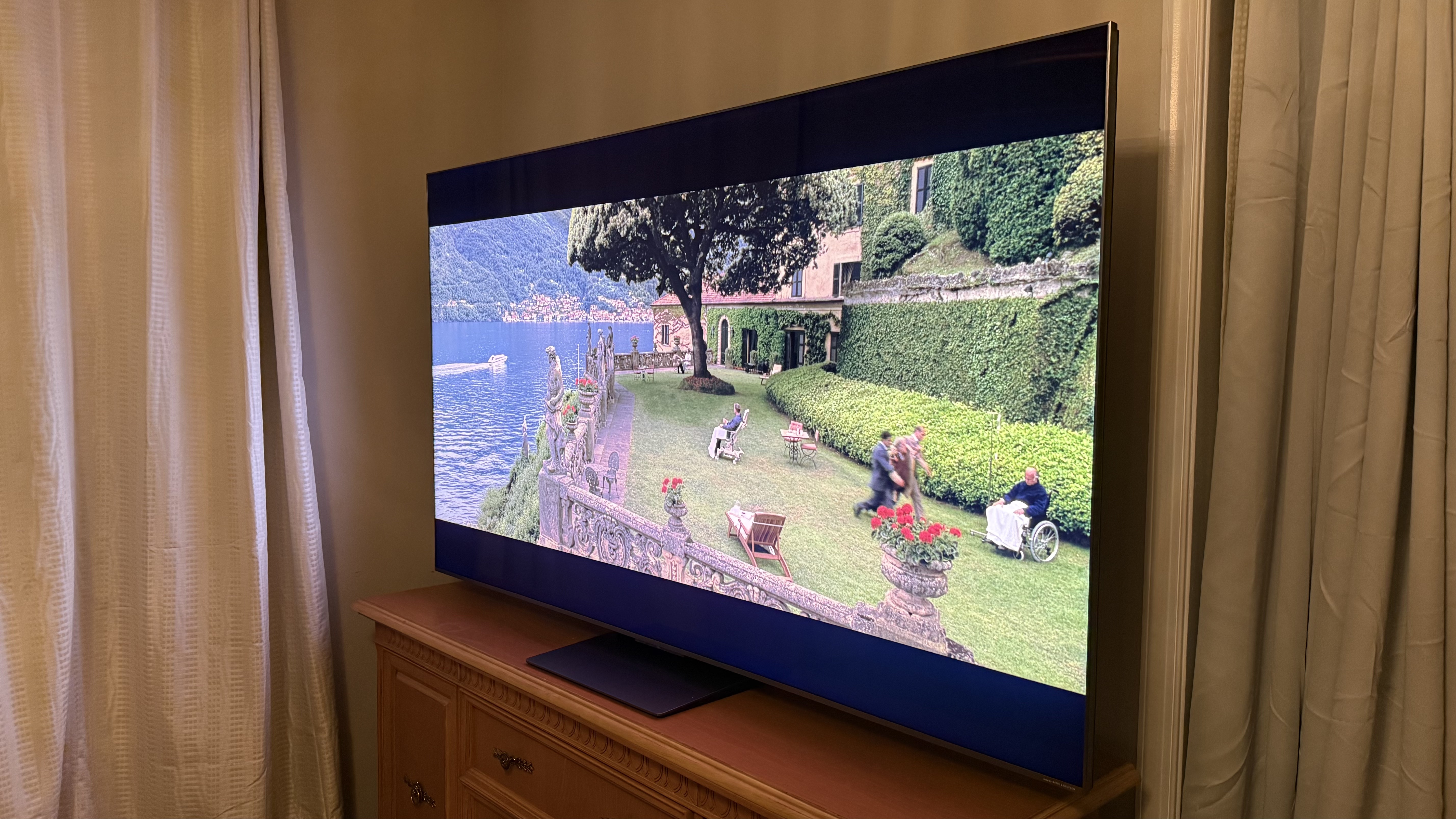
Following its initial debut, the TV officially hit the consumer market in April 2026. Since its launch, the model has undergone the typical price volatility associated with TCL’s retail strategy. Starting at a premium price point of $1,999.99 for the 65-inch variant, the set has already seen meaningful price adjustments in the weeks following its release, reinforcing TCL’s commitment to providing "bang for your buck" in a market often dominated by prohibitively expensive OLED options.
Supporting Data and Laboratory Findings
Our evaluation process, conducted in partnership with Future Publishing’s dedicated TV testing lab, utilized industry-standard equipment, including the Klein K-10A colorimeter and Jeti 15VA spectroradiometer. These measurements provide a clinical look at what the human eye perceives during casual viewing.
- Brightness: The QM8L is a light-cannon, reaching 760 nits in a full-screen HDR 100% window, making it exceptionally well-suited for bright, sun-drenched living rooms where other TVs might struggle with glare.
- Color Accuracy: While TCL touts 100% BT.2020 color coverage, our lab results measured 90%. While this discrepancy exists, the DCI-P3 coverage remains a stellar 98%, placing the QM8L in the same league as elite OLED competitors.
- Color Fidelity: In Filmmaker Mode, the TV achieved a Delta E score of 3.7. While this is respectable, it falls just outside our ideal "below 3" threshold for perfect accuracy. Conversely, the Standard mode measured at 9.9, suggesting that users seeking the most accurate, director-intended image should stick to calibrated picture modes rather than relying on out-of-the-box settings.
Smart Integration: The Promise and Pitfalls of Google Gemini
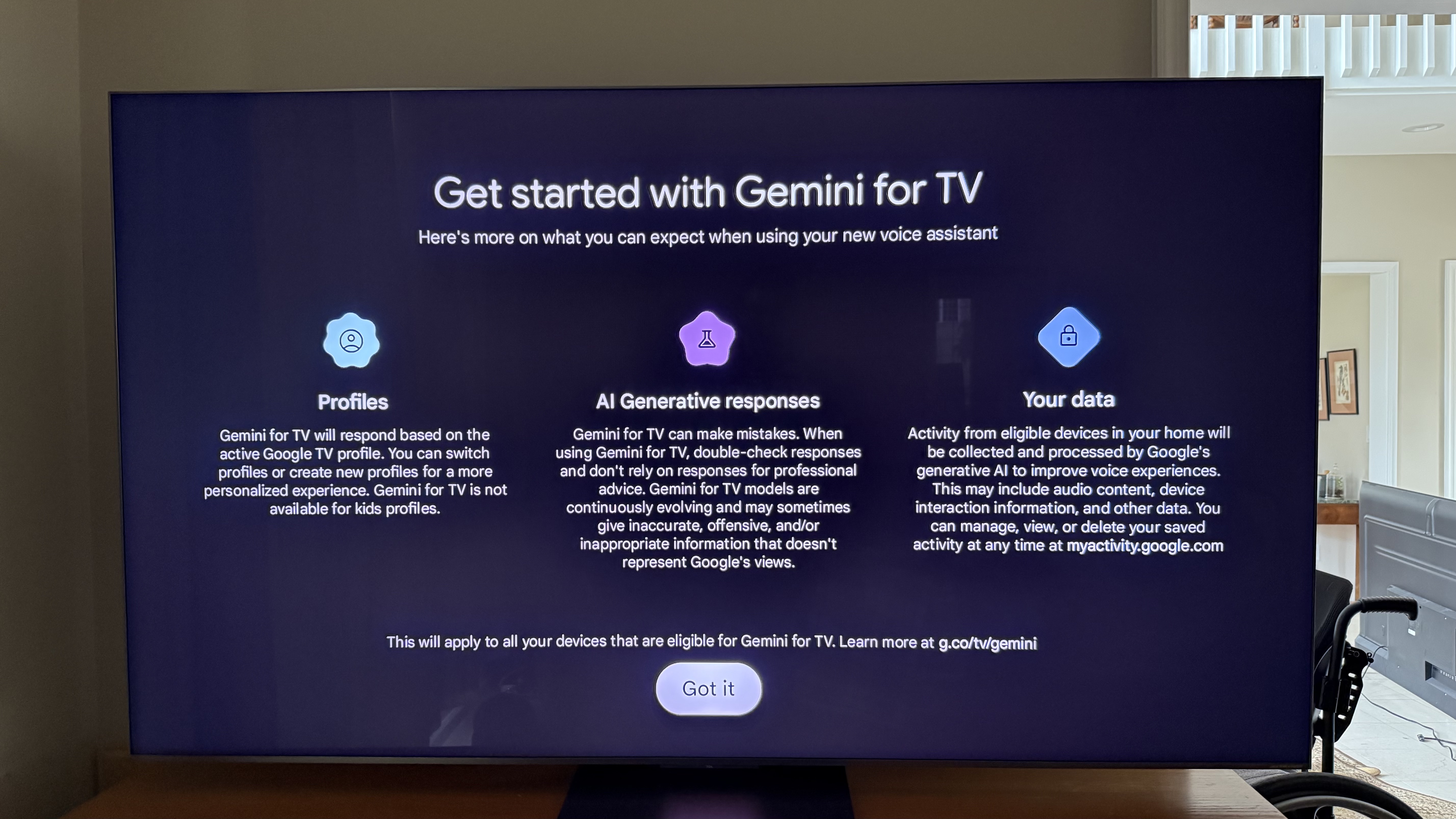
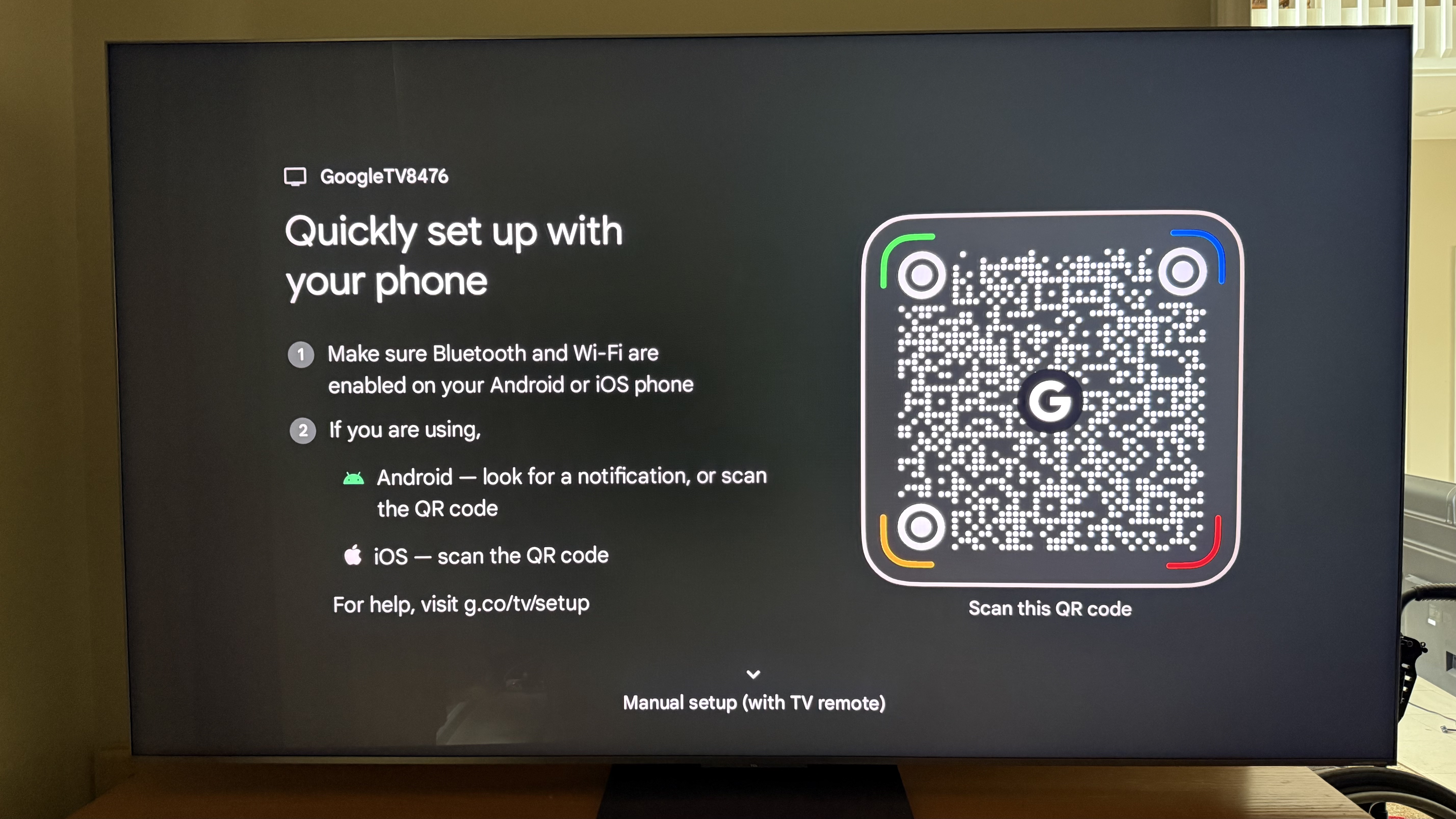
One of the most notable features of the 2026 TCL range is the deep integration of Google Gemini. The TV uses its AI-powered voice assistant to facilitate a more conversational, hands-free experience. During our testing, the responsiveness was stellar; the "Hey Google" command triggered the set instantly, even when the TV was powered down.
However, as with many early implementations of generative AI, the results were occasionally inconsistent. While simple queries regarding weather or sports scores were handled with aplomb, more complex requests occasionally led to erratic behavior. For instance, when searching for streaming availability for specific classic films, the AI sometimes struggled to distinguish between different versions or provided incorrect platform data. Despite these minor hiccups, the ability to control the television and query information through natural language represents a significant step forward in user interface design.
Gaming Performance: A New Standard for Mid-Range Displays
For the modern gamer, the QM8L is an easy recommendation. With four full-bandwidth HDMI 2.1 ports, the TV supports 4K gaming at 144Hz, with the added capability of pushing 288Hz at 1080p resolution. The inclusion of the "Game Bar" menu allows users to toggle essential features like an FPS counter, Aim Assist, and Game Accelerator 288 on the fly. With an input latency of just 9.5ms, the responsiveness is near-instantaneous, ensuring that the TV never becomes the limiting factor in fast-paced competitive titles.
Implications for the Home Theater Enthusiast
The QM8L forces a conversation about the necessity of dedicated audio equipment. Equipped with a sound system branded by Bang & Olufsen, the TV delivers a surprisingly robust audio profile. The mid-range frequencies are full and clear, providing excellent dialogue intelligibility, while the high-end provides a "sparkly" clarity that enhances musical scores.
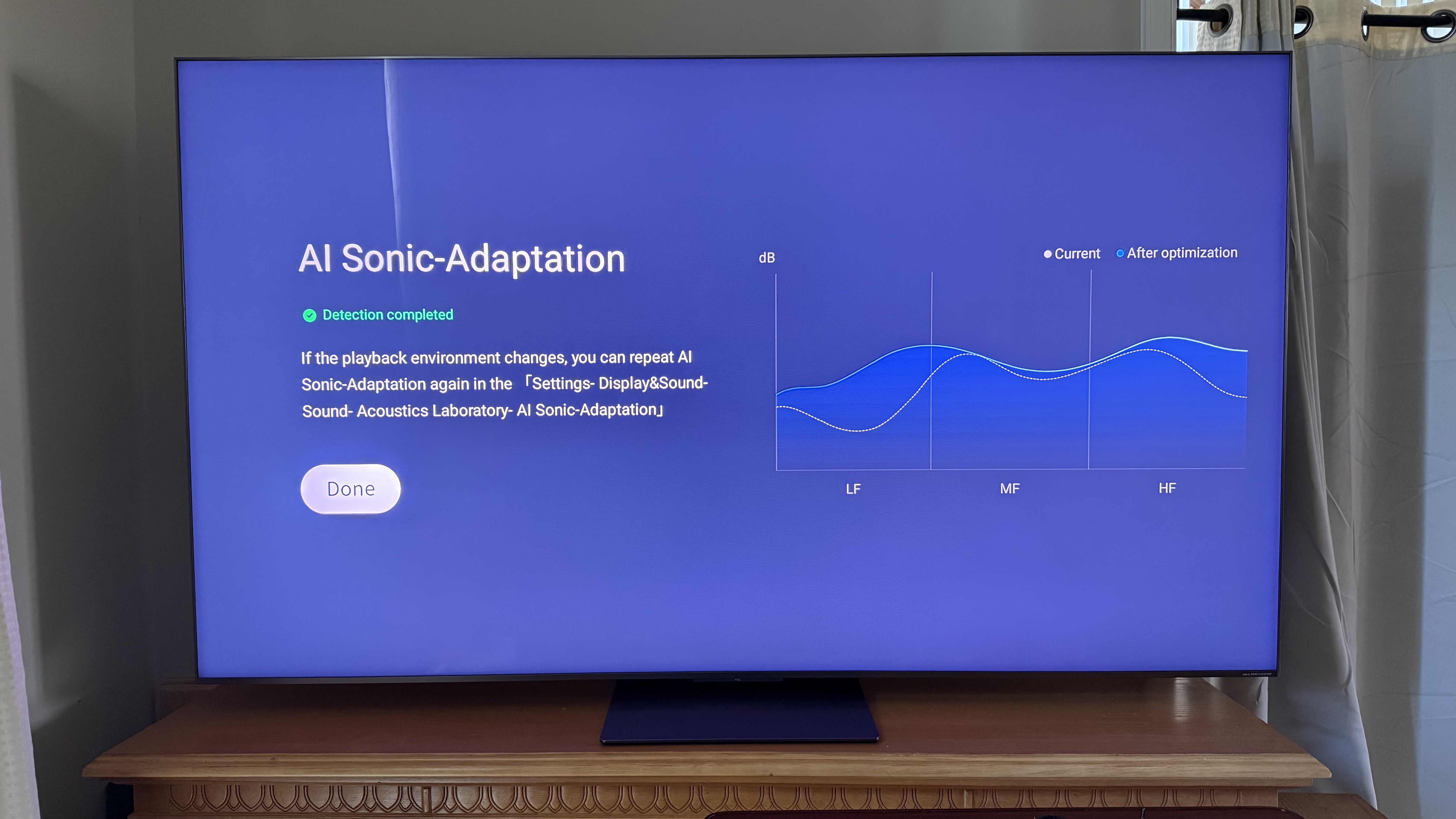
While the integrated woofers cannot compete with a dedicated subwoofer for deep-end rumble, the TV offers spatial audio features and AI sonic adaptation that adjust the EQ based on room acoustics. For the average viewer, this setup is more than sufficient, allowing users to bypass the need for an additional soundbar—a rare feat for modern, slim-panel TVs.
Conclusion: Is the QM8L Right for You?
The TCL QM8L is a triumph of engineering that prioritizes the viewing experience above all else. Its ability to handle extreme brightness while maintaining nuanced contrast makes it a standout choice for those with challenging lighting conditions. While it may not be the most color-accurate display straight out of the box, its performance in Filmmaker Mode and its superior gaming specifications make it one of the most compelling TVs of 2026.
Buy it if:
- You prioritize high brightness and HDR punch.
- You are a gamer seeking high refresh rates and low latency.
- You want a premium experience without the "flagship tax."
Don’t buy it if:
- You require perfect, out-of-the-box color accuracy in every picture mode.
- You are looking for the absolute lowest entry price, as there are budget-focused alternatives available.
In summary, the TCL QM8L is a testament to how far mini-LED technology has come. It delivers a flagship-tier experience that, for most households, is not just "good enough"—it is truly exceptional.












No comments yet. Be the first to join the conversation!