

The literary world is once again abuzz as the 11th annual Self-Published Fantasy Blog-Off (SPFBO 11) officially commences its evaluation phase. As a cornerstone of the indie publishing community, this competition serves as a critical bridge between hidden gems of the fantasy genre and a wider, hungry audience. With 300 initial entries whittled down to manageable cohorts, the judging panel—a diverse collective of seasoned reviewers—has begun the arduous process of separating the contenders from the field.
The Mission and the Methodology
The SPFBO exists to provide a platform for self-published authors who often operate without the marketing machinery of traditional publishing houses. The philosophy of the competition is simple yet rigorous: each participating blog, including the team at Fantasy Faction, is assigned a batch of 30 titles. These books are evaluated not by a rigid, standardized rubric, but through the subjective lens of seasoned readers who value voice, pacing, world-building, and character development.
The process is inherently iterative. Judges do not rank the books from "worst to best." Instead, they cycle through the selection in groups of five. This "First Five to Fall" approach allows the panel to provide immediate, constructive feedback while maintaining the momentum of the contest. As the team notes, reading is inherently subjective; a title that falls short for one group of judges may well be the next breakout hit for a different reader.
Chronology of the First Five: Analysis and Critiques
The following entries represent the first group to exit the competition. While these titles did not advance to the semi-finalist stage, their inclusion in the SPFBO underscores the vast range of sub-genres currently occupying the self-published space.

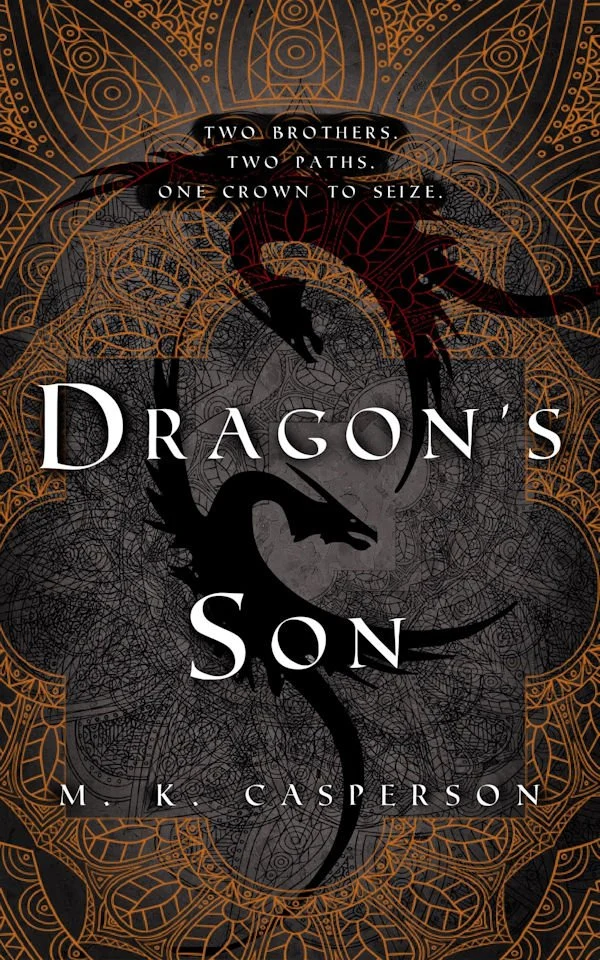
1. Adamant in Dust (Far Stone Cycle #1) by Willamette Sutta
Adamant in Dust introduces readers to a world of political maneuvering, prophecy, and magical relics. The narrative follows Pergi, a princess navigating the constraints of a patriarchal throne and a prophecy that mandates a marriage of love. When her sister, the chosen bride, disappears, the narrative shifts into a high-stakes quest to recover the Far Stones of Power.
Verdict: The judges acknowledged the clear ambition behind Sutta’s world-building, particularly noting the inclusion of a standout wyvern character. However, the manuscript struggled with pacing. The consensus among the panel was that the prose felt overly familiar—a common pitfall in high fantasy that relies heavily on established tropes without adding a subversive twist. For readers seeking traditional, clean fantasy, this remains a viable option, but it ultimately lacked the "sharp edges" required to advance in a competitive field.
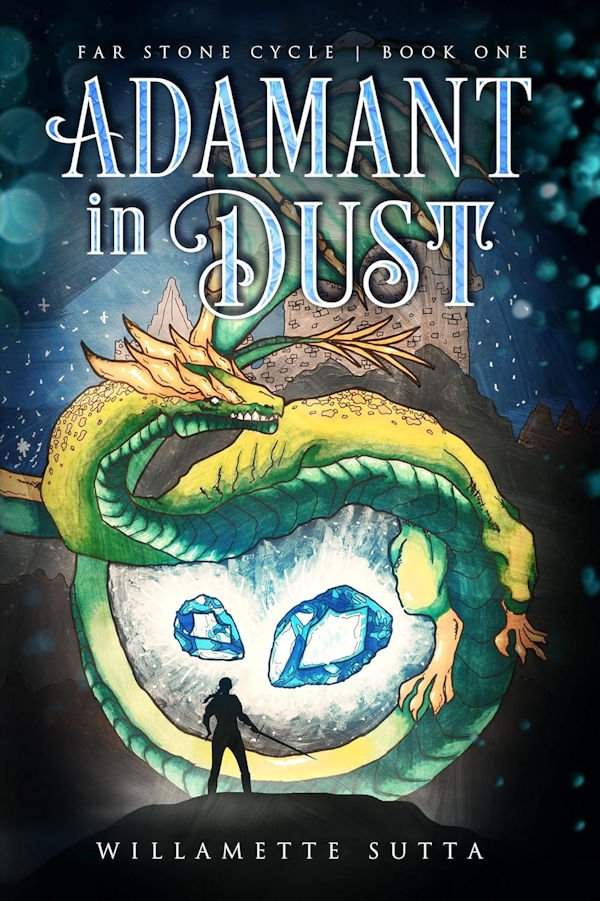
2. Arche (Project Tartarus #1) by Erebus Esprit
Moving into the realm of LitRPG, Arche presents a protagonist thrust into a dangerous, subterranean world with no memory and a mysterious system of levels. The story explores the "why" behind the protagonist’s existence and the entities observing his progress.
Verdict: LitRPG is a polarizing sub-genre, and Arche proved divisive. While the judges praised the underlying story potential and the intriguing hook, the execution was hampered by an over-reliance on technical exposition. Heavy "stat blocks" and dense mechanical explanations disrupted the narrative flow, making it difficult for the judges to remain immersed. While the book may satisfy "crunchy" LitRPG enthusiasts, it failed to achieve the narrative balance necessary to survive this round.
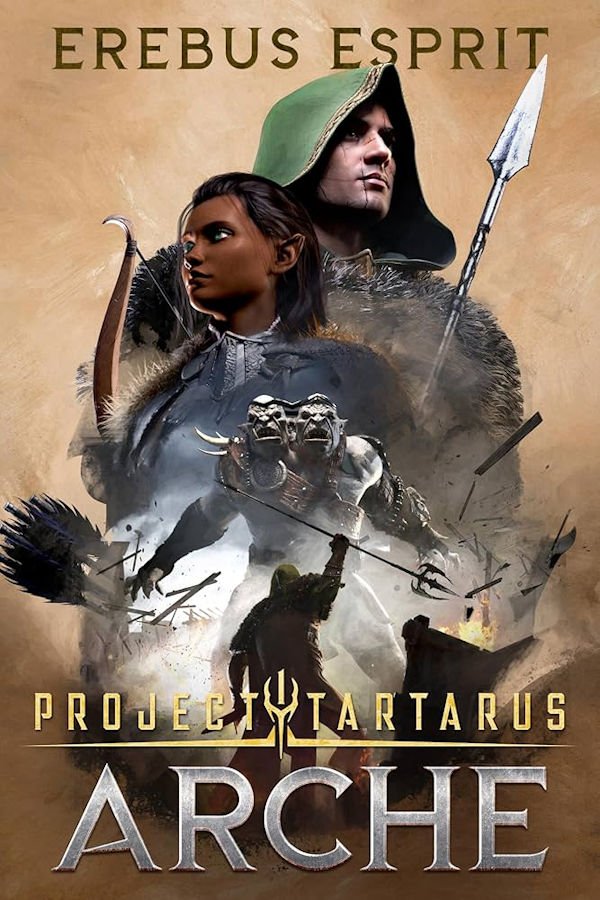
3. Dragon’s Son by M. K. Casperson
This entry leans into court intrigue and the allure of dragon-centric fantasy. The story follows Alexis Comnenus, a prince of the Beotian Empire, and his young bride, Princess Amarea. The tension stems from the discovery of Alexis’s true, monstrous heritage and the subsequent political fallout.
Verdict: The panel lauded the fast-paced nature of the writing and the crisp, short chapters. However, this speed proved to be a double-edged sword. The judges felt the narrative frequently relied on "telling" rather than "showing," which hindered emotional resonance. Furthermore, a significant point of contention was the age of the protagonist; starting the book with a twelve-year-old child bride created an immediate barrier to engagement. Even with the presence of dragons—a perennial favorite at Fantasy Faction—the structural and thematic concerns led to its early exit.
4. Home For Retired Supervillains (Criminal Cove #1) by SF Sowter
Perhaps the most conceptually unique entry in this cohort, Home For Retired Supervillains explores a retirement community for former world-dominators in the year 2035. The story uses a multimedia approach, incorporating interviews and classified documents to tell the tale of Doc Shock and his peers.
Verdict: The premise generated significant excitement among the judges. Unfortunately, the execution failed to bridge the gap between concept and reality. The narrative pace was criticized as sluggish, burdened by an excess of detail. More importantly, the tone—which leaned into abrasive humor and graphic, shock-forward content—failed to land. Despite the team’s general appreciation for grimdark elements, the characterization did not cultivate the necessary empathy to sustain interest.
5. The Waking of Storm and Flame (The Fates of Aten #1) by N. A. Betts
A debut epic fantasy, this novel focuses on Alira Verbrandt, a princess who discovers her divine lineage as a "Fate" while her homeland faces an existential threat from the Illyrian Empire.
Verdict: The prose style was identified as a clear strength, showcasing the author’s potential. However, the novel suffered from a lack of narrative direction in its opening chapters. The heavy burden of world-building often seen in epic fantasy debuts weighed down the pacing, leaving the judges struggling to identify the story’s core focus. It was a "near miss," where the quality of writing was evident, but the structural execution fell short of the competition’s high bar.
Supporting Data and Panel Composition
The judging panel for SPFBO 11 is comprised of 14 dedicated readers, each bringing specific tastes and critical methodologies to the table. The judges include:
- Adawia Asad
- Eva Geraghty
- Evelyn Grimald ("E.G." Stone)
- Julia Kitvaria Sarene
- Karen Lucia
- Kerry Smith
- Kit Caelsto
- Maureen Neuman
- Robert Max Freeman
- Sara Rosevear
- Sherry Cammer
- Stacey Markle
- Tianna Twyman
- Yaniv Rosenfeld Cohen
This collective expertise ensures that every book receives a comprehensive, if subjective, evaluation. The competition remains transparent, with all 300 entries listed on Mark Lawrence’s official website, allowing fans to track the progress of their favorite titles throughout the duration of the contest.
Official Responses and Industry Implications
The SPFBO has become a bellwether for the health and direction of indie fantasy. By providing these public evaluations, the contest forces a dialogue between authors and readers. While the "First Five to Fall" news may be difficult for the respective authors, it is a testament to the sheer volume of high-quality content entering the market.
Authors who find themselves eliminated are encouraged to view the feedback as a snapshot of a specific set of readers’ experiences, not as a definitive judgment on the quality of their craft. Many authors use this data to refine their future works or marketing strategies.
Looking Ahead
With 25 books remaining in Fantasy Faction’s specific cohort, the competition is only intensifying. The judges are now moving on to the next set of titles, searching for the "sharp edges," unique voices, and compelling narratives that will ultimately define the semi-finalist list.
As the contest progresses, the focus will shift toward more in-depth reviews of the survivors. For the readers following along, the journey has only just begun. The beauty of the SPFBO lies in the promise that, among the remaining 25, there is likely a masterpiece waiting to be discovered.

For further information on the contest, or to follow the progress of the remaining 300 entries, readers are encouraged to visit the official SPFBO website. Queries regarding the Fantasy Faction judging process can be directed to the editor, Jennie Ivins, via their official social media channels on Bluesky or Threads.











No comments yet. Be the first to join the conversation!