

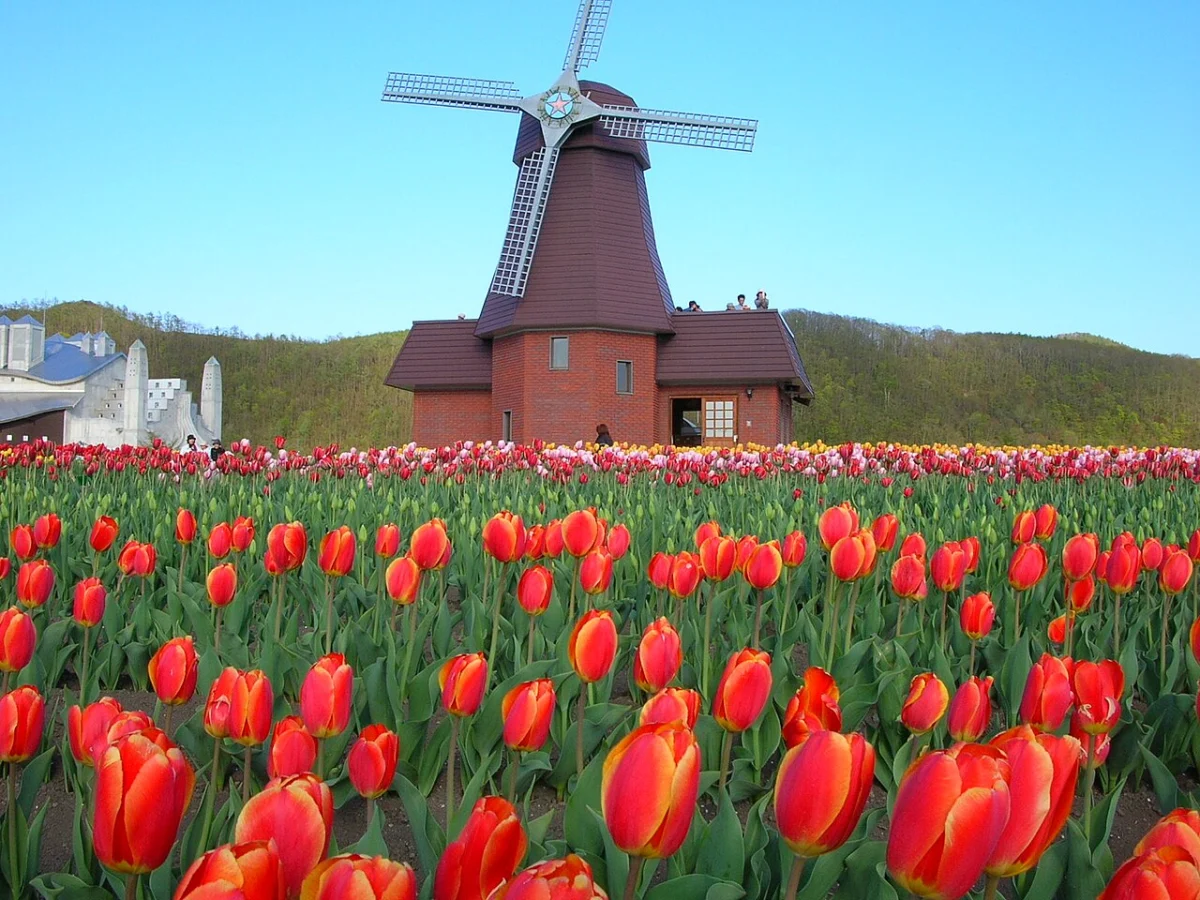
In the quiet, windswept plains of north-central Hokkaido, where the rugged beauty of the Okhotsk coast meets the horizon, a remarkable transformation occurs every May. For a few fleeting weeks, the town of Yubetsu sheds its stoic agricultural skin to become the host of the Kamiyubetsu Tulip Park, a site that stands as one of Japan’s most significant and visually arresting horticultural displays. With 700,000 tulips blooming in 200 distinct varieties across seven hectares of meticulously curated land, the park is not merely a garden—it is a testament to post-war agricultural innovation and a cornerstone of regional tourism.
Main Facts: The Anatomy of a Horticultural Marvel
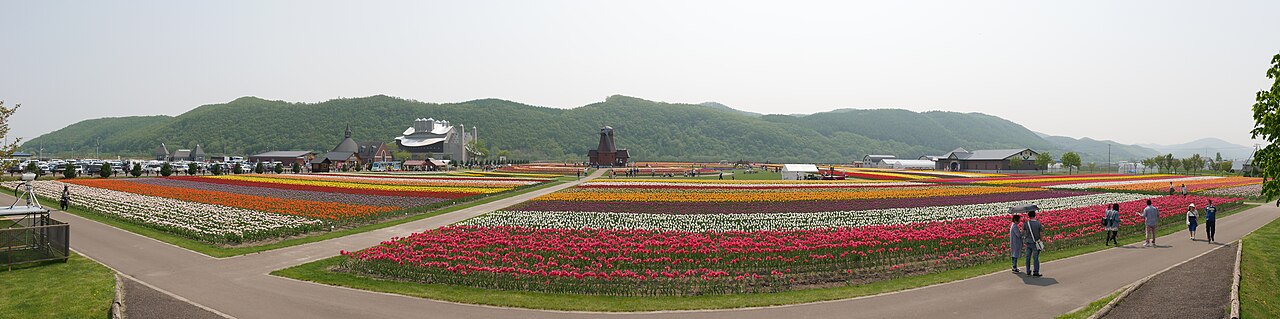
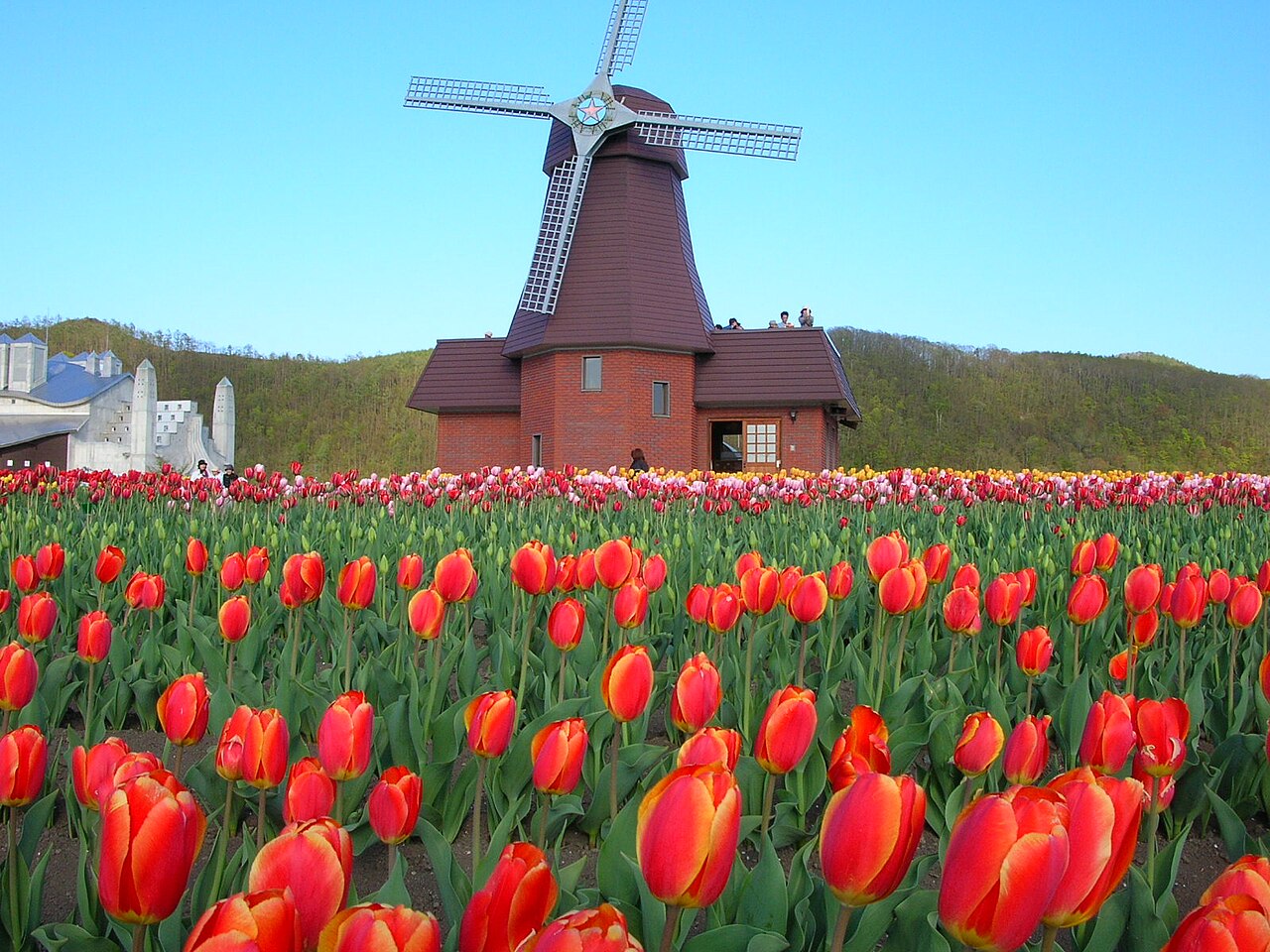
The Kamiyubetsu Tulip Park is, by any metric, a powerhouse of floral tourism. Spanning a 12.5-hectare footprint, the park utilizes seven hectares exclusively for its tulip beds. These beds are not random; they are designed in striking geometric ribbons of color—vibrant reds, deep purples, sunny yellows, and pristine whites—that cascade across a gentle, east-facing slope.
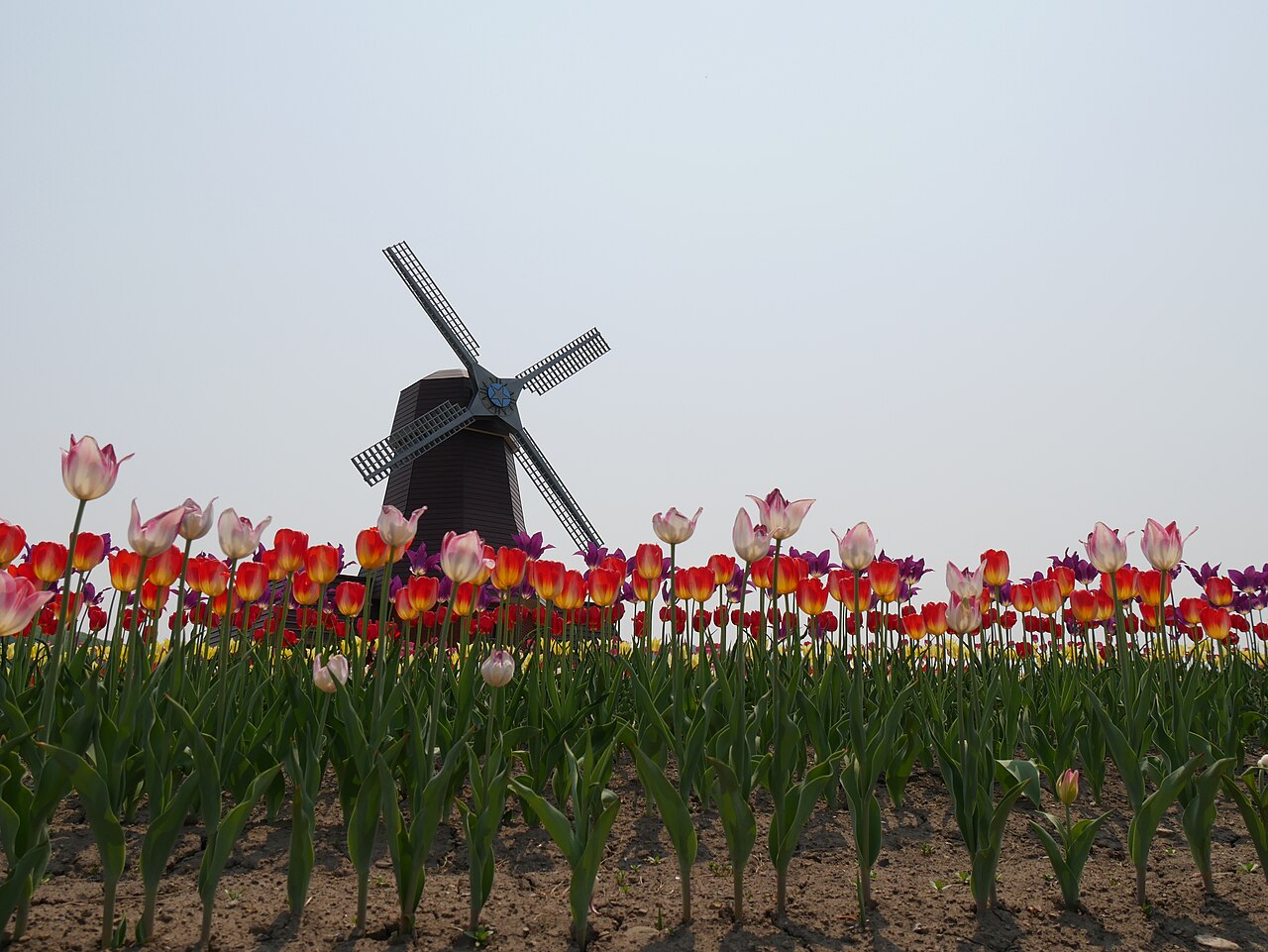
The park’s design is a living, breathing work of art, with the layout rotating on a three-year cycle. This ensures that returning visitors are greeted by a fresh visual composition every time they visit. At the apex of the hill stands a five-storey, authentic Dutch-style windmill, serving as both a thematic anchor and an essential observation deck. From this vantage point, the chaotic beauty of the individual flowers resolves into a perfectly ordered, kaleidoscopic tapestry.
For those less inclined to wander the paths on foot, the park offers the Hana Densha (Flower Car), an electric tram that winds through the fields, providing an accessible way to experience the vastness of the display. Additionally, the park features a “dig-your-own” program in the final weeks of the festival, allowing visitors to purchase and excavate their own live tulip bulbs—a rare opportunity to bring a piece of Yubetsu’s horticultural expertise home.
Chronology: From Post-War Recovery to Tourism Icon
The history of the Kamiyubetsu Tulip Park is deeply intertwined with the economic evolution of Hokkaido. In the early 1950s, Japan was in the throes of post-war recovery. In Yubetsu, the local agricultural cooperative (JA) sought to diversify the town’s economy, which was then almost entirely reliant on the cultivation of potatoes and sugar beets.
The introduction of tulips was a bold, experimental agricultural project. By importing bulbs directly from the Netherlands—the global gold standard for tulip cultivation—the cooperative aimed to train local farmers in specialized floriculture. The initiative was a success, and in 1957, the town held its first public tulip festival.
For decades, the project served as a source of local pride and an agricultural demonstration. However, in 1989, the Yubetsu municipal government recognized that the display held immense potential as a tourism asset. The park was expanded, formal infrastructure was added, and it was transitioned from a purely agricultural experiment into the professional, visitor-facing park that exists today. Since that pivot, the park has matured into a major regional attraction, regularly drawing upwards of 100,000 visitors during the peak month of May.
Supporting Data: The Science of the Bloom
The park’s success is not accidental; it is the result of rigorous horticultural planning. The head gardener of Kamiyubetsu manages a complex schedule of planting depths and varieties to ensure a “wave” of color that moves across the field throughout the season.
The 200 cultivars present are categorized into several distinct groups, each with its own blooming profile:
- Early Bloomers: Typically simple, goblet-shaped varieties that provide the first splash of saturated color.
- Triumph and Darwin Hybrids: The mid-season workhorses that provide the structural backbone of the park’s color bands.
- Parrot and Lily-Flowered Varieties: The high-drama, late-season bloomers that often feature intricate, fringed petals and occupy the higher terraces of the slope.
The park’s strategy of importing rare Dutch heritage cultivars—such as the elusive Blue Parrot or the sophisticated Queen of Sheba—sets it apart from the more common, mass-market tulip displays found in theme parks elsewhere in Japan. For botanists and hobbyists, the site provides a rare chance to study the genetic diversity of the genus Tulipa in a singular, expansive environment.
Official Responses and Strategic Management
The administration of the park is handled by the Yubetsu municipal tourism board, which operates with a focus on sustainable, seasonal engagement. Because the park is a living organism, the municipal board treats it as a time-sensitive asset.
"The festival is our primary vehicle for regional economic stimulation," says a spokesperson from the Yubetsu tourism office. "While the park is only open for about a month, the work happens year-round. Our coordination with the Tulip no Yu onsen and the surrounding infrastructure ensures that the influx of visitors benefits not just the park, but the town’s restaurants, transport providers, and local retailers."
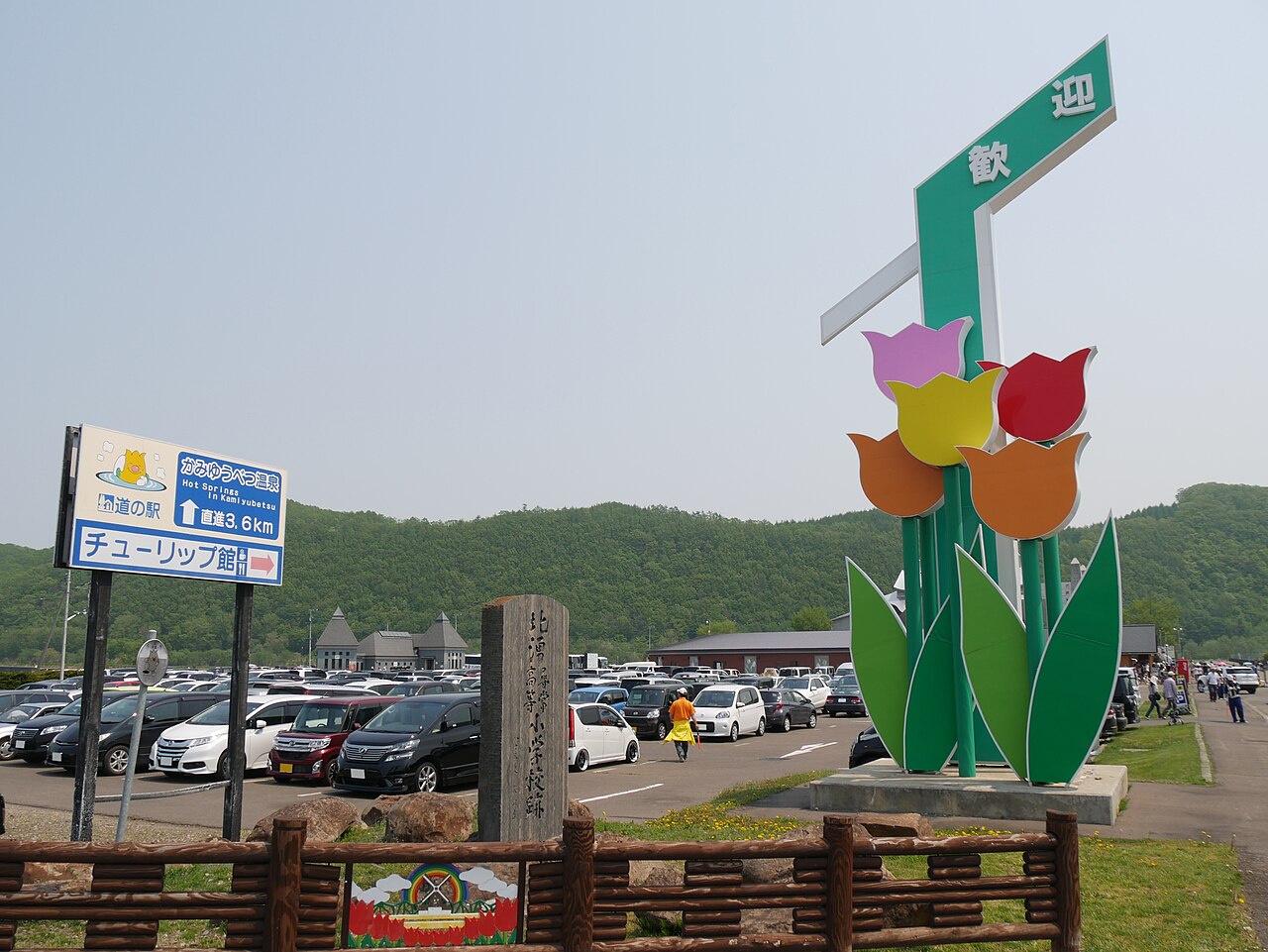
The management of the Tulip no Yu roadside station is a critical component of this strategy. By keeping this facility open year-round, the town provides a consistent touchpoint for travelers, ensuring that even if visitors arrive outside the narrow window of the tulip bloom, they have a reason to stop in Yubetsu for a meal, a bath, or local produce. This "anchor" strategy helps mitigate the risks of seasonal dependency that plague many rural tourism sites.
Implications: The Future of Rural Tourism
The Kamiyubetsu Tulip Park serves as a compelling case study for rural Japanese towns struggling with population decline and the search for sustainable revenue streams. By successfully branding a niche agricultural practice as a premier tourism destination, Yubetsu has carved out a unique identity on the map of eastern Hokkaido.
However, the park’s isolation presents ongoing logistical challenges. Located in one of the more remote corners of the island, the park requires a concerted effort to reach. For the casual traveler, the five-hour trek from Sapporo is a significant commitment. Yet, for the "pilgrim" traveler—the photographer, the gardener, or the enthusiast—this remoteness is an asset. It creates a sense of exclusivity and ensures that the park remains a tranquil, contemplative space rather than a congested tourist trap.
The implications for other rural municipalities are clear: authenticity is the most valuable commodity in the modern travel industry. Yubetsu did not try to replicate a massive, artificial theme park like Huis Ten Bosch; instead, it leaned into its history as an agricultural hub, creating a product that is grounded in local labor, expertise, and a genuine, specialized passion for botany.
Planning Your Visit: A Summary for the Discerning Traveler
For those considering a visit, timing is everything. Peak bloom generally occurs between May 15 and May 25, though seasonal climate variations can shift this by a week in either direction.
Logistical Tips for Success:
- Transportation: While a shuttle bus runs from Asahikawa during the festival, renting a car remains the superior option, allowing for the freedom to explore nearby attractions like the Takinoue Shibazakura Park or the dramatic shores of Lake Saroma.
- The "Double-Header": For the most efficient trip, coordinate your visit with the Takinoue moss pink field. The two parks align their festival schedules, allowing travelers to experience two of Hokkaido’s premier spring displays within a single weekend.
- The "Dig-Your-Own" Opportunity: If you plan to visit toward the end of May, ensure you allocate time for the bulb-digging event. It is the most interactive aspect of the festival and offers a rare opportunity to acquire high-quality Dutch bulbs that are not typically found in standard commercial garden centers.
Ultimately, the Kamiyubetsu Tulip Park is more than a display of flowers. It is an enduring example of how a community can transform its own identity through dedication to the land. Whether you are a professional photographer seeking the perfect shot of a fringed tulip at dawn, or a traveler looking to experience the quiet, seasonal heartbeat of rural Hokkaido, Kamiyubetsu offers a rare, immersive experience that resonates long after the last petal has fallen.












No comments yet. Be the first to join the conversation!