A celebrity shopping excursion gone wrong has spiraled into a digital firestorm, pitting a household name against a niche Brooklyn boutique. What began as a simple desire to purchase a mechanical bird has escalated into a public relations standoff, raising questions about class, customer service, the power of celebrity influence, and the fragility of small businesses in the age of viral social media outrage.
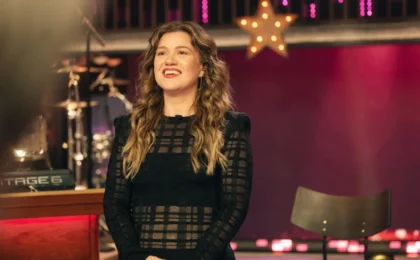
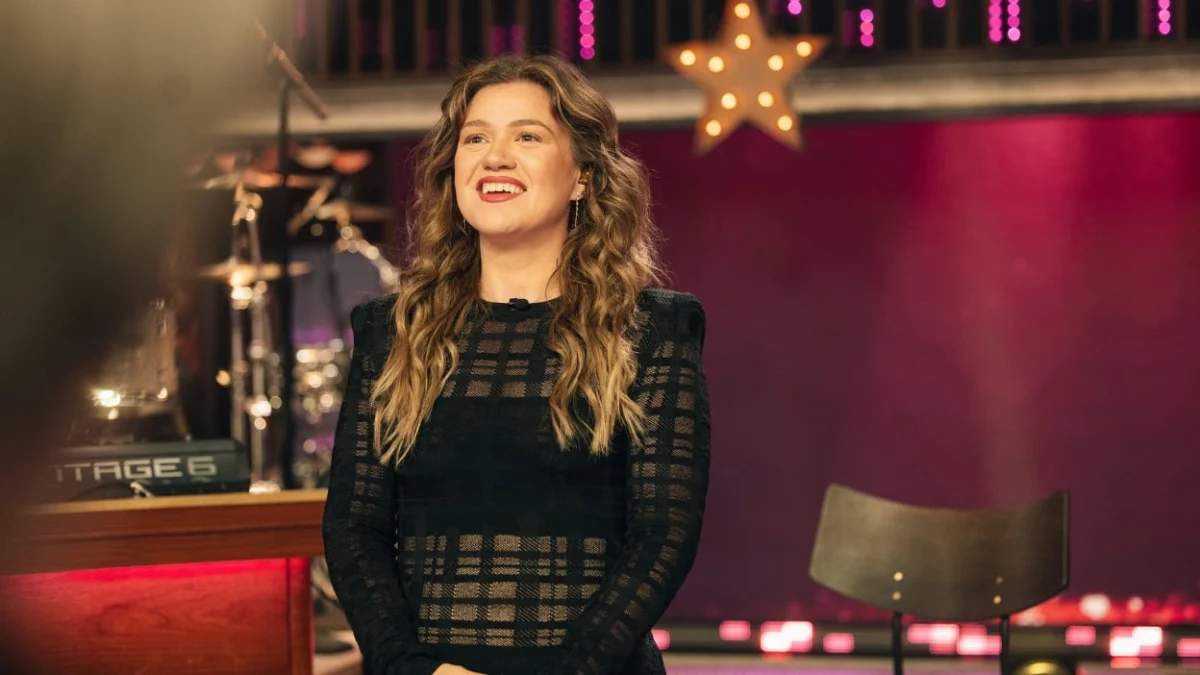
At the center of the dispute is Kelly Clarkson, the beloved singer and television personality, and Art of Play, a quirky, high-end Brooklyn Heights retailer known for its eclectic collection of games, puzzles, and curiosities. The controversy, which unfolded in mid-October 2026, has left the internet sharply divided: is this a case of a star being treated with classist disdain, or a celebrity using her massive platform to unfairly bully a local business?
The Spark: A "Pretty Woman" Moment in Brooklyn
The conflict erupted on October 10, 2026, when Clarkson took to X (formerly Twitter) to vent about an unpleasant experience at the boutique. According to the Grammy winner, she had traveled to the shop with specific items in mind, only to be met with a cold, condescending reception.
"Just drove all the way to Brooklyn to check out this store I thought looked really rad and had a few things in mind to buy and literally was looked at as if I couldn’t afford it and was told he could find something comparable for me," Clarkson wrote. In a stinging comparison, she likened the interaction to the iconic scene from the film Pretty Woman, where sales clerks refuse to assist Julia Roberts’ character because they judge her appearance. "Wow, dude. You’re an idiot and just lost a huge sale," she concluded, explicitly naming Art of Play as the culprit.
The Chronology of a Public Spat
The timeline of the feud suggests a rapid escalation, characterized by dueling narratives and a lack of initial resolution.
- October 10: Clarkson posts her initial complaint on X, alleging she was treated with condescension and implying the staff doubted her purchasing power.
- October 11: Art of Play issues an official response via Instagram, providing context for the interaction. They clarify that the object of Clarkson’s desire—a singing, dancing mechanical bird named "Molly"—was a permanent fixture of their magic display and not for sale.
- October 11 (Late): Clarkson fires back on X with a photo of a $15,000 price tag she claims was attached to the "Singing Bird." She labels the shop’s previous explanation a lie and reiterates that the employee had looked her up and down in a derogatory manner.
- October 12: The internet erupts. Supporters of Clarkson applaud her for calling out elitist service, while detractors argue that she is leveraging her fame to target a small, independent business, potentially causing long-term damage to their reputation.
The Disputed Object: Why the Confusion?
The heart of the confusion lies in the provenance of the mechanical birds. According to the store’s follow-up statement, "Molly" is indeed a centerpiece of their shop’s magic shows and is permanently mounted to the wall. However, the store clarified that they had offered to put Clarkson in touch with the creator, Seattle-based artist Bliss Kolb, who owns a nearly identical version that could be commissioned for $15,000.
Furthermore, the store claimed they attempted to pivot the conversation toward a different, available mechanical bird crafted by a German clockmaker, priced at $2,000. The store maintains that Clarkson left before this alternative could be properly presented. Clarkson’s counter-argument, backed by her photo of the $15,000 tag, suggests that the in-store communication was either handled poorly or that the price tag itself created an implication of availability that the staff failed to manage with grace.

Official Responses and Public Reaction
The public reaction has been as polarized as it is intense. The comment sections on both Clarkson’s social media and Art of Play’s Instagram have become battlegrounds.
The "Pro-Clarkson" Perspective
Fans of the singer argue that her celebrity status shouldn’t preclude her from being treated with basic human decency. "Anyone who knows Kelly knows she is the most humble person in the industry," one supporter noted on Facebook. "If she’s complaining, it’s because she was treated truly poorly. Why should a small business get a pass for being rude?"
The "Pro-Small Business" Perspective
Conversely, critics of Clarkson’s approach argue that she wields too much influence to call out a small store by name. "She has millions of followers," wrote one critic on Yelp. "By naming them, she is essentially inviting a digital mob to harass them. Even if she was offended, this is a gross misuse of power against a small, independent shop."
Business Insider and other outlets noted that the shop saw a surge of negative reviews immediately following the incident, though many were flagged or removed for not representing legitimate customer experiences. The store’s own statement reflected the surreal nature of the backlash: "Imagine our surprise when our small local business was suddenly attacked by 8 million people who have never visited our store."
Broader Implications: Celebrity, Influence, and Accountability
This incident highlights a growing tension in the digital age: the intersection of personal grievance and the "cancel culture" phenomenon.
The Erosion of Privacy and Professionalism
When a celebrity has a bad day at a store, the stakes are vastly different than when a private citizen does. A private citizen might leave a one-star review on Google; a celebrity can command a global narrative within minutes. This shift in power dynamics forces businesses into a defensive posture, where a single misunderstood conversation can lead to a PR crisis.
The Responsibility of the Influencer
The case also reignites debates about the responsibilities of public figures. Critics point out that Clarkson, who has recently faced backlash for her public comments regarding AI, is currently navigating a sensitive period in her career. Following the conclusion of The Kelly Clarkson Show’s seven-season run in August 2026, the star is transitioning into a new phase of her life, prioritizing her children and her role as a coach on The Voice. Some observers suggest that the heightened scrutiny she is currently under makes her more prone to impulsive social media reactions.

The Value of "Kindness"
At the core of the argument is a simple, if subjective, metric: kindness. Both parties are claiming the moral high ground. Clarkson insists that "it’s not that hard to be kind," while the shop insists that they were simply explaining the limitations of their inventory. The disconnect suggests a failure in retail soft skills—the ability to tell a customer "no" without making them feel "less than."
A Path to Reconciliation?
As of mid-October, the conflict remains officially unresolved, though the shop has stated they have reached out to Clarkson directly. By attempting to move the conversation from the public square to a private channel, Art of Play is clearly hoping to de-escalate the situation.
"We really do wish her the best and hope that someday we can all laugh about this misunderstanding," the shop’s statement concluded. Whether Clarkson will accept this olive branch or if the "feud" will persist remains to be seen.
For now, the story serves as a cautionary tale for both high-profile individuals and local retailers. For celebrities, it is a reminder that a tweet is never "just a tweet" when it has a platform of millions behind it. For small business owners, it is a stark illustration of how quickly a local misunderstanding can turn into a global headline.
In the end, the $15,000 bird remains on the wall in Brooklyn, and the internet, as it often does, continues to argue over a story that perhaps never needed to be told in public at all.