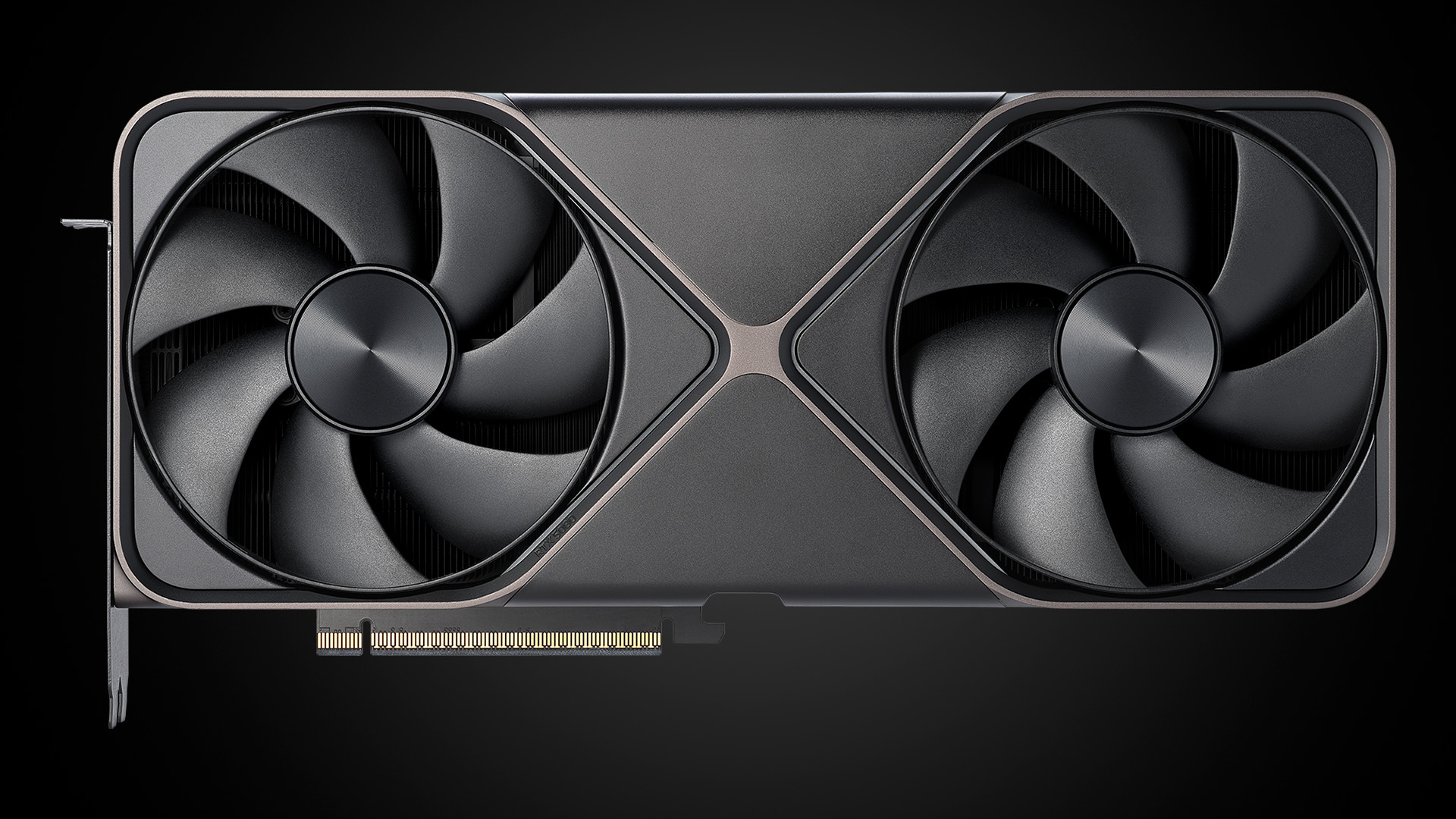
The landscape of PC gaming and artificial intelligence computation is bracing for a tectonic shift. As Nvidia prepares to launch its next-generation "Blackwell" architecture, the industry’s focus has sharpened on the GeForce RTX 5080. Positioned as the high-end champion of the upcoming lineup, the card is expected to bridge the gap between enthusiast-grade gaming performance and the professional-tier computational power required for modern AI workloads.
While Nvidia has remained tight-lipped regarding specific technical specifications, the collective insights from industry analysts, supply chain leaks, and architectural roadmaps suggest that the RTX 5080 will represent one of the most significant generational leaps in the company’s history.
The Main Facts: What We Know About Blackwell
The RTX 50-series, codenamed "Blackwell" in honor of mathematician David Blackwell, follows the highly successful "Ada Lovelace" architecture that powered the RTX 40-series. The central promise of the Blackwell architecture is a fundamental re-engineering of how GPUs handle ray tracing, path tracing, and—most importantly—generative AI tasks.
Unlike previous iterations that focused primarily on rasterization improvements, the RTX 5080 is expected to leverage a significantly more advanced fabrication process, likely utilizing TSMC’s 3nm node. This transition is critical; it allows for higher transistor density, improved power efficiency, and higher clock speeds, all while managing the thermal output of a card that is rumored to be pushing the limits of modern cooling solutions.
Key anticipated features include:
- GDDR7 Memory: The transition to the new GDDR7 memory standard is perhaps the most critical hardware change. This will offer substantially higher bandwidth compared to the GDDR6X found on the RTX 4080, effectively removing memory bottlenecks in 4K and 8K gaming scenarios.
- Next-Gen Tensor Cores: Expect a massive uplift in AI performance, specifically targeting DLSS 4.0 (or its equivalent iteration) and enhanced support for local Large Language Model (LLM) inference.
- DisplayPort 2.1 Support: After significant consumer feedback, Nvidia is expected to finally adopt the DisplayPort 2.1 standard, supporting higher refresh rates at 4K and 8K resolutions.
Chronology of Speculation and Development
The narrative of the RTX 5080 did not begin in a vacuum. It is the culmination of years of R&D following the massive surge in GPU demand catalyzed by the AI boom.
Phase 1: The Foundation (2022–2023)
Shortly after the launch of the RTX 4090, rumors began to circulate regarding the successor. By early 2023, industry analysts noted that Nvidia was shifting its internal focus toward the "Blackwell" project. This period saw the first mentions of a move away from the current 4nm process toward a more efficient 3nm architecture.
Phase 2: The Leak Cycle (Early to Mid-2024)
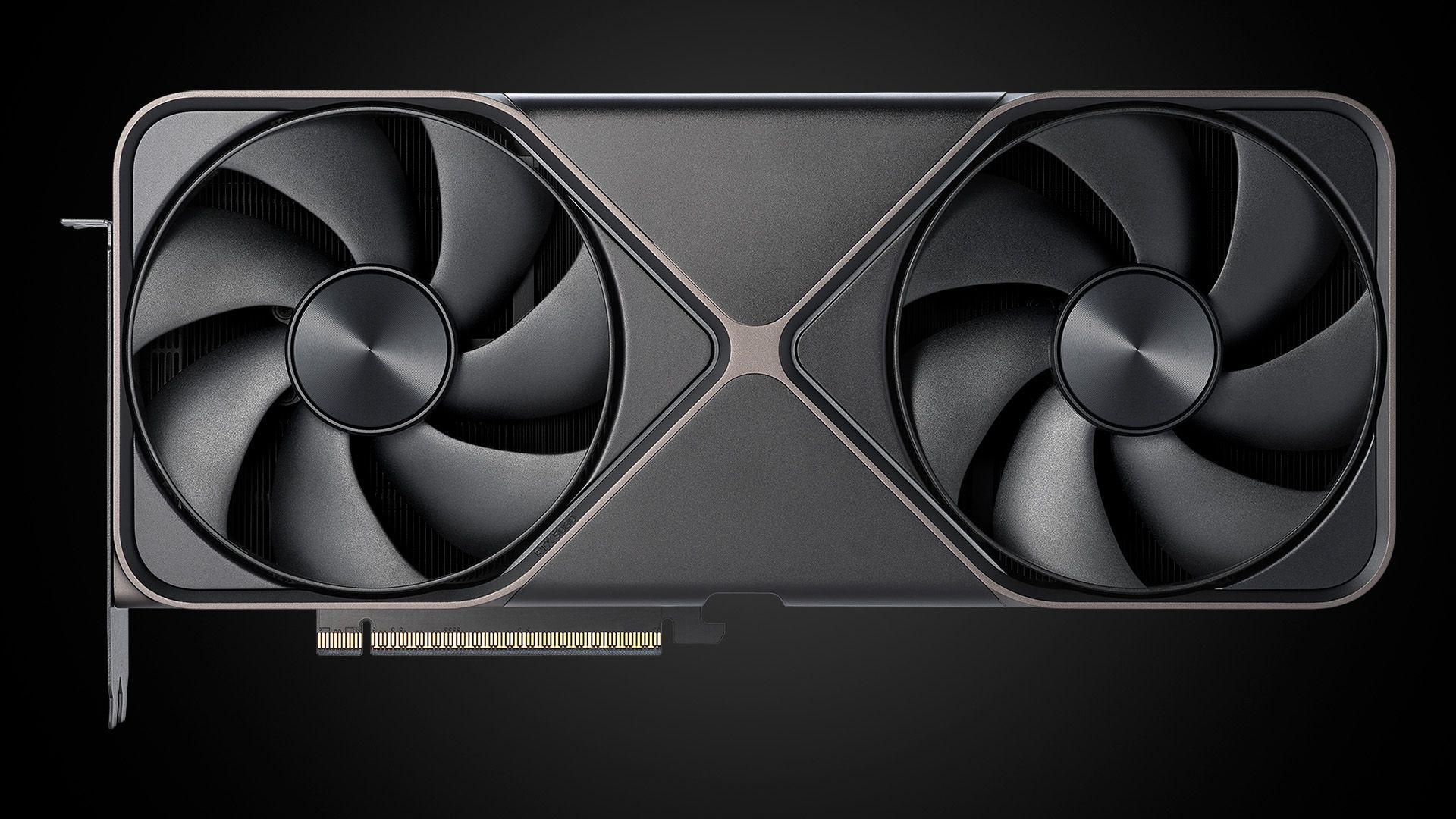
Throughout 2024, leaks from manufacturing partners in the Far East began to solidify. Reports surfaced regarding the potential physical footprint of the cards, with many suggesting that Nvidia would continue to utilize a dual-slot and triple-slot design philosophy but with redesigned thermal dissipation systems. The "Blackwell" codename became official in Nvidia’s own investor presentations, confirming the company’s dual focus on Data Center and Consumer graphics.
Phase 3: Pre-Launch Anticipation (Late 2024–Present)
As we approach the anticipated late 2024 or early 2025 launch window, the industry has shifted from wondering if the card will exist to debating the exact performance delta between the RTX 4080 Super and the new 5080. Current trends indicate a focus on "frame generation" and "AI-driven upscaling" as the primary selling points for the new generation.
Supporting Data: Why the 5080 Matters
To understand the significance of the RTX 5080, one must look at the performance plateau reached by the 40-series. While the 4080 is a formidable card, the massive memory bandwidth requirements of modern, path-traced titles like Cyberpunk 2077 have pushed the limits of the existing 256-bit memory bus.
The Bandwidth Bottleneck
The current RTX 4080 Super utilizes 16GB of GDDR6X memory. While sufficient for most modern gaming, it struggles at ultra-high resolutions when ray tracing is maxed out. Industry data suggests that the RTX 5080 will likely utilize a wider memory bus or, at the very least, much faster memory modules (GDDR7), which could provide a 50% to 70% increase in effective bandwidth.
AI Inference Capabilities
Modern gaming is no longer just about rasterization; it is about reconstruction. The data shows that the "Tensor Core" performance on Blackwell is slated for a massive overhaul. As developers incorporate more AI-driven physics and NPCs into games, the raw compute power required to manage these systems will rely heavily on the dedicated AI hardware within the 5080.
Official Responses and Corporate Strategy
Nvidia’s official stance remains cautious. Jensen Huang, CEO of Nvidia, has frequently alluded to the fact that "the era of generative AI is just beginning," and that the consumer graphics lineup will be deeply integrated into this mission.
In recent investor calls, Nvidia executives emphasized the "halo effect" of their high-end cards. The RTX 5080 serves as a critical strategic asset: it must be powerful enough to entice RTX 30-series owners to upgrade, while remaining distinct enough from the flagship (the rumored RTX 5090) to maintain a compelling price-to-performance ratio.
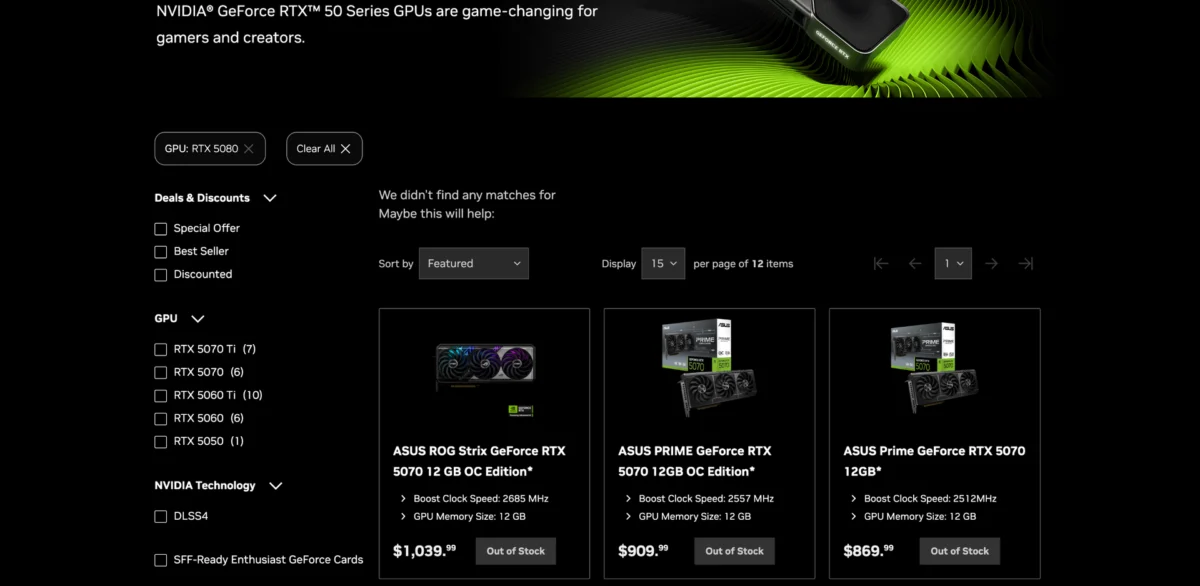
While no pricing has been confirmed, market analysts suggest Nvidia will attempt to maintain its premium pricing strategy, citing the increased cost of 3nm fabrication and the massive investment in R&D for Blackwell. There is, however, pressure from competitors like AMD and Intel, which may force Nvidia to offer a more competitive performance-per-dollar value proposition than they did at the launch of the RTX 40-series.
Implications: A New Standard for Computing
The release of the RTX 5080 will have ramifications far beyond the gaming industry.
For PC Enthusiasts
For the gamer, the 5080 represents the gateway to truly immersive 4K gaming at high refresh rates without the need for aggressive upscaling. If the architectural leaks are accurate, the 5080 will be the first "affordable" card to handle native 4K path tracing at consistent frame rates.
For AI and Content Creators
The implication for local AI is perhaps the most profound. As users seek to run LLMs (like Llama 3 or Mistral) locally on their own hardware to ensure privacy and data control, the VRAM and memory bandwidth of the RTX 5080 will become the new benchmark. A card that can handle complex AI models locally will turn high-end gaming PCs into legitimate "AI workstations."
For the Market
The launch will also trigger a massive secondary market shift. As enthusiasts move to the 50-series, the influx of used RTX 30 and 40-series cards will likely drive down prices in the mid-range market, effectively democratizing high-performance gaming for a wider demographic.
Conclusion: The Horizon
The Nvidia GeForce RTX 5080 is more than just a graphics card; it is a declaration of intent. It signals that Nvidia views the future of computing as an AI-first environment where the lines between gaming, productivity, and machine learning are permanently blurred.
As we await the official unveiling, the hardware community remains in a state of heightened anticipation. Whether the 5080 delivers a modest refinement or a revolutionary leap will depend on how effectively Nvidia has integrated its Blackwell innovations into a consumer-friendly package. One thing is certain: when the RTX 5080 hits the shelves, the baseline for what a high-end graphics card can achieve will be redefined once again.
For continued coverage on the GeForce RTX 50-series, stay tuned to Tom’s Hardware, where we will provide comprehensive benchmarking and thermal analysis as soon as the hardware becomes available.