

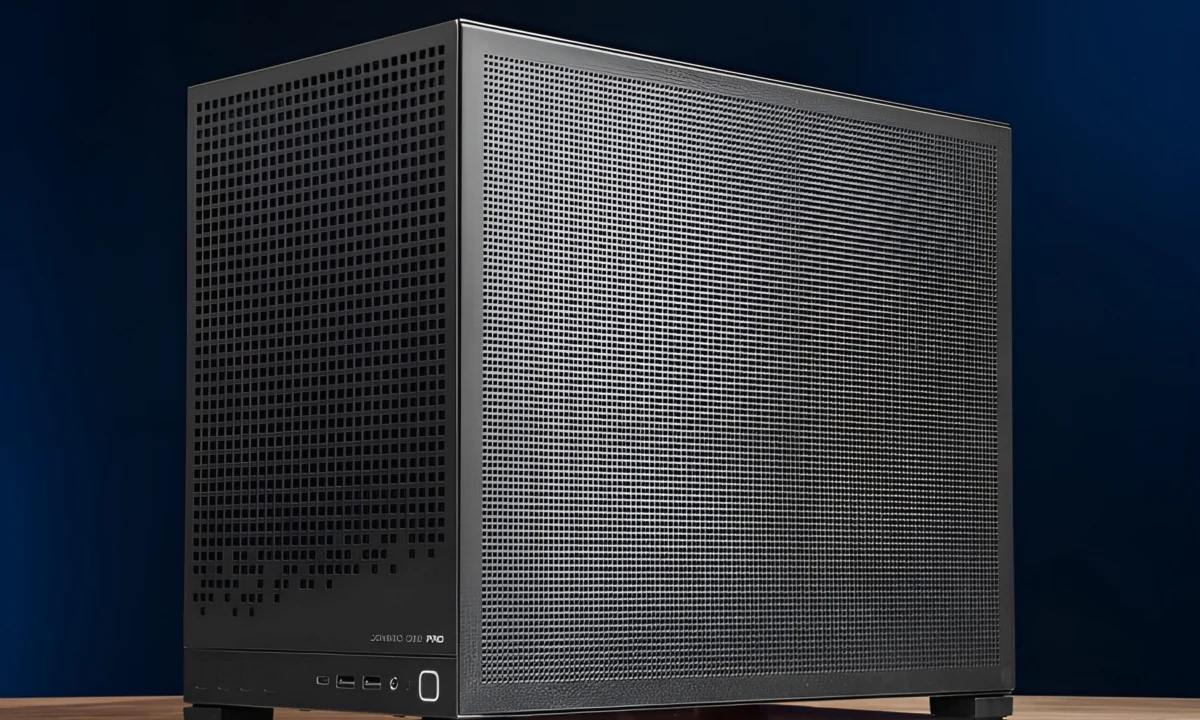
Valve’s vision of a living-room-centric gaming experience, once relegated to the experimental fringes of the mid-2010s, has found new life. With the success of the Steam Deck, Valve has effectively validated the "Steam Machine" concept—a dedicated gaming platform powered by SteamOS. While Valve continues to iterate on its own hardware, the ecosystem is already expanding beyond official channels.
Enter the "Steamroller" from MetaPC, a $1,299 prebuilt gaming desktop that arrives with SteamOS pre-installed, signaling a shift in how the industry views the intersection of open-source software and high-performance hardware.
The Core Specs: Conventional Power, Unconventional OS
Unlike Valve’s proprietary, ultra-compact Steam Machine hardware, which utilizes custom-engineered enclosures and specialized components to achieve its form factor, the MetaPC Steamroller embraces a more pragmatic, modular approach. It is a desktop PC in the truest sense—built with standard, off-the-shelf parts that offer a legitimate upgrade path for users who prefer longevity over proprietary constraints.
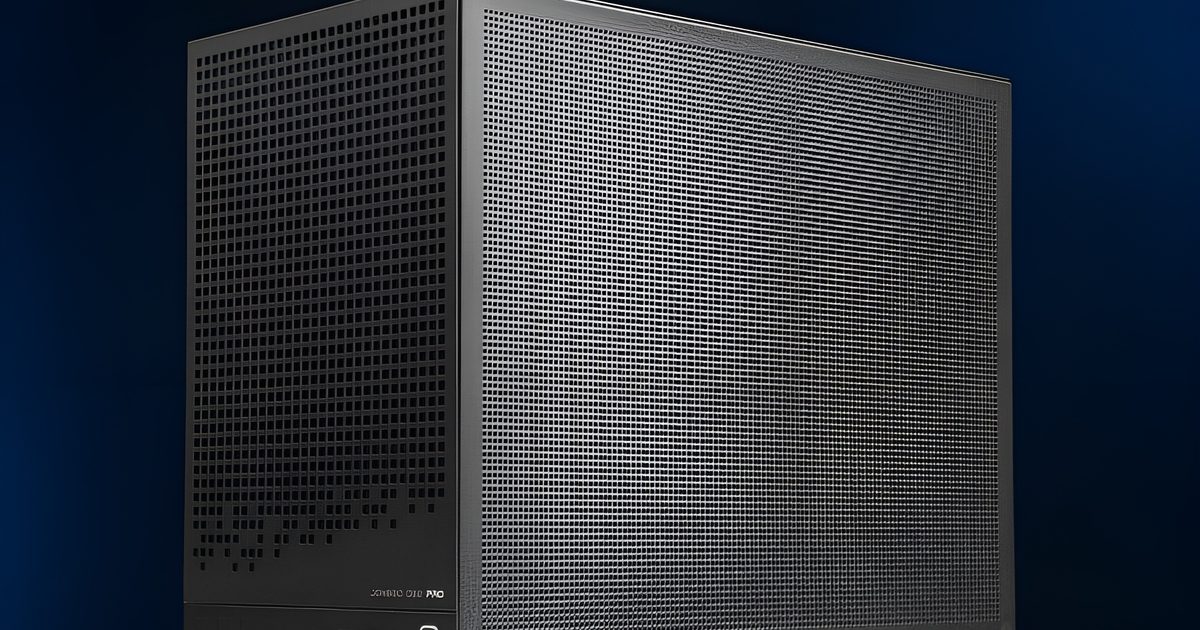
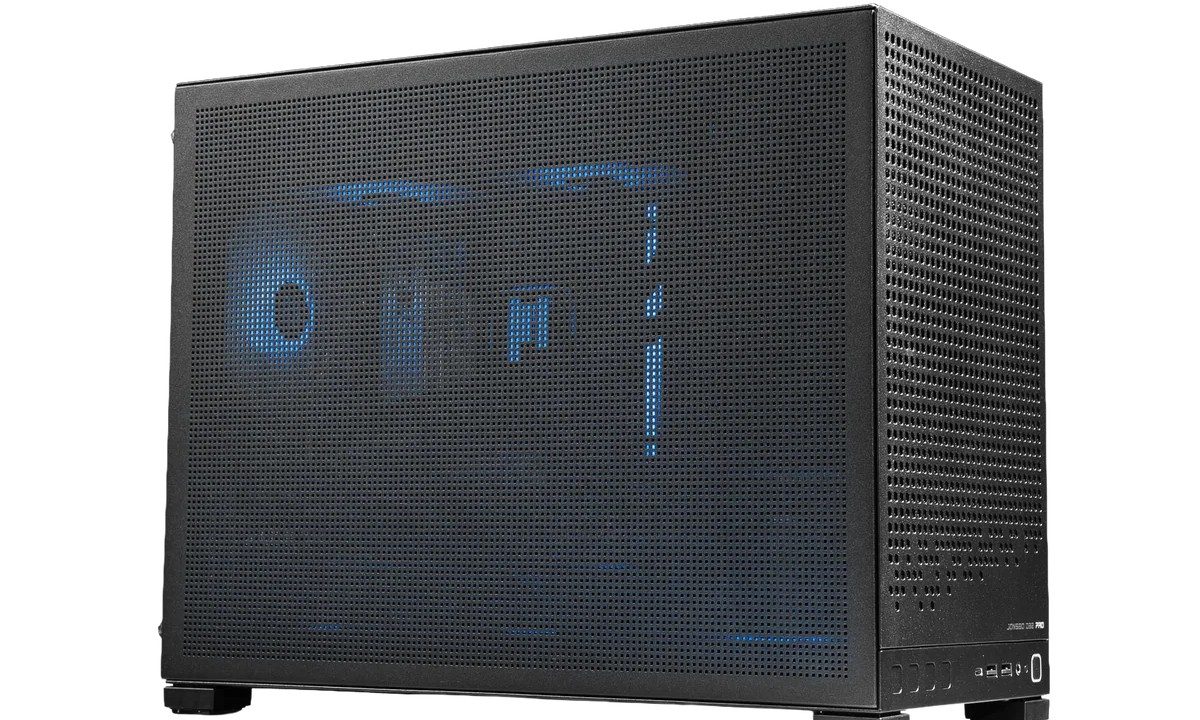
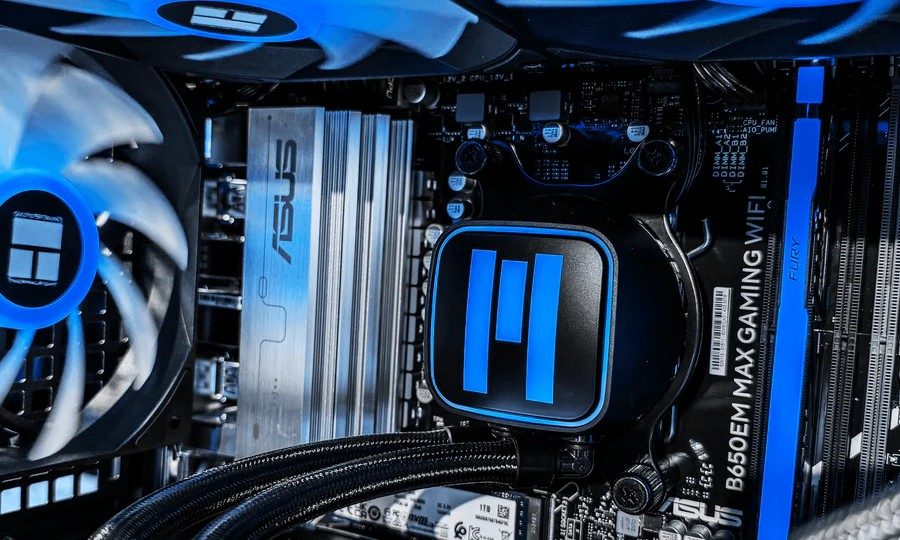
Under the hood, the Steamroller is powered by an AMD Ryzen 5 9600X processor paired with an AMD Radeon RX 7600 graphics card. This configuration is supported by 16GB of DDR5-5600 RAM and a 1TB NVMe SSD, all housed within the sleek, modern aesthetic of the Jonsbo D32 black chassis. The system is further bolstered by a 240mm AIO liquid cooler and a 650W 80+ Gold power supply, mounted on either a B650M or B850M Wi-Fi motherboard.
Priced at $1,299 with preorders opening on July 3, 2026, the Steamroller is not aiming for the "console-killer" label in terms of footprint; rather, it aims to be a "Steam Machine" in spirit and software. By utilizing standard desktop architecture, MetaPC is ensuring that users are not locked into a closed ecosystem, allowing for GPU swaps, RAM upgrades, and cooling maintenance that were historically difficult with the original wave of Steam Machines.
A Brief History: From the 2015 Failure to Modern Revival
To understand the significance of the Steamroller, one must look back at the original Steam Machine initiative of 2015. At the time, Valve partnered with manufacturers like Alienware, Zotac, and CyberPower to launch a series of consoles running SteamOS. Despite the excitement, the platform struggled. The hardware was often overpriced or underpowered, the Linux gaming library was sparse, and the user experience—burdened by early, unpolished software—failed to convert the average console gamer.
The subsequent "death" of the Steam Machine was widely reported, but in reality, it was a tactical retreat. Valve spent the following decade refining Proton, the compatibility layer that allows Windows-based games to run on Linux. This culminated in the 2022 release of the Steam Deck, which proved that a Linux-based gaming device could be a commercial success.
Now, in 2026, the market is seeing a second, more mature wave of SteamOS adoption. Unlike the first attempt, which was a top-down push by Valve, this current movement is organic. Manufacturers like MetaPC are recognizing that a significant portion of the PC gaming community is tired of the bloat associated with Windows and the complexities of driver management. They want a "console-like" experience—plug-and-play, controller-optimized, and streamlined—without sacrificing the performance of a desktop.
The Technological Underpinnings: Why SteamOS Matters
The primary value proposition of the Steamroller is not its hardware, but its operating system. SteamOS offers a locked-down, optimized environment that prioritizes gaming performance. By stripping away the background processes and resource-heavy overhead of a standard Windows 11 installation, SteamOS provides a more stable, consistent framerate for gamers.
Furthermore, the "Proton" factor cannot be overstated. With Valve’s aggressive development cycle, the vast majority of the top 100 games on Steam are now "Deck Verified" or at least "Playable." This means that a user buying the MetaPC Steamroller today has access to a library of tens of thousands of games that are essentially guaranteed to work without the user ever needing to touch a command line or a configuration file.
This software maturity creates a compelling argument for the Steamroller. While the internal specs are capable of high-end 1080p gaming, the real selling point is the user interface. By defaulting to the "Big Picture" mode of Steam, the system mimics the experience of a PlayStation or Xbox, allowing for a seamless transition from a desk to a living room television.
Market Implications: The Rise of the "Steam Machine Clone"
The success of the Steam Deck has inevitably led to a "gold rush" for Steam-compatible hardware. However, the market is currently experiencing a split between legitimate third-party efforts like MetaPC and a wave of questionable, low-cost alternatives.

As noted in recent reports, there is a flood of suspiciously cheap "Steam Machine clones" emerging from international markets. These listings often promise impossible specifications—such as high-end GPUs and massive SSDs—at prices that seem too good to be true. For instance, recent listings have surfaced claiming to offer systems with Ryzen 5 processors and RX 6750 GRE graphics for under $700. In reality, these are often bait-and-switch operations, featuring refurbished parts, proprietary BIOS locks, or deceptive cooling solutions that will inevitably fail under load.
This makes legitimate prebuilts like the MetaPC Steamroller critical for the health of the ecosystem. By offering a transparent spec sheet, a reputable warranty, and standard-sized components, MetaPC provides a "safe" entry point for consumers who want to embrace the SteamOS lifestyle without the risks associated with gray-market hardware.
The Economic Context: The Memory Crisis and Hardware Pricing
The timing of the Steamroller’s launch is particularly interesting when viewed against the backdrop of the global hardware market. The tech industry is currently grappling with a significant memory (RAM/NAND) crisis, with research firms predicting 40% to 50% price hikes for components throughout the remainder of 2026.
This makes the $1,299 price point of the Steamroller a potential bellwether for the industry. If MetaPC can maintain this price while memory costs continue to climb, it may indicate a strategic decision to prioritize market share over immediate margins. For the consumer, this suggests that if you are in the market for a high-performance system, waiting may not be the best strategy. The cost of components is unlikely to decrease until at least 2028, according to current supply chain projections.
Future Outlook: Is the Steam Machine Dream Finally Real?
The Steamroller is more than just a gaming PC; it is a declaration of independence from the Windows ecosystem. For years, the "PC master race" has been tethered to Microsoft’s operating system, for better or worse. MetaPC, by betting on SteamOS, is betting on a future where the platform is defined by the store, not the kernel.
The implications for this are profound. If enough manufacturers adopt SteamOS, Valve’s dependence on the Microsoft Store or Windows compatibility decreases. This could lead to a more competitive landscape where hardware manufacturers compete on cooling, build quality, and customer support rather than just who can optimize for Windows the fastest.
However, the challenge remains: can a niche desktop running a console-like OS gain mass-market appeal? The original Steam Machines failed because they were "too much" for the casual console gamer and "too little" for the enthusiast. MetaPC’s approach is a clever compromise—it’s a powerful, standard desktop that happens to run a streamlined OS. It avoids the "console-like cube" pitfalls of the past by being a modular, future-proof machine.
As we look toward the second half of 2026, the success of the MetaPC Steamroller will serve as a litmus test. If it sells well, it could trigger a wider migration of prebuilt manufacturers to Linux-based gaming environments. If it struggles, it will reinforce the notion that, for the desktop market, Windows remains the unavoidable standard.
For now, the Steamroller stands as a tangible, purchasable reality. It is a machine that bridges the gap between the DIY enthusiast and the console user, proving that Valve’s dream of a dedicated, open-source gaming platform wasn’t wrong—it was simply ahead of its time. With the backing of the Steam Deck’s success and a robust, ever-improving software stack, the "Steam Machine" is no longer a dream; it is an alternative. And for many gamers, that alternative is exactly what they have been waiting for.











