By Michael Bürgi | July 6, 2026
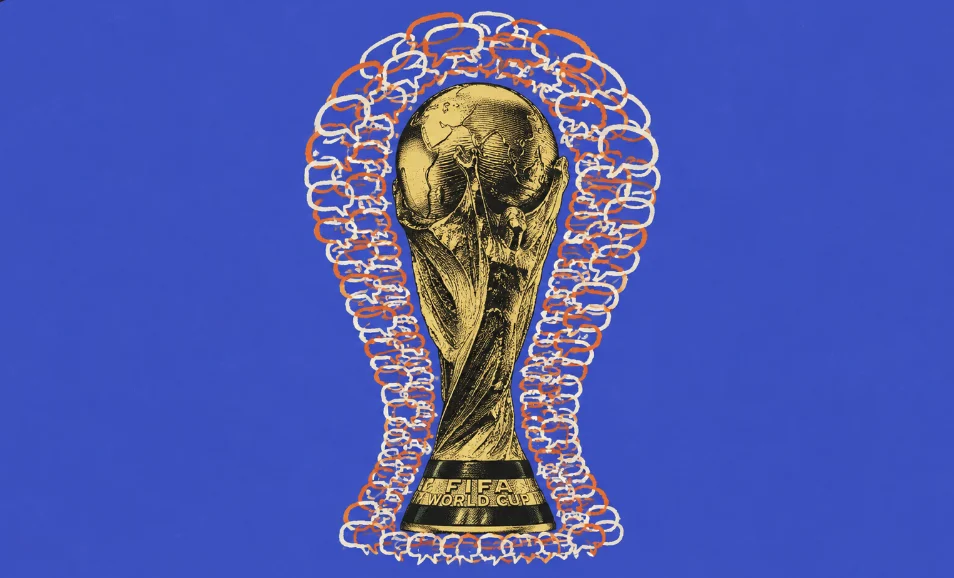
As the United States celebrates its 250th birthday, the nation is serving as a grand stage for the 2026 FIFA World Cup. What began months ago as a period of intense anxiety—marked by fears of logistical nightmares, ticket price gouging, and civil unrest—has transformed into a resounding commercial and cultural triumph. With the U.S. Men’s National Team (USMNT) advancing to the Round of 16 following a pivotal victory over Bosnia and Herzegovina on July 1, the tournament has cemented its status as a "must-buy" environment for media agencies and brands alike.
As the tournament barrels toward the July 19 final at the Meadowlands in New Jersey, the narrative has shifted from trepidation to record-breaking enthusiasm.
The Main Facts: A Tournament That Defied Skepticism
In the lead-up to the opening whistle, the discourse surrounding the 2026 World Cup was dominated by "bad-news" reports. Industry analysts and news outlets were flooded with warnings regarding empty hotel blocks, the potential for immigration-related controversies at borders and stadiums, and concerns that ticket pricing would alienate the average fan.
Instead, the tournament has proven to be a juggernaut. FIFA, along with rights holders Fox and NBCUniversal (Telemundo), have witnessed an unprecedented level of engagement. The "gift" to the host nation has been twofold: high-quality football that has delivered genuine sporting drama—including unexpected upsets—and a ratings surge that has surpassed the most optimistic projections of media buyers.
A Chronology of Success
- Pre-Tournament (Early 2026): Media buyers express "cautious optimism" characterized by a fear of potential social disruption and the dilution of the product due to FIFA’s expansion to a larger field of teams.
- Opening Matches (June 2026): Early group stage games immediately defy low expectations. Telemundo reports a 122% increase in average viewership compared to the 2022 Qatar tournament.
- July 1, 2026: The USMNT defeats Bosnia and Herzegovina, securing a berth in the knockout rounds and setting the stage for a high-stakes match against Belgium.
- July 19, 2026: The scheduled date for the final match at the Meadowlands stadium in New Jersey.
- Post-Tournament Outlook: Industry focus turns to the 2030 World Cup rights, which will be hosted in Morocco, Portugal, and Spain—a move that poses significant time-zone challenges for North American broadcasters.
Supporting Data: By the Numbers
The metrics emerging from the first half of the tournament suggest a shift in how sports media is consumed and measured.
The Ratings Boom
The USMNT’s three group-stage matches drew an average of 22 million viewers. Even more impressive is the performance of Spanish-language coverage on Telemundo. The 122% year-over-year growth in group-stage viewership signals a robust, diverse audience base that is far more engaged than in previous cycles.
The "Nielsen Effect"
Industry insiders suggest that some of this growth is attributed to structural changes in how Nielsen tracks out-of-home (OOH) viewing. By expanding the formula to capture audiences in bars, restaurants, and public watch parties, the ratings are finally reflecting the true, communal nature of the World Cup experience.
The B2B Reality Check
Parallel to the tournament, data from the martech agency Madison Logic and The Harris Poll indicates a broader shift in marketing accountability. A survey of over 300 U.S. marketing executives revealed that:
- 48% admit to "guessing" which marketing activities actually drive purchasing decisions.
- 84% believe modern marketing is no longer about creative assets alone, but about the ability to prove ROI.
- 90% of respondents agree that marketers unable to demonstrate clear business impact will face severe budget cuts in the future.
Official Responses and Expert Analysis
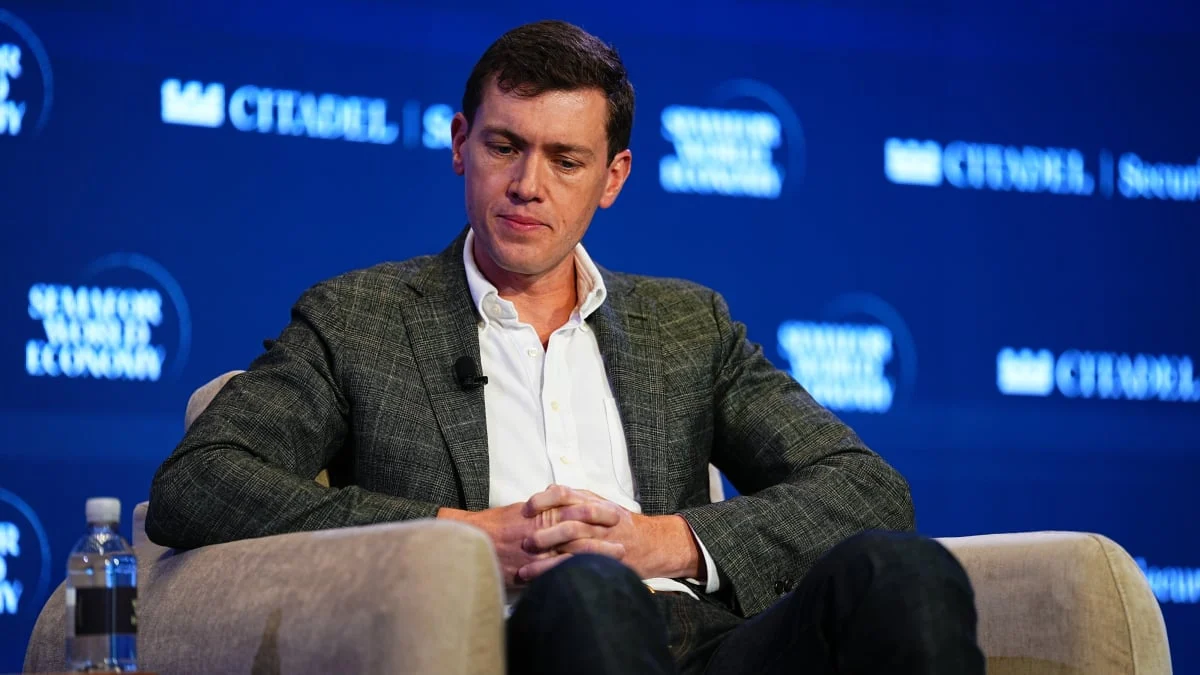
The consensus among media buyers is one of relief and aggressive re-evaluation. Adam Schwartz, SVP and director of national broadcast, sports media at Horizon Media, was initially skeptical of the tournament’s expansion, particularly the inclusion of smaller nations.
"I was cautiously optimistic going into the World Cup, and I think it has exceeded expectations thus far," Schwartz noted. "There was some negativity leading into this, but I think everything else has been positive."
Schwartz highlighted that the advancement of the three host nations (the U.S., Mexico, and Canada) has been a primary catalyst for the astronomical ratings. "If the U.S. and Mexico make deeper runs, it will change everything in terms of how networks approach remaining inventory. It would be very, very expensive, and you would likely have to purchase other packages in accompaniment."
Rita Steinberg, VP of media at Fuse Create, emphasizes the scarcity value of the event. "That is increasingly hard to find, so when a property can bring millions of people together in real time, it still carries a lot of value," Steinberg said. She warns, however, that buyers will remain vigilant, scrutinizing post-campaign delivery reports to ensure the premium pricing is justified by the actual reach.
Implications for the Future of Media Buying
The Rights Battle of 2030
With the 2026 tournament delivering such massive returns, the fight for the 2030 rights is expected to be ferocious. However, the host locations—Morocco, Portugal, and Spain—present a logistical hurdle. With a five-to-six-hour time difference from the East Coast, games will likely be played in the morning or early afternoon, potentially cooling the record-breaking ratings seen in the 2026 cycle.
The "Front Door" vs. The "Side Door"
For brands that did not secure direct sponsorship—the "front door"—this tournament has demonstrated the efficacy of the "side door." By utilizing social media, influencer partnerships, and creator-led content, brands are finding ways to insert themselves into the fan journey without the prohibitive cost of an official FIFA partnership.
The NBCUniversal/Comcast Spinoff
The media landscape is further complicated by the impending spinoff of NBCUniversal from Comcast. Luke Moore, VP managing director of media at FUSE Create, suggests that this structural shift will eventually force the network to pivot toward higher-CPM, data-heavy products. "Once the spinoff is complete, there will be pressure to grow advertising and subscription revenue without the support of Comcast," Moore stated. "This will likely push available inventory toward addressable media and reduce focus on traditional linear TV."
Conclusion: A Performance-First Future
The 2026 World Cup serves as a microcosm for the modern media landscape. It is an era where massive, real-time events are the only remaining way to capture "bulk" audiences, yet those audiences are increasingly being tracked through complex data sets and OOH methodologies.
For marketers, the takeaway is clear: stop guessing. As Keith Turco, CEO of Madison Logic, suggests, the future lies in programmatic, targeted strategies that leverage data to validate every dollar spent. The success of the World Cup proves that while the audience is there, the ability to capitalize on it requires a sophisticated, data-driven approach that moves beyond the creative and into the realm of demonstrable, measurable business impact.
As the tournament concludes, the premium on "live" sports will only rise, but so too will the demand for accountability. The 2026 World Cup has set a high bar—one that broadcasters and brands will spend the next four years trying to replicate.