

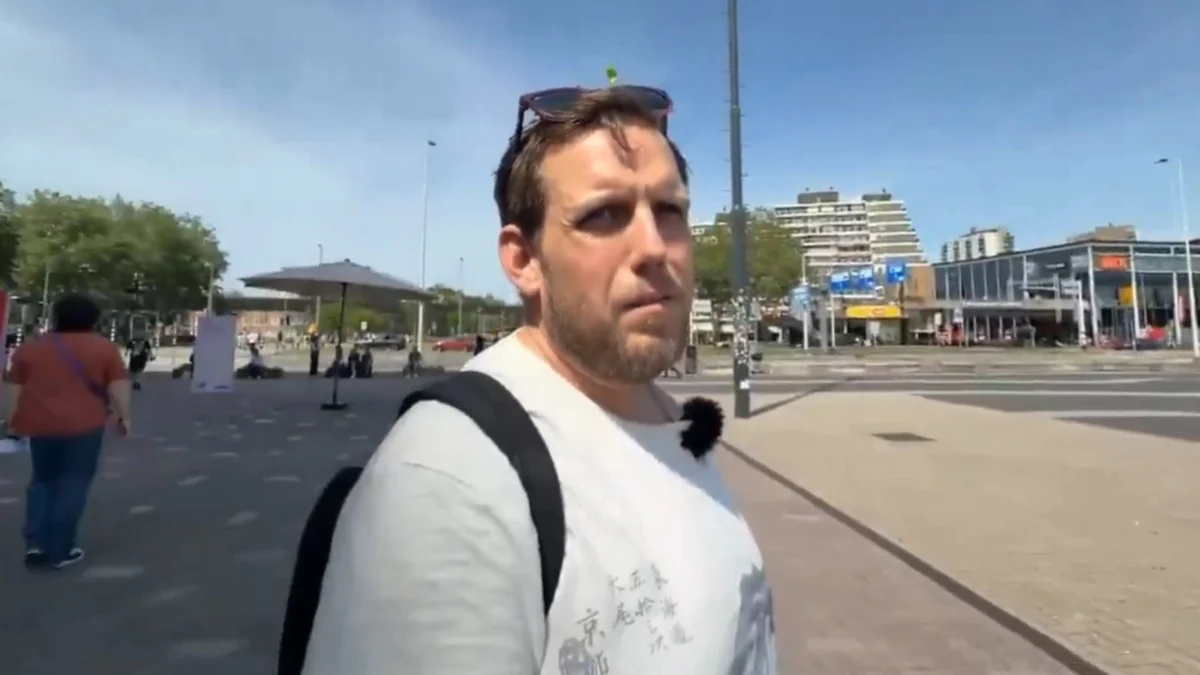
The intersection of extreme endurance challenges and live-streamed content creation has long been a cornerstone of the IRL (In Real Life) streaming community. However, one of the most dedicated figures in this niche, KumaMonster, recently found his grueling, multi-week odyssey cut short by a bureaucratic wall. After walking 550 kilometers (340 miles) to attend TwitchCon Europe 2026 in Rotterdam, the streamer was shocked to discover that his admission ticket had been revoked and refunded without explanation just hours before the event began.
The incident, which has sparked a firestorm of debate across social media platforms, highlights the growing friction between independent content creators and the platforms that host them. As KumaMonster sat outside the venue, his "Road to TwitchCon" journey—a project that involved months of preparation and over $10,000 in personal investment—effectively ended at the security gates.
The Core Conflict: A Journey Denied
KumaMonster is not a casual attendee; he is a specialized content creator who has built his brand around the intersection of physical endurance and community engagement. Having previously completed high-profile treks across Europe and Japan, his arrival at TwitchCon Europe 2026 was intended to be the grand finale of his latest challenge.
On May 31, 2026, the streamer took to social media to broadcast his frustration. In a video filmed just outside the convention center, KumaMonster detailed the moment he realized his entry was blocked. The core issue centers on a sudden, unsolicited refund notification he received via email on the Thursday prior to the event. Despite his immediate efforts to rectify the situation through official support channels, he was met with a circular trail of non-responses and administrative redirection.
"I was denied entry to TwitchCon and was never given a reason," KumaMonster stated in a public post on X (formerly Twitter). "After walking to TwitchCon Europe live for the 3rd time, spending over $10k and walking 550 km, my ticket was revoked the day before the con with zero explanation."
Chronology of a Failed Pilgrimage
To understand the gravity of the situation, one must look at the timeline of the "Road to TwitchCon" initiative.
Phase 1: Preparation and Promotion
For months, KumaMonster had been documenting his training and the logistics of his 550km trek. The journey was not merely a walk; it was a live-streamed event that required significant financial investment, including gear, logistics, support staff, and travel insurance. During this period, the streamer alleges that his content was featured and promoted within the Twitch ecosystem, fostering an expectation of a collaborative relationship between the creator and the platform.
Phase 2: The Final Leg
As he approached Rotterdam, the momentum of the stream was at an all-time high. Viewers followed his daily progress, witnessing the physical toll of walking hundreds of kilometers. The narrative arc was clear: a dedicated creator traveling to connect with his community at the industry’s most significant annual event.
Phase 3: The Thursday Notification
On the eve of the event, the narrative shifted abruptly. KumaMonster received an automated email notification informing him that his ticket had been refunded. No clarification was provided regarding whether this was an error, a violation of terms, or a systemic glitch.
Phase 4: The Dead End at the Helpdesk
Upon arriving in Rotterdam, the streamer attempted to resolve the issue in person. He reported that when he reached the event helpdesk, he was told he had to go back through the online support ticket system—a system that had already failed to provide him with a timely answer. This created a catch-22: the digital support was unresponsive, and the physical support was unable to override the digital decision.
Supporting Data and Financial Stakes
The impact of this denial goes beyond the emotional disappointment of being excluded from the convention floor. The "Road to TwitchCon" was a professional endeavor. KumaMonster estimates that he spent upwards of $10,000 to facilitate the journey. This includes:
- Logistics and Accommodation: Costs associated with multi-week travel across international borders.
- Production Costs: The technical infrastructure required to stream live for 550km, including portable internet solutions, camera gear, and battery systems.
- Opportunity Cost: The time spent training and executing the walk represents a significant investment that cannot be recouped if the final, intended "payoff" (the content created at the event) is rendered impossible.
Furthermore, the lack of professional communication from the platform during this time has left many in the streaming community questioning the standard of care Twitch provides to its most dedicated "IRL" creators.
Official Responses and the "Silent Treatment"
As of the current reporting, Twitch has not provided a formal, public statement regarding the revocation of KumaMonster’s ticket. When approached for comment by various media outlets, including Dexerto, representatives for the platform have remained silent.
This lack of transparency is perhaps the most contentious aspect of the story. In an era where creators are the lifeblood of the platform, the perceived coldness of the interaction—or lack thereof—has resonated poorly with the community. Many are asking: If a creator with a documented, high-profile project can be excluded without a clear reason, what does that imply for smaller, less visible creators who may find themselves in similar administrative traps?
The Implications: A Lesson in Platform Dependency
The KumaMonster incident serves as a sobering case study in the risks of "platform dependency." Creators often invest their entire professional identity and financial resources into a project that relies on the "good graces" of a platform’s terms of service and administrative consistency.
1. The Fragility of Creator Rights
The incident raises questions about the ownership of the "creator-platform" relationship. Does a platform have the right to revoke access to its own event for any reason? Technically, yes—but doing so to a creator who has built a massive, multi-week promotional event around that same platform creates a massive PR and ethical headache.
2. The Need for Better Communication
The "circular" support loop—where online support points to physical support, and physical support points back to online support—is a common frustration for many. For high-profile creators, the lack of an emergency escalation path or a direct line of communication during major events represents a significant failure in account management.
3. Impact on Community Morale
The streaming community thrives on transparency and the perception of a "fair" ecosystem. By failing to address the incident, Twitch risks alienating not just KumaMonster, but the entire cohort of IRL streamers who view their attendance at these conventions as a reward for their dedication to the platform.
Conclusion: What Happens Next?
The story of KumaMonster’s trek to Rotterdam will likely be remembered as a cautionary tale within the streaming industry. While he has expressed his deep disappointment and frustration, the long-term ramifications remain to be seen. Will Twitch reach out to rectify the situation? Will there be a change in policy regarding how event tickets are handled for creators with ongoing, site-sanctioned projects?
Until a formal explanation is provided, the vacuum of information will continue to be filled by speculation. For now, the "Road to TwitchCon" stands as a testament to the dedication of one creator, and a reminder of how quickly the digital bridges between creators and their platforms can be burned. As the dust settles on TwitchCon Europe 2026, the primary takeaway for the creator economy is clear: in the world of high-stakes content creation, even the longest journey can end in a closed door.









No comments yet. Be the first to join the conversation!