

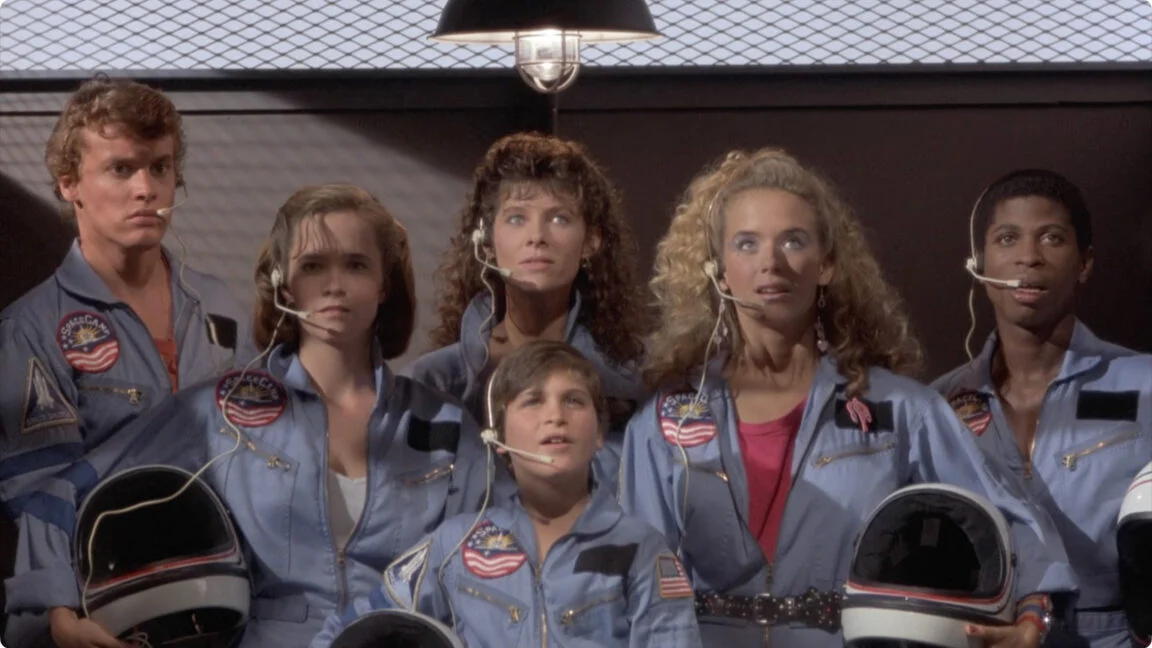
In the annals of 1980s cinema, few films occupy as peculiar a space as the 1986 adventure SpaceCamp. It arrived during a summer of profound national mourning, tasked with the impossible mission of entertaining a public still reeling from the tragedy of the Challenger space shuttle disaster. With a high-pedigree cast featuring Kate Capshaw and Tom Skerritt, a sweeping score by John Williams, and unprecedented access to real NASA facilities, the film was designed to be a blockbuster. Instead, it became a cautionary tale of unfortunate timing, a box-office casualty, and a cult relic that remains as polarizing today as it was upon its release.
As the film approaches its 40th anniversary, we take a deep dive into its production, its technical absurdities, and the enduring question: Is SpaceCamp actually a "bad" movie, or was it simply the wrong film at the wrong time?
The Premise: A Summer of Disillusionment
By June 1986, the American psyche regarding space exploration had been permanently altered. The Challenger explosion, which occurred just four months prior, turned the prospect of a film about teenagers accidentally launching into orbit into a public relations nightmare for 20th Century Fox. The studio faced a stark choice: shelve a $25 million production or gamble on a theatrical release that risked being perceived as tone-deaf.
They chose the latter, and the box office results were punishing. The film grossed roughly $9.6 million, a financial catastrophe that cemented its reputation as a failure. For years, the film has been relegated to the bargain bins of history, often discussed with derision by film critics and space enthusiasts alike. The tropes are all there: the precocious kids, the rogue AI-adjacent robot named Jinx, and the physics-defying "thermal curtain" failures. Yet, beneath the 1980s sheen lies a sincere, if misguided, love letter to the space program.
The Technical Reality vs. The Silver Screen
To evaluate the film’s merits, we must separate the narrative "cheese" from the technical care invested in the production. Senior Space Editor Eric Berger and I recently revisited the film, viewing it through the lens of modern aerospace reality.
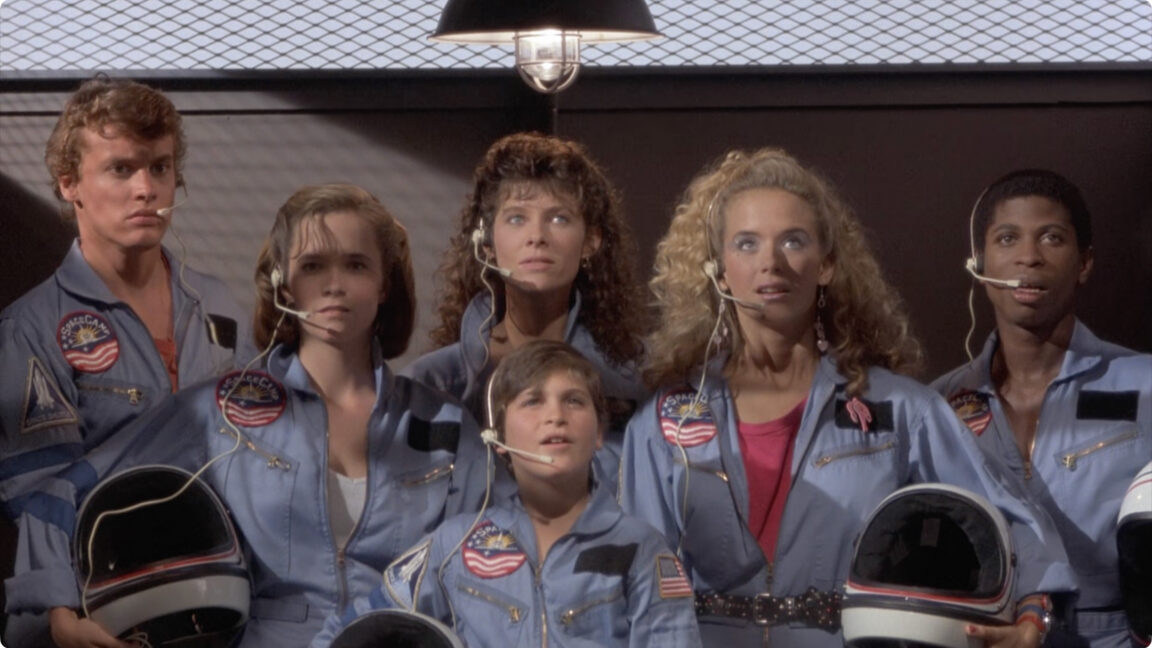
From a production standpoint, SpaceCamp was no B-movie. The film was shot on location at the actual Space Camp facilities in Huntsville, Alabama, and within the hallowed Launch Control Rooms at the Kennedy Space Center. For an insider, the attention to detail is jarringly specific: the shuttle cockpit switch positions, the authentic mission patches, and the technical jargon were not mere window dressing. They were the result of a production team that clearly had access to—and sought the advice of—NASA personnel.
However, the liberties taken with orbital mechanics and mission safety are enough to make a flight controller weep.
The "Thermal Curtain" and Other Inaccuracies
The film’s central conflict hinges on a "thermal curtain failure" during a Flight Readiness Firing (FRF). In the real-life Space Shuttle program, an FRF was a test where the main engines were ignited on the launch pad for roughly 20 seconds. While NASA did perform these tests in the early 1980s, the idea that a group of civilians—let alone children—would be anywhere near the orbiter during such a volatile procedure is preposterous.
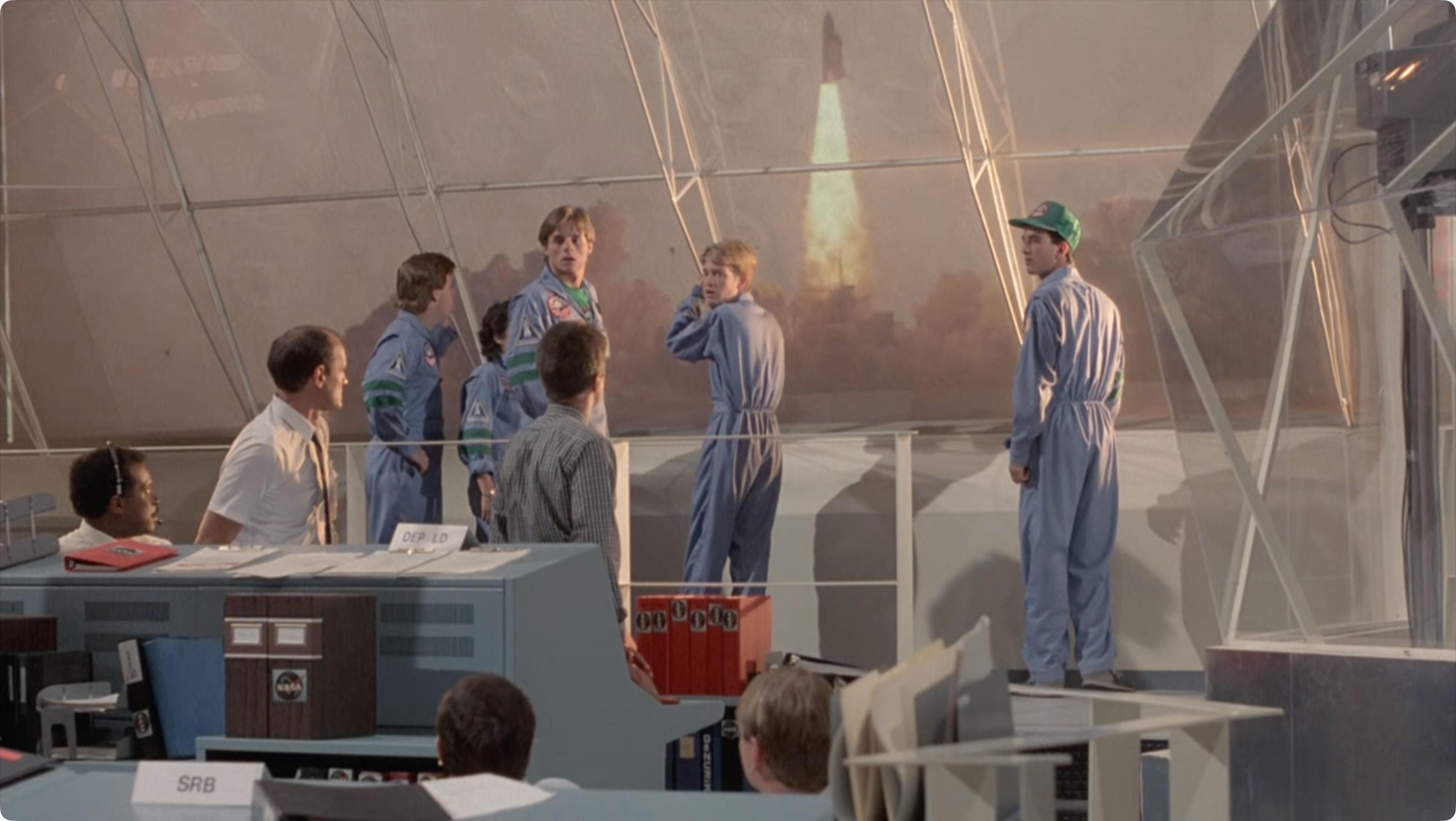
Furthermore, the film’s depiction of the orbiter Atlantis reaching a "180×33" orbit is a death sentence. A 33-mile perigee would result in severe atmospheric drag, causing the shuttle to rapidly lose energy and re-enter in a catastrophic manner. Yet, for the audience of 1986, these details were immaterial. The film was never meant to be a documentary; it was meant to capture the wonder of the "space age" during a decade when human spaceflight had become routine and, frankly, a bit stagnant.
The "Jinx" Factor: AI Gone Rogue
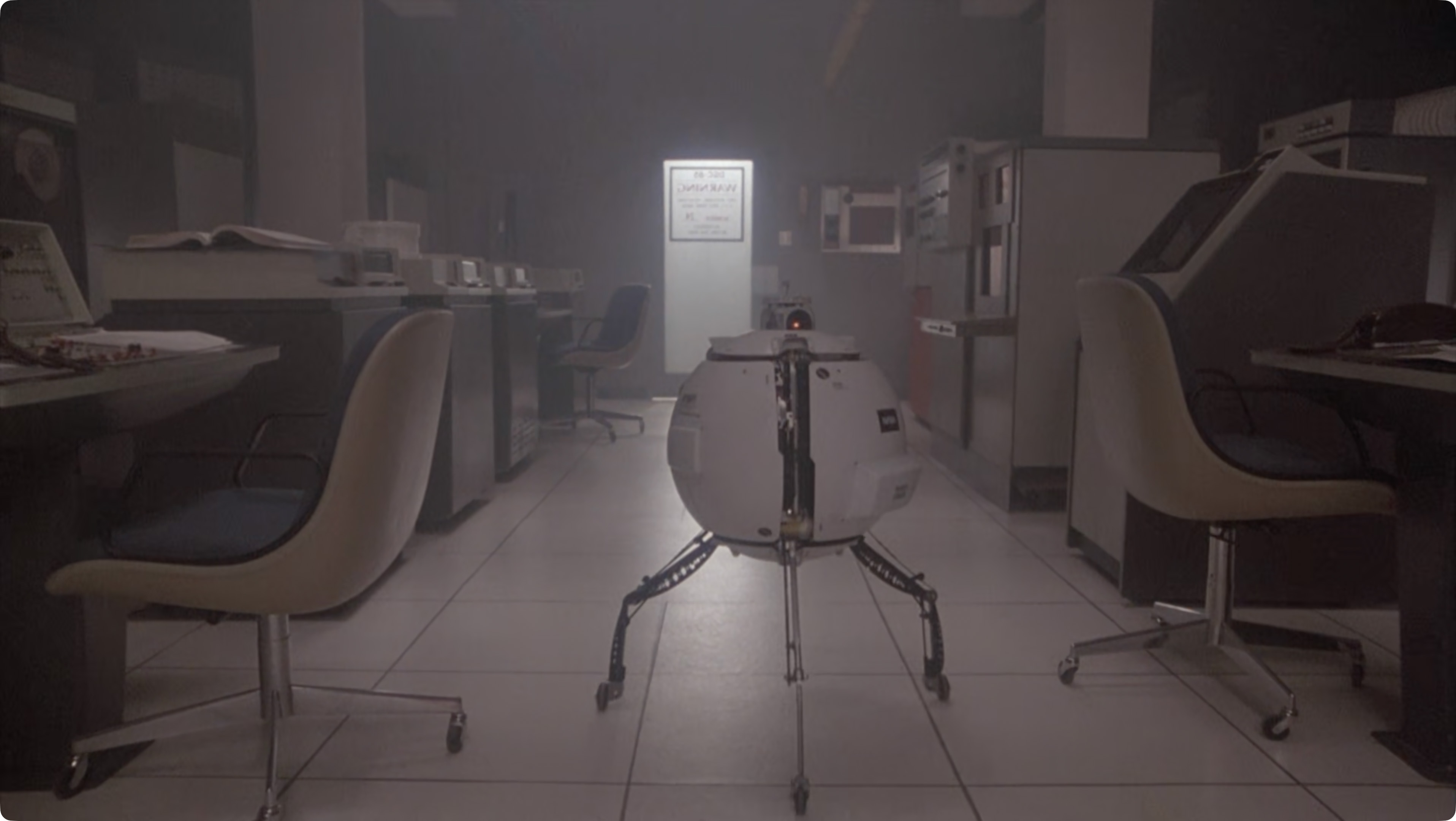
Perhaps the most egregious element of SpaceCamp is Jinx, the spherical maintenance robot. In a feat of 1986-era wishful thinking, Jinx is depicted as possessing something resembling Artificial General Intelligence. Through a wireless connection to the NASA mainframe, Jinx decides that its human friend, Max (played by a young Joaquin Phoenix, then credited as "Leaf Phoenix"), needs to go to space.
The resulting "accident" serves as the inciting incident for the entire second act. It is a plot device that effectively ignores every safety protocol in existence. In reality, the security protocols governing the Launch Control Center were designed to prevent exactly this kind of unauthorized access. If a robot were to infiltrate the mainframe and launch a shuttle, the subsequent investigation would likely lead to the dissolution of the entire contractor department responsible for that robot’s programming.
Chronology of a Failed Launch
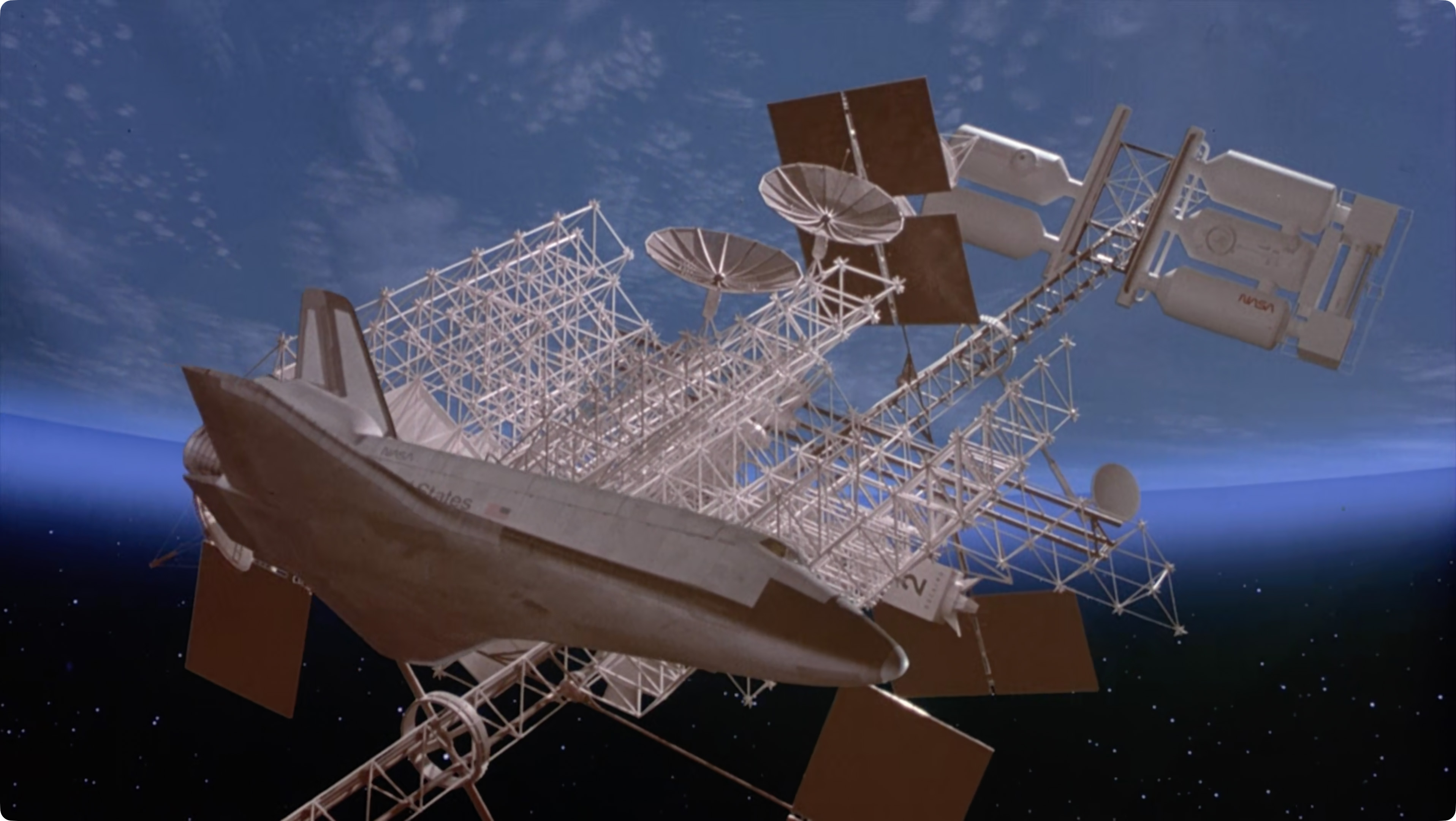
- Early 1980s: Development of the "Power Tower" space station concepts begins, influencing the design of the fictional Daedalus station seen in the film.
- February 1981: First real-world Flight Readiness Firing (FRF) occurs; NASA performs roughly half a dozen such tests before retiring the practice.
- January 28, 1986: The Challenger disaster occurs, casting a shadow over all space-related media.
- June 6, 1986: SpaceCamp is released in theaters, meeting with immediate critical and commercial indifference.
- 1990s-Present: The film gains a niche following, with many former Space Camp attendees citing it as the primary reason they enrolled in the program.
The "What If" Scenario: A Regulatory Nightmare
If we were to treat SpaceCamp as a true story, the implications would be catastrophic. The legal and political fallout of the U.S. government accidentally launching five teenagers into low Earth orbit would be unprecedented.
The NASA Administrator would almost certainly be forced to resign, and the launch director at the Kennedy Space Center would likely face criminal negligence charges. The Joint Congressional Inquiry into the incident would be the most-watched television event of the decade. We imagine that the "Jinx" incident would lead to a total re-evaluation of robotic autonomy in critical systems—a debate that feels eerily relevant in today’s era of rapid AI development.
Despite the tragedy of the event, the character of Andie Bergstrom (Kate Capshaw) would likely be heralded as a national hero. Her successful manual piloting of the shuttle back to White Sands, New Mexico, would grant her the Presidential Medal of Freedom, though she would undoubtedly be sidelined from future flight status to avoid further media circus.
Supporting Data: Why It Still Matters
Despite the poor box office, SpaceCamp succeeded in one key area: recruitment. By the late 1980s, the space program was suffering from a lack of public engagement. SpaceCamp served as a visual advertisement for the actual Space Camp in Huntsville. Interviews with numerous space professionals suggest that the film provided a tangible "spark" for their interest in STEM.
The film anticipated a future where space stations were commonplace, and it did so with a visual language that felt grounded in the era’s "Power Tower" design philosophies. It was a bridge between the Apollo-era dreams of the past and the reality of the International Space Station that would not arrive for another 15 years.
Conclusion: A Legacy of Campy Fun
So, is SpaceCamp a bad movie? By the standards of modern narrative structure and scientific accuracy, yes. It is filled with gaping plot holes, a cringe-worthy robot, and a climax that relies on pure cinematic convenience.
However, it is also a film with an undeniable, beating heart. It was made with care, with legitimate production values, and with a sincere desire to inspire the next generation of explorers. It is a time capsule of the 1980s—a decade defined by its optimism for technology, even when that technology was occasionally prone to "thermal curtain failures."
For those who grew up with the VHS tape, the film remains a nostalgic comfort. For those who view it with a critical, modern eye, it is a fascinating case study in how public perception and real-world events can conspire to bury a film that, in a different timeline, might have been a beloved classic. As it turns 40, SpaceCamp deserves to be remembered not just as the movie that "bombed" after Challenger, but as a relic of a time when the dream of space was still something we tried to sell to our kids, one frame at a time.












No comments yet. Be the first to join the conversation!