Evan Lee Salim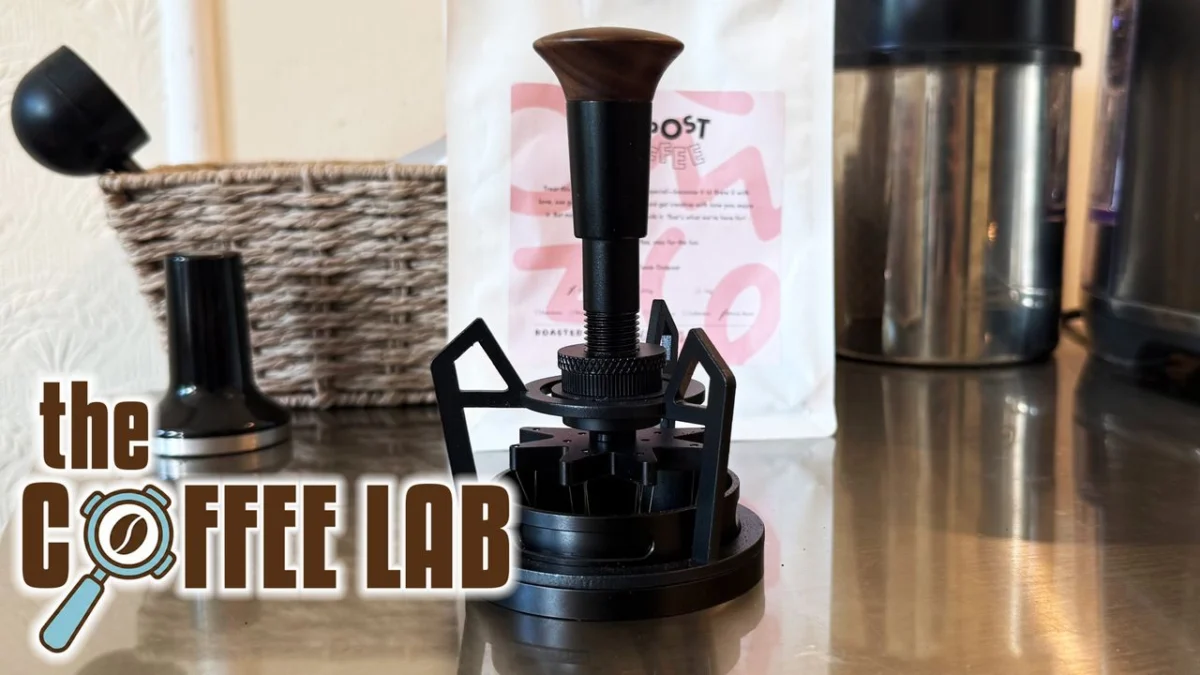
In the ever-evolving world of home espresso, the barrier to entry seems to rise with every passing year. Where once a simple machine and a bag of pre-ground beans sufficed, the modern home barista is now bombarded with an array of accessories, from precision baskets and calibrated tampers to magnetic dosing funnels. Among these, few items have sparked as much debate as the Weiss Distribution Technique (WDT) tool.
Resembling a relic from a medieval apothecary or a set of surgical acupuncture needles, the WDT tool has become the unofficial badge of the "serious" home espresso enthusiast. But does this peculiar device actually elevate the quality of your morning brew, or is it merely another expensive distraction in an industry prone to over-complication?
The Origins of the Weiss Distribution Technique
To understand the tool, one must understand the problem it aims to solve: channeling. When water passes through a puck of compressed coffee, it naturally seeks the path of least resistance. If there are clumps in the grind or uneven density within the portafilter, the water will force its way through these "channels," leading to an uneven, sour, or bitter extraction.
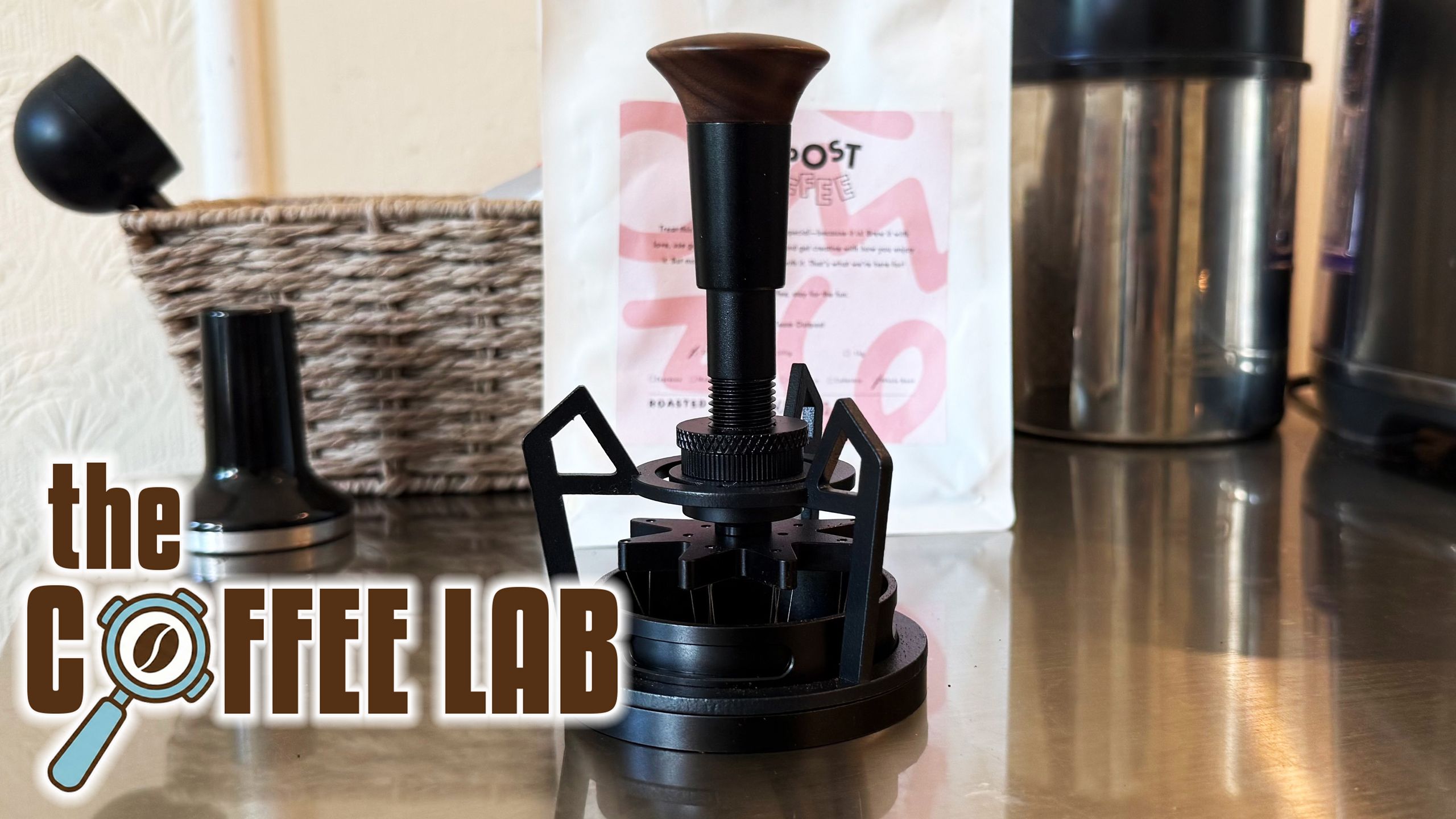
The solution was pioneered in 2007 by John Weiss, a passionate home barista who shared his findings on the Home-Barista forum. Frustrated by inconsistent shots, Weiss hypothesized that manually agitating the grounds with a thin needle would break up clumps and redistribute the particles, creating a uniform density across the basket. This act of manual grooming—the Weiss Distribution Technique—aimed to provide the water with a perfectly level, homogeneous "bed" to pass through.
The Anatomy of the Tool
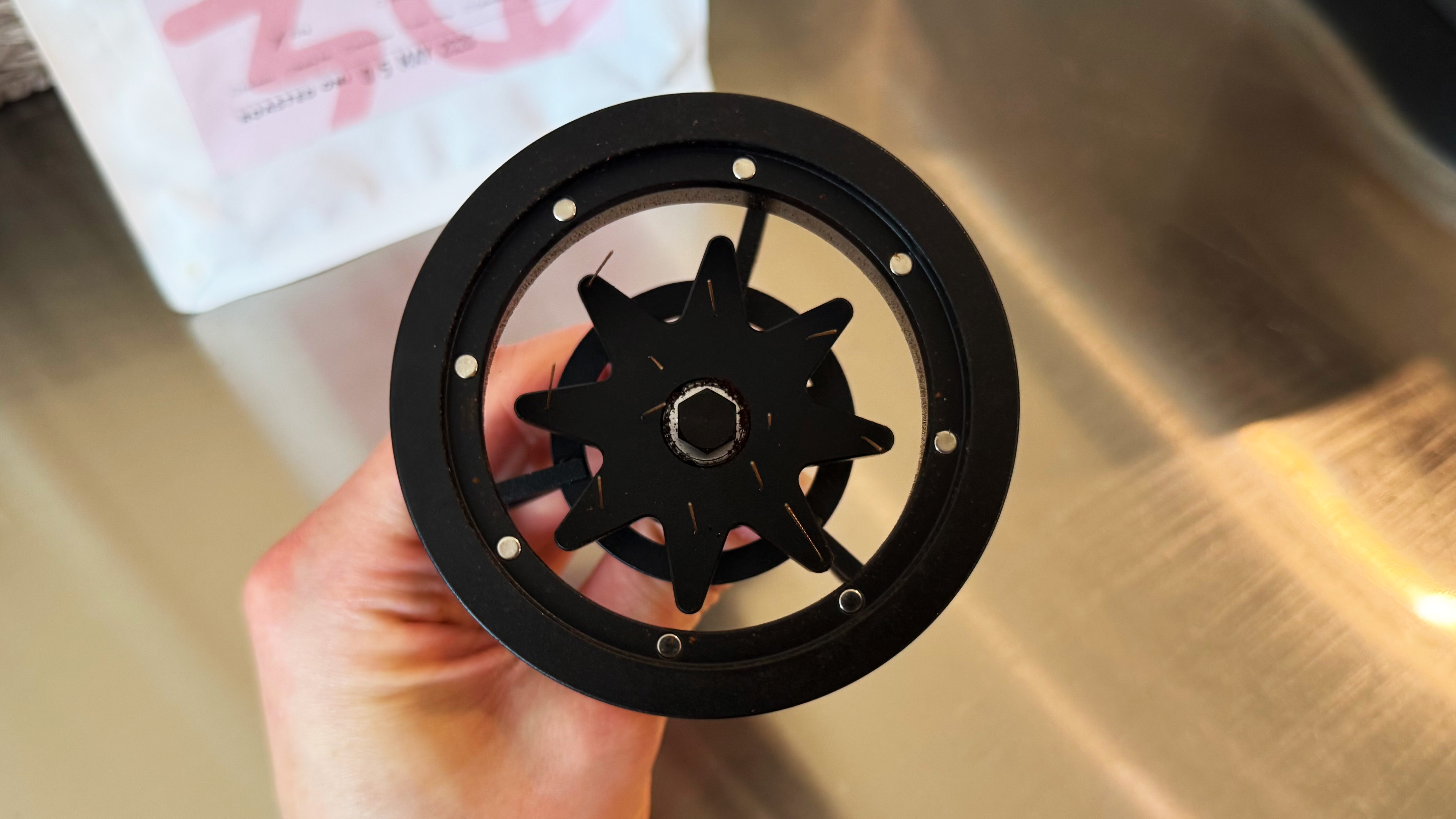
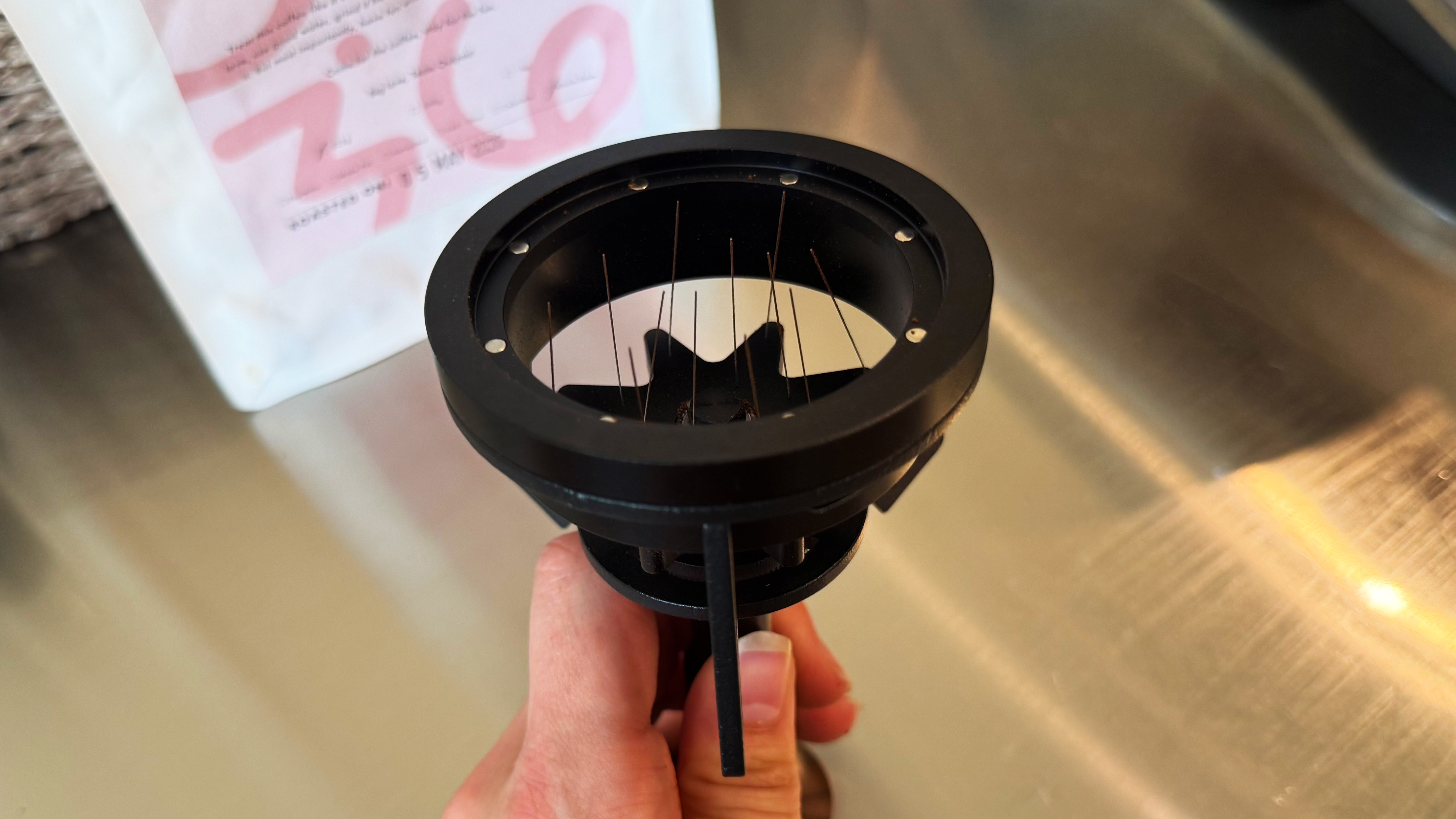
In its most basic form, a WDT tool is a handle fitted with several thin, flexible needles, typically measuring between 0.3mm and 0.4mm in diameter. The user stirs the grounds in the portafilter basket in a circular or grid-like motion before tamping.
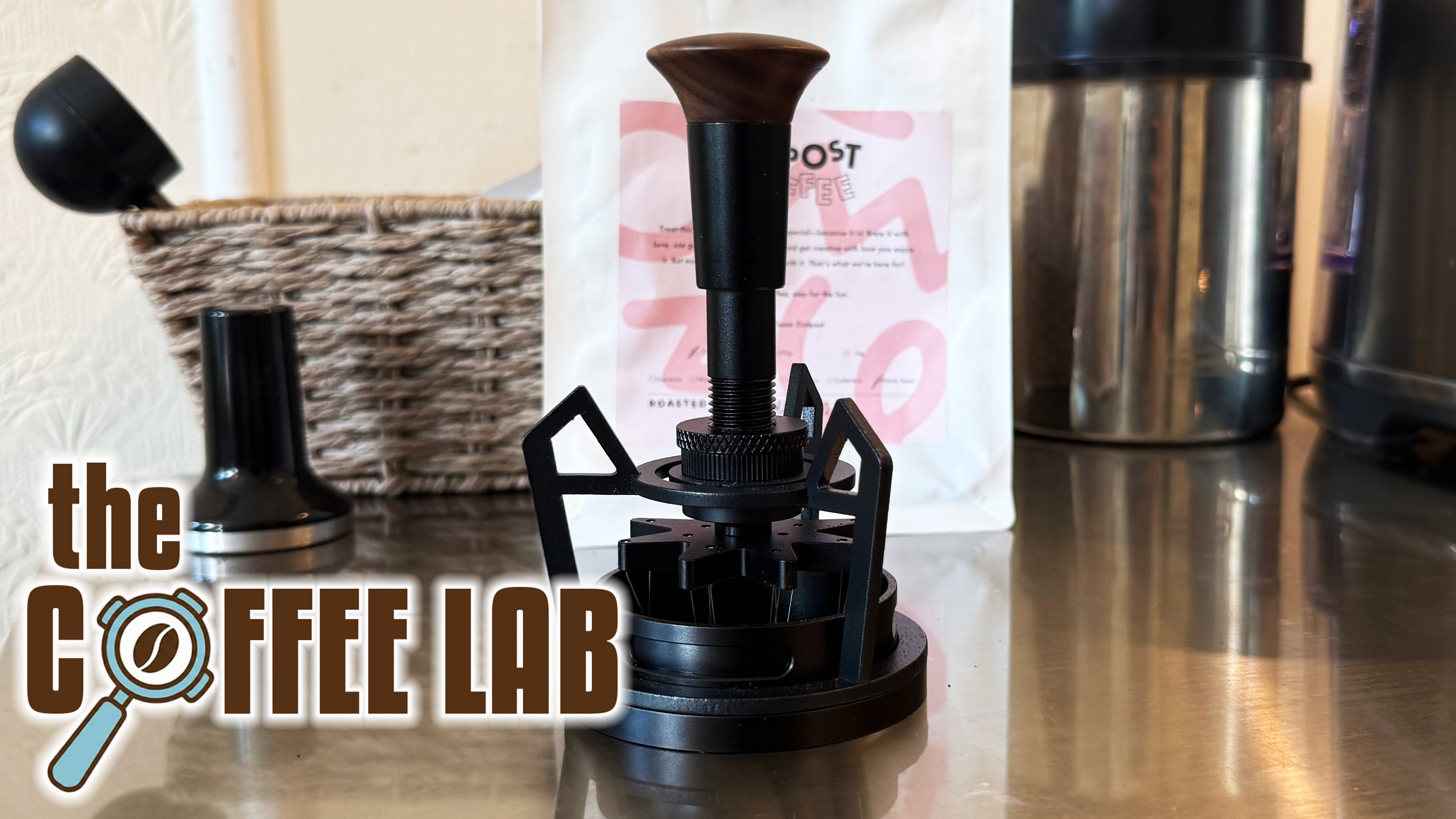
While the early iterations were often DIY projects involving corks and needles, the market is now flooded with high-end versions, some featuring magnetic stands, aerospace-grade aluminum handles, and replaceable needle cartridges. Despite the premium pricing of these "pro" versions, the fundamental mechanical function remains identical to the original DIY solution: the physical agitation of coffee particles.
Chronology of the Controversy: From Forum Niche to Mainstream Accessory
The journey of the WDT tool from an obscure enthusiast hack to a kitchen staple follows a distinct trajectory:
- 2007–2015 (The Underground Era): The technique remained largely confined to dedicated coffee forums and high-end hobbyists. It was viewed as a "fringe" method for those obsessing over every micro-variable of their extraction.
- 2016–2020 (The Data-Driven Shift): With the rise of YouTube coffee influencers and a more scientific approach to coffee brewing, the WDT tool became a focal point of "perfect shot" tutorials. Visual evidence of the tool’s ability to "fluff" grounds convinced many that it was the missing link to café-quality espresso.
- 2021–Present (The Commercial Boom): Seeing the demand, manufacturers began mass-producing dedicated tools. What was once a bespoke DIY craft became a shelf-ready accessory found in major online retail stores, often bundled with other espresso kits.
Evaluating the Impact: A Practical Experiment
As an ex-barista who has pulled thousands of shots in professional settings, I approached the WDT tool with a healthy dose of skepticism. To test the efficacy of the tool, I conducted a controlled experiment.
I prepared two identical shots of espresso using the same beans, the same grind size, the same dose weight, and the same pressure profile. For the first shot, I utilized standard leveling techniques—tapping the portafilter against the mat—followed by a firm tamp. For the second shot, I meticulously used a 0.35mm WDT tool to stir the grounds before tamping.
The Visual Evidence
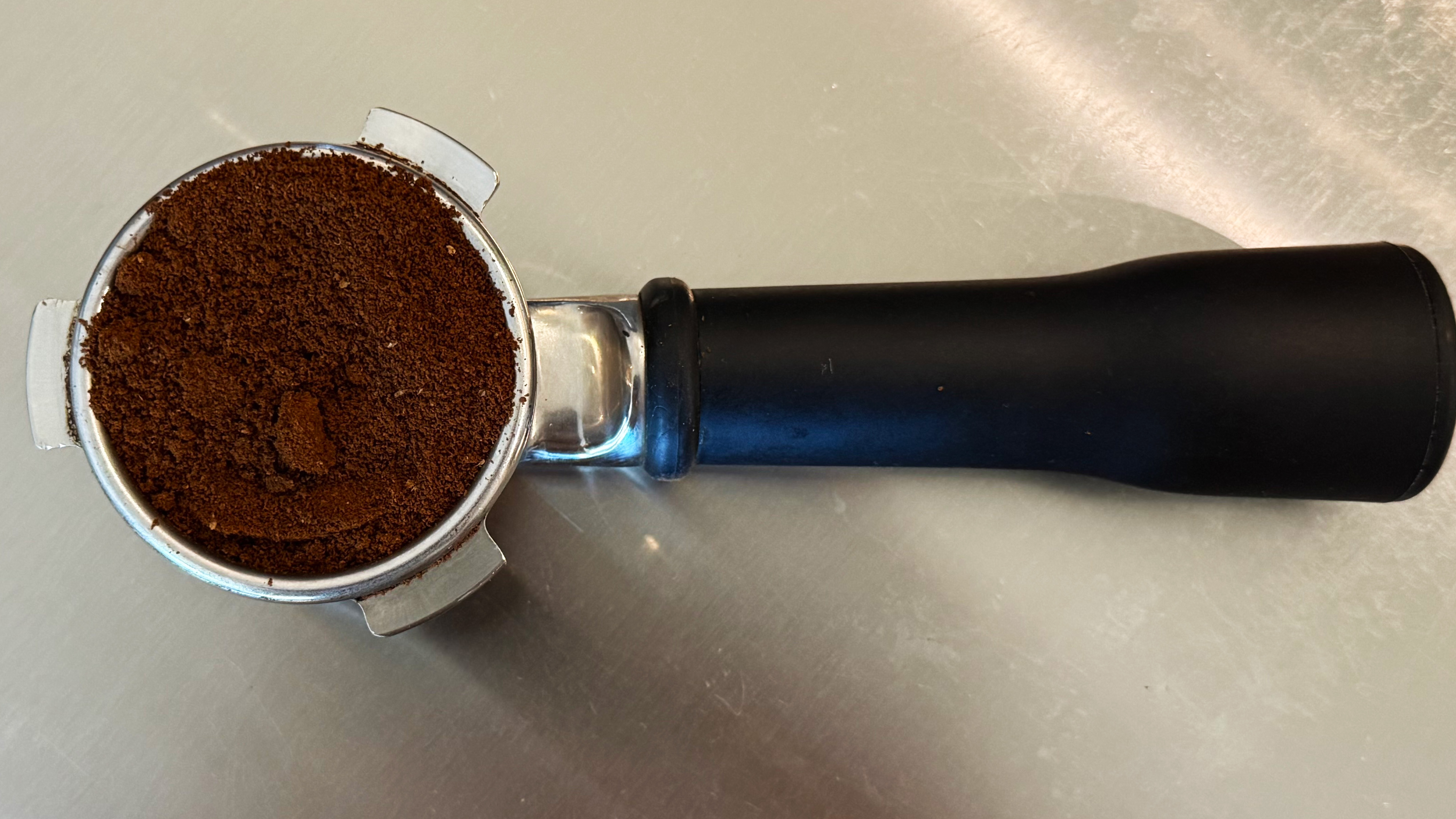
The difference in the puck preparation is undeniable to the naked eye. In the portafilter prepared without the WDT tool, one can often spot micro-clumps—small aggregates of coffee that survive the grinding process. When the WDT tool is used, these clumps are decimated, and the bed of coffee looks perfectly level and aerated.
The Sensory Results
Despite the visual improvement in the bed of coffee, the sensory results were surprisingly ambiguous. In blind tastings, the shots were nearly indistinguishable. While the WDT-prepared shot perhaps displayed a slightly more consistent flow rate, the flavor profile remained within the same margin of error as the non-WDT shot. This suggests that while the WDT tool can fix a poorly dialed-in grind, it cannot "fix" a bad coffee or a flawed extraction technique.
The Industry Perspective: Do Professional Baristas Use It?
It is telling that in many high-volume, world-class coffee houses, the WDT tool is entirely absent. In a busy cafe environment, efficiency is paramount. Professional baristas rely on high-end commercial grinders (such as those from Mazzer, Mahlkönig, or Compak) that produce an incredibly consistent, clump-free grind.
When you spend thousands of dollars on a commercial-grade grinder, the necessity for a manual stirring tool diminishes significantly. The "need" for a WDT tool at home is often an admission that one’s grinder—or the beans being used—is producing inconsistent particle sizes or static-induced clumping.
Implications for the Home Barista
If you are a home enthusiast, the WDT tool raises a fundamental question: Are you chasing the "ritual" of coffee, or are you chasing the "result"?
1. The Diminishing Returns of Gear
The coffee hobby is prone to the "gear trap." Beginners are often told that they cannot achieve great espresso without the latest tools. However, the variables that impact flavor the most remain:
- Freshness of Beans: Nothing compensates for stale coffee.
- Grind Quality: A consistent particle size is more important than any distribution technique.
- Water Chemistry: The mineral content of your water has a profound effect on extraction.
2. When Should You Invest?
The WDT tool is not a magic wand. However, it can be a useful tool if:
- You use a mid-range grinder: Many home grinders, even those costing several hundred dollars, struggle with static and clumping. A WDT tool can mitigate these issues effectively.
- You enjoy the process: If the tactile, meditative process of preparing the puck is part of your morning enjoyment, the WDT tool is a worthwhile addition to your workflow.
- You are experimenting with light roasts: Light-roast beans are notoriously difficult to extract evenly. Any extra assistance in distribution can help achieve a more balanced cup.
The Final Verdict
Is the WDT tool a gimmick? In the strict sense of the word, no. It serves a functional purpose and does exactly what it claims to do: it breaks up clumps and levels the grounds.
However, is it essential? Absolutely not.
The danger of the modern coffee enthusiast movement is the gatekeeping that suggests you are "doing it wrong" unless your counter is cluttered with expensive gadgets. The reality is that for the vast majority of home users, a quality grinder and a consistent tamping technique will yield 95% of the potential of any coffee bean.
If you already own a premium grinder and are pulling excellent shots, adding a WDT tool is unlikely to revolutionize your palate. If you are struggling with channeling or inconsistent extractions, it is a low-cost, high-utility item that can help you troubleshoot your process. But before you buy, remember: at the end of the day, coffee is a beverage meant to be enjoyed. If your morning routine becomes a stress-inducing, ten-step laboratory experiment, you might be losing sight of why you started drinking coffee in the first place.
Keep it simple, keep it consistent, and most importantly, keep enjoying your brew.

 Rifan Muazin