By Ryan Gaur | June 28, 2026
Magic has been the lifeblood of Walt Disney Animation Studios since the ink-and-paint days of Fantasia and The Sword in the Stone. It is a legacy that spans decades, evolving through the snowy enchantment of Frozen and the vibrant, familial tapestries of Encanto. Yet, for directors Fawn Veerasunthorn and Jason Hand, the challenge of their latest original feature, Hexed, was not to simply replicate that magic, but to dismantle the spellbook and rewrite it from scratch.
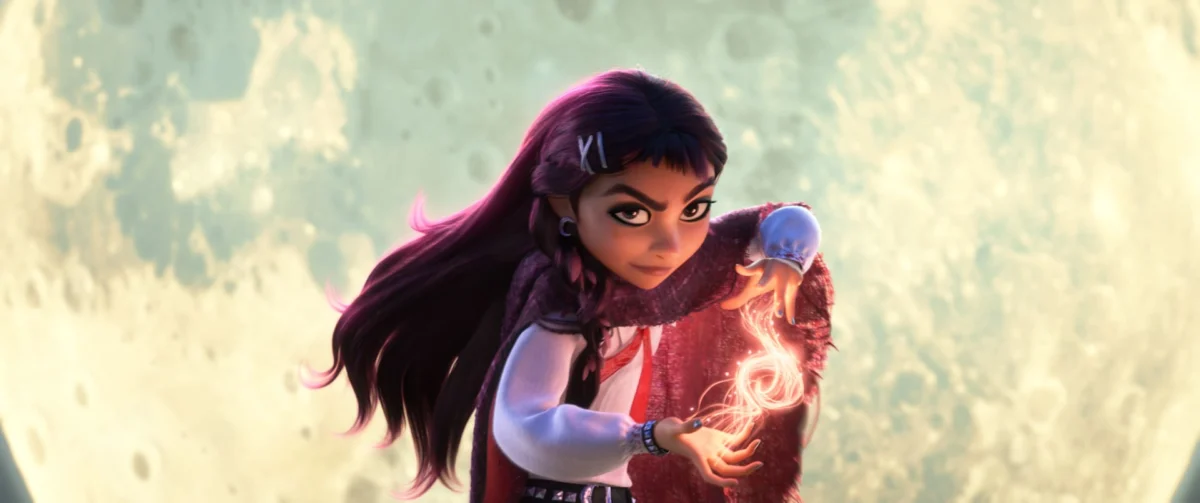
Premiering a first look at the Annecy International Animation Film Festival, Hexed introduces audiences to Billie, a prickly, defiant teenager who discovers an latent magical lineage. When she is thrust into an otherworldly dimension alongside her mother, the film becomes a journey of self-discovery, generational trauma, and, above all, a visual reinvention of what "Disney magic" can look like in the modern era.
The Chronology of a Creative Pivot
The development of Hexed marks a significant departure from the studio’s recent output. Following the success of Wish and Encanto, Disney Animation sought a project that felt "sharper" and "weirder."
The project’s genesis began in early 2024, shortly after the directors completed their previous assignments. By the summer of 2025, the team had settled on the central conflict: a mother-daughter dynamic strained by the sudden onset of magical responsibility. The film’s presence at Annecy in June 2026 served as the official public unveiling of the film’s unique aesthetic—an aesthetic that the directors argue is the most ambitious in the studio’s recent history.
Reinventing the Mechanics of Magic
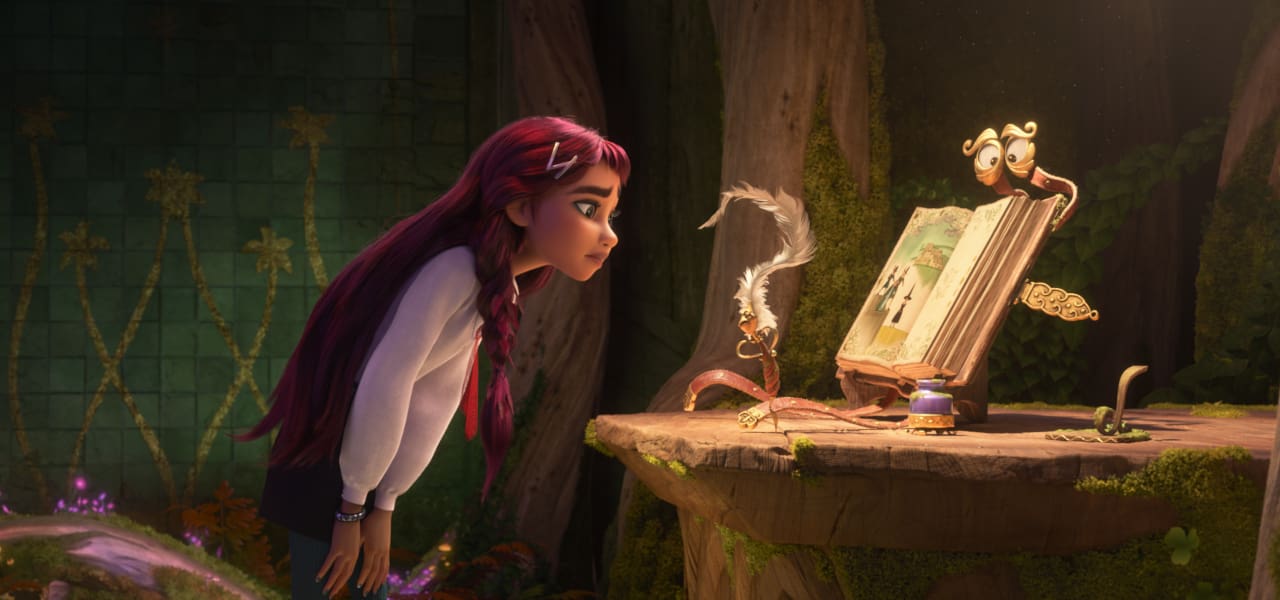
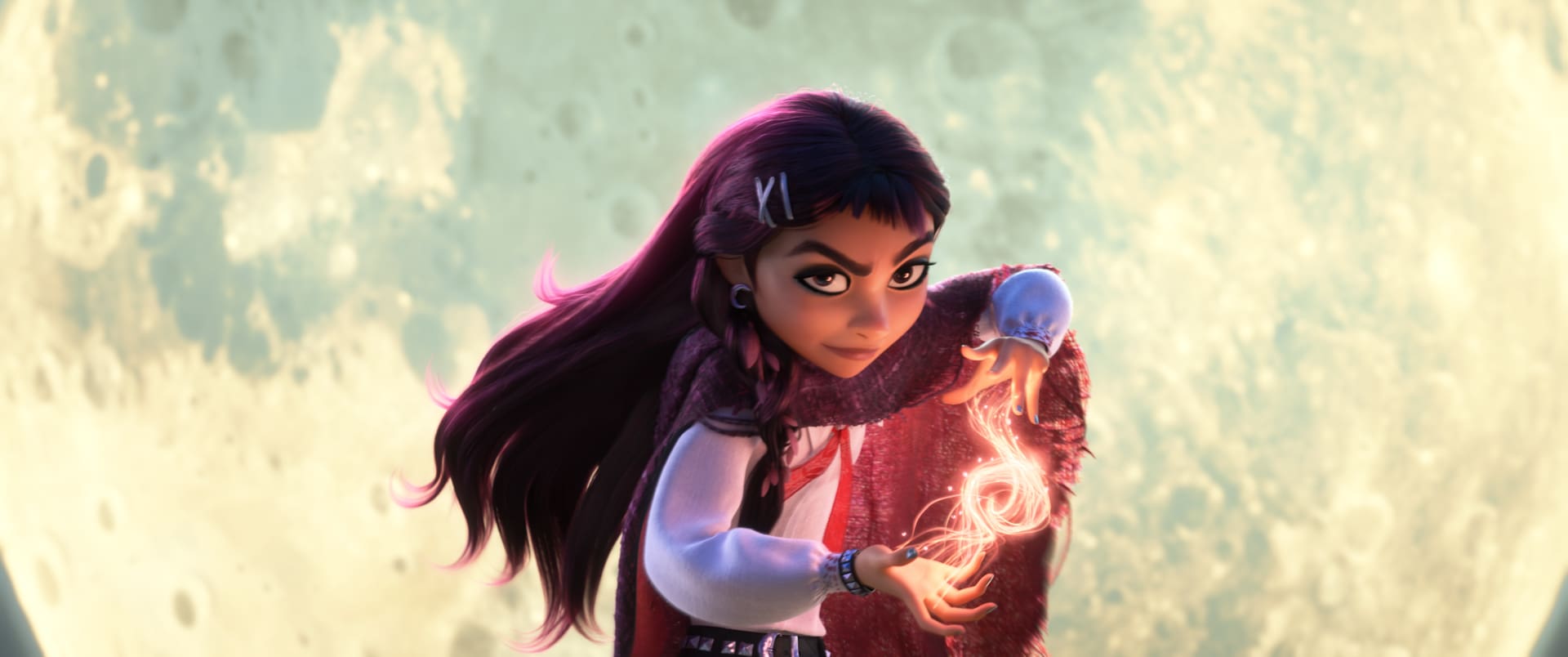
For Veerasunthorn and Hand, the "fun challenge" of the film lay in the constraints of the studio’s established effects pipeline. "Our effects department has done it all," Veerasunthorn explained during a roundtable at the festival. "So, the question became: what is something new that we could all be excited about, while rooting us in a specific magic system that supports the story?"
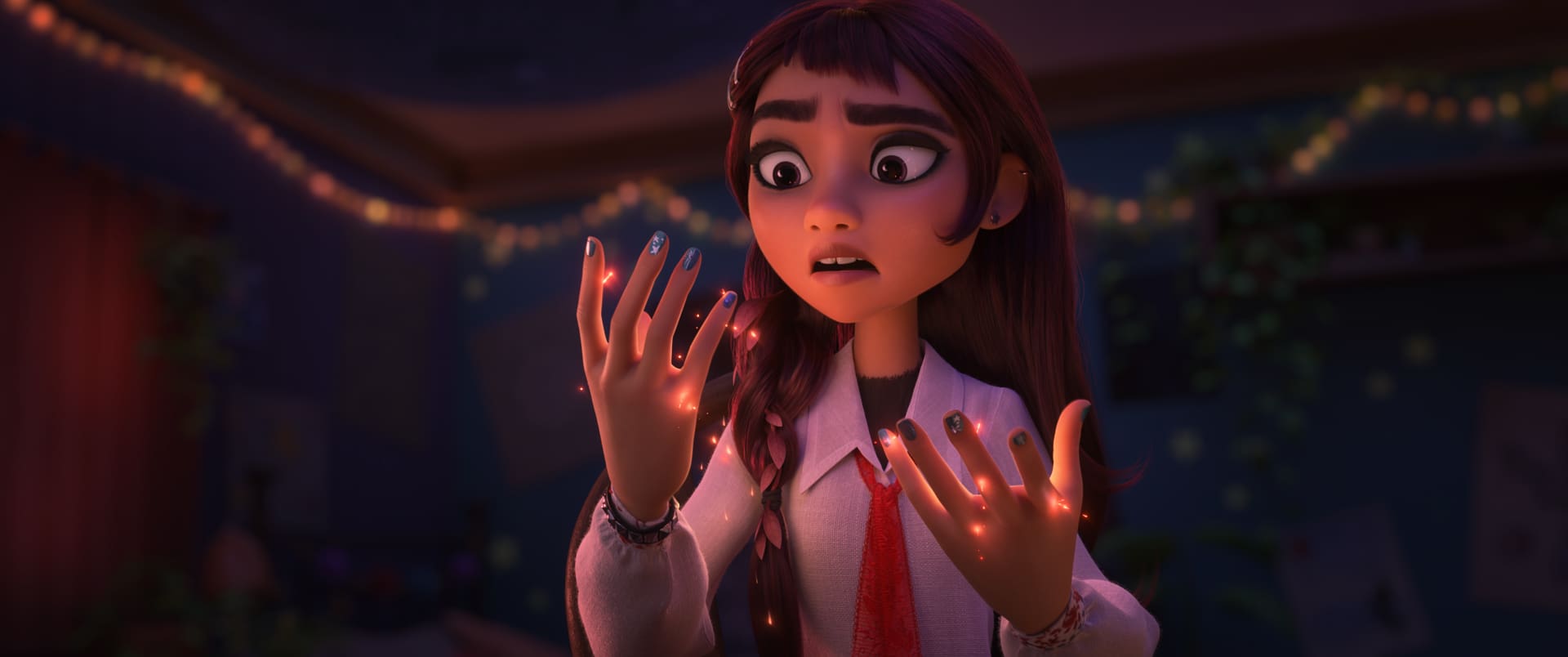
Unlike previous protagonists who often embody pure, altruistic "do-gooder" archetypes, Billie is defined by her prickly exterior. This personality trait dictated the design of the magic itself. "There’s beauty and danger to it at the same time," Hand noted. "It encapsulates her as a person. She’s attracted to the weirder parts of this world, and that gives us a take that I don’t think we’ve seen before."
The "Spiky" Heroine
A central pillar of the film is the nuanced portrayal of Billie. In an era where audiences are increasingly critical of "likability" in animation, the directors have embraced a more complex philosophy.
"We go by the rule of: ‘If you were Billie, you would have made that choice too,’" Veerasunthorn said. She compares the character to pop-culture staples like Garfield—figures who are allowed to be abrasive, selfish, or "spiky," yet remain deeply relatable. According to Hand, the goal isn’t to make the audience like her in a traditional sense, but to make her "rootable."
"A driven character is really fun to watch," Hand added. "A character who does too much is infinitely more interesting than a character who doesn’t do enough." By placing Billie at high-stakes, uncomfortable crossroads, the directors ensure that even when she makes the "wrong" choice, the audience understands the emotional impulse behind it.
Supporting Data: The Craft of the "Unhinged"
The visual language of Hexed is perhaps its most discussed element among industry insiders. The film relies heavily on "cartooniness," a term the directors use to describe the intentional breaking of realistic animation norms.
- Subtle Detail: In a nod to high-level world-building, the characters’ eyes feature crescent moon highlights, a detail implemented during the lighting phase to signify their connection to the magical world.
- The "Sugar Pot" Philosophy: Influenced by the charm of The Sword in the Stone, the team has prioritized animating inanimate objects. Head of animation Michael Franceschi and the directors have been working to bring objects—like "Bucket the cauldron"—to life with a sense of erratic, physical comedy.
- Action Design: Eschewing the punch-and-shoot choreography found in the Marvel Cinematic Universe, Hexed utilizes its environment as a tool for action. Comedy is integrated into the movement, ensuring that the spectacle remains palatable for a broad Disney demographic while retaining a high level of intensity.
Official Responses: Dispelling the "Vertical" Myth
Perhaps the most notable moment of the film’s marketing campaign—and a source of some frustration for the creative team—was the public reaction to the teaser trailer. Online discourse fixated on the idea that the film was being shot in a vertical aspect ratio, a claim that sparked intense criticism from animation purists.
"That one caught me off guard," Hand admitted.
The directors were quick to clarify that the composition of the film is far from a social media trend. "We put so much intention into every frame when it comes to where the characters stand and what surrounds them," Veerasunthorn explained. "We’re constantly asking, ‘Does she feel free at this moment? Is she restricted?’"
Hand emphasized that the visual storytelling is deeply tied to aspect ratio shifts that reflect the character’s internal journey, rather than a concession to mobile-first consumption. "We’re doing so many interesting things with how the world feels to our character from an aspect ratio perspective," he said. "I think [the discourse] will pass."
Implications for the Future of Disney Animation
The success of Hexed will likely serve as a litmus test for Disney’s appetite for risk. By leaning into a mother-daughter narrative—a dynamic that, while universal, is often underexplored in feature-length animation—the studio is signaling a shift toward more intimate, character-driven storytelling.
The Coven as a Metaphor
The film’s exploration of the "coven" serves as a narrative device for belonging. For a teenager who feels isolated, the journey to find "her people" eventually leads her back to her mother, grounding the high-fantasy elements in a relatable domestic reality. Veerasunthorn, drawing on her own experience as a mother, notes that the film captures the "fun mystery" of realizing that one’s parents were once individuals with their own complex lives.
Pushing the Limits of Caricature
By adopting an approach that is intentionally "cartoonier," the studio is breaking away from the hyper-realism that has dominated big-budget CGI for the last decade. The use of extreme proportions and the rejection of "cheating" in the animation process—meaning the physical actions are fully realized without relying on digital shortcuts—points to a renewed focus on the craft of movement.
As Hexed approaches its release, it stands as a testament to the creative tension between legacy and innovation. It is a film that respects the "magic" of its predecessors while acknowledging that the next generation of audiences—and indeed, the next generation of filmmakers—requires something sharper, weirder, and ultimately, more human.
In the words of Fawn Veerasunthorn, "We can push the sense of caricature in animation much more freely now." If Hexed is any indication, the future of Disney Animation will be defined by its willingness to embrace that freedom.