Layla Zulfa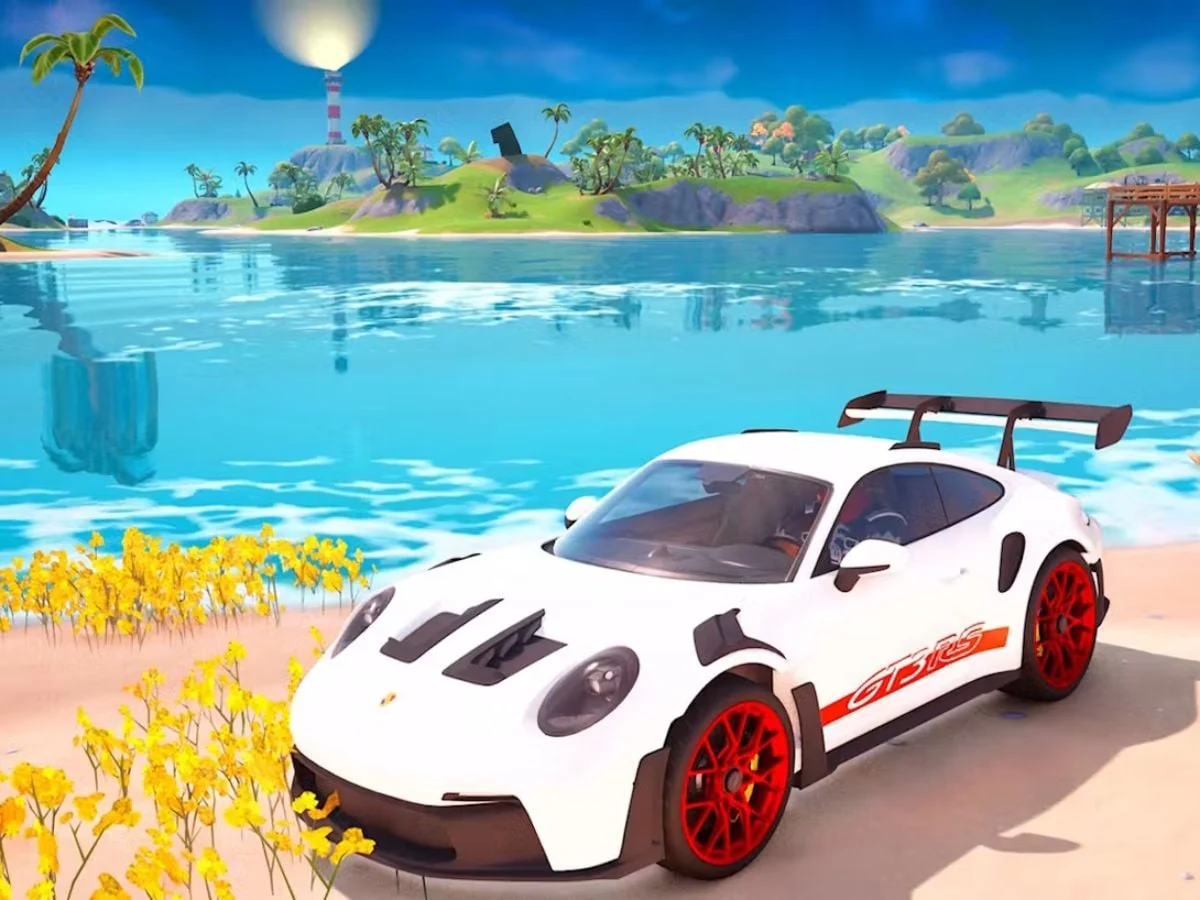
The intersection of high-end automotive marketing and the digital landscape of Fortnite has hit a turbulent patch. As Epic Games and Porsche celebrate the integration of the Cayenne Turbo E-Hybrid into the world’s most popular battle royale, the spotlight has shifted away from the technical prowess of the collaboration and toward a growing firestorm of controversy surrounding the use of Generative AI in corporate marketing materials.
For many in the gaming community, the incident serves as a flashpoint in the broader, ongoing war between creative professionals and the rapid, often uncurated, adoption of AI-generated content by major brands. What began as a routine promotional announcement for an Unreal Engine-powered car configurator quickly devolved into a digital forensic investigation, leaving Epic Games and Porsche scrambling to manage the fallout.
The Genesis of the Dispute: A Visual Mismatch
The controversy erupted on May 25, 2026, when the official Unreal Engine X (formerly Twitter) account shared a promotional post celebrating a collaboration between Epic Games and luxury automaker Porsche. The post highlighted a new Fortnite-themed environment within Porsche’s official car configurator, an interactive tool designed to allow prospective buyers to visualize their vehicles in various settings.
The promotional imagery accompanying the post was intended to showcase the seamless integration of digital assets. However, eagle-eyed users almost immediately flagged the image as suspect. The artwork depicted a Porsche vehicle suspended by a hot air balloon, with Fortnite-style characters gliding in the background. While the composition appeared ambitious at first glance, the details—or lack thereof—quickly betrayed its origins.
The "Smoking Gun": Technical Irregularities
Within minutes of the post going live, community members on platforms like ResetEra began dissecting the image. Several "tells" indicative of generative AI models were identified:
- Logical Inconsistencies: The physical placement of objects within the scene lacked the spatial coherence typically found in hand-drawn or 3D-rendered concept art.
- Artifacting: The edges of the characters and the vehicle displayed the hallmark "blending" effects often seen in outputs from models like Midjourney or DALL-E.
- The Riot Games Logo: Perhaps the most bizarre detail was the inclusion of a logo belonging to Riot Games—Epic’s primary competitor in the multiplayer space—emblazoned on the side of the hot air balloon. This absurd error provided clear evidence that the image had been "hallucinated" by an AI model that likely scraped diverse gaming-related data, failing to distinguish between the brands involved.
Chronology of the Controversy
May 23, 2026: The Porsche Cayenne Turbo E-Hybrid is officially added to Fortnite, marking a significant milestone in the game’s growing roster of licensed vehicles.
May 25, 2026: The Unreal Engine social media team publishes a promotional post featuring the controversial concept art to highlight the Fortnite-themed configurator background.
May 25, 2026 (Evening): Community outcry begins to mount as social media users identify the image as likely AI-generated. The presence of the Riot Games logo on the balloon becomes a viral point of mockery.
May 26, 2026: Unreal Engine removes the original post. A follow-up post is issued, containing a revised image and a clarifying statement regarding the origin of the assets.
May 27, 2026: Epic Games issues a formal clarification to media outlets, including GameSpot, distancing themselves from the creation of the specific image while maintaining their relationship with Porsche.
The Industry’s Pivot Toward AI: A Growing Friction Point
The backlash against this specific image is not an isolated incident; it is a symptom of a systemic shift within the gaming industry. For years, gamers have expressed growing concern regarding the devaluation of human artistry. When a company as prominent as Epic Games—a titan of the industry and the creator of the very engine that powers most of the world’s high-end visuals—appears to lean on "AI-slop," it strikes a nerve.
The Value of Human Craft
At the heart of the frustration is the perceived laziness of the execution. The Fortnite community prides itself on the high quality of its original art assets. Epic Games has historically employed thousands of artists to create the game’s iconic aesthetic. By utilizing an AI-generated image for a high-profile collaboration, critics argue that the company is undercutting its own internal talent and the standard of quality the brand represents.
The "Outsourcing" Defense
Epic’s response—that the image was provided by Porsche—has shifted the focus to the complexities of corporate partnerships. In modern marketing, companies often outsource social media management and asset creation to third-party marketing firms. These firms are increasingly utilizing AI tools to cut costs and speed up turnaround times. The result is a disconnect between the brand’s image and the quality of the assets being pushed out on their behalf.
Official Responses and Damage Control
In the wake of the deletion, the Unreal Engine account issued a statement: "We rely on an established workflow for creating and implementing backgrounds in Unreal Engine. After we aligned on the overall concept, within a few weeks, we could finish and implement the new background."
The statement was accompanied by a re-uploaded image and a crucial disclaimer: "Note: The image on the left is a concept image provided by Porsche."
This attempt at clarification, however, did little to quell the skepticism. By explicitly stating that the image was provided by Porsche, Epic effectively "threw their partner under the bus," as some industry analysts put it. Yet, it left many questions unanswered. Why did the Unreal Engine team, which consists of professionals well-versed in digital imagery, approve the use of an image containing a competitor’s logo? Furthermore, why did the image look so visibly "AI-generated" if it was supposedly part of a professional workflow?
Implications: The Future of Brand Collaborations
The Porsche/Epic Games incident will likely serve as a cautionary tale for the marketing industry. Several key implications have emerged:
1. The Death of "Good Enough"
In the era of AI, audiences are becoming increasingly vigilant. What might have been considered "good enough" for a quick social media post five years ago is now subjected to intense forensic scrutiny. Brands can no longer afford to bypass human oversight in their creative pipelines.
2. The Liability of Outsourced Assets
This controversy highlights the risks of using third-party assets. Even if a partner like Porsche provides the creative material, the responsibility for the final publication rests with the entity that hits "post." Epic Games learned the hard way that their audience does not distinguish between a partner’s error and their own.
3. The Need for AI Disclosure
The backlash is not merely about the use of AI; it is about the lack of transparency. If companies were to disclose that an image is a "concept generated by AI," the narrative might shift from "deception" to "experimental workflow." As it stands, the attempt to present AI-generated content as high-quality, human-made art is what triggers the most significant negative sentiment.
4. Legal and Brand Risks
The inclusion of the Riot Games logo on the balloon is a minor, albeit embarrassing, oversight. However, it raises a significant legal question: If an AI model generates content that incorporates copyrighted logos or proprietary assets from competitors, who is liable for the trademark infringement? This incident highlights the legal minefield that corporations face when relying on generative tools that scrape the internet for training data.
Conclusion: A Lesson in Brand Integrity
As we look toward the future, the integration of AI in marketing is likely to continue. However, the Porsche and Fortnite collaboration stands as a clear signal that the gaming community will not accept a compromise on quality.
Epic Games remains a pioneer in the industry, and its commitment to Unreal Engine is undisputed. Yet, this incident proves that technical innovation cannot replace the human eye for detail, nuance, and brand awareness. The "AI-slop" that appeared on the Unreal Engine feed wasn’t just a failed image; it was a breach of the trust between a developer and its player base.
For future collaborations, brands must implement stricter quality control measures. They must treat AI-generated concept art with the same, if not more, scrutiny than they would a hand-drawn asset. If the industry wants to avoid further "PR nightmares," they must recognize that in the world of high-fidelity gaming, there is no shortcut to quality—and the audience, armed with the power of the internet, is always watching.

 Sagoh
Sagoh
 Ammar Sabilarrohman