

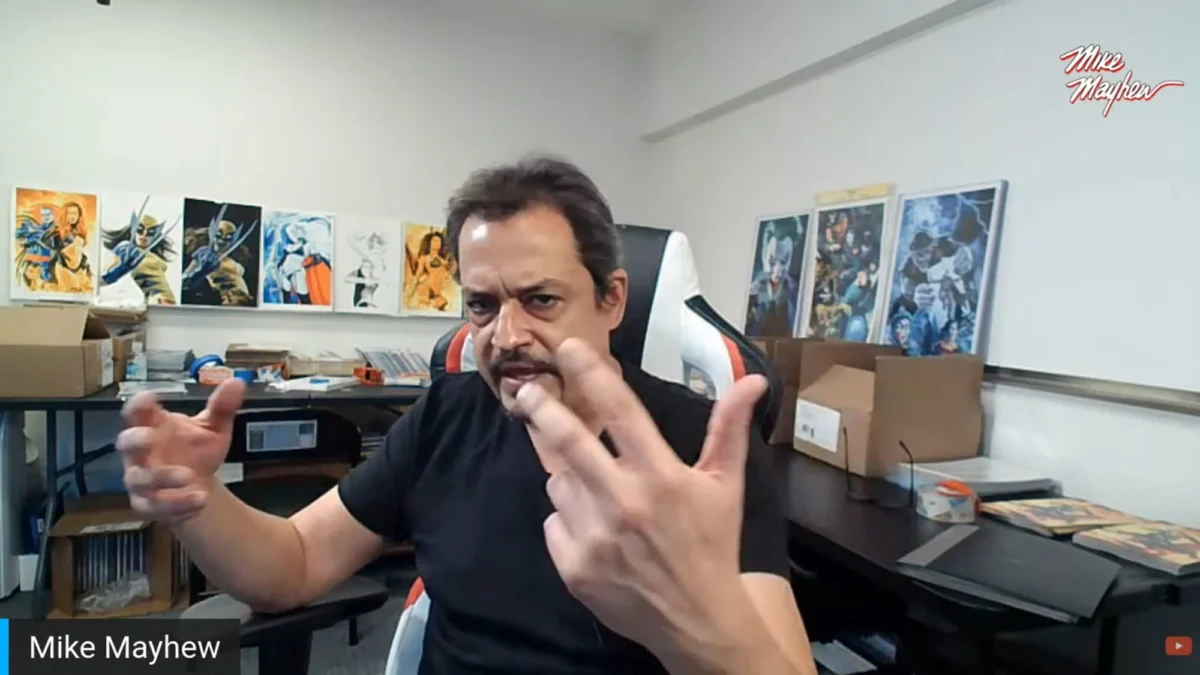
In the high-stakes world of comic book illustration, where the value of a single cover can soar into the thousands based on the presence of a signature or a sketch, a quiet schism has erupted into a public firestorm. Mike Mayhew, a luminary in the field known for his hyper-realistic renderings of icons ranging from Spider-Man to the denizens of the Star Wars galaxy, has issued a searing indictment of the modern comic book convention circuit. His “Summer 2026 Comic Con Manifesto,” posted to Instagram, has challenged the industry’s status quo, urging his peers to abandon the convention circuit in favor of direct-to-consumer independence.
The Manifesto: A Call for Creative Autonomy
Mayhew’s argument is rooted in the economics of artistic labor and the preservation of personal brand equity. For decades, the comic book convention has served as the nexus of the industry—a place where fans meet creators and retailers facilitate the sale of exclusive variants. However, Mayhew posits that this model has become a parasitic ecosystem.
“Fellow comic creators! Stop giving away equity in your future and your brand!” Mayhew declared in his manifesto. He characterizes the current retail landscape, particularly online shops that commission exclusive variants, as a volatile and predatory environment. According to Mayhew, these retailers—whom he disparagingly labels as “part-time, tourists”—are prone to mismanagement and greed, and when they fail, they drag the reputations and livelihoods of the artists associated with them into the gutter.
Beyond the financial risks, Mayhew highlights the “energy drain” of the convention lifestyle. He argues that artists are sacrificing their most precious resource—time—to cater to the whims of secondary markets. “60% of your energy will have been wasted on accommodating stores and fans,” he claims. His solution is a radical pivot toward self-sufficiency: stop touring, stop catering to third-party retailers, and embrace the “Mike Mayhew Studio” model, which leverages direct sales, signed editions, and curated collectibles to maintain control over both price and presentation.
A Chronology of the Discord
The debate ignited almost immediately following Mayhew’s post. While the sentiment of “artists taking back their power” is not new, the vitriol directed at the existing retail infrastructure caught many industry veterans off guard.
- The Launch: Mayhew’s Instagram manifesto drops, explicitly stating his withdrawal from the 2026 convention season and urging peers to follow suit.
- The Counter-Response: Shortly after, creators like Mitch Gerads, known for his definitive work on Mister Miracle, publicly disagreed with the pessimistic outlook, framing conventions as vital engines of inspiration rather than mere marketplaces.
- The Retailer Rebuttal: Dennis Barger, an iconoclastic figure in the comic retail space, weighed in, signaling that the friction between artists and the “exclusive cover” market has reached a boiling point.
- The Digital Polarization: The debate spilled over into various industry forums, with artists split between those who view conventions as essential social infrastructure and those who view them as inefficient, outdated labor sinks.
The Economics of the Exclusive Variant
To understand the intensity of Mayhew’s argument, one must understand the “exclusive variant” machine. In the modern market, a publisher authorizes a specific retailer to print a unique cover for a popular book. The retailer pays the artist a flat fee for the artwork, then marks up the final product significantly. The value proposition for the collector increases if the artist is physically present at a convention to sign or “remark” (draw on) the book.
Mayhew’s studio model cuts out the middleman. By selling directly to fans, he captures the entire margin that would otherwise go to the retailer. However, this shift requires a level of brand awareness and logistics management that not every artist possesses. Critics of Mayhew’s approach point out that while his personal brand is strong enough to survive off-circuit, many emerging artists rely on the exposure and networking provided by the very conventions he disparages.
Supporting Voices and Dissenting Opinions
The reaction from within the creative community has been sharply divided.
The Pro-Con Perspective
Mitch Gerads offered a humanistic rebuttal, emphasizing the intangible benefits of the convention experience. For many, the convention is the only time they interact with the people who actually buy their books. “I love cons. I love meeting new fans. I love seeing longtime fans. I love getting to hang out with my colleagues and friends,” Gerads noted. His stance highlights a fundamental divide: is a comic book creator a business entity focused on maximizing ROI, or is a creator a part of a community-driven craft?
The Cautious Agreement
Dan Panosian, a veteran penciller and inker with a storied career at Marvel and Image, has shown surprising receptivity to Mayhew’s message. Panosian, who has successfully navigated both the traditional publishing world and the creator-owned market, seems to recognize the validity of Mayhew’s critique regarding the instability of the retail market. If a figure as established as Panosian moves toward a “direct-only” model, it could signal a broader shift in how mid-to-high-tier creators approach their business.
The Retailer’s View
Dennis Barger, a long-time fixture in the retail scene, has been vocal about the friction between shops and artists. Retailers often feel that they take on the financial risk of printing and marketing these exclusive covers, while artists—often encouraged by their own studios—frequently look for ways to maximize their take-home pay by bypassing the retailers’ cut. Barger’s involvement adds a layer of conflict: if the retailers and the artists go to war, the market for physical variants could see a significant contraction.
Implications for the Industry
The “Mayhew Manifesto” raises existential questions for the future of comic book conventions. If high-profile artists begin to view these events as a net negative for their business, we may see a “hollowing out” of the creator guest lists.
1. The Death of the "Celebrity Artist" Convention
If the biggest names in the industry follow Mayhew’s lead, the primary draw for many conventions—the ability to meet and get work from A-list illustrators—will diminish. This could force conventions to pivot toward other forms of entertainment, such as cosplay, film/TV promotion, or gaming, fundamentally changing the nature of “Comic Con.”
2. The Rise of the Direct-to-Consumer Model
Mayhew is effectively advocating for the “Taylor Swift-ization” of the comic book art market—removing the gatekeepers and selling directly to a loyal, digitally engaged fan base. While this empowers the individual artist, it creates a high barrier to entry for younger creators who lack the capital or existing reputation to build their own distribution networks.
3. Market Saturation and Quality Control
Mayhew’s critique of “greed and stupidity” among retailers echoes a common complaint about the oversaturation of the variant market. By pulling out, Mayhew is essentially calling for a market correction. If fewer exclusive variants are produced, the value of those that remain may rise, but the total volume of comic sales could decrease, potentially impacting the publishers who rely on these exclusive deals to bolster their monthly sales figures.
Conclusion: A New Era of Professionalism?
Whether or not one agrees with Mike Mayhew’s tone, his manifesto represents a growing trend of professionalization among comic artists. The days of the “starving artist” relying solely on page rates from the Big Two publishers (Marvel and DC) are long gone, replaced by a complex, multi-channel business model.
Mayhew’s call to “double your prices” and reclaim creative autonomy is a challenge to the industry’s perception of the artist as a commodity. As the 2026 convention season approaches, the industry will be watching closely to see if this is merely a solitary protest or the start of a mass exodus. For now, the debate serves as a stark reminder that in the modern digital age, the power dynamic between the creator, the store, and the fan is being rewritten in real-time. Whether that rewrite leads to a more sustainable future or a fractured, elitist market remains to be seen.









No comments yet. Be the first to join the conversation!