
 Laily UPN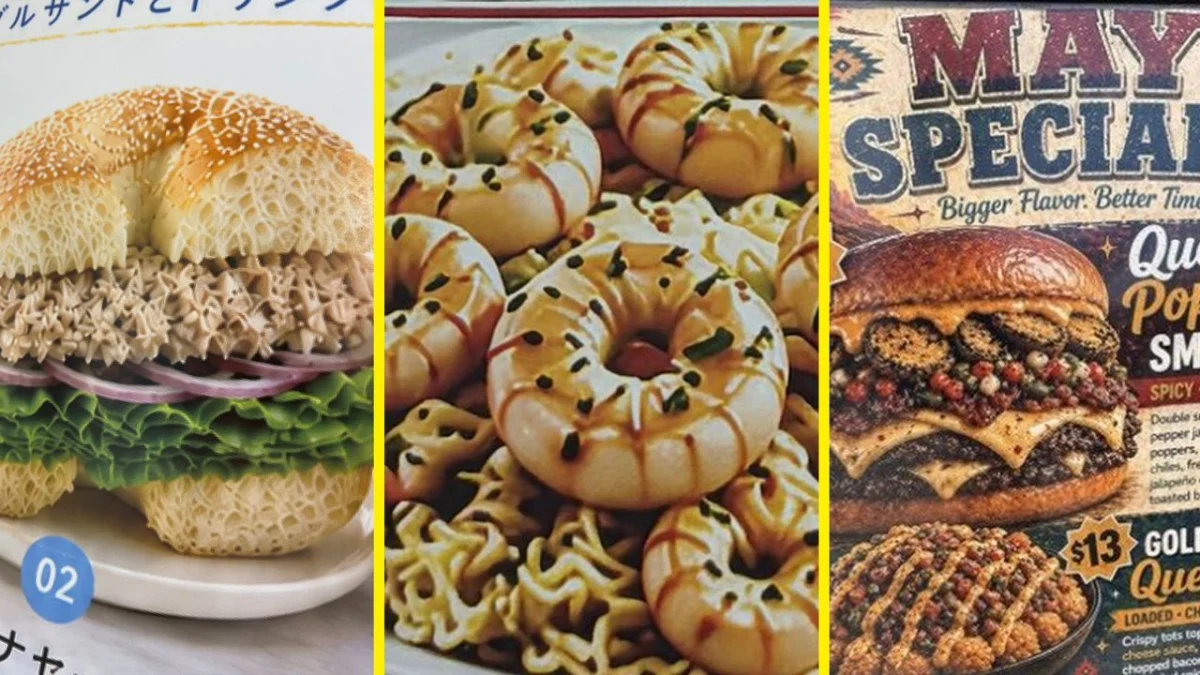
The hospitality industry is currently undergoing a strange, somewhat nauseating transformation. While major corporations—from Amazon to Uber Eats—have faced significant backlash for populating their platforms with unrequested AI-generated imagery, a more concerning trend has emerged at the local level. Small-scale restaurateurs, delis, and food trucks, seeking to streamline their marketing and menu design, are increasingly turning to generative AI to showcase their offerings.
The results are, by almost any metric, catastrophic. Instead of appetizing, high-definition culinary photography, consumers are being met with "nightmare fuel": distorted proteins, impossible textures, and menu items that look like they were pulled from a science-fiction horror film. This shift toward automated visual content has sparked a heated debate regarding quality control, consumer trust, and the slow erosion of authentic local branding.
The Chronology of the "AI Slop" Phenomenon
The rise of AI-generated menu imagery did not happen overnight, but rather followed the widespread accessibility of tools like Midjourney, DALL-E 3, and Stable Diffusion. By late 2024 and early 2025, the barrier to entry for professional-grade design plummeted.
For a busy small business owner operating on a shoestring budget, the allure of these tools was clear: why pay a local photographer or graphic designer to capture and edit high-quality images when a prompt could generate a "gourmet burrito" in seconds?
By mid-2026, the situation reached a breaking point. Social media platforms, particularly X (formerly Twitter), became a repository for "AI food horror." Users began documenting instances where local eateries, previously known for their honest, albeit amateur, "folk graphic design," pivoted to surreal, AI-rendered menus.
The timeline of public outcry is clear:
- Early 2026: Initial sightings of strange, "uncanny valley" menu photos appear on neighborhood forums and restaurant review sites.
- Mid-2026: A wave of viral posts captures the attention of tech reporters, who begin categorizing these images as "AI slop."
- August 2026: A series of high-profile threads featuring "trypophobia-inducing" burritos and "headless, tailless shrimp" in instant noodles turns the trend into a national conversation, with consumers declaring they would boycott any establishment utilizing such imagery.
The Disappearance of "Folk Graphic Design"
For decades, the charm of small-town dining was found in its imperfections. A deli might have had a poorly lit, slightly out-of-focus photo of a pastrami sandwich, but it was honest. It represented a tangible reality. This tradition of "folk graphic design"—the hand-drawn signs, the amateur Photoshop jobs, and the candid snapshots—served as a bridge of authenticity between the cook and the customer.
Generative AI has effectively severed that bridge. Critics argue that by replacing human-made, authentic assets with algorithmically generated hallucinations, businesses are signaling a profound lack of care. As one tech reporter recently noted, the "great tradition" of small-eatery visual storytelling is being replaced by a sterile, digital homogeneity that feels fundamentally dishonest. If a restaurant cannot be bothered to present a real image of its food, the consumer is left to wonder: what else are they cutting corners on?
Supporting Data and Consumer Sentiment
The backlash is not merely aesthetic; it is economic. Market sentiment analysis indicates that for the food and beverage industry, visual trust is paramount. Data gathered from recent social media discourse highlights several key consumer pain points:
- The "Quality Control" Correlation: Customers consistently link the use of AI imagery to the quality of the food. If an owner is willing to display a photo of a "radioactive-looking" dish, the assumption is that their attention to detail in the kitchen is equally lacking.
- The Trypophobia Factor: A significant segment of the population experiences physical discomfort or disgust when viewing the clustered, repetitive, and often "alien" textures that AI often produces. This triggers a visceral "stay away" response that goes beyond mere annoyance.
- The "Bankruptcy" Prediction: Comments across multiple platforms suggest that customers view AI-menu adoption as a sign of financial instability or imminent closure, creating a self-fulfilling prophecy where customers stop visiting, thereby accelerating the business’s decline.
Official Responses and Industry Silence
To date, few, if any, restaurant chains or small businesses have issued formal statements defending their use of AI-generated imagery. The silence is telling. Many of these businesses likely view the backlash as a temporary misunderstanding, failing to grasp that their customers perceive the AI imagery as an act of deception rather than a marketing innovation.
Conversely, major design agencies and industry experts have been vocal. Agencies, particularly those specializing in hospitality branding, emphasize that professional photography is an investment in consumer psychology. When a brand uses AI to "fake" its menu, it forfeits the emotional connection that is essential for long-term customer loyalty. The consensus among creative professionals is that while AI can assist in the process of design, it is a dangerous substitute for the product of design.
Implications for the Future of Small Business
The shift toward AI-generated imagery carries significant long-term implications for the hospitality sector.
1. The Erosion of Brand Trust
In an era of hyper-curated content, the "authenticity tax" is rising. Small businesses that rely on AI-generated "slop" are inadvertently positioning themselves as low-trust, low-quality operators. Once a customer has been "creeped out" by a menu, it is notoriously difficult to win them back.
2. The Value of Human Curation
We are likely to see a "counter-movement" in the coming years. Restaurants that double down on genuine, human-captured imagery—even if it is imperfect—will likely find a competitive advantage. The human element, including the specific lighting, the styling, and the "flaws" in a real photograph, provides a psychological reassurance that the food is safe, real, and prepared by a human being.
3. The Need for Digital Literacy
Small business owners are often time-poor and tech-illiterate, making them prime targets for AI marketing tools that promise "professional results in seconds." There is a critical need for education within the small business community regarding the risks of generative AI. Business owners need to understand that their digital storefront is their first point of contact with a customer, and in the food industry, that contact must be appetizing.
Conclusion: Why Realism Wins
The "AI-generated menu" is, at its core, an attempt to bypass the hard work of building a brand. But as the current backlash demonstrates, there is no shortcut to building consumer trust. The visceral, often disturbing nature of AI-generated food imagery acts as a repellent, signaling to the customer that the establishment prioritizes convenience over quality.
For the deli owner or the food truck operator, the lesson is simple: if you wouldn’t serve a dish that looks like it was made by a "brain-damaged space alien," don’t put a picture of one on your wall. The tradition of folk graphic design—with all its quirks, shadows, and honesty—is not just a relic of the past; it is the heartbeat of local, authentic, and successful hospitality. In a world increasingly saturated with digital fabrications, the most radical and effective marketing strategy remains the truth.


 Dwi Wanna
 Lina Irawan




