

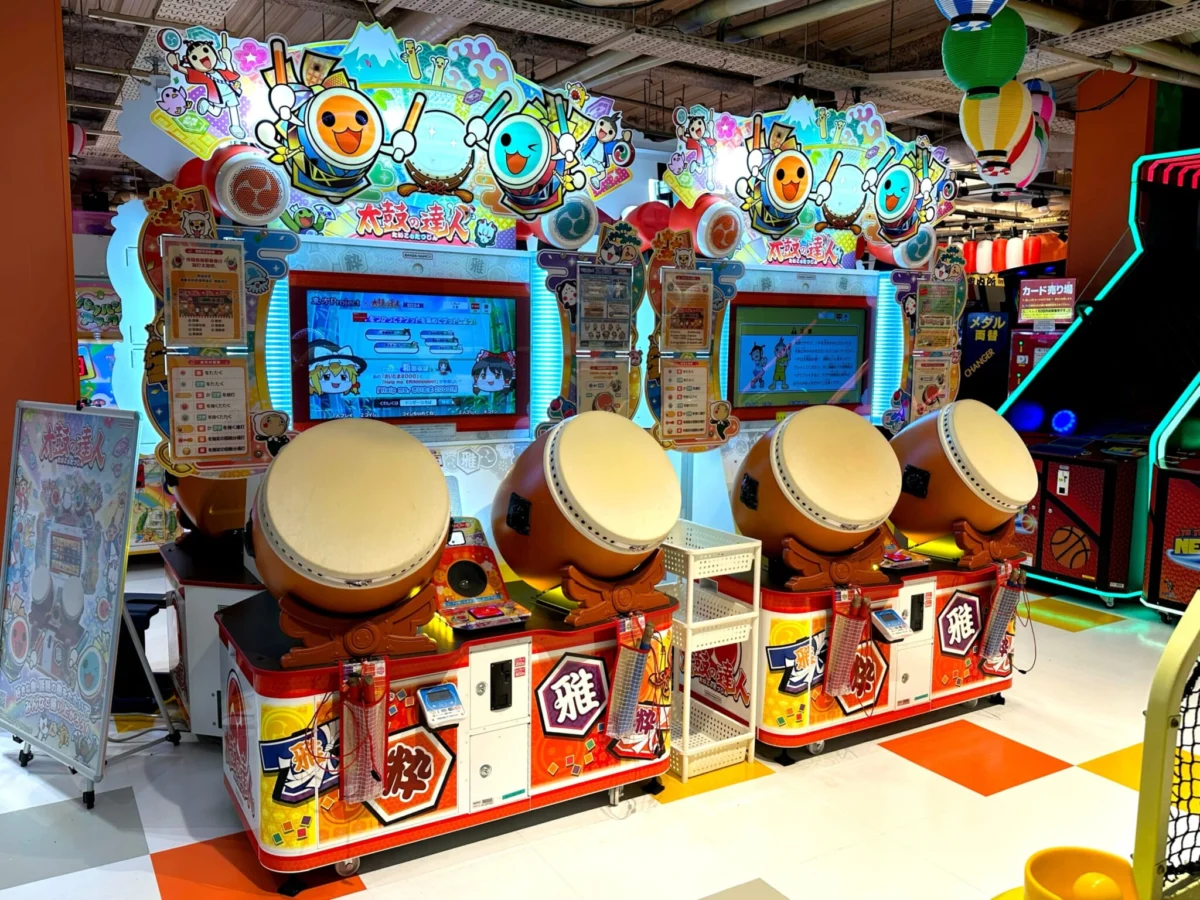
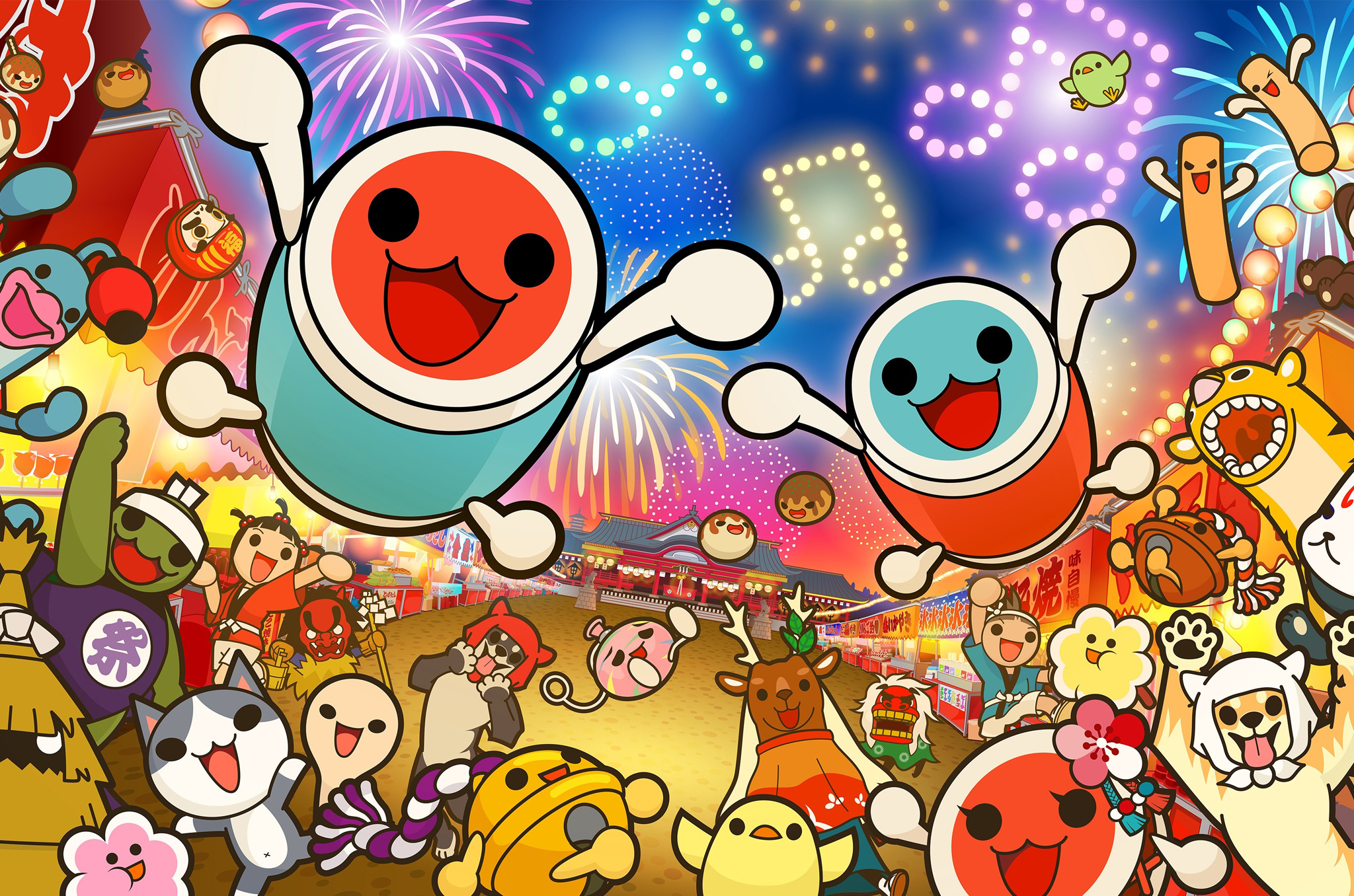
If you have ever wandered through the neon-lit corridors of a Japanese arcade, you have undoubtedly felt the rhythmic heartbeat of the country’s gaming culture. It is a thunderous, unmistakable sound: the resonant thwack of wooden drumsticks striking a taut drum face, followed by the high-pitched, jubilant cry of "Don-Don Don-Katsu!" This is the signature call of Taiko no Tatsujin (literally "Taiko Drum Master"), the legendary rhythm franchise that has defined a generation of arcade gaming.
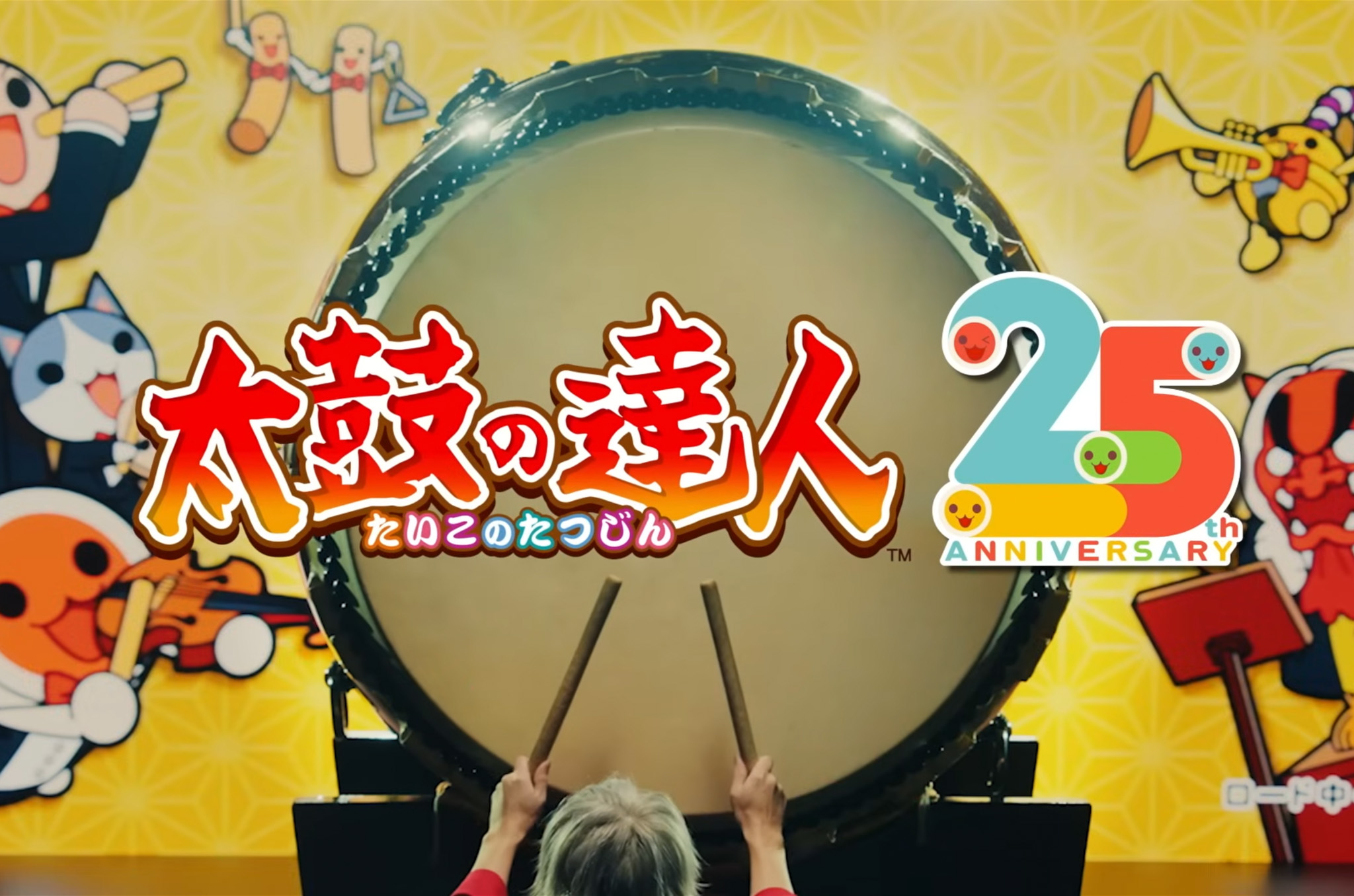
On February 21, 2026, the series officially reached its 25th anniversary. To commemorate a quarter-century of global drumming, Bandai Namco has launched an ambitious, year-long celebration, proving that even after two and a half decades, the rhythm—and the mascot, Don-chan—has never been stronger.
A Legacy of Simplicity: The Core Appeal
The genius of Taiko no Tatsujin lies in its deceptively simple premise. At the turn of the millennium, the rhythm game genre was dominated by complex, button-heavy interfaces and DJ-focused simulators. In contrast, Bandai Namco’s title opted for universal accessibility. The mechanics are elegantly straightforward: red notes (Don) require a strike on the drum face, while blue notes (Ka) require a strike on the rim.
This low barrier to entry—combined with an incredibly high skill ceiling for competitive players—has allowed the franchise to thrive across three different decades. With a catalog spanning approximately 3,000 songs, the game acts as a living archive of popular music, featuring everything from contemporary J-Pop and anime theme songs to intricate classical remixes and original game compositions. Today, more than 5,000 arcade cabinets remain in active operation across Japan, with an additional 1,900 units scattered across the globe, cementing its status as an international cultural export.
The Origin Story: From Plastic Buckets to Global Phenomenon
The history of Taiko no Tatsujin is a masterclass in grassroots innovation. In 2000, the rhythm game market was facing a period of stagnation, and sales teams were notoriously skeptical of investing in new music-based hardware. Takehito Sasaoka, a visionary designer now with Bandai Namco Amusement Lab Inc., sought to capture the visceral, communal joy of a traditional Japanese matsuri (summer festival).
Legend has it that Sasaoka’s first prototype was remarkably humble: he taped the bottom of a plastic bucket and used two spare wooden sticks to simulate the drumming experience. When he demonstrated the prototype to his colleagues, the immediate, addictive nature of the gameplay was undeniable.
The transition from a bucket to a premium arcade cabinet required obsessive attention to detail. Designers based the cabinet’s dimensions on a traditional wadaiko drum, measuring 1 shaku 6 sun (approximately 48 centimeters). The team spent months calibrating the weight of the bachi (drumsticks) to ensure they were light enough for children to swing effortlessly, yet possessed enough heft to provide a satisfying tactile rebound.
Interestingly, the game’s expansion into Western markets revealed a fascinating cultural divide. In Japan, the intuitive nature of the drum was immediate. However, international players were often puzzled by the "blue note" mechanic—the idea of hitting the rim of the drum to produce a different sound. Bandai Namco had to invest significant effort into crafting visual tutorials for non-Japanese audiences. Today, those "blue note" mechanics are a universal language for rhythm gamers worldwide.
Chronology: A Quarter-Century of Drumming
- 2001: Taiko no Tatsujin makes its debut in Japanese arcades on February 21, immediately becoming a cultural sensation.
- 2002: The franchise makes the leap to home consoles, introducing the iconic plastic drum controller that would become a staple in living rooms globally.
- 2005–2010: Expansion into international markets begins in earnest, with localized versions reaching various regions.
- 2017: The release of Taiko no Tatsujin: Drum ‘n’ Fun! for the Nintendo Switch introduces the franchise to a massive new generation of Western console players, utilizing Joy-Con motion controls.
- 2022: Taiko no Tatsujin: Rhythm Festival launches, further expanding the franchise’s presence on PC (Steam), PlayStation 5, and Xbox Series X|S, successfully transitioning to a multi-platform service model.
- 2026: The 25th Anniversary celebration begins, featuring the "Don-chan’s Super Wagamama Project."
The "Super Wagamama" Anniversary: Official Responses and Initiatives
Bandai Namco is not treating this milestone as a mere retrospective. Instead, the company has positioned the franchise’s mascot, Don-chan, as the architect of a year-long party dubbed "Don-chan’s Super Wagamama Project." The campaign allows project coordinators to humorously "fulfill" the mascot’s whims, resulting in a flurry of content updates.
Don-chan the Producer
In a meta-twist, Don-chan has been named "Don-chan P" (Producer). Under this title, the company has released a four-part song campaign. The inaugural track, "Re:Play!!," features the vibrant vocals of Nanahira and Yoko Takamitsu. The song serves as a sonic bridge, blending high-energy modern beats with nostalgic melodies reminiscent of the franchise’s early 2000s roots.
The Makeover Project
Recognizing the power of visual identity, Don-chan is undergoing an eight-part "Makeover Project." Collaborating with various artists and designers, the mascot is exploring new aesthetic iterations, starting with a "Kawaii" theme. To engage with fans, Don-chan has temporarily "hijacked" the official global X (formerly Twitter) account, providing a direct, whimsical line of communication between the franchise and its community.
Supporting Data and Market Impact
The transition from arcade cabinets to home consoles has been a cornerstone of the franchise’s longevity. Since the release of the first home version, the series has sold over 13 million units worldwide. This success is particularly notable on the Nintendo Switch, where the accessibility of the hardware has made Taiko no Tatsujin a household name outside of Japan.
The economic footprint of the anniversary is equally robust. Bandai Namco is offering significant discounts across all platforms, including Steam, Xbox, and PlayStation, to encourage new players to join the ecosystem. Furthermore, the company has doubled down on physical merchandise. Amusement centers are currently rolling out exclusive "crane game" prizes, ranging from high-quality branded headphones to limited-edition "My Bachi"—the personalized, professional-grade drumsticks that serious hobbyists use to distinguish themselves in the arcade.
Implications for the Future of Rhythm Gaming
The 25th anniversary of Taiko no Tatsujin serves as a case study for how legacy gaming franchises can maintain relevance in an era of fleeting trends. By balancing the "physicality" of the arcade experience with the digital accessibility of console and mobile ports, Bandai Namco has successfully bridged the gap between old-school gaming culture and modern digital distribution.
The "U-25 Song Search" initiative and the ongoing collaborations across the gaming industry suggest that Bandai Namco views the next quarter-century as a period of continued expansion. As the line between traditional gaming and music-based entertainment continues to blur, Taiko no Tatsujin is uniquely positioned to remain the gold standard.
Whether it is a child picking up the bachi for the first time in a Tokyo arcade or a veteran player hitting a perfect "full combo" on a home console in London, the core experience remains unchanged: the simple, rhythmic joy of hitting a drum. As long as there is music to play, Don-chan will be there, waiting for the next beat. Here’s to the next 25 years of Don-Don Don-Katsu!











