Laily UPN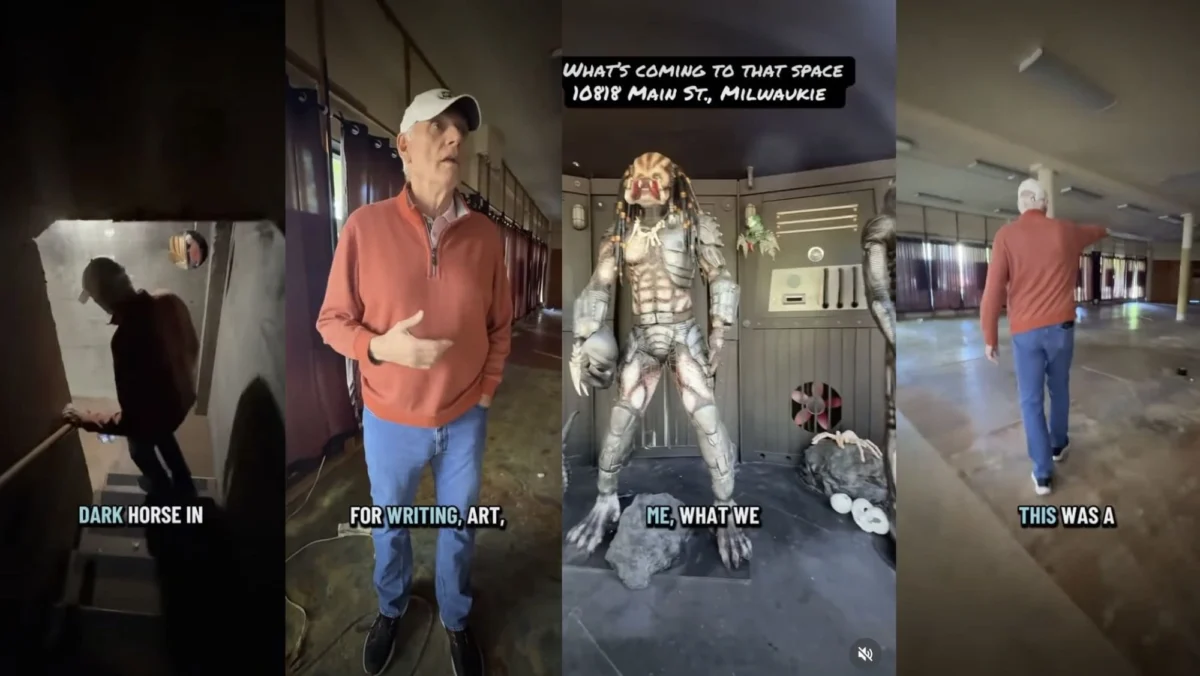
In an industry defined by epic origin stories, few are as compelling—or as ironic—as the current chapter of Mike Richardson’s career. Forty years ago, Richardson founded Dark Horse Comics, turning a humble bookstore venture into a powerhouse that would reshape the landscape of graphic storytelling. Today, in a move that feels both like a reclamation and a final act of defiance, Richardson is opening the Milwaukie Pop Culture Museum—located directly beneath the offices of the very company that recently ousted him.
The situation is a study in professional irony. While Richardson no longer holds the reins at the publishing house he built, he remains the landlord of the building that houses its corporate headquarters. This spatial proximity sets the stage for one of the most intriguing cultural developments in the Pacific Northwest’s creative scene.
The Foundations of an Industry: How Portland Became a Comic Hub
To understand the gravity of Richardson’s new museum, one must first understand the seismic shift he brought to the comic book industry. The Portland metro area, and specifically the city of Milwaukie, has evolved into a global epicenter for sequential art. This was not a coincidence; it was a deliberate cultivation of talent and infrastructure spearheaded by Richardson.
Richardson, an alumnus of Portland State University, initially established his foothold in the industry through Pegasus Fantasy Books. The success of this retail endeavor provided the capital to launch Dark Horse Comics in 1986. From the outset, Richardson operated with a "raider" mentality. He wasn’t just looking to publish books; he was looking to disrupt the status quo.
"We had a huge effect on the industry. We changed the way things were done," Richardson told The Oregonian in a recent interview. "I’ve moved over a hundred people over the years—artists, writers. I raided Marvel. I raided San Diego Comic-Con."
This aggressive recruitment philosophy acted as a magnet for creative professionals. By creating a collaborative environment, Richardson inadvertently—and later, quite intentionally—built a creative ecosystem. The subsequent migration of publishers like Oni Press (founded by former Dark Horse employees), Image Comics, and the establishment of various independent studios turned Portland into a comic book "Silicon Valley."
A Chronology of Influence: From Pegasus to the Museum
The trajectory of Mike Richardson’s career can be categorized into four distinct eras:
- The Retail Genesis (Early 1980s): The founding of Pegasus Fantasy Books, later rebranded as Things From Another World. This established the financial foundation and the retail instincts that would later define Dark Horse’s market-savvy approach.
- The Dark Horse Era (1986–2020s): The birth of the publisher. Richardson steered Dark Horse through the rise of creator-owned properties, the expansion into licensed media (such as Aliens, Predator, and Hellboy), and the company’s massive pivot into film and television production.
- The Corporate Transition: Following the acquisition of Dark Horse by new ownership, Richardson found himself at odds with the changing guard. The eventual termination of his employment marked the end of a forty-year tenure at the helm.
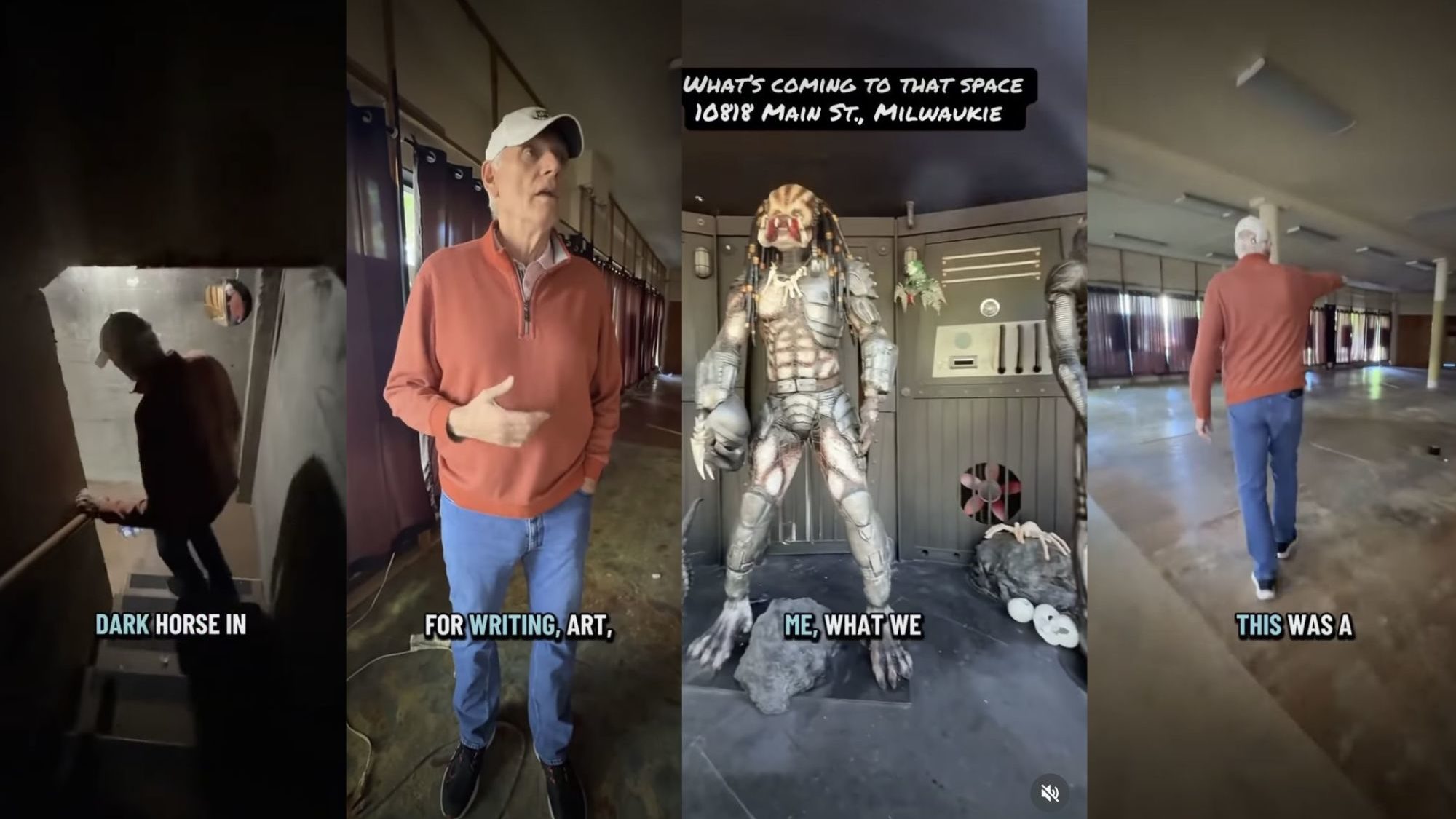
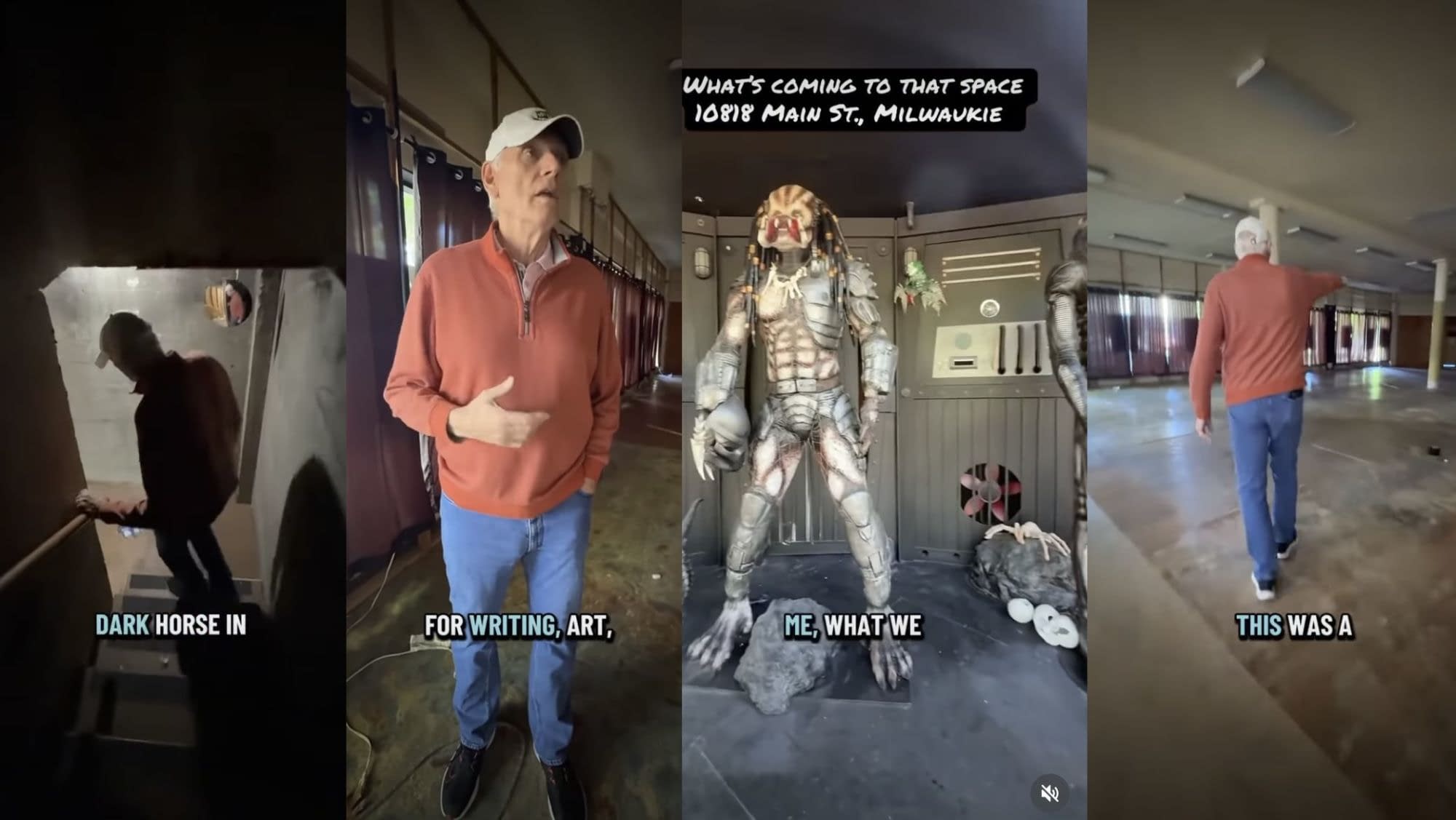
- The Museum Era (Present): By utilizing the 14,000-square-foot space at 10818 Main Street—a property he still owns—Richardson is pivoting from corporate executive to curator and educator.
Supporting Data: The Concentration of Creative Capital
The concentration of comic book talent in the Portland area is unparalleled. A cursory list of the creators who have planted their roots in the region reads like a "Who’s Who" of the modern industry: Brian Michael Bendis, Kelly Sue DeConnick, Matt Fraction, Steve Lieber, Greg Rucka, and Colleen Coover, among many others.
Beyond individual creators, the infrastructure is robust. Organizations like the Comic Book Legal Defense Fund and the annual Rose City Comic Con further anchor the region’s identity. The presence of studios like Helioscope (formerly Periscope) serves as a testament to the sustainability of the scene. Much of this infrastructure exists because Richardson chose to plant his flag in the Pacific Northwest four decades ago. His influence provided the gravitational pull necessary to keep this talent concentrated in one geographic location rather than dispersed across the traditional hubs of New York or Los Angeles.
The Museum as a Cultural Statement
The Milwaukie Pop Culture Museum is not merely a display case for memorabilia; it is a declaration of legacy. The collection is anchored by pieces that reflect the massive scale of Richardson’s career, most notably the 30-foot Alien Queen from the Aliens franchise.
The story behind the prop is classic Richardson: it was acquired as part of a settlement with Fox regarding a $30,000 marketing dispute during his tenure publishing the Aliens comics. It is a symbol of both his shrewd business negotiations and his deep-seated connection to the intellectual properties that built the Dark Horse empire.
The 14,000-square-foot facility, previously the online operations hub for Things From Another World, will serve multiple purposes. It is designed to be an educational center, offering classes in art, writing, and film. Richardson intends to leverage his extensive network—built over forty-two film and series productions—to bring in guest speakers and mentors.
"I want to show people that a career in the arts is not just a dream," Richardson has indicated. "It is a viable, sustainable path if you have the right guidance and the right tools."
Implications: A Building Divided
Perhaps the most compelling aspect of this story is the physical layout. The museum sits directly below the current offices of Dark Horse Comics. The top floor of the building remains leased by the publisher, creating a unique, albeit potentially awkward, corporate proximity.
The implications for the industry are profound. First, it ensures that the history of Dark Horse Comics—the successes, the risks, and the culture—remains in the hands of its founder, even if the corporate entity has moved on. By curating a section dedicated to the history of the publisher, Richardson essentially retains the "narrative rights" to the company’s legacy.
Second, it serves as a subtle, permanent reminder of the founder’s influence. Every time the current Dark Horse employees enter or exit the building, they are greeted by the physical embodiment of the company’s origins. It is a bold, public-facing move that secures Richardson’s place in history while simultaneously inviting the public to engage with the creative process.
Conclusion: The Final Cut
When asked about the potential for future interaction between the museum and the tenants above, Richardson remains focused on the bigger picture. His goal is to foster a new generation of creators, utilizing the space to bridge the gap between amateur enthusiasm and professional execution.
The irony of being fired by the company he founded, only to remain the landlord of its headquarters and open a museum in its shadow, is not lost on him. It is, perhaps, the most "Dark Horse" ending imaginable—a move that values substance, legacy, and a bit of theatrical flair.
As the doors to the Milwaukie Pop Culture Museum prepare to open later this year, the industry will be watching. For the creators who moved to Portland because of Mike Richardson, this space represents more than just a collection of props and art; it represents the living, breathing history of a creative revolution that changed the way the world consumes stories.
Whether this leads to a new collaboration or remains a symbolic standoff, one thing is certain: Mike Richardson isn’t going anywhere. He is still, in every sense of the word, the master of the house.

 Sagoh
Sagoh
 Ammar Sabilarrohman