Nana Muazin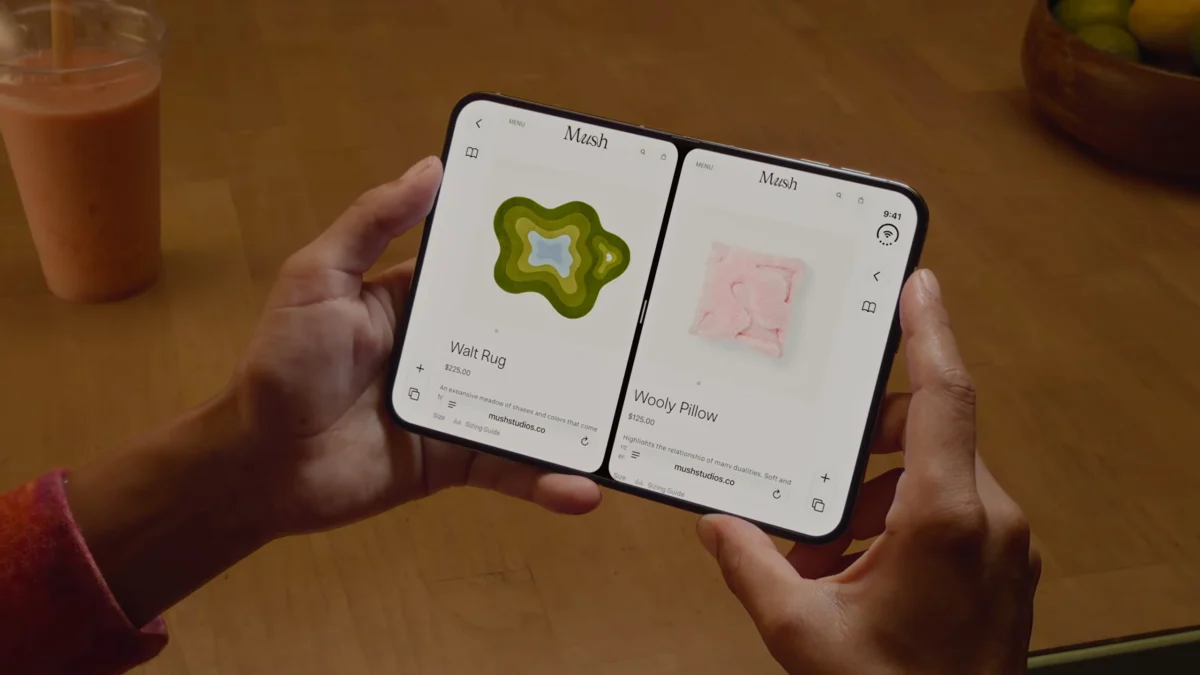
For years, the technology sector has been gripped by a singular, persistent rumor: the inevitable arrival of a folding iPhone. Industry analysts, enthusiasts, and skeptics have spent the better part of a decade debating whether Apple would ever venture into the foldable form factor that has defined the latest evolution of Android devices. While competitors like Samsung and Google established a foothold in the foldable market, Apple remained silent—until now.
In a move that has stunned both the design community and the consumer electronics market, Apple has officially unveiled the "iPhone Duo." Breaking away from the expected "Fold" or "Ultra" branding, Apple is positioning this device not as a luxury gimmick, but as a paradigm shift in mobile productivity. The Duo is marketed as a two-in-one hybrid, a device that aims to bridge the gap between the pocketable smartphone and the portable tablet.
The Genesis of the Duo: A Chronology of Anticipation
The journey to the iPhone Duo has been characterized by intense speculation. For years, supply chain leaks hinted at screen prototypes and hinge testing, leading to a climate of "will they, won’t they" that permeated every Apple event cycle.
- The Early Rumors (2018–2020): Reports first emerged suggesting that Apple was researching "flexible display technology." Patents filed during this period depicted a dual-screen device connected by a central hinge, though critics were quick to point out that Apple rarely releases technology until it has been perfected.
- The Competitive Pressure (2021–2023): As the Samsung Galaxy Z Fold series gained traction, the narrative shifted. Tech journalists frequently questioned if Apple was losing its "innovator" status. During this time, the "iPhone Fold" became the most anticipated vaporware in the tech world.
- The Pivot to Branding (Early 2024): Insider whispers shifted from the hardware itself to the naming conventions. Would it be the iPhone Air? The Pro Fold? The industry consensus leaned toward a premium, high-cost device.
- The Reveal (Present Day): In a surprise announcement, Apple dropped the "Duo" moniker, signaling a shift in their ecosystem philosophy. By leaning into the "Duo" name, Apple is framing the device as a marriage of two distinct product lines rather than a simple foldable screen.
Deconstructing the Hardware: Data and Specifications
The iPhone Duo is not merely a screen that bends; it is an exercise in complex engineering. At its core, the device features a 7.6-inch internal display, which, when unfolded, offers a surface area remarkably close to the 8.3-inch iPad mini.
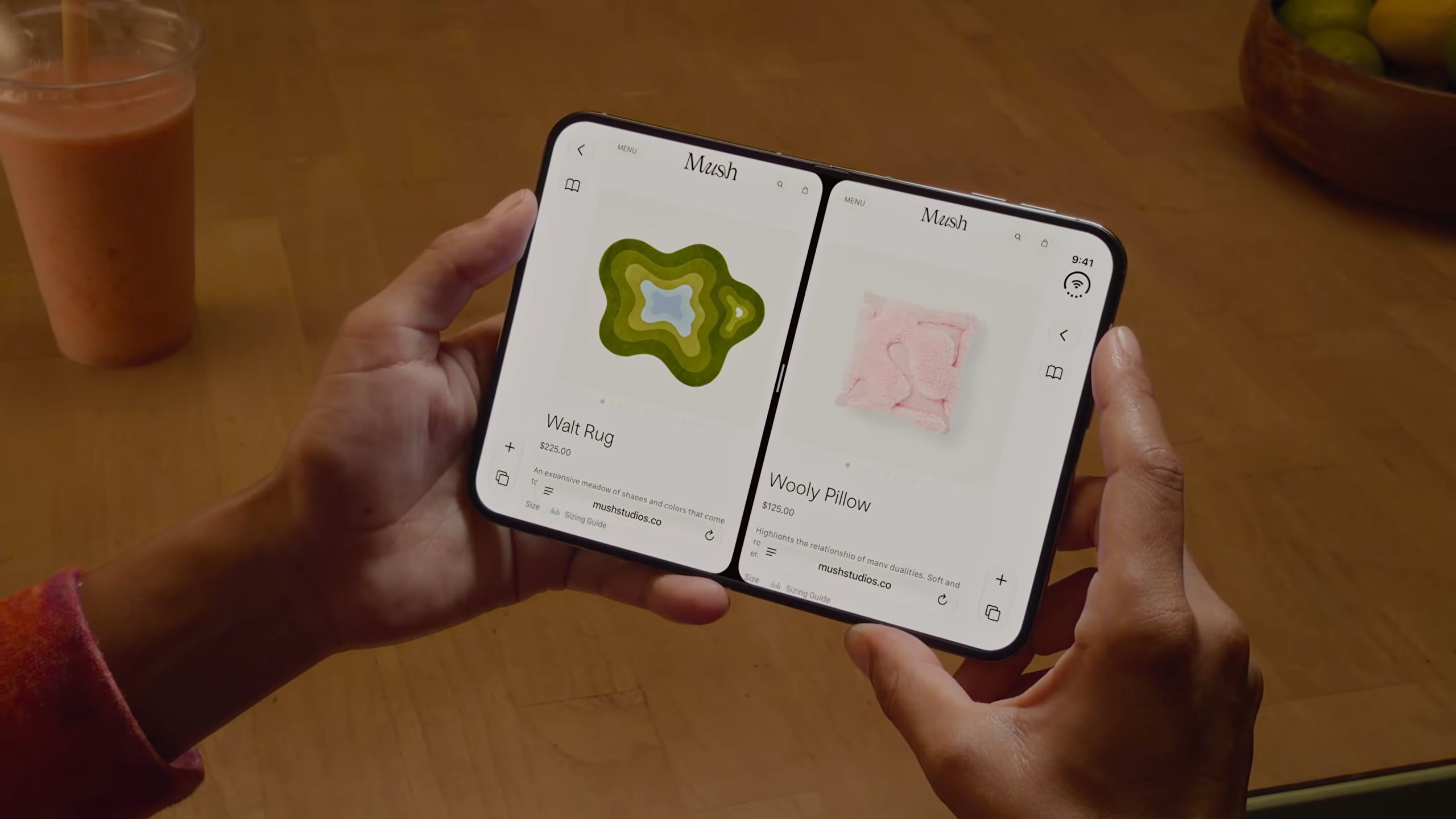
Key Technical Considerations:
- The Display: Utilizing a proprietary LTPO OLED panel, the Duo boasts a refresh rate that scales from 1Hz to 120Hz, ensuring battery efficiency when in "phone mode" and high-performance fluidity in "tablet mode."
- The Hinge Mechanism: Apple claims its "Fluid-Flex" hinge is rated for over 300,000 folds. By using a teardrop-shaped folding architecture, the company has managed to minimize the visible crease that has plagued many of its competitors.
- The Price Barrier: Launching at a starting price of $2,000, the Duo is positioned firmly in the "ultra-premium" tier. This price point is not accidental; it represents the cost of purchasing both a high-end iPhone and an iPad mini separately, a comparison Apple is actively courting in its marketing materials.
- Compatibility: A notable technical caveat is the device’s stylus support. The iPhone Duo is exclusively compatible with the USB-C version of the Apple Pencil. The exclusion of the Apple Pencil Pro has left some creative professionals scratching their heads, suggesting a tiered strategy that may keep power-users tethered to the iPad Pro line.
A Marketing Departure: The TikTok Campaign
Perhaps the most jarring aspect of the launch has been Apple’s pivot toward irreverent, almost surrealist marketing. In a bold campaign on TikTok titled "The Making of iPhone Duo," Apple presented a short, stylized video featuring an iPhone Air and an iPad mini sharing a romantic, candlelit dinner.
The implication—that the two devices "conceived" the iPhone Duo—has ignited a firestorm of discussion. For a company historically known for sleek, minimalist, and somewhat stoic advertising, this foray into "zany" content marks a significant tonal shift.
Public reaction has been polarized. On social media platforms, the sentiment ranges from confusion to amusement. "I’d never thought Apple would make an advert like this," one user remarked on X (formerly Twitter), while another joked about the "intimacy" of the product lineup. This strategy appears aimed at a younger demographic, signaling that Apple is willing to trade its "prestige" image for "virality" in an increasingly fragmented social media landscape.
Implications for the Creative Industry
For the professional creative, the iPhone Duo presents a complex value proposition. On paper, the device is a dream: a portable canvas that allows for on-the-go illustration, high-fidelity video editing, and complex multitasking.
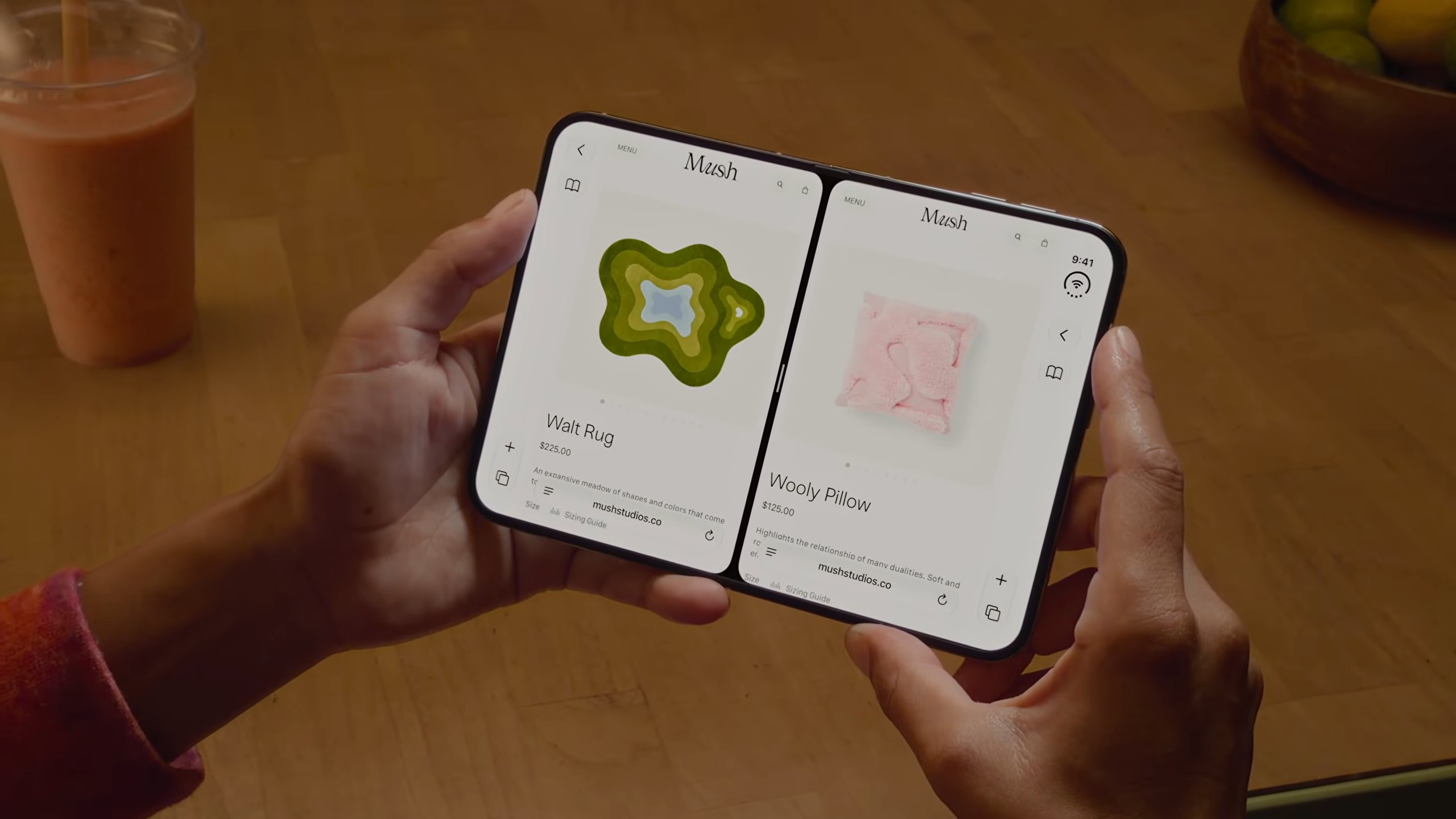
However, the reality of the ecosystem creates a "Goldilocks" dilemma. With the combined cost of an iPhone and an iPad mini often falling under $1,500, the $2,000 entry price of the Duo forces users to ask: is convenience worth a $500 premium?
The Productivity Bottleneck
The limitations on Apple Pencil support suggest that the Duo is intended for the "prosumer" rather than the professional illustrator or cinematographer. By restricting the device to the USB-C Pencil, Apple is drawing a clear line in the sand—this is a device for consumption and light creation, not for the heavy-duty workflows that characterize the iPad Pro or Mac lineups.
Ecosystem Fragmentation
The arrival of the Duo also complicates the Apple ecosystem. As the lines between iPhone and iPad blur, developers will need to reconsider how their apps function across these shifting dimensions. Will apps be forced to adapt to "Duo mode," or will they simply scale their tablet versions? The burden of this transition will fall on the shoulders of the app development community, who are now tasked with ensuring their software feels native on a screen that changes shape.
The Official Stance: What Apple Isn’t Saying
While Apple’s public marketing focuses on the "romantic" union of products, the company’s internal messaging remains focused on the "seamless experience." During the unveiling, executives emphasized the continuity of the OS, noting that the Duo allows users to "transition from a quick text to an immersive design session in a single, fluid gesture."
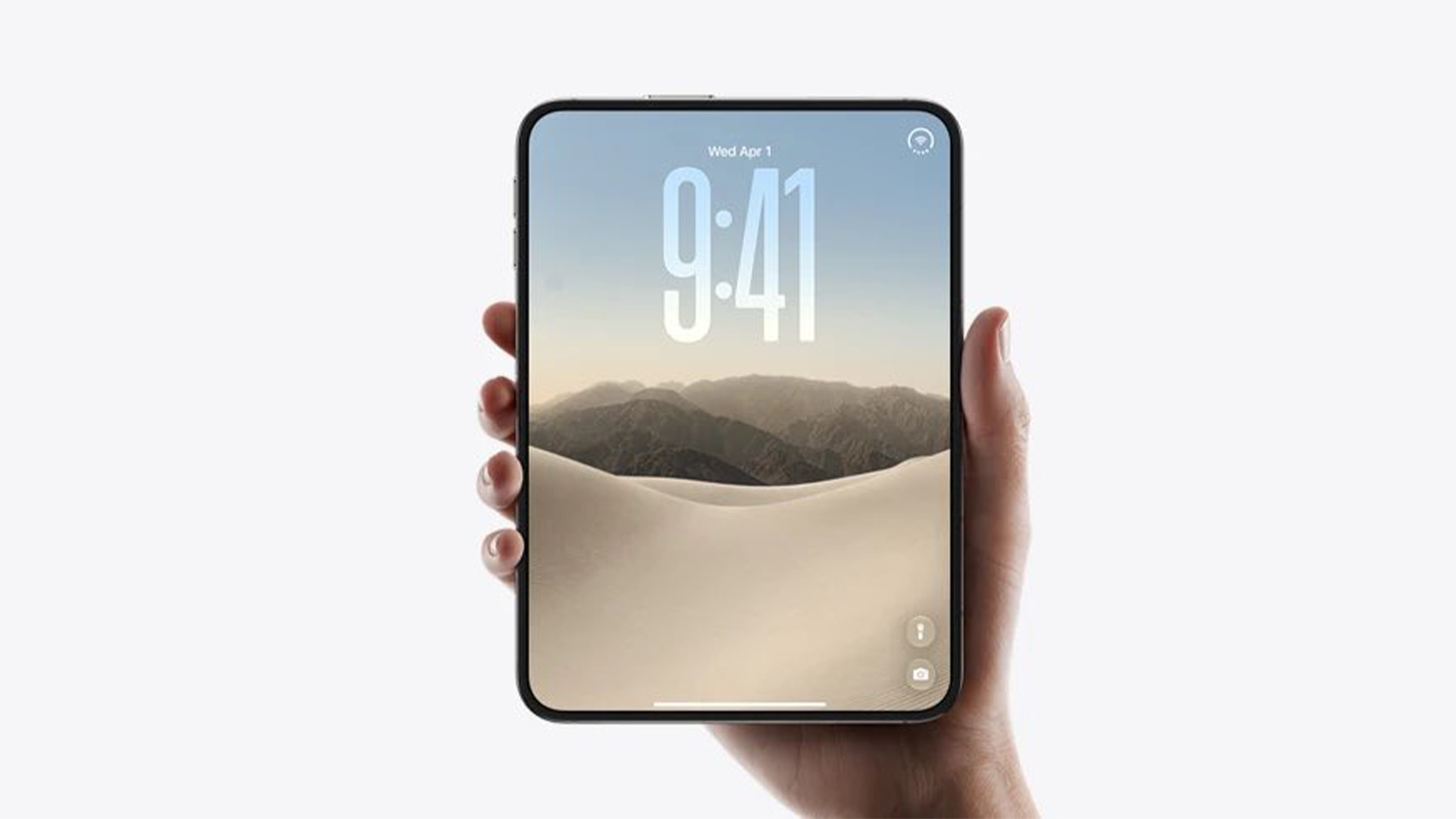
What remains unspoken is the long-term impact on the iPad mini. If the iPhone Duo successfully captures the portable tablet market, does the iPad mini become redundant? Apple’s refusal to address the potential for "cannibalization" of its own products suggests a "survive or thrive" mentality. The company seems confident that users will find specific, distinct use cases for both the tablet and the foldable phone, though only time will tell if the market agrees.
Conclusion: A New Chapter or a Risky Bet?
The iPhone Duo is undeniably a technological marvel, representing the pinnacle of Apple’s current display and hinge manufacturing capabilities. Yet, it arrives at a time of uncertainty. By pricing the device at $2,000 and marketing it with unconventional, tongue-in-cheek advertisements, Apple is testing the loyalty and the wallets of its user base.
For the casual consumer, the Duo is a status symbol—a way to carry a "tablet in your pocket." For the creative, it is a tool with caveats, a device that promises the moon but restricts the accessories necessary to reach it.
As the first units reach the hands of users and reviewers, the conversation will shift from "What is it?" to "Do we really need it?" Apple has officially entered the foldable race, but the battle for the future of the hybrid device is only just beginning. Whether the iPhone Duo becomes a staple of the mobile industry or a curious footnote in Apple’s history will depend on whether the company can justify its premium price through pure, unadulterated utility. For now, the world is watching—and for the first time in years, Apple is no longer the quiet observer of the folding trend, but the protagonist of a very complicated, very expensive, and very public experiment.

 Reynand Wu
 Basiran