

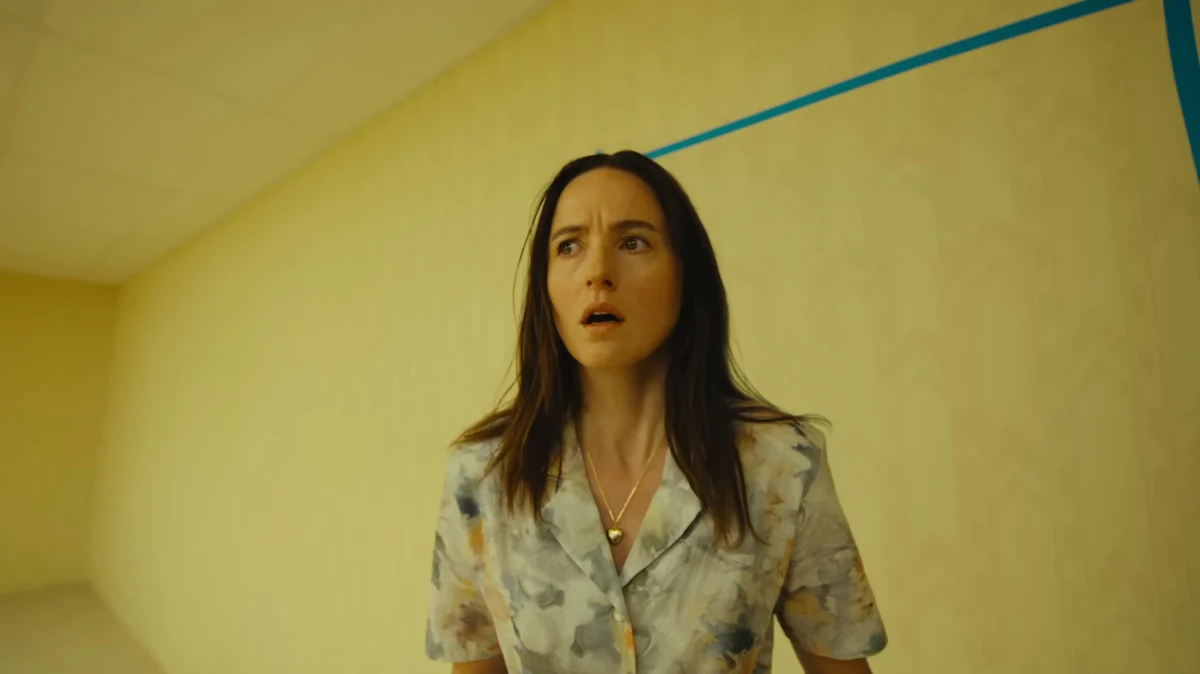
The cinematic landscape has undergone a seismic shift this past weekend, one that signals not just a change in audience preference, but a fundamental transition in the power dynamics of Hollywood. In a stunning display of cultural realignment, two horror films—Backrooms and Obsession—have outperformed established franchises and legacy intellectual property (IP), effectively declaring that the era of traditional studio dominance is being challenged by a new generation of creators.
This is not merely a "horror renaissance." Horror has long been the reliable workhorse of the industry. Rather, this is a watershed moment where the industry’s gatekeepers have been bypassed by digital-native filmmakers who have successfully bridged the gap between YouTube’s creator economy and the multiplex.
The Data Behind the Disruption
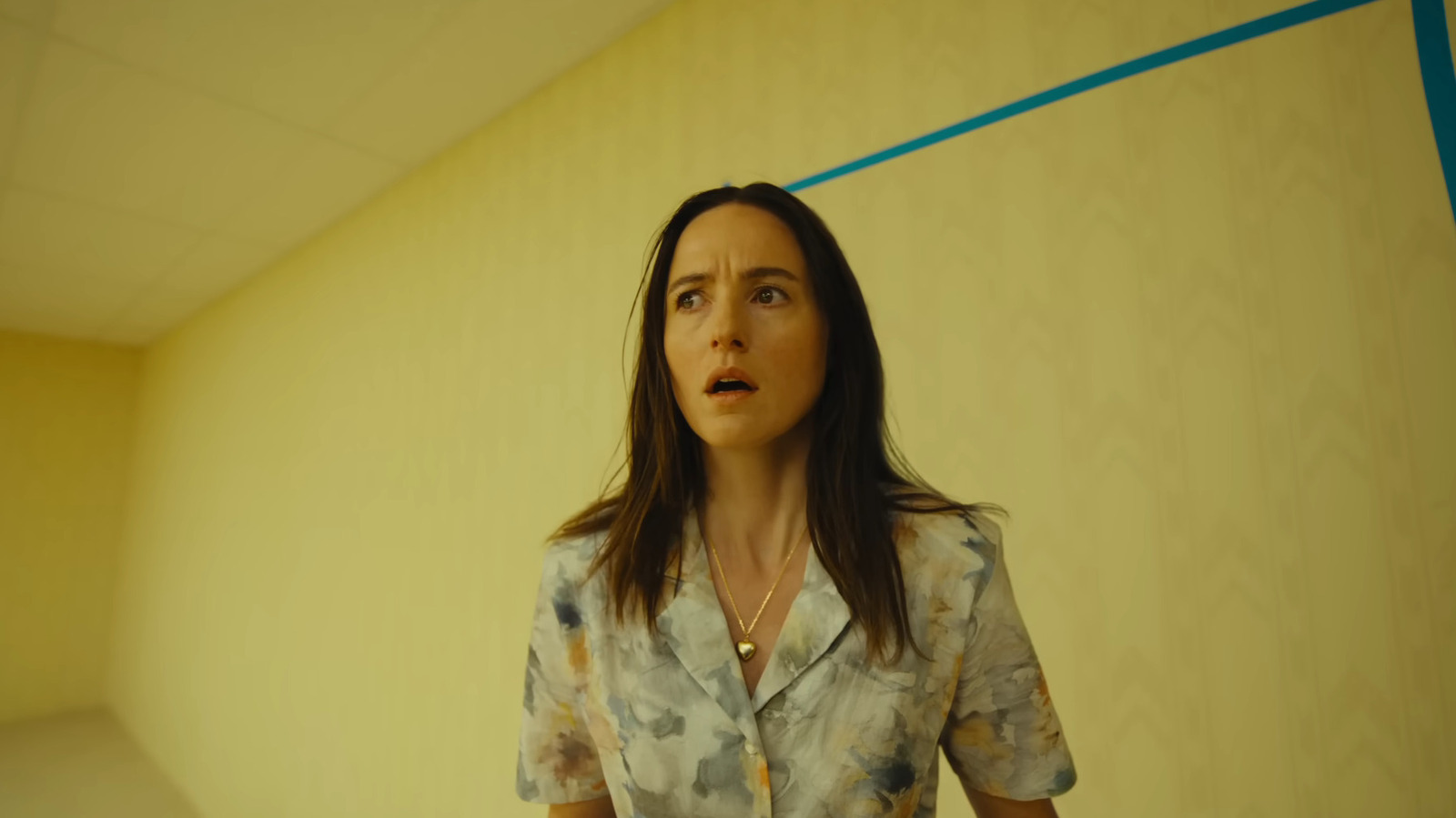
The numbers are as staggering as they are undeniable. Backrooms, the feature directorial debut of 20-year-old YouTube sensation Kane Parsons, dominated the global box office with an $81.4 million domestic opening. When accounting for international markets, the film sits at a staggering $118 million global debut.
The most salient detail? The film was produced on a lean $10 million budget. In an era where blockbuster tentpoles often require nine-figure investments just to break even, Backrooms has achieved immediate profitability, cementing its status as the launchpad for a new, highly anticipated franchise.
Simultaneously, Obsession, directed by Curry Barker, has proven that longevity in the modern box office is a byproduct of authentic word-of-mouth rather than massive marketing spend. In its third weekend, Obsession pulled in $26.4 million domestically—a 10% increase over its second-week performance. This follows a record-shattering second weekend where the film saw a nearly 40% growth, a feat rarely seen in modern theatrical distribution. Having been acquired by Focus Features for a mere $14 million after a sub-$1 million production, the film has already grossed $148 million worldwide, marking it as a cultural phenomenon that no traditional advertising campaign could replicate.
A Chronology of the Shift
To understand how we arrived at this "before and after" moment, we must look at the gradual erosion of the "franchise-first" model.
For the better part of the last two decades, Hollywood’s strategy was clear: rely on established 1980s nostalgia or the sprawling, interconnected narratives of the Marvel Cinematic Universe (MCU). However, the cracks in this foundation began to show well before this weekend.
- The Post-Pandemic Struggle: Following the global lockdowns, major studios struggled to entice Gen Z back to the theaters. The "tried and true" formulas of mid-budget sequels and reboots were met with increasing apathy.
- The Rise of Creator-Led Cinema: Projects like Five Nights at Freddy’s and Markiplier’s Iron Lung served as the canary in the coal mine, demonstrating that audiences were starving for content that felt "native" to their digital upbringing.
- The Current Weekend: The convergence of Backrooms and Obsession hitting their stride simultaneously acted as the tipping point, forcing the industry to acknowledge that the "middle-class" of cinema—the $50 million to $150 million budget range—has been effectively usurped by high-concept, low-cost horror.
Towering Over the Galaxy: The Decline of the Legacy Franchise
Perhaps the most stinging indictment of the old order is the performance of The Mandalorian and Grogu. Once considered the crown jewel of the Disney/Star Wars ecosystem, the film opened to a lukewarm $81 million against a massive $165 million production budget.
While that number might have been acceptable in a different era, the film’s collapse in its second weekend—a 69% drop resulting in a $25 million haul—reveals a troubling reality for legacy franchises. When a film backed by the might of the Star Wars machine is outperformed by two low-budget horror movies helmed by first-time directors who cut their teeth on internet shorts, the "line in the sand" becomes clear. The audience is no longer beholden to a brand name; they are following the creative voices that speak their language.
The Gen Z Factor: Why the Rules Have Changed
Why are these specific films resonating so deeply? The answer lies in the democratization of content creation.
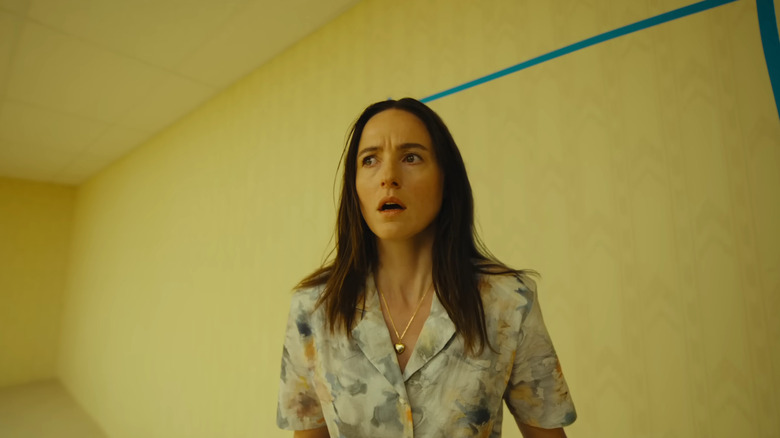
Kane Parsons did not need a traditional studio system to build the "Backrooms" mythology; he built it on YouTube, pixel by pixel, fostering a loyal, hyper-engaged community. When A24 brought him on to produce a feature film, they weren’t just buying a movie; they were buying a pre-existing, global audience that felt a sense of ownership over the project.
This is the "Gen Z" shift. This generation does not distinguish between "prestige" cinema and "internet" content with the same snobbery as previous generations. They value authenticity, high-concept visual storytelling, and the feeling of being part of a movement. By ignoring the traditional "studio" aesthetic in favor of the hyper-kinetic, uncanny, and internet-born horror style of Backrooms and Obsession, these directors have effectively hacked the box office.
Industry Implications: What Comes Next?
The success of these films will inevitably trigger a "gold rush" as studios scramble to identify the next YouTube creator capable of making the jump to the big screen. However, this carries its own risks. If studios attempt to "corporate-ify" these creators—imposing rigid scripts or sanitizing the content that made them popular—they risk alienating the very audience they are trying to capture.
Furthermore, this success confirms that the era of superhero dominance is at a precarious crossroads. While the MCU and other franchises will continue to exist, the assumption that "brand recognition equals automatic profit" is effectively dead. Moving forward, a $200 million budget will no longer be a safeguard against failure. Instead, the market is signaling a preference for high-concept, lean-budget projects that prioritize unique storytelling over expanded universes.
A New Definition of Success
We are witnessing the emergence of a new hierarchy in Hollywood. It is no longer defined by the size of the production budget or the length of a brand’s history, but by the depth of the connection between the creator and their digital community.
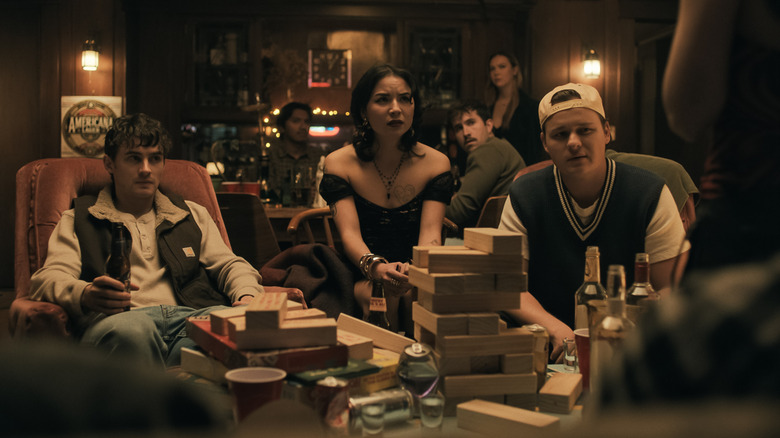
As Backrooms and Obsession continue their runs, the message to Hollywood executives is clear: the gatekeepers are no longer the ones standing at the studio lot entrance. They are the creators who have already built their kingdoms online. The question for the industry is no longer "how do we bring the audience back," but rather "how do we adapt to the audience that has already moved on?"
The weekend of Backrooms and Obsession will be cited in film history courses for decades to come. It was the moment the old guard finally ceded the floor, and a new, younger, and undeniably more agile generation took the spotlight. The box office has not just changed; it has been rebooted.











No comments yet. Be the first to join the conversation!