

After years of shaping the visual language of blockbuster hits within the high-pressure corridors of DreamWorks Animation, director Liron Topaz has returned to the intimacy of independent filmmaking. His latest endeavor, the ten-minute short Saba, arrives at the Tribeca Festival this Saturday, June 6, offering a poignant, dialogue-free meditation on the nature of grief.
For those familiar with Topaz’s pedigree—which includes his work on major franchises and the 2019 Oscar-shortlisted short Bilby—Saba represents a radical shift in scope. Moving away from the frenetic energy of studio features, Topaz has crafted a surreal, visually arresting world where gravity operates as a metaphor for the human condition.
The Core Concept: A World Anchored by Memory
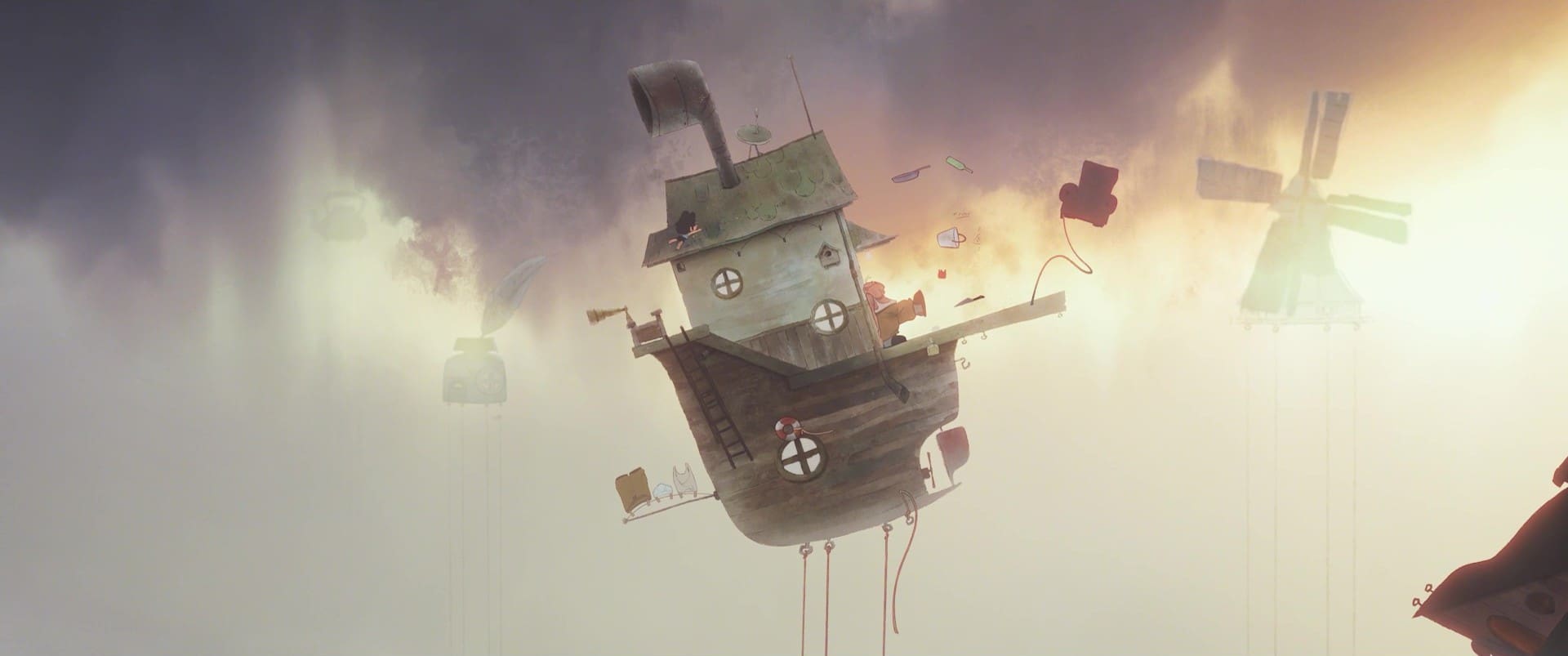
At the heart of Saba is a central, haunting premise: a world where gravity flows upward. In this reality, all that is living remains tethered to the earth, while everything that passes on begins a slow, inevitable ascent toward the sky.
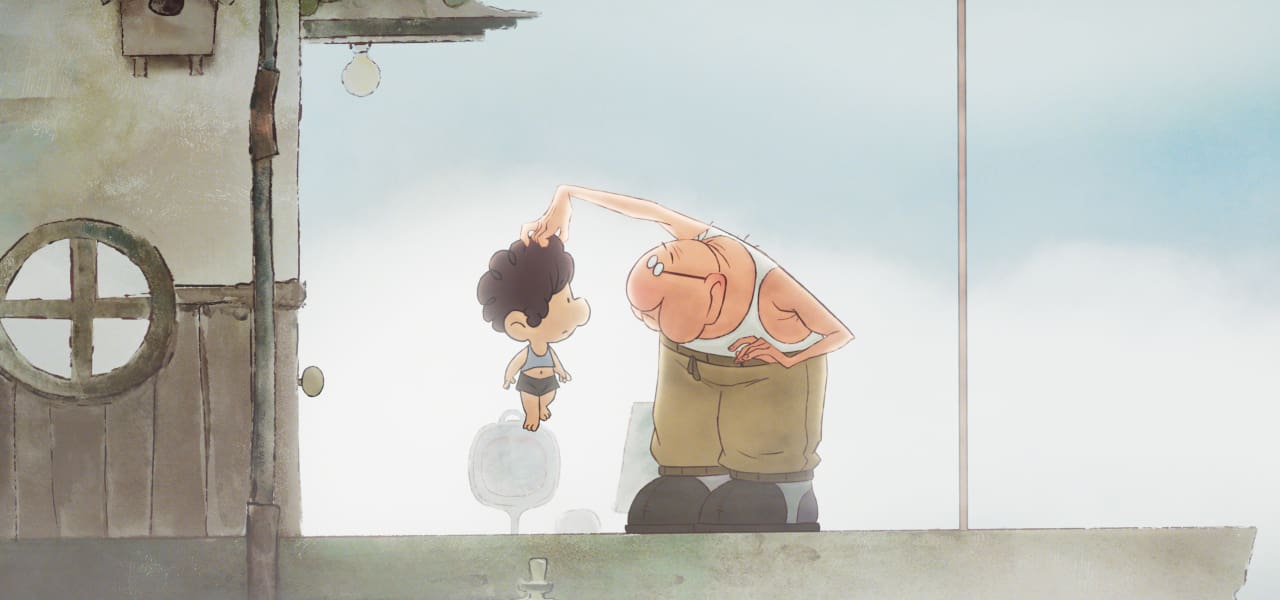
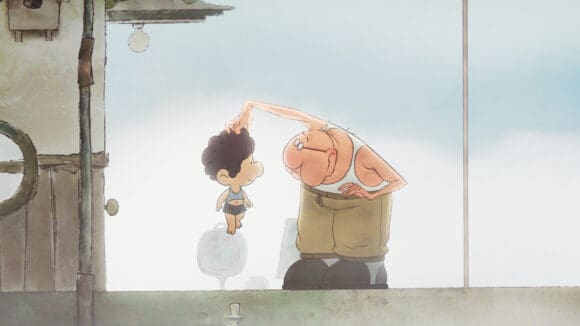
The story follows a young boy and his grandfather, the titular "Saba," as they navigate a life defined by physical anchors and ropes. These tools are more than mere survival gear; they are symbols of the desperate, universal human desire to hold on to the people we love. When tragedy strikes, the boy is forced to reconcile with the upward pull of the world, embarking on a journey that is as much about the geography of his environment as it is about the internal landscape of his sorrow.
The film is notable for its execution as a single, continuous shot. This technical choice serves a dual purpose: it mirrors the relentless, uninterrupted flow of time, and it denies the audience the "breaks" typically found in cinematic editing—much like the way grief itself refuses to offer neat, logical chapters for healing.
Chronology of a Visionary Project
The genesis of Saba was not rooted in technical ambition, but in an existential inquiry. Topaz began by asking a singular, difficult question: "What if the people we’ve lost never truly leave us, but continue to exist just beyond our reach?"
.png)
The Development Phase
Topaz spent years distilling this emotional kernel into a script. He wanted to strip away the artifice of dialogue, relying entirely on visual storytelling—a nod to his formative influences, such as Michael Dudok de Wit and British animator Mark Baker (The Village, The Hill Farm). The development phase focused heavily on world-building; determining how a "reverse-gravity" environment would physically function while maintaining an aesthetic of whimsy and melancholy.
Production and Global Collaboration
Once the concept was solidified, the production team, led by producer Lirit Rosenzweig Topaz, faced the daunting task of realizing the film’s "single-take" ambition. This required an unprecedented level of synchronization. Topaz assembled a dream team of veteran animators—including industry titans like James Baxter, Antoine Antin, and Sandro Cleuzo—to work on the project.
The production process itself became a meta-commentary on the film’s themes. Because the film is one unbroken shot, every animator had to pass the "baton" to the next with absolute precision. The seamless transition between sequences required a level of trust and collaboration that Topaz describes as the very foundation of the film’s creation.
Supporting Data and Technical Achievements
Saba is not just a triumph of storytelling; it is a masterclass in modern animation production. The film’s 10-minute runtime represents months of meticulous planning and "hand-offs" between disparate animation teams.
- Format: The entire film is presented as a continuous, unbroken shot.
- Creative Team: The film features a roster of world-class animators including Antoine Antin, James Baxter, Simone Cirillo, Sandro Cleuzo, Mael Gourmelen, Fernando Moro, Kevin O’Hara, Slaven Reese, Tim Watts, and Matt Williames.
- Production Philosophy: The team utilized a "seamless handoff" methodology, where each animator’s work had to be perfectly calibrated to the preceding and succeeding segments to maintain the illusion of a single, continuous camera move.
- Distribution: The short is being handled by Miyu Distribution, a firm known for its commitment to high-art and narrative-driven animation.
Official Commentary: The Director’s Perspective
Speaking to Cartoon Brew ahead of the Tribeca premiere, Liron Topaz emphasized that the film’s technical complexity was never the point. "The single-shot approach was always meant to serve the story," Topaz explained. "Grief is rarely experienced in neat chapters or clean transitions. It unfolds as a continuous emotional journey, and we wanted the audience to experience that journey alongside the boy in real time."
Topaz reflected on the transition from the corporate studio environment to independent film, noting that Saba was an attempt to return to the root of his passion. "After spending much of my career in commercial animation, I felt a strong desire to return to independent filmmaking. I wanted to create something personal, rooted in my own experience, but open enough for audiences to bring their own personal experience to it."

When asked about the visual metaphor of the ropes, Topaz was clear: "The upward pull became a visual expression of that inevitability [of death], while the ropes and anchors throughout the world reflect our very human desire to hold on to the people and moments that matter most."
Implications for the Industry
The release of Saba arrives at a pivotal moment for the animation industry. As major studios continue to grapple with the integration of AI and the pressures of algorithmic content, projects like Saba serve as a potent reminder of the power of human-centric, auteur-driven storytelling.
A Rejection of the "Studio Formula"
By returning to independent roots, Topaz is highlighting a growing trend among veteran animators who are seeking creative autonomy. The success of Saba—and its selection for a high-profile festival like Tribeca—signals a market appetite for films that prioritize emotional vulnerability over franchise-building.
The Evolution of the Short Film
Saba also demonstrates that short-form animation is an ideal laboratory for formal experimentation. By choosing to work in a continuous shot, Topaz has pushed the boundaries of what is expected in 10-minute narratives. This may encourage other filmmakers to experiment with long-take animation, potentially influencing the visual language of future feature-length projects.
The "Universal" Language of Loss
Perhaps most importantly, Saba highlights the efficacy of non-verbal storytelling in a global market. By removing dialogue, the film transcends linguistic barriers, making the experience of grief accessible to a truly global audience. The "recognition" that Topaz hopes to elicit—that longing for one more conversation or one more moment—is a universal thread that unites the viewers regardless of their cultural background.
Conclusion
As Saba prepares for its world premiere, it stands as a testament to the idea that animation is not merely a medium for spectacle, but a profound tool for exploring the human condition. Through the simple, heartbreaking imagery of a boy trying to keep his past anchored to the ground, Liron Topaz has created a work that promises to resonate long after the final frame has drifted away.
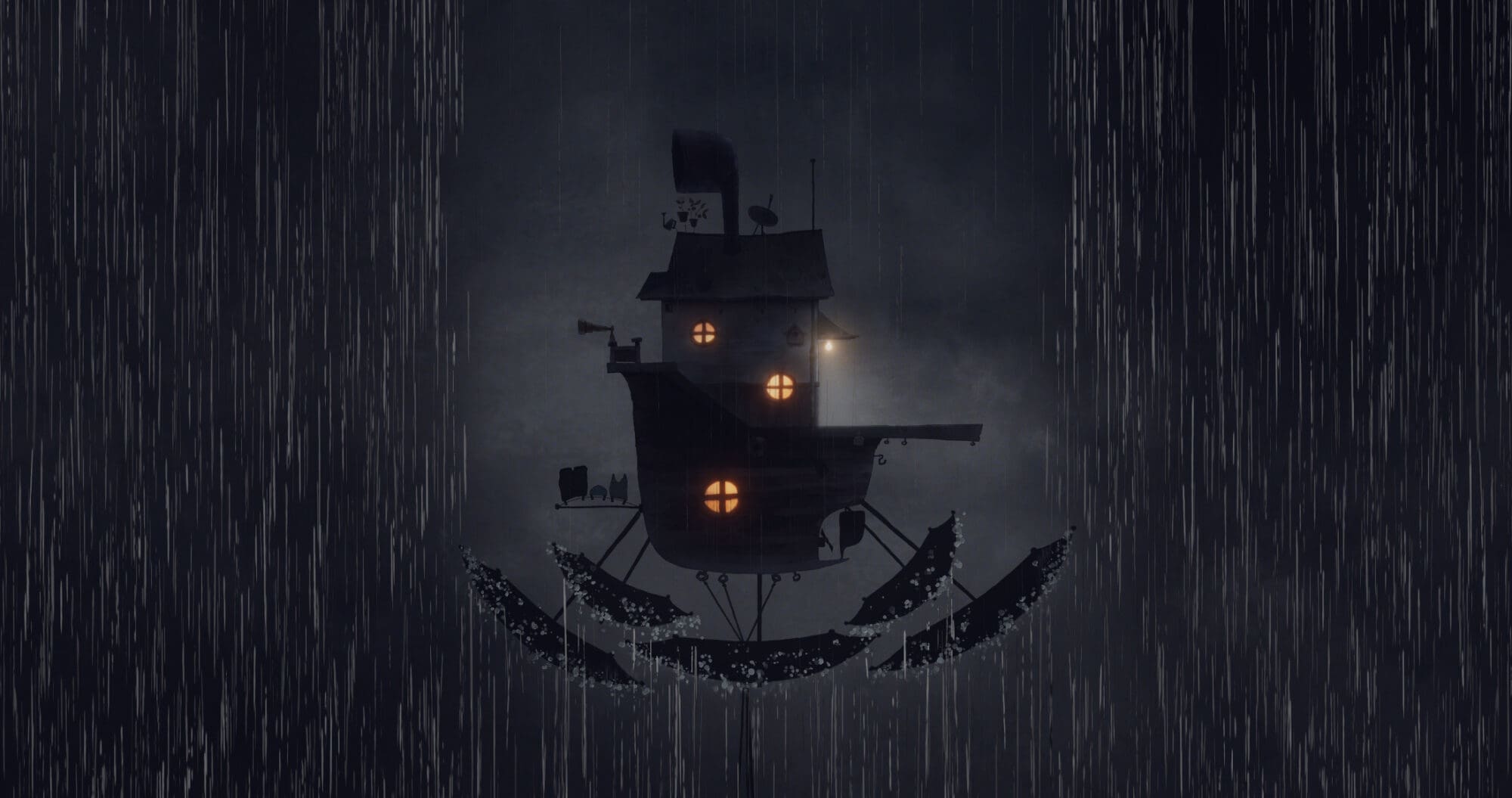
In a world where we are often moving too fast to process our own losses, Saba asks us to pause, hold on to the rope, and look up at what we have lost—not with despair, but with the quiet, aching beauty of memory.









No comments yet. Be the first to join the conversation!