

By Blake Simons | May 18, 2026
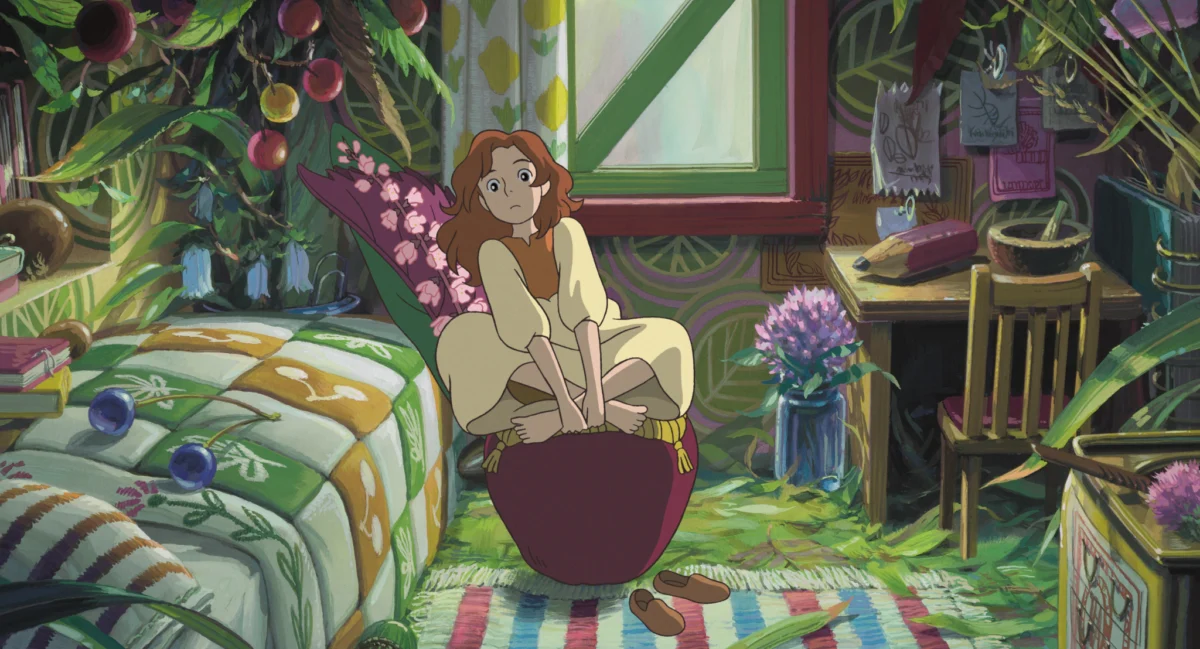
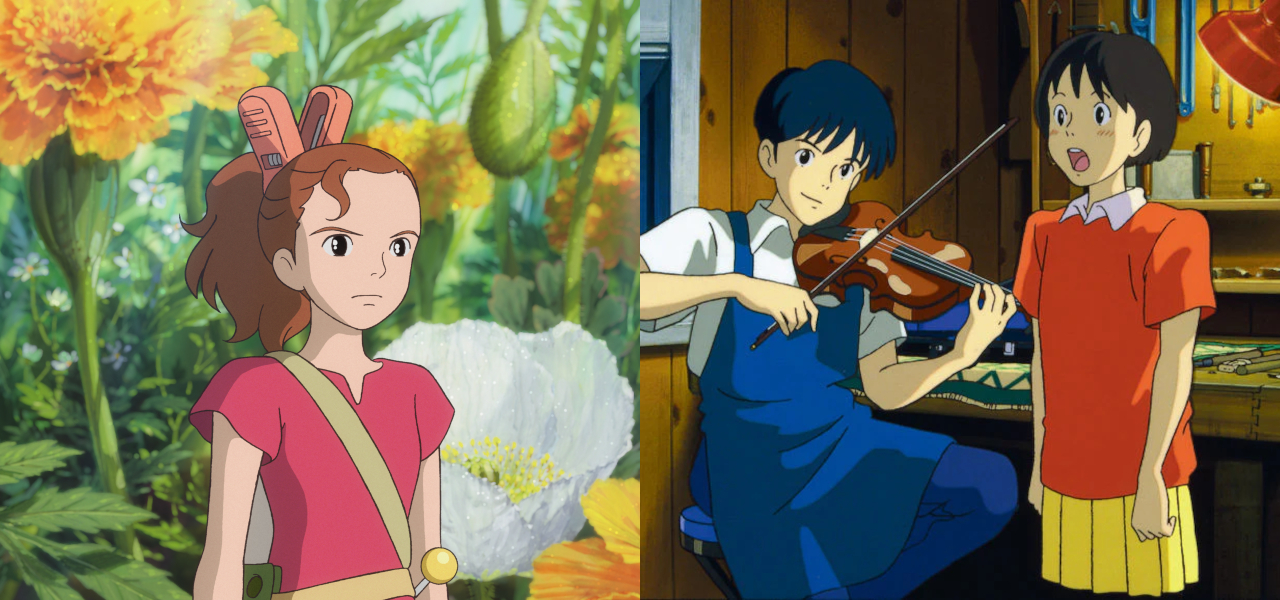
Studio Ghibli, the Japanese animation powerhouse synonymous with hand-drawn wonder and emotional depth, is currently orchestrating a grand return to the big screen. Following the successful North American IMAX debut of the 4K-remastered coming-of-age classic Whisper of the Heart last month, the studio is set to grace American cinemas this week with another fan favorite: The Secret World of Arrietty.
These theatrical re-releases are more than mere nostalgia; they represent a significant technological milestone for the studio. To better understand the meticulous craftsmanship behind these updates, Cartoon Brew sat down with Atsushi Okui, the veteran cinematographer who has been a pillar of the Ghibli visual identity since 1993. As the driving force behind the studio’s ongoing 4K remastering initiative, Okui offers a rare glimpse into the intersection of analog artistry and digital precision.
The Preservation Mandate: From Cel to Silicon
The necessity of remastering these films stems from a decade-long commitment to preservation. As film stocks inevitably degrade, the studio recognized the urgency of safeguarding its legacy. Over ten years ago, the team began the laborious process of scanning every Ghibli title, archiving the work in digital formats across multiple media and redundant hard drives.
However, the leap to 4K theatrical presentation was not merely a matter of pressing a button. Okui explains that while the foundational scans were performed in 4K, the actual release versions required a modern touch. "We have done extensive color grading to bring the highest quality possible," Okui notes. "Color grading tools and the underlying science have evolved significantly since our initial archival work. This is not just a restoration; it is a refinement of how these films are experienced in contemporary cinema environments."
Recreating the "Film Look"
A common misconception regarding animation restoration is that "brighter and sharper" is always better. Okui, however, takes a more nuanced approach. He emphasizes that the goal is to honor the original intent of the cel-painted art.
"In animation, the background art and the character cels are distinct layers. The paint on the cels is often incredibly vivid," Okui explains. "But the audience never saw the raw paint; they saw the image as filtered through film stock. Our goal was not to make the colors as vivid as possible by modern standards, but to faithfully recreate the aesthetic experience of the original theatrical prints."
Chronology of a Masterpiece: Whisper of the Heart
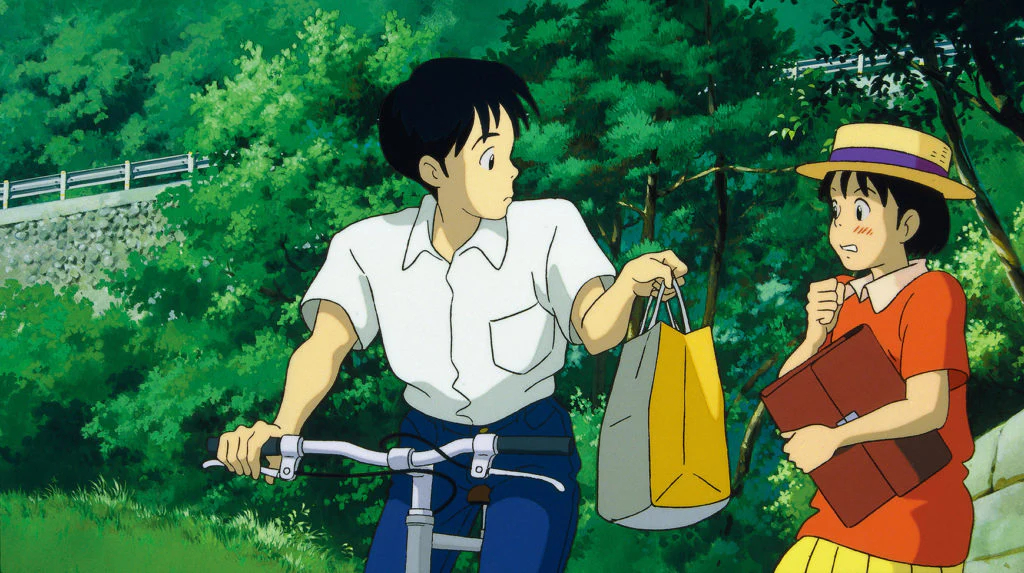
Directed by the late Yoshifumi Kondo—a legendary animator and a key figure in the studio’s early history—Whisper of the Heart (1995) remains a singular work within the Ghibli canon. Based on a shojo manga, the film required a delicate balance between the sparkly, ethereal visual language of the source material and the grounded realism that defines the Ghibli style.
Capturing the Dawn
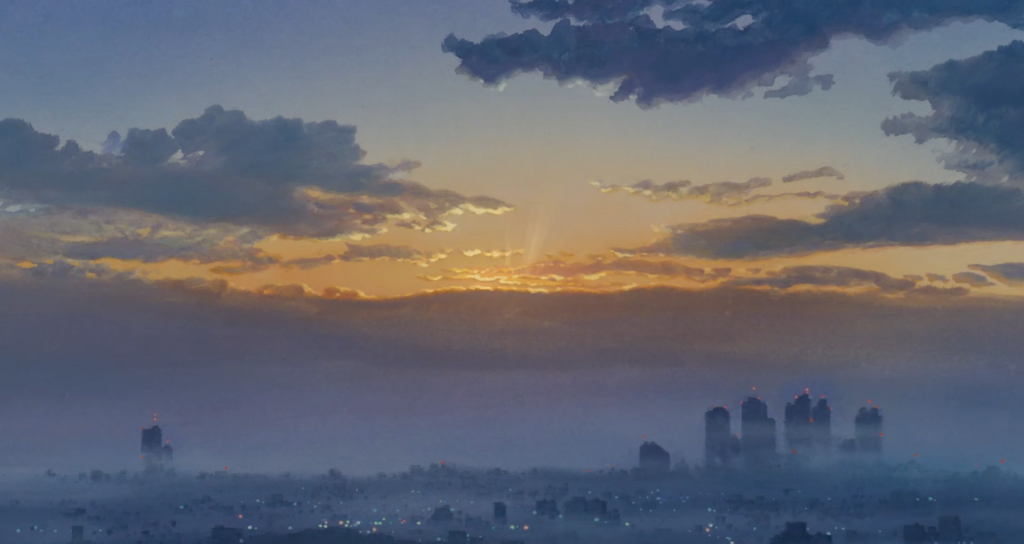
When asked about his most vivid memory of the production, Okui recalls the grueling, cold February morning in the Tama Kyuryo region. To capture the film’s iconic final sunrise, the crew scaled a steel tower at Yomiuri Land, lugging heavy video equipment in the pre-dawn dark.
"I remember us standing there at 5 a.m., watching the sun rise over the Shinjuku skyline," says Okui. "It wasn’t just about what we captured on camera; it was about what was seared into our memories. We wanted that specific quality of light—the way it hits the city—to be embedded in the background art."
Translating that ephemeral light into animation was an exhaustive, multi-layered process. The team utilized traditional cel-masking and backlighting techniques, creating multiple layers of light to ensure that the sun’s radiance felt authentic rather than manufactured.
The Synergy of Talent: Kondo and Miyazaki
The collaboration between Yoshifumi Kondo and Hayao Miyazaki on Whisper of the Heart remains a fascinating case study in creative synergy. While Miyazaki provided the script and the narrative drive, Kondo brought a distinct, character-focused realism to the table.
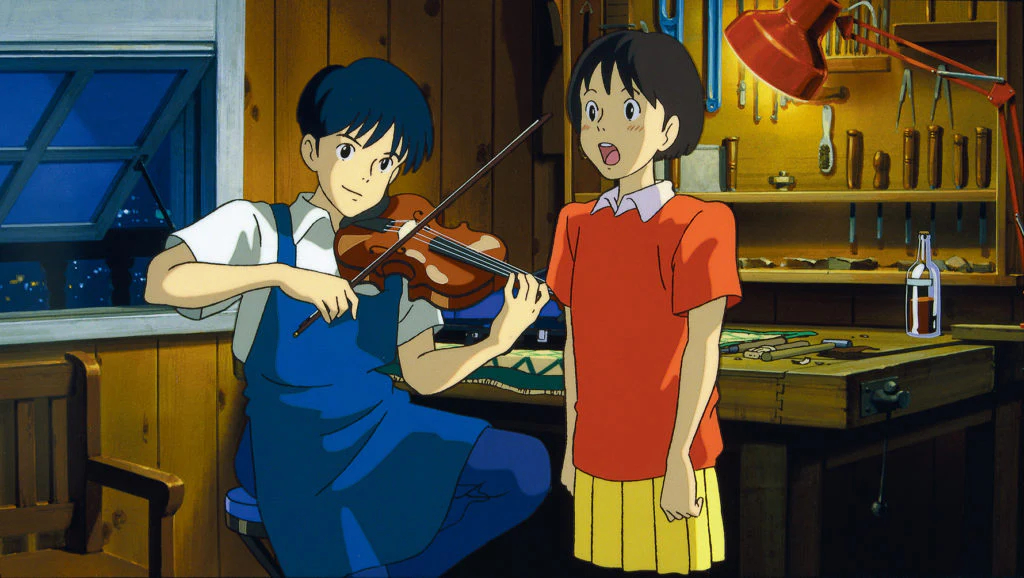
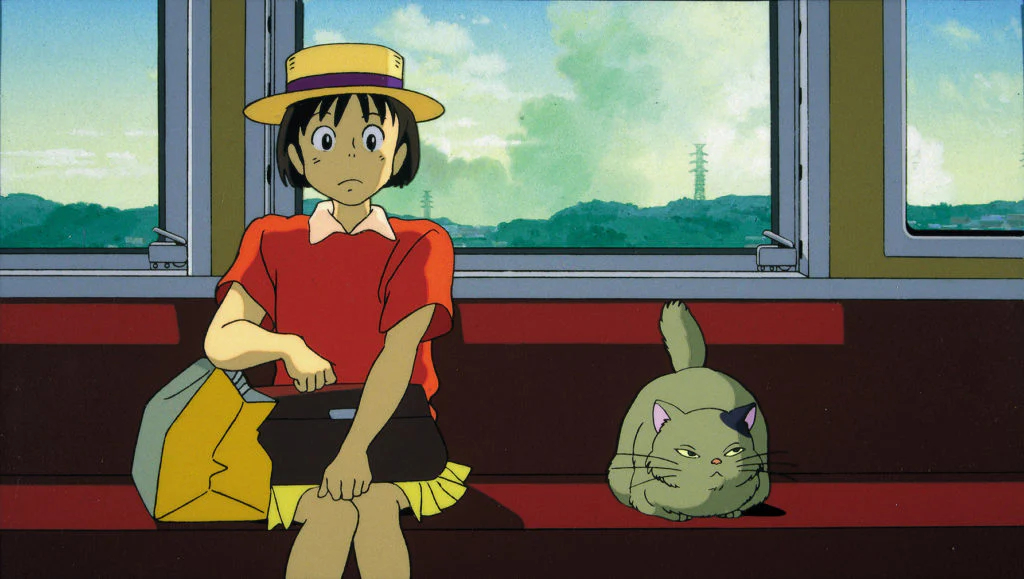
"Kondo-sensei was an animator at his core," Okui notes. "He excelled in the small, quotidian details—the way a skirt hem ripples in the wind or how a character runs up a flight of stairs. That is what gives the film its soul. We had to ground the story of these two junior high students in a reality that felt tactile and lived-in, preventing the ‘sparkle’ of the shojo origins from overshadowing the human story."
Digital Innovation in Fantasy
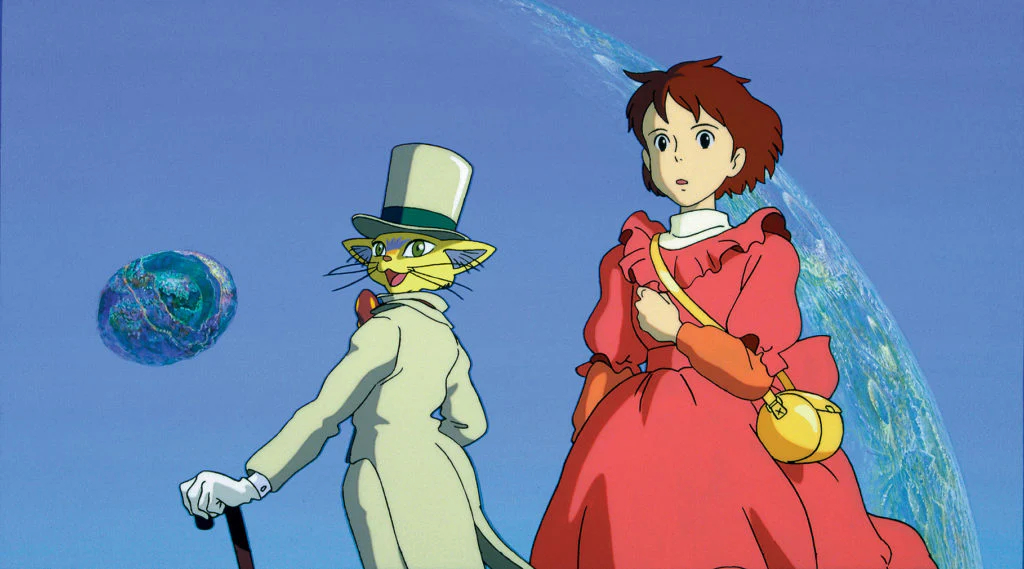
While Whisper of the Heart is grounded, it features one pivotal fantasy sequence: Shizuku’s storybook dream. For this, the team incorporated early digital techniques to overcome the limitations of traditional cel photography.
"When you have characters flying through a world with complex clouds and depth, traditional optical effects hit a wall," Okui explains. "We used digital tools not to create a ‘3D effect,’ but to manipulate the depth of field and the scaling of clouds, allowing for a sense of perspective that was impossible with physical layers. It was a bridge between our analog past and the digital future."
The Secret World of Arrietty and the New Generation
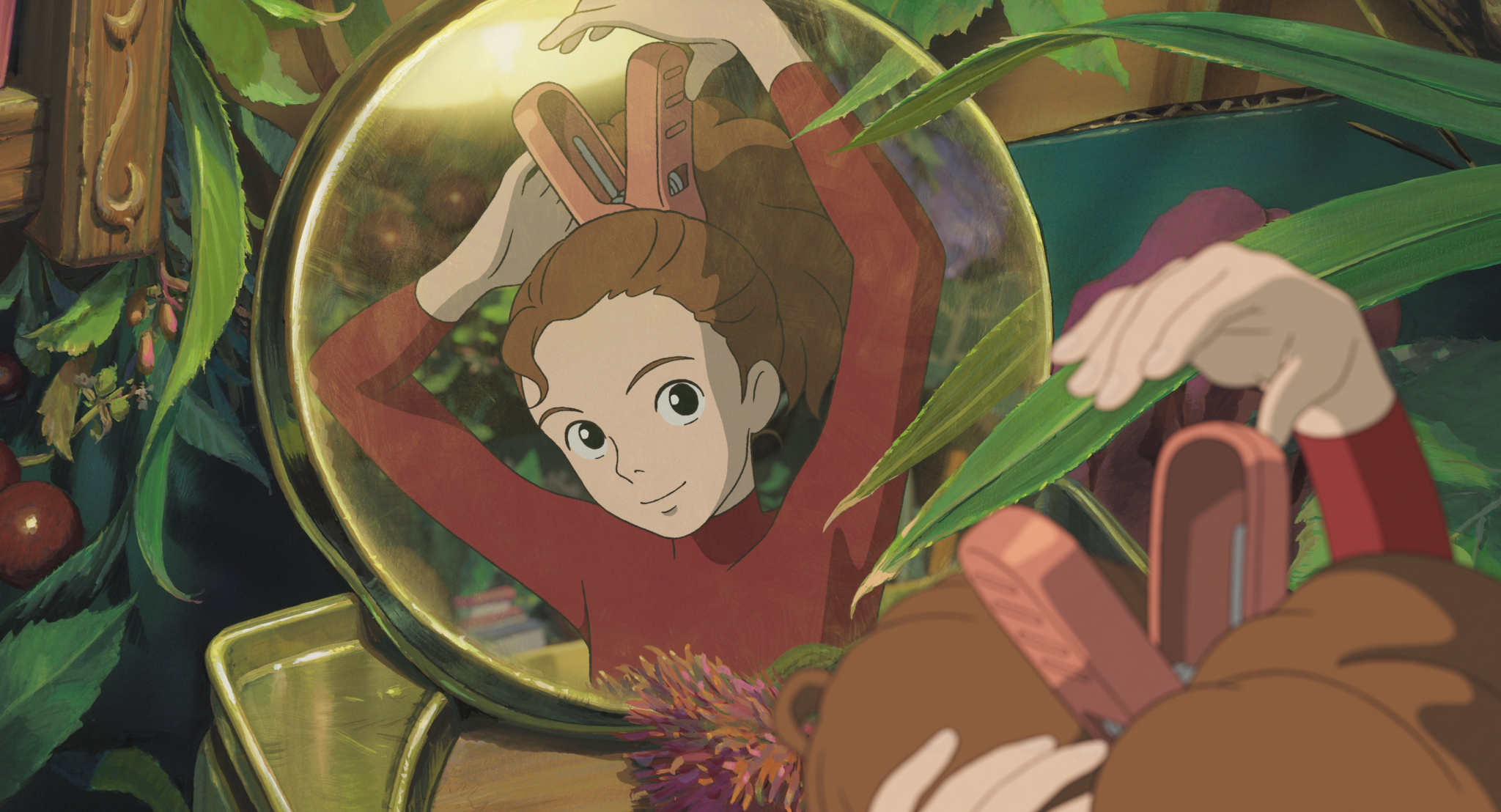
If Whisper represents the height of 90s cel-animation mastery, The Secret World of Arrietty (2010) marks a turning point in the studio’s history. Directed by Hiromasa Yonebayashi, the film was a gamble on new talent.
"In 2010, we were in a transition period," says Okui. "We were supporting first-time directors like Yonebayashi. It was a challenge, but we had a team of veterans behind him. Yonebayashi has a unique talent for drawing female characters, and I believe that shines through in the final film."
The success of Arrietty—which, until The Boy and the Heron, held the record for the highest-grossing non-Miyazaki directed Ghibli film—proves that the studio’s ethos is not tied to a single individual, but to a collective standard of excellence.
Implications for the Future of Ghibli
The current theatrical re-release strategy serves two purposes: introducing the studio’s broader catalog to a new generation and ensuring that these films look their best in modern, high-definition exhibition spaces.
Bridging the Gap
Okui reflects on the current state of the industry with a sense of quiet satisfaction. "In our minds, there isn’t a divide between the films directed by Miyazaki-sensei and those that are not. We put the same sweat and tears into every project."
The decision to 4K-remaster these films was, in part, incentivized by the success of the 4K mastering process for The Boy and the Heron. Realizing that their older, 2K-mastered archives were no longer sufficient for modern global theatrical standards, the studio pushed forward with a comprehensive remastering cycle.
"The in-theater environment has changed significantly over the last decade," Okui observes. "By bringing these titles to the screen in 4K, we aren’t just showing old films; we are showing them in a way that respects the evolution of cinema technology. It brings us great joy to see these ‘undersung’ works finding a new life on the big screen."
As the industry continues to lean into digital distribution and streaming, Studio Ghibli’s dedication to the theatrical experience remains a beacon for cinephiles. Whether it is the subtle, earthy palette of Whisper of the Heart or the lush, intricate world of Arrietty, these remasters ensure that the magic of Ghibli will remain, quite literally, larger than life for years to come.
This interview was translated from Japanese by Mihoko Imai.









No comments yet. Be the first to join the conversation!