Nana Wu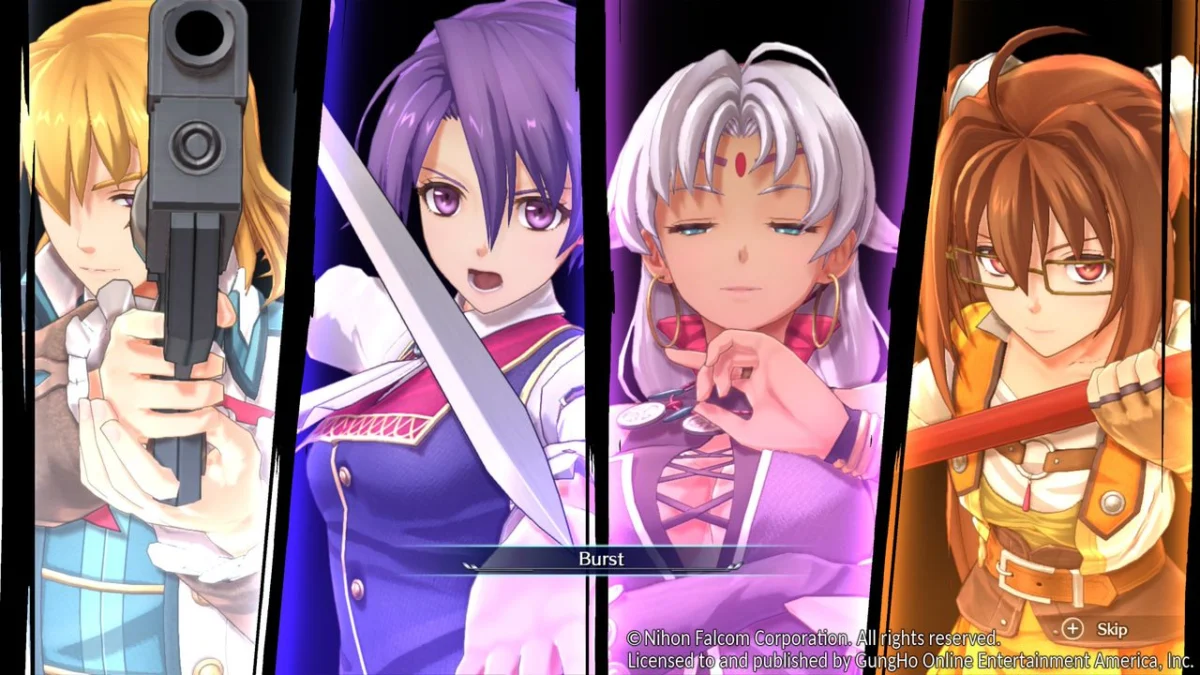
For those uninitiated in the sprawling, two-decade-long legacy of the Trails series, the barrier to entry can feel daunting. With 13 mainline titles forming an interconnected narrative tapestry that rivals the complexity and scale of the Marvel Cinematic Universe, newcomers are often paralyzed by choice. Yet, for those seeking the quintessential starting point, the answer has always been Trails in the Sky. By introducing players to the industrial fantasy world of Liberl through the eyes of the iconic 16-year-old protagonist Estelle Bright, the series established a high-water mark for character-driven storytelling in a genre that often prioritizes spectacle over substance.
For years, however, experiencing these foundational chapters required navigating the limitations of aging PC ports. While the original pixel art holds a certain nostalgic charm, it struggled to compete with the modern aesthetic standards expected by today’s audiences. Japanese developer Nihon Falcom, a studio known for its narrative density rather than the blockbuster budgets of competitors like Square Enix, found itself in a position where its most vital history was locked behind dated visuals.
The release of the Trails in the Sky 2nd Chapter remake—following the critical success of the first chapter in 2025—represents more than just a graphical update. It is a masterclass in modernization, proving that the most effective remakes are those that elevate their source material without attempting to rewrite its soul.
A Legacy of Narrative Precision
The Trails series has long been defined by its world-building. Unlike many RPGs that relegate non-playable characters (NPCs) to static vendors or quest-givers, Trails treats every inhabitant of its world as a person with a history, a name, and a shifting perspective as the global political landscape evolves.
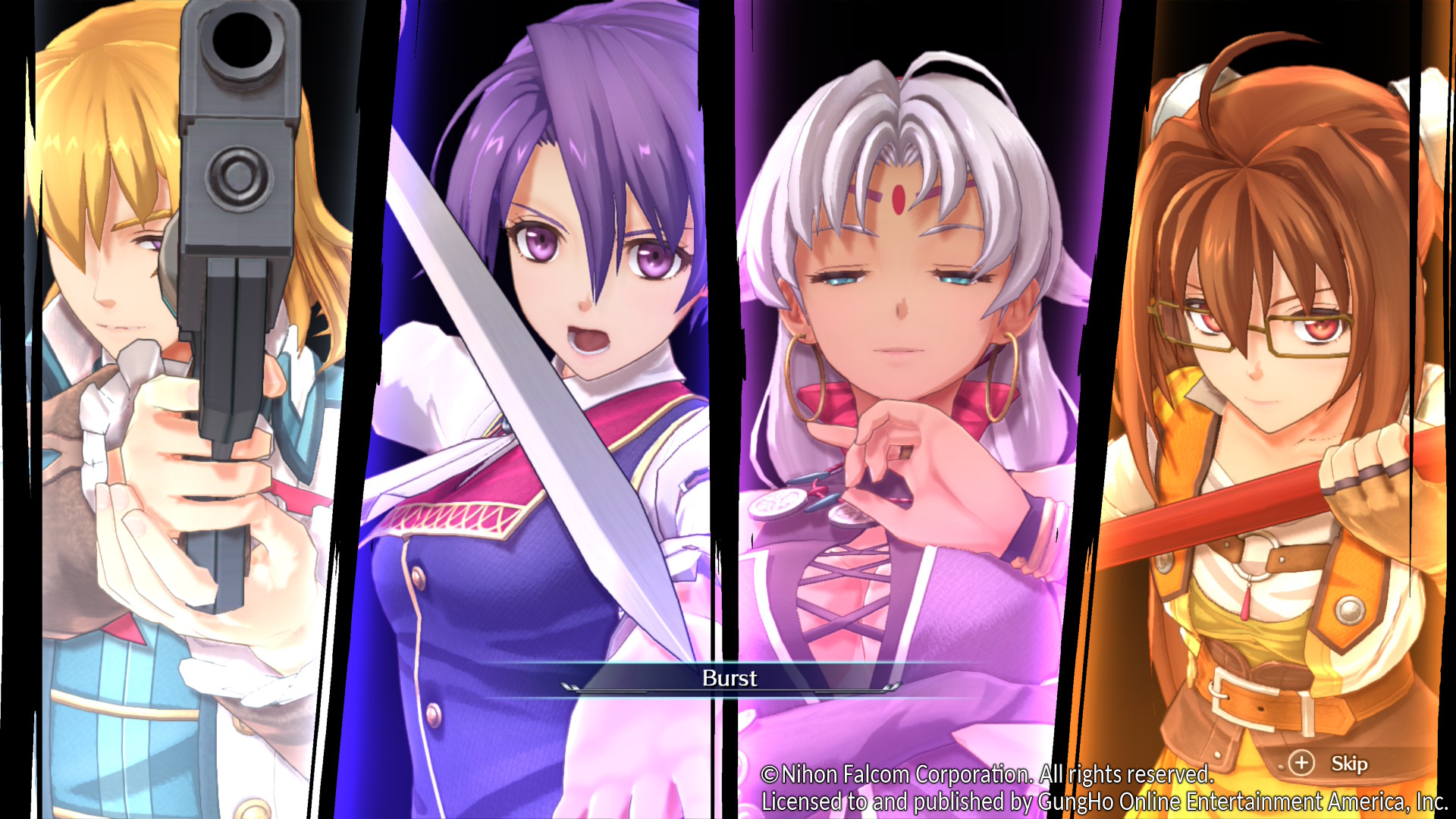
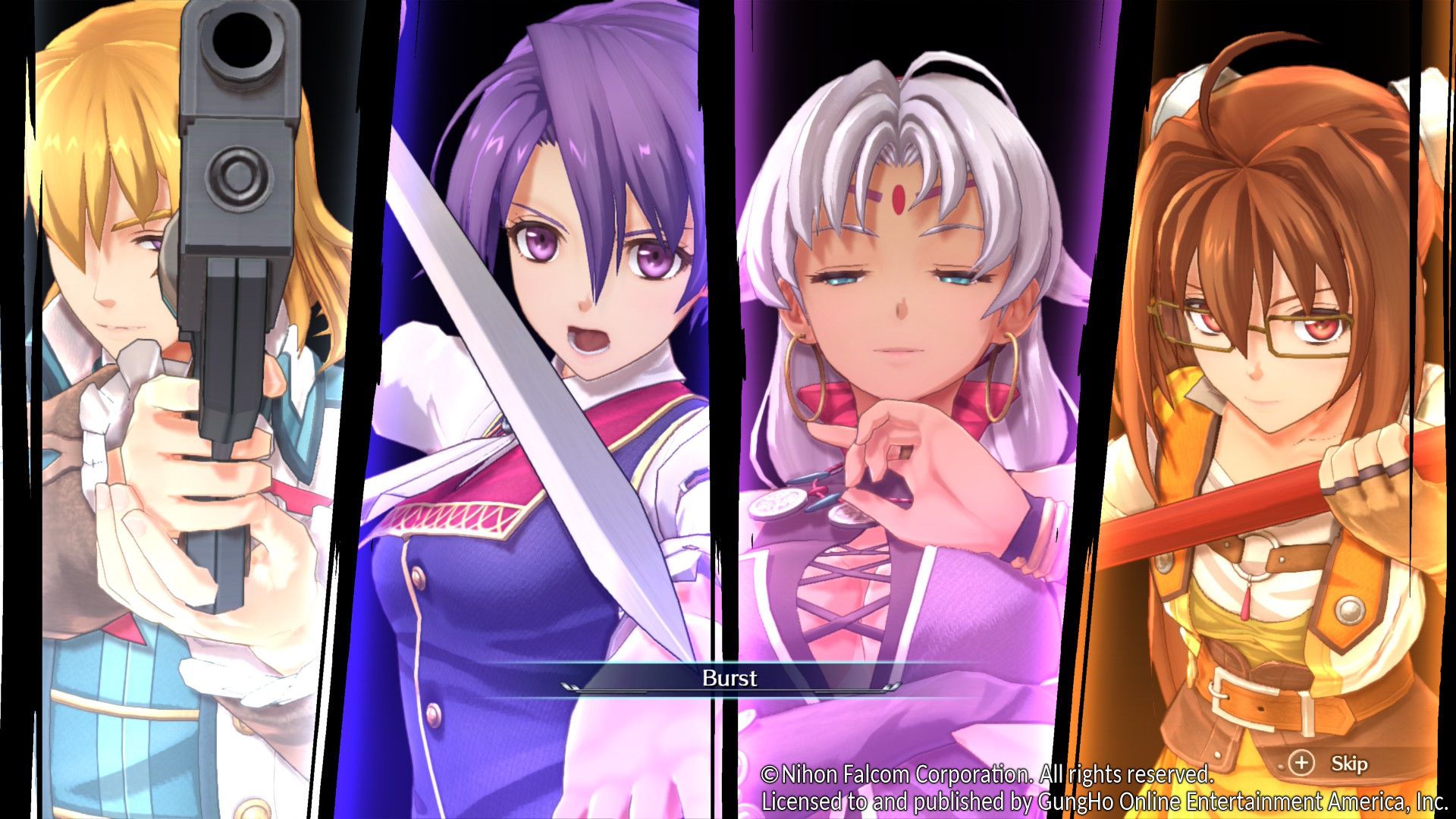
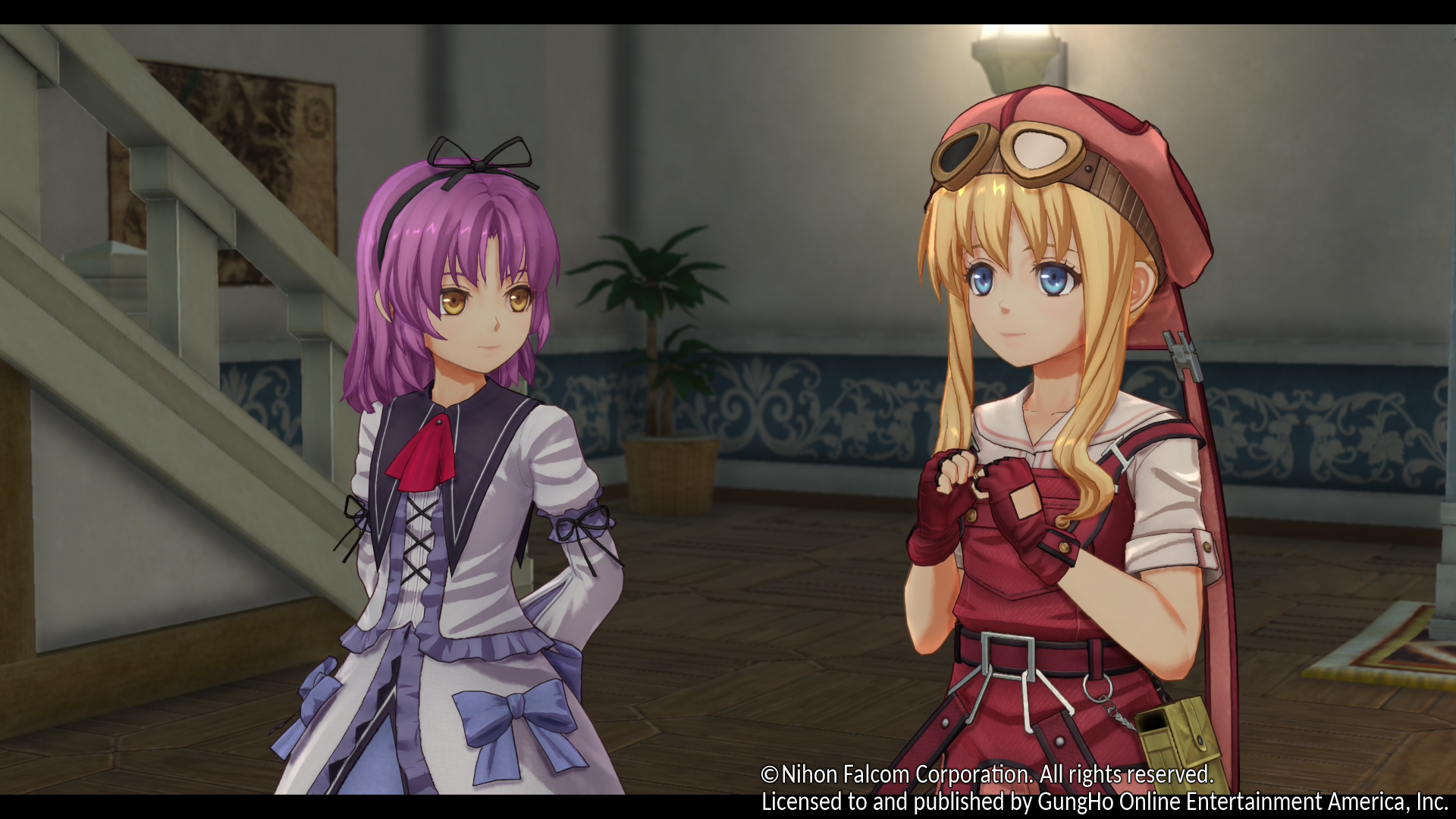
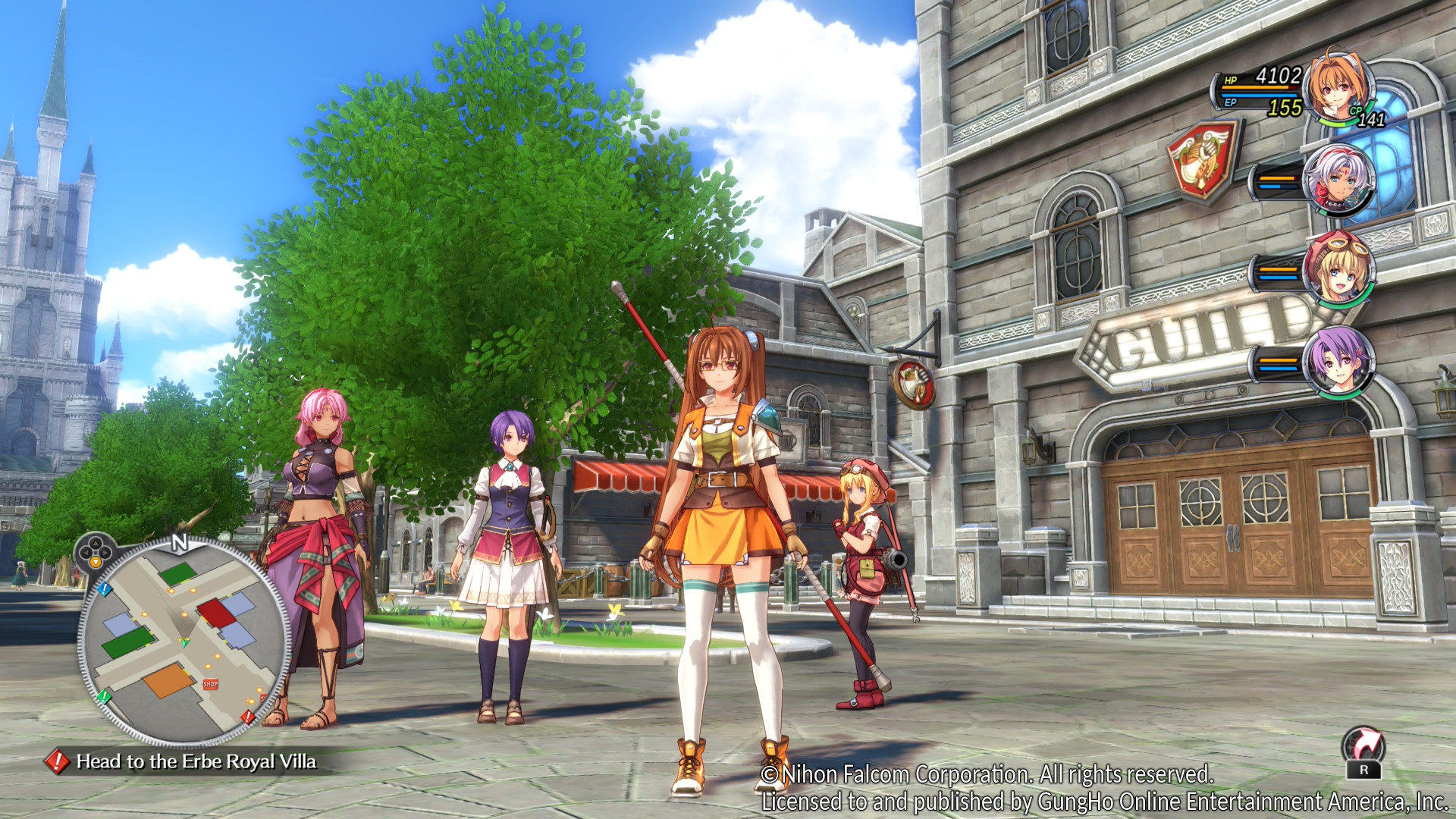
The 2nd Chapter remake preserves this meticulous attention to detail. Players returning to the Kingdom of Liberl will find the geography and story beats entirely faithful to the 2006 original. However, the presentation has undergone a total transformation. The shift from 2D sprites and static portraits to a vibrant, fully realized 3D anime aesthetic breathes new life into the Kingdom.
Falcom’s decision to move away from character portraits in dialogue boxes—a convention still clung to by peers like the Persona 4 remake—was a bold creative choice. By leveraging modern camera work and expressive 3D character models, the game allows emotional beats to unfold through animation and staging rather than text alone. This creates an immersive experience that feels like playing through a high-budget anime series, complete with the exaggerated, comedic facial expressions that defined the charm of the original.
Chronology and Continuity: The Anti-Bloat Philosophy
In an era where remakes are increasingly defined by "maximalism"—often adding dozens of hours of side content, re-imagined plot twists, or retconned lore—Trails in the Sky 2nd Chapter is remarkably restrained. It avoids the temptation to "fix" what wasn’t broken.
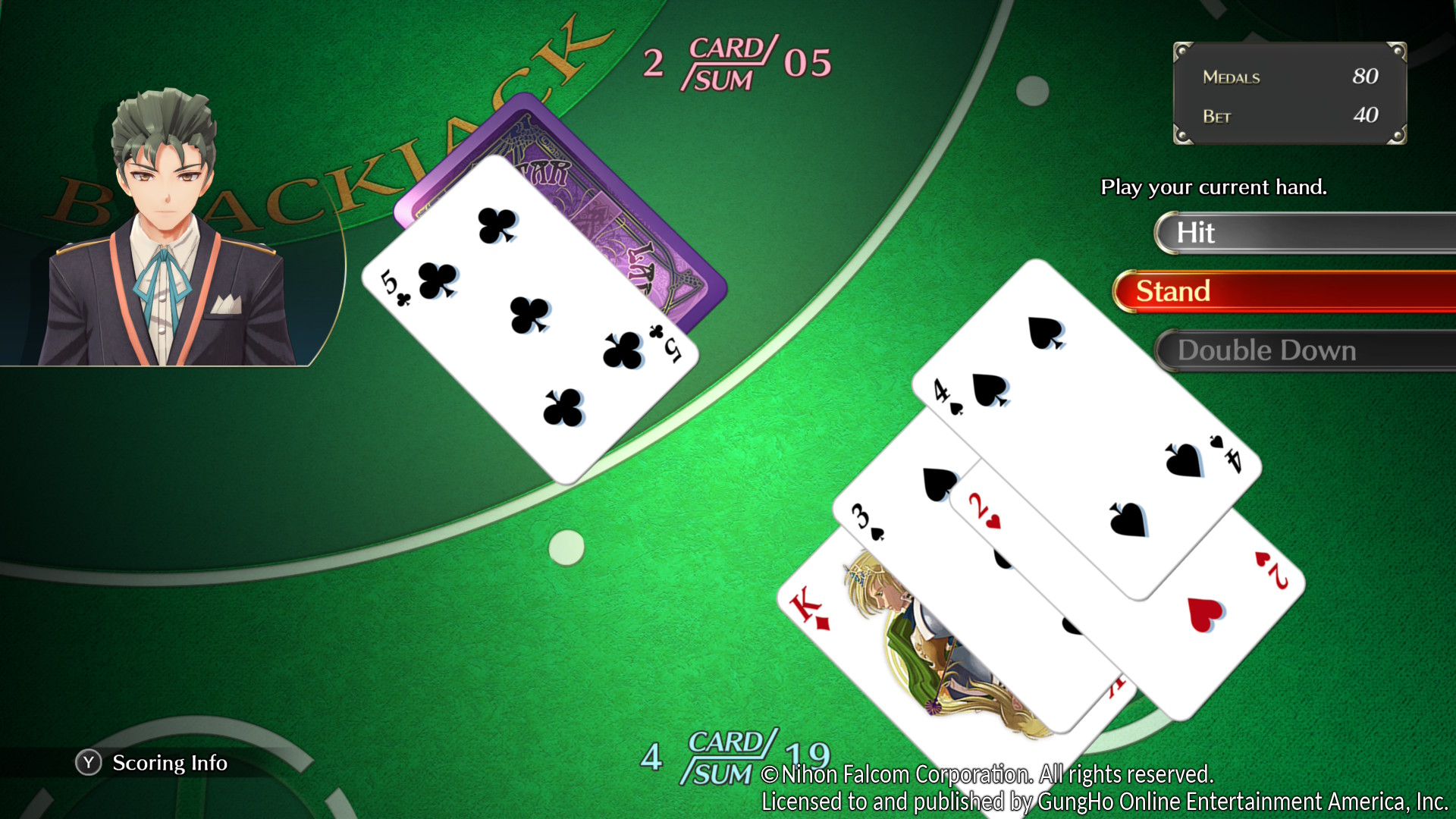
This restraint is a direct response to the current industry trend of inflating playtime to justify premium pricing. While other upcoming projects, such as Final Fantasy VII Revelation and Persona 4 Revival, lean heavily into expanding their scope to the point of bloat, Falcom has remained steadfast. The 2nd Chapter does not force unnecessary minigames or padding onto the player. The minigames that are present exist solely because they were part of the original experience.
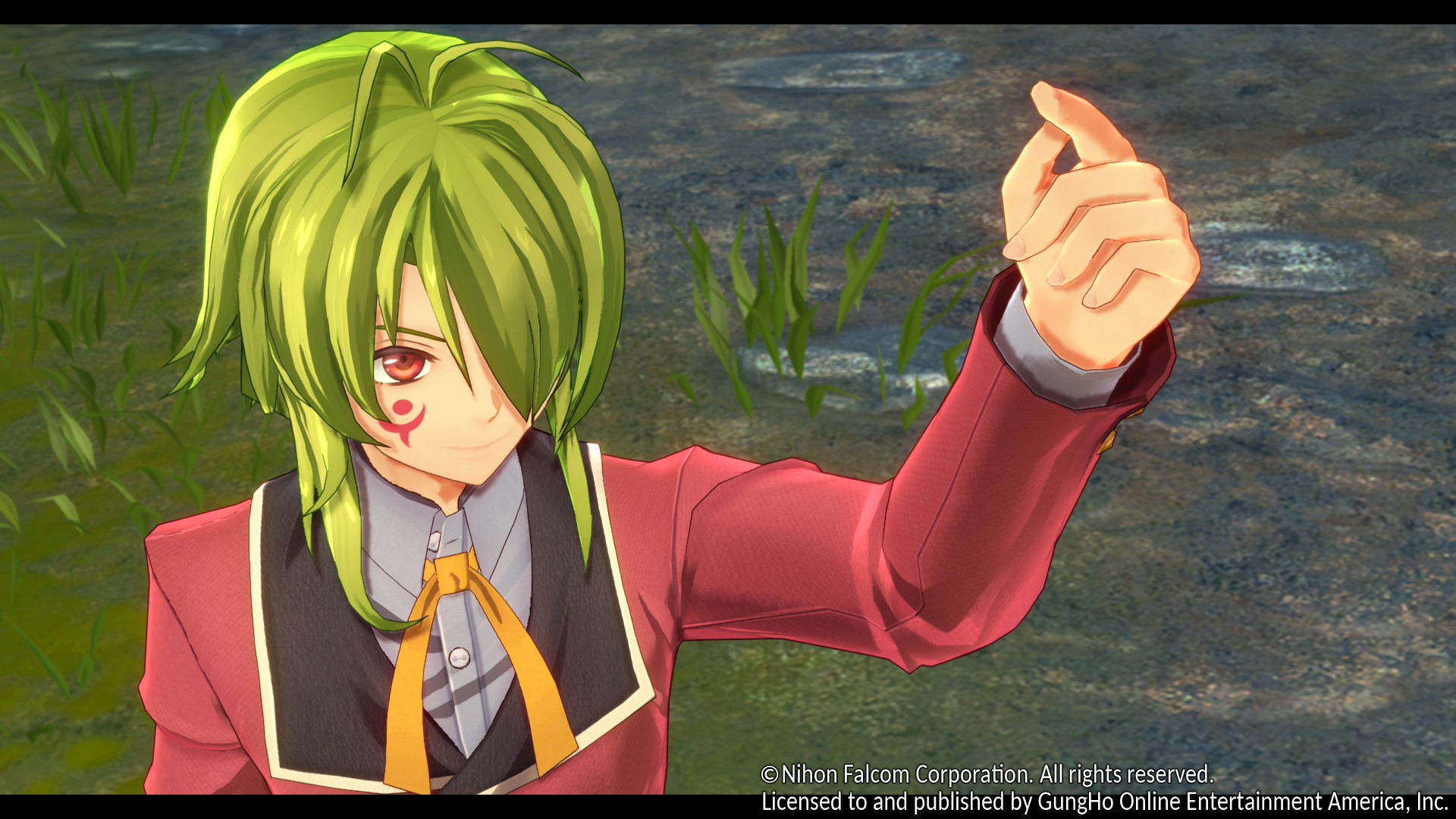
This commitment to faithfulness has interesting implications for the game’s accessibility. Because the original was a product of its time, the inclusion of certain systems—such as gambling mechanics—has led to a shift in the game’s age rating compared to its predecessor. However, these are authentic to the original game’s design, reflecting a studio that trusts its audience to engage with the material as it was intended to be experienced.
Modernizing the Mechanics: The Hybrid Battle System
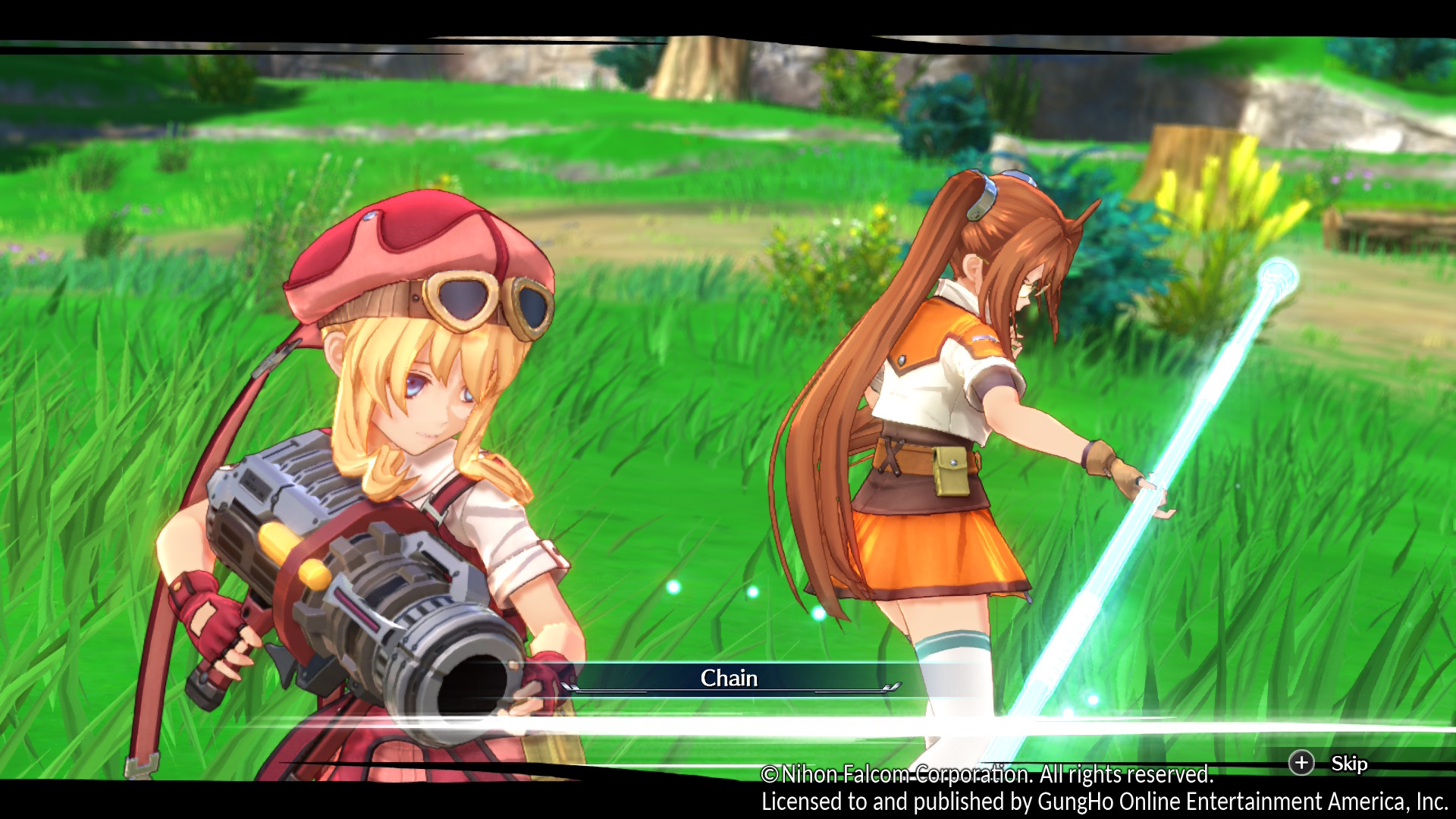
While the story remains a time capsule, the gameplay systems have been brought firmly into the modern era. The remake introduces a hybrid battle system that bridges the gap between classic turn-based strategy and real-time action.
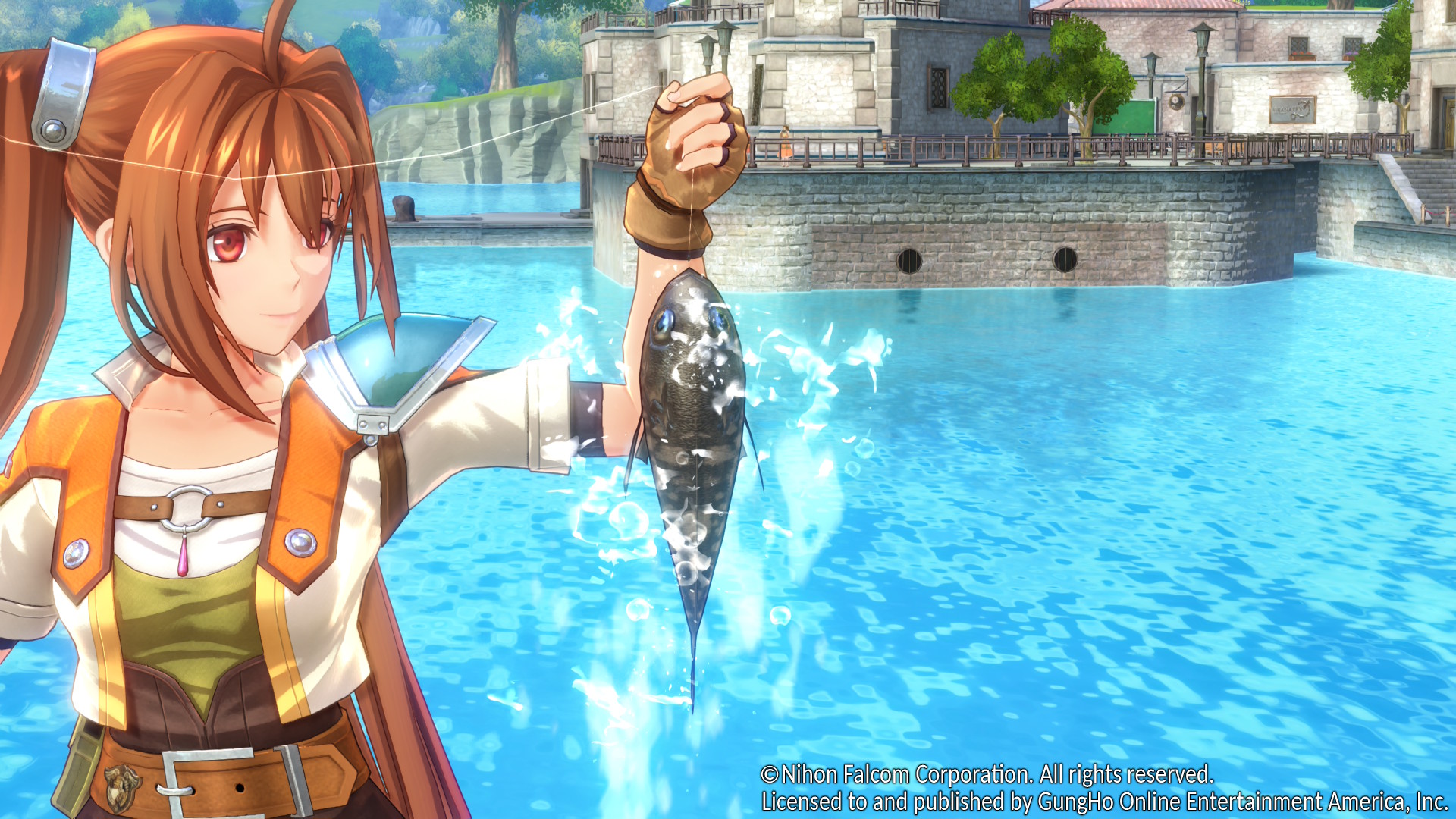
Players can seamlessly switch between these modes, though the game cleverly incentivizes the traditional turn-based approach for high-level encounters. By utilizing the new 3D engine, special abilities now trigger spectacular, over-the-top animations that feel distinct from the more realistic, grounded lighting found in other modern 3D JRPGs. The use of bright, cel-shaded graphics further separates Trails from its contemporaries, perfectly capturing the spirit of a coming-of-age story without succumbing to the "gray-scale" realism that plagues many modern titles.
A standout feature is the refined "High Speed Mode." In previous RPG remakes, speeding up gameplay often results in a janky, unplayable experience. Here, however, the implementation is polished. While voiced dialogue continues at normal speed—allowing players to savor the performances—animations and travel are accelerated. Even at 1.5x speed, the game maintains a level of responsiveness that makes real-time combat maneuvers, such as dodging, feel intuitive rather than chaotic.
Official Responses and Localisation Hurdles
The road to the 2nd Chapter launch has not been entirely without friction. The release of the 1st Chapter was initially marred by a localized script that diverged from the established naming conventions and terminology fans had come to expect from two decades of series lore.
Nihon Falcom took the feedback seriously. In a move that highlights the studio’s commitment to its long-term fanbase, they released a "Legacy Patch" nearly a year after the initial launch. This update reconciled the new translation with the series’ established vocabulary, ensuring that by the time 2nd Chapter arrived, the experience was consistent for both veterans and newcomers. This level of post-release support serves as a benchmark for how developers should communicate with their communities.
Implications for the Future of JRPG Remakes
As we look toward 2027, the landscape of the JRPG genre is changing. We are witnessing a glut of remakes, some of which struggle to justify their existence. Final Fantasy VII Revelation, for instance, risks losing the focus of the original’s emotional core under the weight of its own ambition. Persona 4 Revival, while stylish, faces questions regarding the necessity of a $70 price tag for a game that is already widely available and playable on modern hardware.
Trails in the Sky 2nd Chapter stands in stark contrast to these projects. It proves that a remake does not need to reinvent the wheel to be successful. By serving as a bridge between the classic era and the modern generation, it offers a seamless entry point for new fans while providing a polished, high-fidelity experience for those who have spent two decades waiting to revisit Liberl.
The implications are clear: the "perfect" remake is one that respects the original’s narrative structure while utilizing modern technology to enhance, rather than replace, the player’s imagination. As the industry continues to chase the trend of "everything-but-the-kitchen-sink" design, Nihon Falcom has carved out a path of integrity and focus.
Trails in the Sky 2nd Chapter is available now on PC, PS5, Nintendo Switch, and the upcoming Nintendo Switch 2. For those still on the fence, a free demo is currently available across all platforms, with full save-data compatibility, allowing players to carry their progress directly into the main journey. In a crowded market of remakes, this is one that earns its place by simply being the best version of itself.

 Suro Senen
 Laily UPN