For many homeowners, the concept is undeniably alluring: parked in the garage is a massive, multi-kilowatt-hour battery pack capable of propelling a vehicle hundreds of miles. During a grid outage, that same energy could easily keep the lights on, the refrigerator running, and the climate control humming for days. As extreme weather events and grid instability become more common, the dream of using an electric vehicle (EV) as a whole-home backup system—known as Vehicle-to-Home (V2H) technology—has moved from the realm of science fiction into the spotlight of consumer interest.
However, the reality of turning your driveway into a power plant is far more complex than simply plugging in a cord. While the capacity is there, the infrastructure, hardware compatibility, and logistical hurdles present a significant barrier to entry for the average consumer.
The Core Technical Reality: Why Your EV Needs More Than a Cable
To understand why your EV cannot simply "plug into" your house during a blackout, one must understand the technical requirements of power flow. Standard home charging is a one-way street: electricity travels from the grid, through your charging station, into the vehicle’s battery.
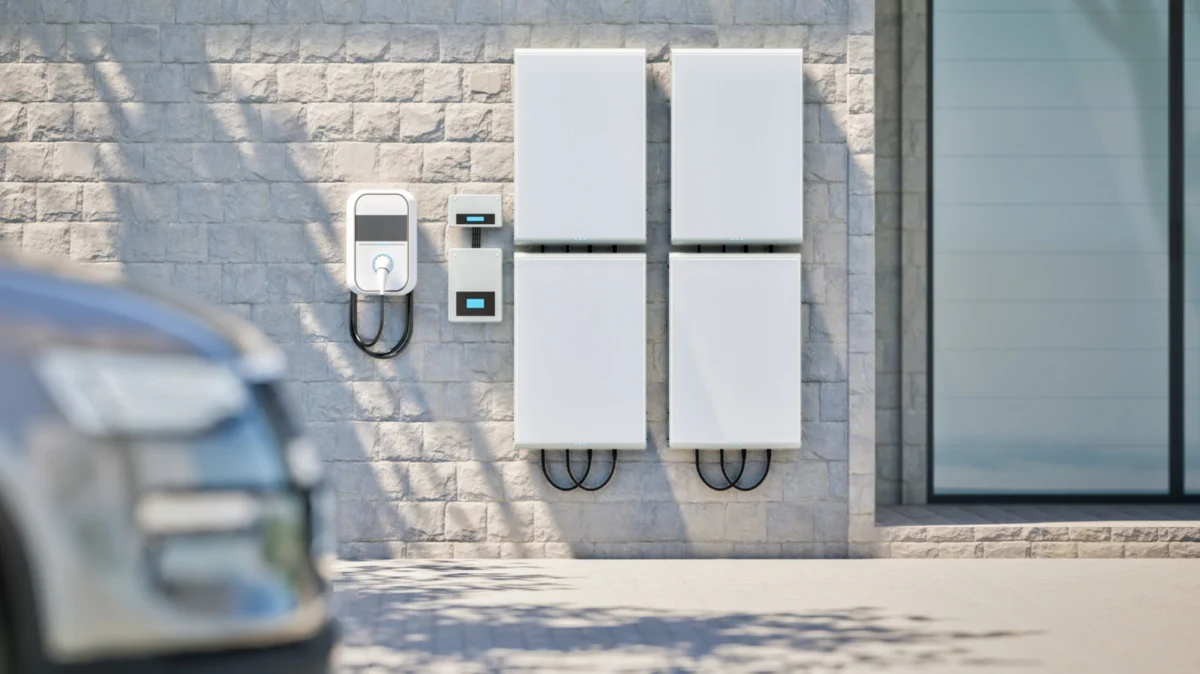
To power a home, this process must be reversed. This requires "bidirectional charging." Unlike the standard hardware that most EV owners already have installed in their garages, bidirectional systems require specialized hardware that can convert the DC power stored in your car’s battery into the AC power your home’s electrical system uses.
Capacity vs. Output: The Physics of Power
When evaluating an EV for home backup, users often conflate two distinct metrics: Battery Capacity and Power Output.
- Capacity (measured in kWh): This determines how long your home can run. A 100kWh battery could technically power an average home for several days, provided energy consumption is managed carefully.
- Power Output (measured in kW): This determines which appliances you can run simultaneously.
The critical, often overlooked factor is the "startup surge." Appliances with electric motors, such as refrigerators, HVAC systems, and well pumps, require a massive, instantaneous burst of current to start. If your V2H system cannot handle this transient load, your home will remain dark, even if the car is fully charged.
Chronology: The Evolution of Bidirectional Power
The journey toward V2H has been a gradual, often fragmented, evolution:
- 2010s: The V2L Era: The early stages of bidirectional technology focused on Vehicle-to-Load (V2L). This allowed users to power small appliances or tools via a standard outlet built into the car. While useful for camping or job sites, it was never intended for home backup.
- 2020-2022: The Arrival of Mainstream V2H: The Ford F-150 Lightning brought V2H into the public consciousness. Its ability to provide "Intelligent Backup Power" using the Ford Charge Station Pro and the Home Integration System was a watershed moment, demonstrating that a consumer vehicle could effectively serve as a grid-tied home battery.
- 2023-2024: The Ecosystem Expansion: Manufacturers began moving away from proprietary, all-in-one solutions toward integrated ecosystems. Companies like Tesla, GM, and Kia started introducing dedicated V2H enablement kits, signaling that the industry is finally settling on standardized, albeit expensive, hardware protocols.
Supporting Data: The Cost of Independence
The hardware required to facilitate V2H is not a simple accessory; it is a significant electrical renovation. According to industry estimates, a complete V2H installation involves:
- A Bidirectional Charger: The core component that allows the car to act as a power source.
- An Inverter: Often built into the charger, this converts DC battery power to AC house power.
- An Islanding/Transfer Switch: A critical safety device that disconnects your home from the utility grid during an outage. This is essential to prevent "back-feeding," which could electrocute utility workers attempting to repair lines.
- Permitting and Labor: Because this involves major modifications to your home’s main electrical panel, costs frequently range between $5,000 and $15,000, excluding the price of the vehicle itself.
The "House Upgrades" Requirement
Even if your car is "V2H-ready," your home likely is not. Retrofitting an older home for bidirectional power is a significant undertaking. In many cases, the main electrical panel must be upgraded to accommodate the high-amperage transfer switch.
Furthermore, the system must be installed by a certified professional. Because V2H systems interact directly with the grid, they are subject to strict local building codes and utility regulations. In some regions, utilities may require a "net-metering" agreement or specific certification for the equipment, adding layers of bureaucratic delay to the installation process.
Market Fragmentation: A Patchwork of Compatibility
Perhaps the greatest frustration for consumers is the lack of universal standards. Unlike the North American Charging Standard (NACS) which is gaining traction for charging, bidirectional power is currently a fragmented landscape of proprietary ecosystems.
Current Industry Leaders
- Ford: Utilizes the Home Integration System, primarily compatible with the F-150 Lightning.
- General Motors (GM): Rolling out the PowerShift Charger and V2H Enablement Kit, focused on newer Ultium-platform vehicles.
- Tesla: With the PowerShare feature on the Cybertruck and the introduction of the Powerwall 3, Tesla is attempting to create a "walled garden" where their vehicles and home energy storage work in concert.
- Kia/Wallbox: The EV9 offers a solution through the Quasar 2 charger, showcasing how partnerships between OEMs and charger manufacturers are critical to the rollout.
The "Wrong State" Problem
Location is as important as the car model. Due to varying state-level energy policies, bidirectional charging features are often geofenced. For example, a feature enabled for a Polestar 3 in California may not be available for the same model in a state with different utility regulations. Consumers must verify with their local utility provider whether they are permitted to feed energy back into their home—or, in the case of Vehicle-to-Grid (V2G), back into the grid for profit.
Implications: The Long-Term Trade-offs
While the concept of using your EV to power your home is technically sound, it is not without long-term consequences.
1. Battery Degradation
Every kilowatt-hour pulled from your EV battery to power your home is a cycle the battery must endure. While modern lithium-ion batteries are robust, frequent deep-cycling (using the car to power the house repeatedly) can contribute to long-term battery degradation. While this may be a secondary concern during an emergency, it is a factor for those considering using their EV for "peak shaving"—using the car to power the home during high-cost electricity hours to save money.
2. Mobility Constraints
Your "home battery" is also your primary mode of transportation. If you drain your battery to 20% to keep the air conditioning running during a heatwave, you are effectively tethering yourself to the house. If an emergency arises and you need to evacuate, your vehicle’s range will be severely compromised.
3. The Efficiency Gap
Converting electricity from the battery to the house and back involves energy loss. There is a "round-trip efficiency" cost—a percentage of energy is lost as heat during the conversion process. While this is acceptable in an emergency, it makes the use of an EV for daily load-shifting less economically viable than stationary battery systems like the Tesla Powerwall, which are optimized specifically for home energy management.
Conclusion: Is V2H Right for You?
The technology to power your home with your car is no longer a theoretical exercise—it is commercially available. However, for the average consumer, it remains an expensive, highly technical, and region-specific endeavor.
For those living in areas with frequent, prolonged power outages, the investment in a V2H-compatible system can provide immense peace of mind and energy security. For others, a simple generator or a dedicated home battery system may prove more reliable, cost-effective, and less disruptive to the longevity of their electric vehicle.
As the technology matures, we can expect to see better standardization and lower costs. Until then, prospective buyers should look past the marketing gloss and focus on the cold, hard requirements: Does your specific car support it? Is your home wired for it? And, crucially, is your local utility company on board? Only when all three pillars align is V2H a viable path toward a truly independent home energy future.