Evan Lee Salim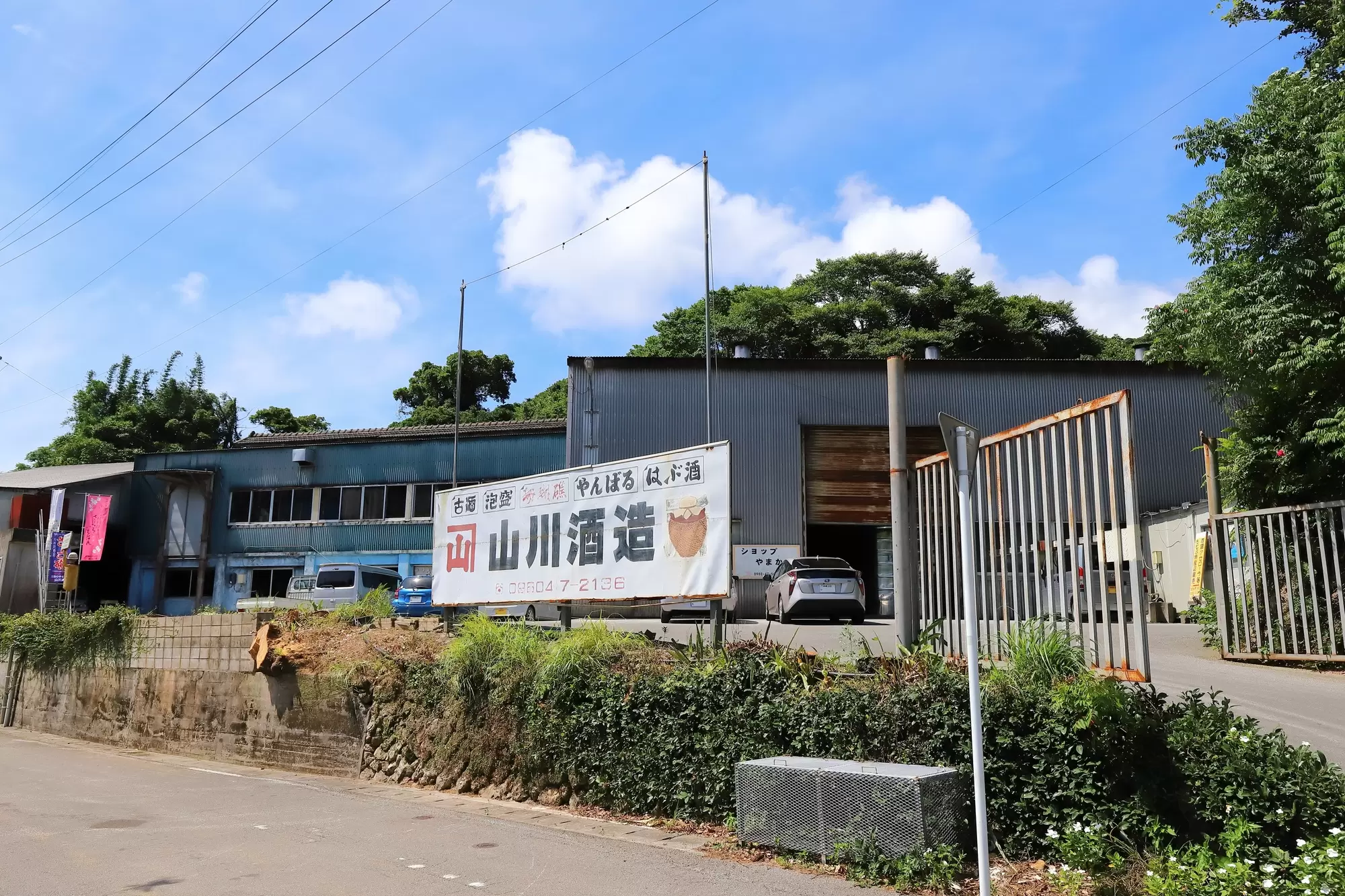
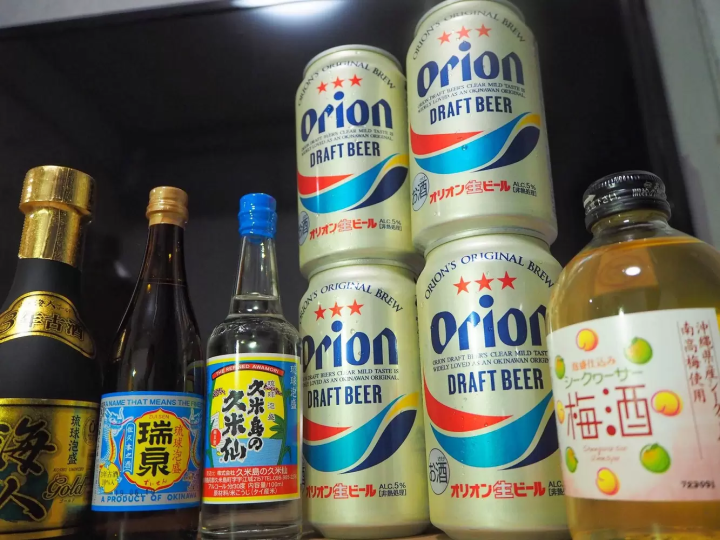
Okinawa, a subtropical archipelago draped in the cerulean hues of the East China Sea, is celebrated for more than its pristine beaches and storied history as the Ryukyu Kingdom. Beneath the surface of its laid-back island lifestyle lies a sophisticated, deeply rooted drinking culture. Two pillars define the Okinawan glass: Awamori, a distilled spirit of ancient lineage, and Orion Beer, the crisp, effervescent emblem of post-war economic resilience. For the discerning traveler, understanding these beverages is not merely a matter of consumption; it is an exploration of the island’s identity, resilience, and unique geography.
The Historical Tapestry: Awamori and the Ryukyu Legacy
Main Facts: The Spirit of the Islands
Awamori is widely recognized as the oldest distilled spirit in Japan, predating the more common rice-based shochu. Unlike its mainland counterparts, which utilize white koji, Awamori is crafted exclusively from long-grain indica rice imported from Southeast Asia and fermented using local black koji mold (Aspergillus awamori). This specific mold is perfectly adapted to Okinawa’s high humidity, providing a robust, earthy foundation that defines the spirit’s character. Typically bottled at 30% ABV, it is a potent, aromatic testament to a long history of maritime trade.
A Chronology of Craft
The origins of Awamori trace back to the 15th century, during the height of the Ryukyu Kingdom’s maritime influence. The term Awamori is believed to derive from awa-moru, or "rising bubbles," a reference to the frothy effervescence observed in the distillation vats of the era.
The most prestigious iteration of this spirit is Koshu (aged sake). Historically, the Ryukyu royal court maintained vast cellars of Koshu, with some vintages aged for over two centuries. The devastation of World War II, specifically the Battle of Okinawa, wiped out almost the entire heritage of pre-war aged spirits. Today, a miraculous 150-year-old Koshu, preserved by the Shikina Shuzo distillery, serves as a poignant, singular connection to the lost royal cellars of Shuri.

The Art of the Pour: How to Experience Awamori
The consumption of Awamori is a ritualized experience, dictated by both climate and personal preference. To drink it like a local, one must understand the nuances of its dilution:
- Neat and On the Rocks: To fully appreciate the complexity of a well-aged Koshu, purists insist on drinking it neat. On the rocks, the melting ice slowly tempers the alcohol, releasing subtle floral and nutty aromatics.
- Mizuwari (With Water): The standard Okinawan way to drink Awamori during a meal is mizuwari. A ratio of 6:4 (spirit to water) is the gold standard, though 50/50 is common.
- Oyuwari (With Hot Water): During the brief, breezy Okinawan winter, hot water—kept strictly below 70°C to prevent the dissipation of volatile aromas—is added to the spirit, transforming it into a soothing, fragrant tonic.
- Modern Infusions: The versatility of Awamori allows it to pair with the island’s bounty. From the sharp acidity of Shikuwasa (Okinawan lime) to the surprising, caffeine-rich "Awamori Coffee," the spirit is highly adaptable to modern cocktail culture.
The Industrial Pillars: Notable Distilleries
To truly grasp the scale of Okinawan distillation, one must visit the sites where tradition meets production.

Tsukayama Distillery: A National Treasure
Located in Nago City, the Tsukayama Distillery (home to the Kokka brand) is a rare architectural survivor. Established in 1928, it stands as a National Important Cultural Property. Visitors can see the black koji mold still permeating the wooden pillars, a living relic of the pre-war era.
Yamakawa Shuzo: The Masters of Aging
Known as "Koryu no Yamakawa" (Aged Sake Yamakawa), this distillery is the standard-bearer for quality. Their Sangoho (Coral Reef) brand and their ultra-premium 15-year-aged Kaneyama represent the apex of the aging craft. Their adherence to strict standards ensures that when a label claims a certain age, it is verified by rigorous, time-tested methods.

Chuko Awamori Distillery: Immersive Craft
Located near Naha Airport, Chuko is a hub for hands-on learning. Beyond the tour, they operate their own pottery studio to craft the clay vessels (kame) required for proper aging. This vertical integration—from clay to spirit—offers a unique look at how Okinawan pottery and distillation have evolved in tandem.
Orion Beer: The Post-War Symbol of Hope
Supporting Data: The Economic Engine
If Awamori represents the past, Orion Beer represents the forward-looking spirit of the modern era. Founded in 1957, the Orion Beer company was established to provide the Okinawan people with a source of pride and economic self-sufficiency during the American administration. The name "Orion" was chosen by the public, symbolizing the southern constellation and the hope for a bright future.

Official Perspectives on Quality
Orion Draft Beer is famously brewed with pure mountain water from northern Okinawa and high-quality barley sourced from Ie Island. The company emphasizes a "refreshing, crisp taste" specifically designed for the tropical climate. Unlike heavy ales, Orion is engineered for the heat—low in bitterness, high in carbonation, and designed to be enjoyed in high volumes during yuntaku (social gatherings).
The Orion Happy Park Experience
In Nago City, Orion Happy Park offers a masterclass in industrial hospitality. The facility provides a transparent look at the bottling process, culminating in a tasting session that serves the beer at the peak of freshness. For many visitors, this is the most effective way to understand why Orion holds a near-monopoly on the hearts and taps of the local population.

Culinary Implications: The Izakaya Experience
Drinking in Okinawa is inextricably linked to the Izakaya (Japanese pub) culture. The food served in these establishments is designed to complement the local alcohol.
- Koregus: A fiery, essential condiment made by steeping chili peppers in Awamori for ten days. It provides a sharp, spicy kick that cuts through the fattiness of pork-heavy Okinawan dishes.
- Tofuyo: A fermented tofu delicacy, marinated in red koji and Awamori, then cave-aged. Its texture is often compared to a pungent, creamy blue cheese, and it is considered the ultimate "slow-sipping" snack for high-proof spirits.
Curated Destinations
- Urizun (Naha): For the serious aficionado, Urizun is an indispensable stop. It is one of the few places in the world that stocks bottles from every single distillery in the prefecture. Their karakara (traditional clay decanter) service is a lesson in regional aesthetics.
- SMOKEHOUSE225 (Yomitan): Managed by a certified Awamori sommelier, this venue bridges the gap between traditional spirit and international food pairings, proving that Awamori can hold its own against western-style smokehouse cuisine.
- Pikarigyo and Chinmaya: These establishments exemplify the "ocean-to-table" ethos of Okinawa. By serving fresh seafood alongside Orion draft beer, they offer a snapshot of the contemporary Okinawan palate: simple, fresh, and refreshingly honest.
Conclusion: A Culture of Connection
Okinawa’s drinking culture is a reflection of its history—a blend of Southeast Asian influence, Japanese tradition, and a resilient, post-war identity. Whether you are savoring the deep, velvety notes of a 15-year-old Koshu in a dimly lit Naha alleyway, or clinking glasses of ice-cold Orion in a sun-drenched coastal izakaya, you are participating in a tradition that values community above all else.

As you navigate the islands, remember that Awamori and Orion are more than commodities; they are the liquid threads that bind the people of the Ryukyus to their ancestors, their land, and their guests. Approach them with curiosity, drink them with respect, and you will find that you have truly tasted the soul of Okinawa.


 Neng Nana
 Asro
Asro