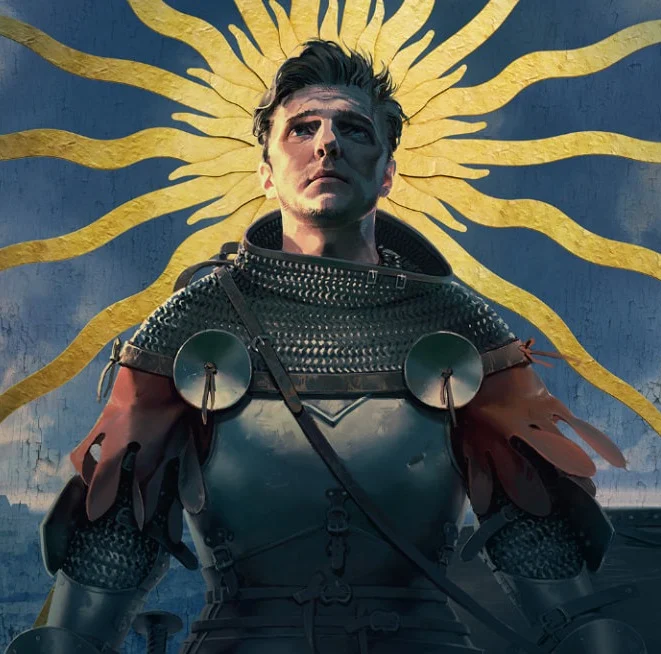
After a development cycle that has spanned nearly a decade—a period marked by industry-shaking shifts, studio upheaval, and immense community skepticism—the troubled saga of Vampire: The Masquerade – Bloodlines 2 is finally reaching its conclusion. Next week, Paradox Interactive will release The Flower and the Flame, the second and final piece of downloadable content (DLC) for the game. This release serves as the definitive "swansong" for a project that has become a case study in the perils of modern triple-A game development.
The Long and Convoluted Road: A Chronological Retrospective
The journey to bring Bloodlines 2 to market has been nothing short of Herculean. Announced with great fanfare in 2019, the game was originally positioned as a direct successor to Troika Games’ 2004 cult classic, Vampire: The Masquerade – Bloodlines. The original title is remembered for its unparalleled atmosphere and deep, branching RPG mechanics, despite being notoriously buggy at launch.
The sequel’s development began under the banner of Hardsuit Labs. Expectations were sky-high, but the project quickly hit significant headwinds. Internal creative disagreements and technical difficulties led to a series of high-profile delays. By 2021, the situation had deteriorated to the point where Paradox Interactive made the drastic decision to remove Hardsuit Labs from the project entirely.
The game was subsequently handed over to The Chinese Room, the studio renowned for its work on atmospheric titles like Dear Esther. In a quiet, methodical reboot, the studio rebuilt the game from the ground up, implementing entirely new gameplay mechanics and RPG systems. When it finally launched, the result was a competent, if somewhat constrained, piece of gothic detective fiction. However, as noted by critics and players alike, the game often felt like a shell of its predecessor, lacking the mechanical depth and the "soul" that defined the 2004 original.
Examining the Expansion: The Flower and the Flame
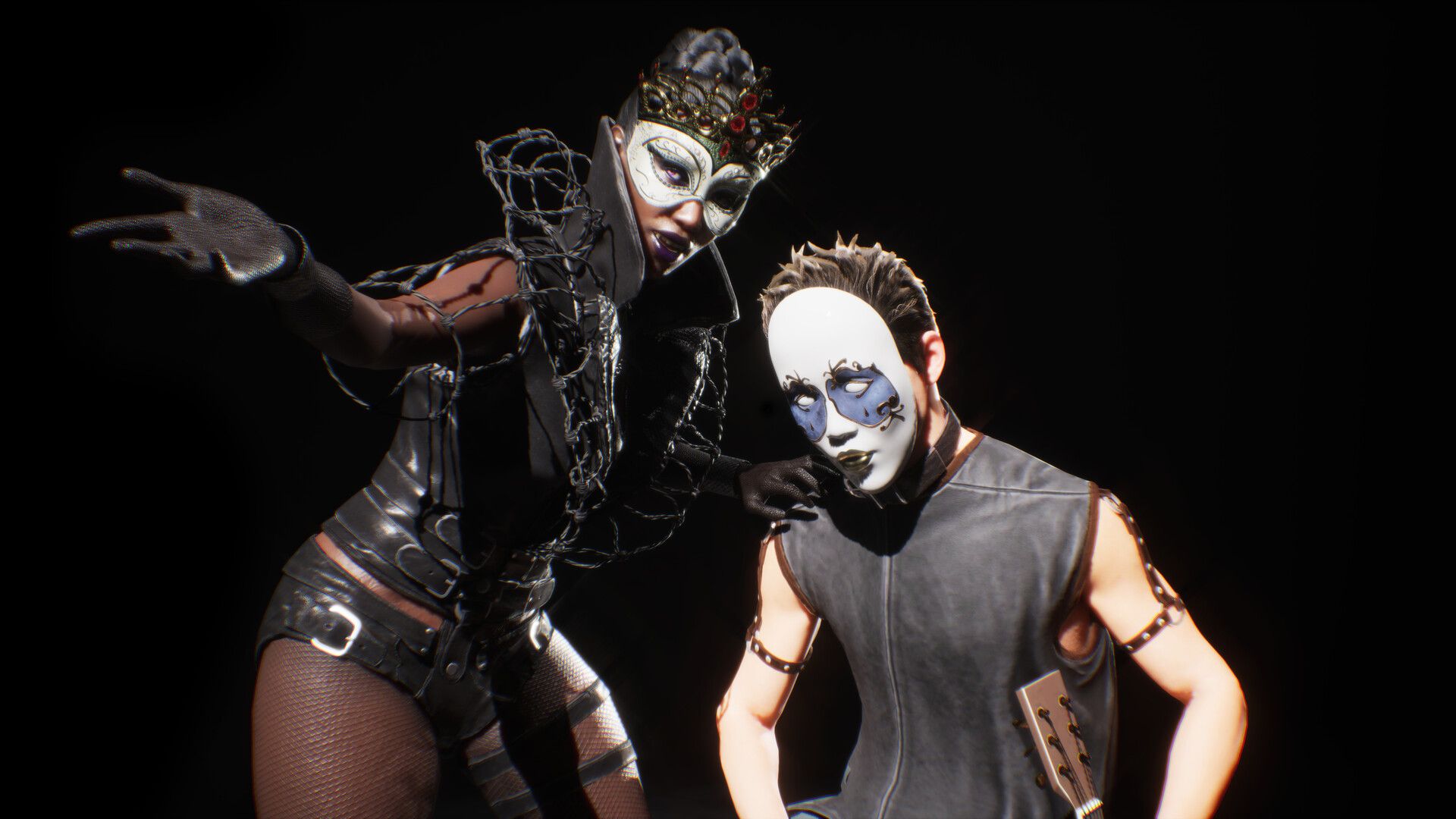
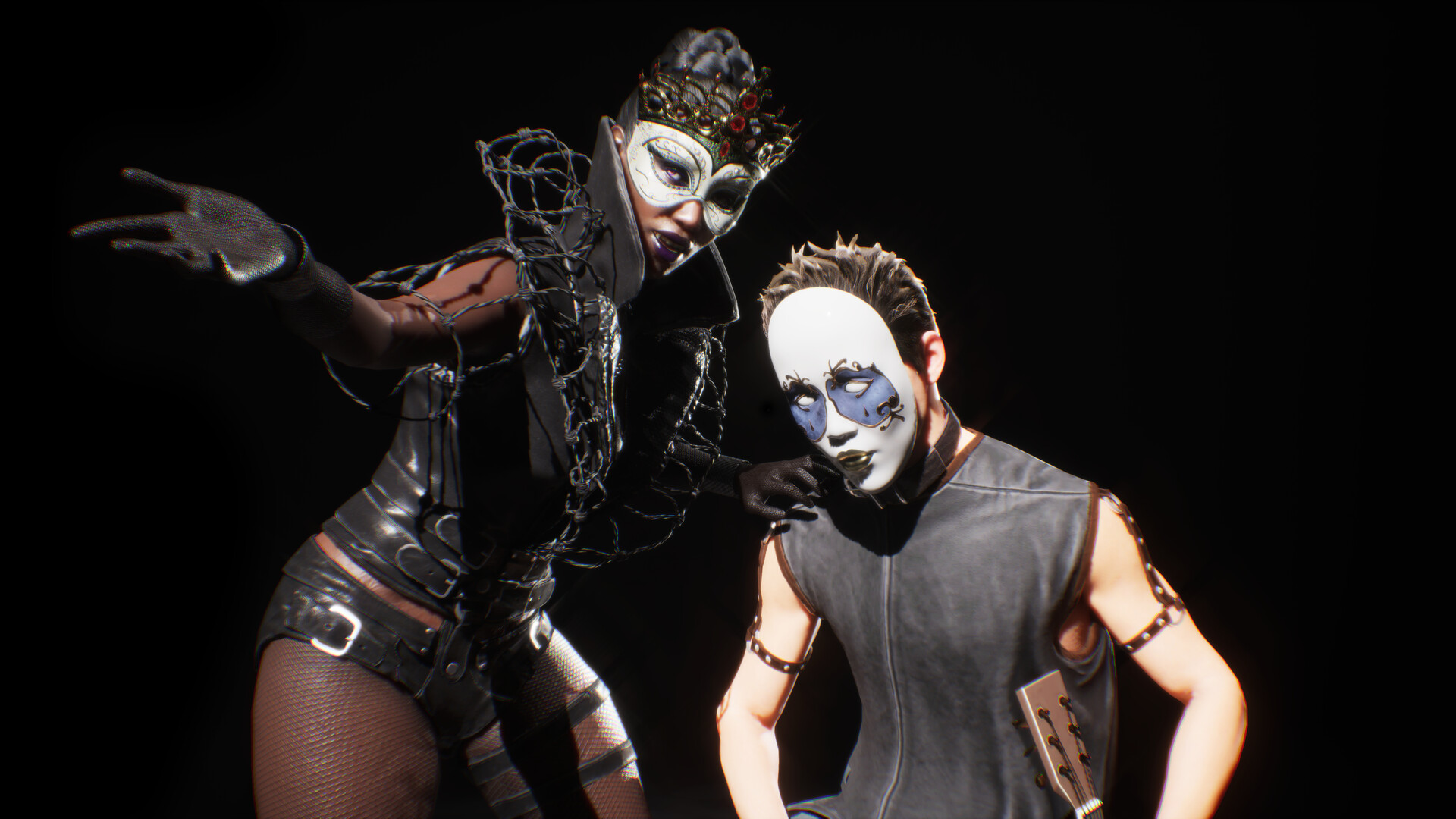
The Flower and the Flame arrives as a final attempt to flesh out the base game’s world. Following in the footsteps of the Loose Cannon DLC released in April, this expansion shifts the player’s perspective. Instead of the protagonist from the base game, players will step into the shoes of Ysabella, the glamorous Toreador who runs the Atrium nightclub.
The narrative structure of this expansion is four-fold. It features a series of quests designed to explore Ysabella’s interpersonal history with other key figures in the Bloodlines 2 narrative, aiming to shed light on her motivations and her specific actions during the main campaign.
Gameplay Evolutions: New Tools for the Damned
Mechanically, the expansion attempts to address some of the criticisms regarding combat variety. While the base game’s combat was often described as functional but repetitive, The Flower and the Flame introduces several distinct flourishes tailored to Ysabella’s character archetype:
- Razor Wire: A tactical hook attack reminiscent of Scorpion from Mortal Kombat. This ability allows players to lasso enemies with barbed wire and pull them into melee range, creating a temporary stun window.
- Rapier Combat: Replacing the generic brawling of the base game, Ysabella utilizes a rapier, which changes the rhythm and reach of melee engagements.
- Dual-Wielding: The expansion allows for dual-wielding firearms, supporting a range of weapons from standard pistols to sniper rifles, providing a more aggressive, high-mobility combat style.
The Weight of Expectation: A Critical Assessment
Despite these additions, the reception of post-launch content for Bloodlines 2 has been tepid at best. The previous DLC, Loose Cannon, was met with significant backlash, currently holding a "Mixed" rating on Steam with only 43% positive reviews.
Industry veterans and critics have been blunt in their assessments. Andy Chalk, News Editor at PC Gamer, characterized the Loose Cannon experience as "pure garbola." His critique highlights a fundamental issue with the game’s current post-launch strategy:
"Half of it is just a replay of the boring endgame level, there’s no real insight into the character or why he went nuts, the implementation of guns is extremely clumsy to the point that they’re not worth the effort, the awful crossover from Bloodlines 1 is back and somehow even more pointless and annoying, and wow, it turns out that Bloodlines 2 was actually heavily dependent on its characters and when you strip them out there’s not a hell of a lot left."
This sentiment underscores a broader problem. By isolating specific characters in bite-sized DLC, the developers may be inadvertently highlighting the lack of depth in the core RPG systems. When players are stripped of their own character agency and placed into linear, pre-defined vignettes, the "RPG" component of the title feels increasingly decorative rather than functional.
Official Stance and Future Outlook
Paradox Interactive has yet to confirm a retail price for The Flower and the Flame, though market speculation suggests it will mirror the $15 (£13) price point of Loose Cannon. While the studio has been committed to finishing the roadmap for the game, there is a palpable sense that the community’s patience has been exhausted by years of delays and iterative, rather than transformative, updates.
For the publisher, this launch is less about capturing new audiences and more about fulfilling contractual obligations and closing the chapter on a project that has cost significant capital and reputation. The focus has quietly shifted toward whether the World of Darkness IP can be salvaged for future projects or if the failures of this specific title have soured the brand’s potential for a broader audience.
Implications for the Genre
The Bloodlines 2 saga serves as a somber reminder of the "development hell" phenomenon. It highlights the inherent danger of changing creative vision midway through production—specifically, moving from an ambitious, systems-heavy RPG approach to a more focused, narrative-lite action game.
Immersive sims and deep RPGs require a level of interconnectedness between world-building, character progression, and player agency that is incredibly difficult to retroactively inject via DLC. When a game is built on a foundation that doesn’t fully support these pillars, no amount of new weapons or character-specific quests can fully restore the lost magic.
As the industry looks toward the next generation of RPGs, Bloodlines 2 will likely be remembered not for its final state, but for the tragedy of its potential. It is a game that spent ten years trying to live up to a ghost—the 2004 original—only to find that in its desperate attempt to survive the transition, it lost the very blood that made it unique.
Whether The Flower and the Flame can provide a satisfying, if small-scale, resolution for the remaining fans remains to be seen. However, as the curtain falls on this ten-year performance, the primary lesson for developers and publishers alike is clear: the strength of an RPG lies in its core identity, and that identity cannot be added in post-production.