Siti Muinah
As the crisp autumn air settles in and the leaves begin their inevitable descent, homeowners are faced with a seasonal chore that feels as perennial as the falling foliage itself. While the traditional image of autumn yard work involves hours of back-breaking labor with a rake and paper bags, a more efficient, eco-friendly, and scientifically sound alternative has gained traction among turf management experts: leaf mulching.
By repurposing fallen leaves directly into your lawn, you are not merely disposing of yard waste; you are engaging in a sophisticated form of soil enrichment. However, this process is not as simple as merely running a mower over a carpet of color. Success requires a strategic approach, particularly regarding the height of your mower deck, the density of the leaf cover, and an understanding of the delicate ecological balance at play.
The Science of the Cut: Determining Mower Deck Height
The primary question for any homeowner attempting to turn their autumn debris into organic gold is, "What is the optimal height for my mower deck?"
According to guidelines from the Town of Clifton Park Tree Committee, a mower deck setting of approximately 3 inches is the gold standard for leaf mulching. This specific height serves a dual purpose. First, it allows the mower blades to create enough suction to lift the leaves and chop them into fine particles without scalping the lawn. Second, it ensures that the resulting mulch is small enough to settle between the blades of grass, where it can decompose rapidly and filter down into the soil profile rather than matting on top of the turf.
Variables in the Equation
While 3 inches is an excellent baseline, it is not a universal mandate. The ideal height depends on several factors:
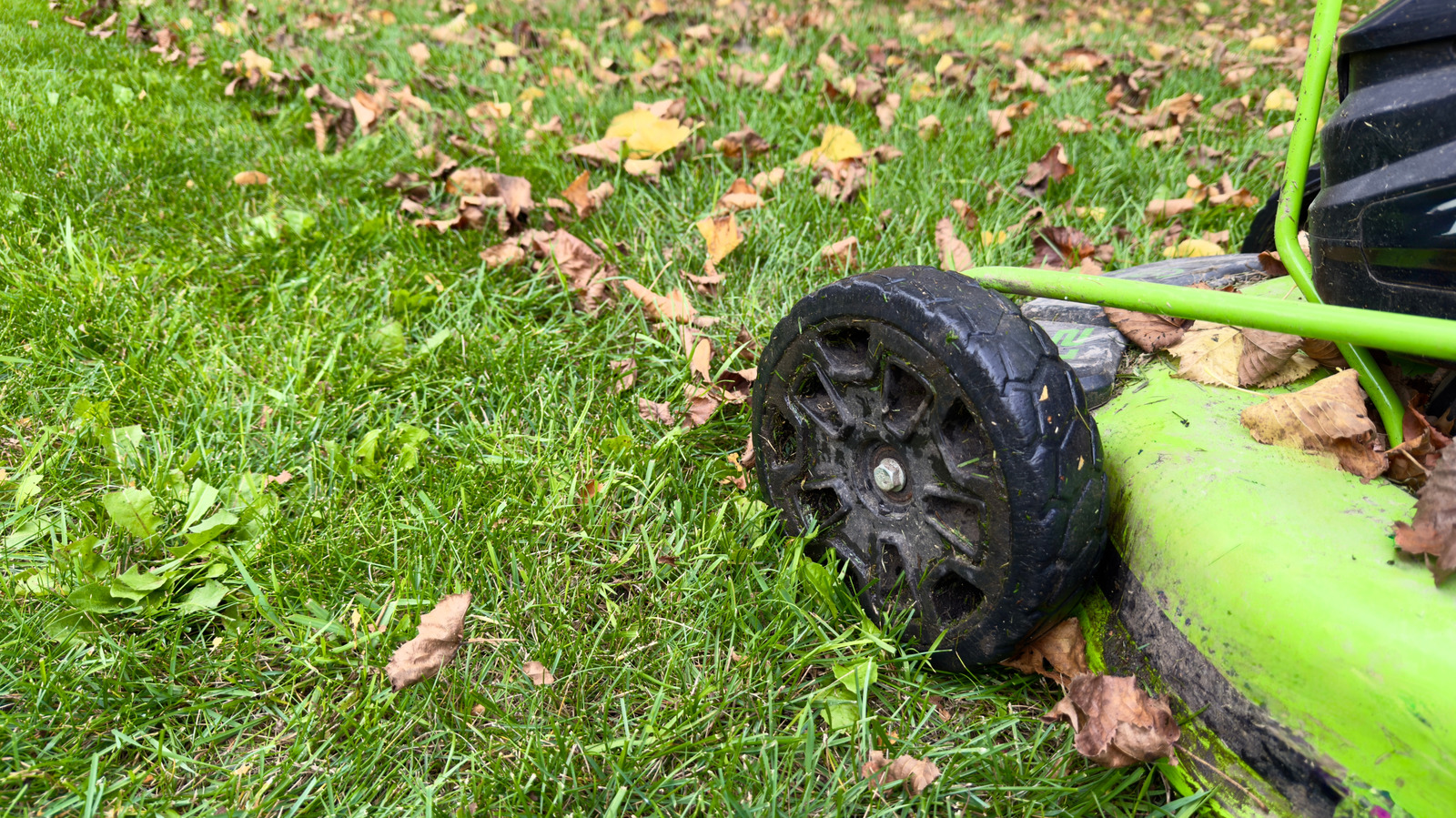
- Leaf Density: If your lawn is buried under a thick, heavy blanket of leaves, you may need to adjust your approach. A general rule of thumb provided by landscaping professionals is that you should never attempt to mulch more than 6 inches of leaf cover at a single pass. If the layer is deeper, it is advisable to perform multiple passes at a higher setting before lowering the deck to the final 3-inch mark.
- Turf Type: Different grass species have varying tolerance levels. Cool-season grasses like Kentucky Bluegrass or Fescue may handle a 3-inch cut well, but specialized lawn setups might require minor adjustments.
- Mower Capability: Not all mowers are created equal. A dedicated mulching mower, equipped with specialized blades and a closed-off deck design, will perform significantly better at this height than a standard side-discharge mower.
Chronology of an Effective Mulching Session
To achieve the best results, homeowners should view leaf mulching as a tactical operation rather than a mindless chore. Follow this suggested timeline to ensure your lawn remains healthy through the transition into winter.
Phase 1: Preparation (Early Autumn)
Before the heavy leaf drop begins, ensure your lawn is healthy. Perform your final regular mow at the standard summer height. Check your mower blades—if they are dull, they will tear the leaves rather than shred them, leaving jagged pieces that decompose slowly and look unkempt.
Phase 2: The Initial Pass (Peak Leaf Drop)
As the leaves begin to cover the grass, start your mulching routine. Do not wait until the entire yard is obscured. Mulching smaller amounts as they fall is significantly more efficient than tackling a massive, sodden pile later in the season. Aim to mulch when the leaves are dry; wet leaves clump together, clogging the mower deck and resulting in uneven distribution.
Phase 3: The Finishing Touch
Once the bulk of the trees have shed their leaves, perform a final pass. If the mulch layer appears too thick in certain areas, use a rake to disperse the piles manually. The goal is to see the grass peeking through the shredded leaf particles. If the leaf mulch is too dense, it may block sunlight and air, leading to mold or suffocated grass.
Supporting Data: The Ecological and Practical Impact
Why go through the trouble of mulching instead of hauling the leaves away? The data suggests that the benefits extend far beyond convenience.
Nutrient Cycling
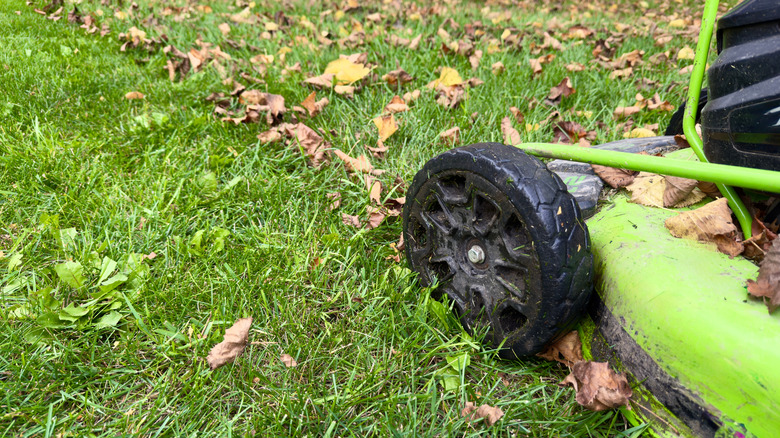
Leaves are essentially concentrated nutrients that the tree has spent the entire spring and summer extracting from the soil. When you bag leaves and send them to a landfill, you are effectively stripping your soil of potassium, phosphorus, and nitrogen. Mulching returns these nutrients to the earth, creating a natural, slow-release fertilizer that feeds the soil microbiome throughout the winter.
Weed Suppression
A critical advantage of leaf mulch is its ability to act as a physical barrier against opportunistic weeds. Weed seeds—which require sunlight to germinate—are smothered by a consistent layer of finely shredded leaves. This "mulch layer" effect has been documented in various horticultural studies as an effective, non-chemical way to manage invasive plant populations in turfgrass.
Soil Aeration and Microbial Life
Earthworms and beneficial soil bacteria thrive on the organic matter provided by shredded leaves. As these organisms work to break down the mulch, they tunnel through the soil, naturally aerating the earth and improving water drainage. This creates a more robust, resilient lawn that is better equipped to handle the stresses of the following summer, such as drought or heat waves.
Official Perspectives: Balancing Benefit and Risk
While the benefits of mulching are clear, environmental experts urge a measured approach. Organizations like the Richmond County Center have highlighted the critical role that "leaf litter" plays in the local ecosystem.
"Turtles, toads, birds, mammals, and many invertebrates use leaf litter for food, shelter, and nesting material," notes the Richmond County Center. This creates a conundrum for the environmentally conscious homeowner: how to balance a clean, healthy lawn with the need to provide habitat for local wildlife.
The Risk of Pathogens
Not all leaves are created equal. If your property is home to trees suffering from fungal infections or blight, mulching those leaves can actually propagate the disease. Fungal spores can survive the shredding process and be redistributed across your lawn, potentially infecting healthy plants in the spring. In such cases, experts recommend bagging and disposing of diseased leaves rather than mulching them.
The "Too Much" Threshold
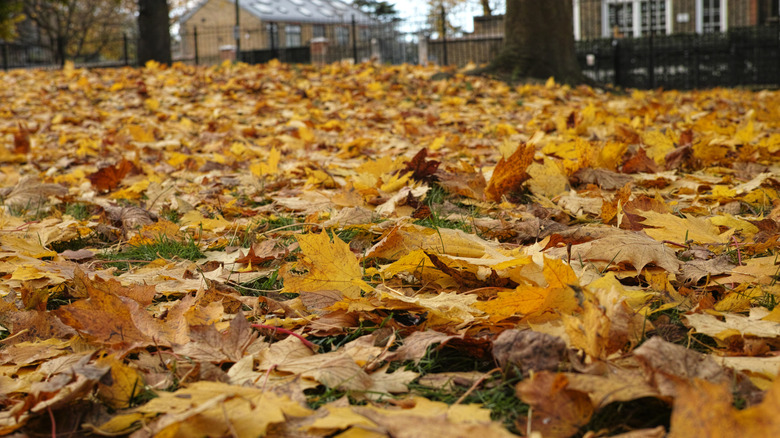
Abigail Garofalo of the University of Illinois Extension has cautioned that there is a tipping point. When leaf cover is excessive, it can create an impermeable barrier. When it rains, this thick mat can become waterlogged, preventing the soil underneath from "breathing." This creates an anaerobic environment that can lead to root rot and kill the very grass you are trying to protect. If you find your lawn is buried under a heavy, suffocating layer, it is wiser to rake the excess into garden beds or compost piles rather than force it into the turf.
Strategic Implications: Choosing Your Path
Ultimately, the decision to mulch or rake is a personal one, dictated by the specific needs of your landscape.
If your primary goal is to maintain a manicured, pristine aesthetic for the entire season, a hybrid approach is often the most successful. You might choose to mulch the leaves that fall on the main lawn areas while raking those that collect in deeper, thicker piles under heavy canopy trees.
Final Considerations for Success
- Maintenance: Remember that leaf mulching is hard on your equipment. A thorough cleaning of the mower deck after each session is essential to prevent rust and the accumulation of debris that can cause future mechanical failures.
- Timing: Always aim for a dry day. Attempting to mulch wet leaves is the most common reason for failure, leading to clumps that smother the grass and stress the mower engine.
- Observation: Monitor your lawn in the weeks following your mulching. If you notice signs of yellowing or mold, you have likely applied too much material and should consider removing the excess.
In conclusion, leaf mulching is a sophisticated, environmentally sound practice that, when executed with the correct deck height and a keen eye for the health of the local ecosystem, can result in a more vibrant and nutrient-dense lawn. By viewing your fallen leaves as a resource rather than a nuisance, you can contribute to a healthier landscape while saving time, money, and labor. As with all things in gardening, the key lies in moderation, observation, and a commitment to working with, rather than against, the natural cycles of the seasons.


 Muslim
 Evan Lee Salim