Nana Wu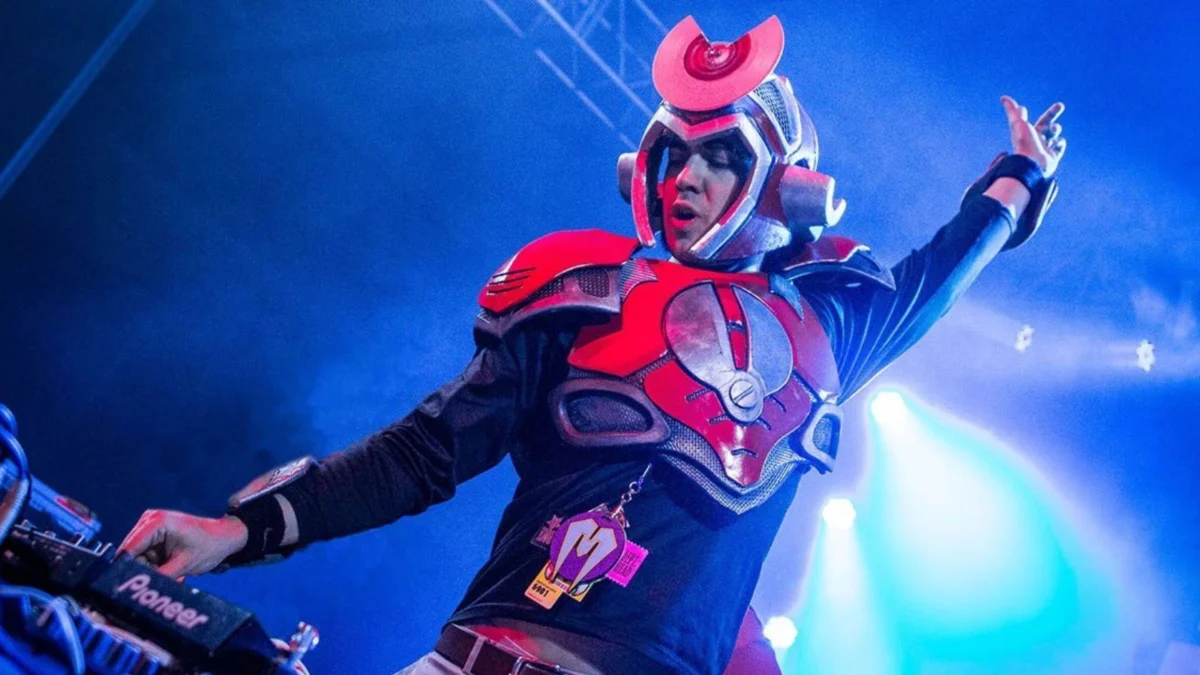
The world of video game music (VGM) is currently witnessing a high-stakes legal and creative standoff that could redefine how derivative works are distributed in the digital age. GameChops, a prominent record label specializing in remixes and covers of iconic gaming franchises, is currently fighting for its survival after being hit with over 100 DMCA takedown notices. The deluge of copyright claims has brought the label, which has been a staple of the gaming community since 2010, to the brink of permanent deletion from YouTube.
At the heart of the conflict is a fundamental disagreement over licensing, the scope of "cover" rights, and the legal nuances of remix culture. As the clock ticks toward a critical deadline, the industry is watching closely, fearing that the outcome could set a dangerous precedent for fan-made art and independent music distribution.
The Chronology of a Digital Collapse
The crisis began with a sudden, overwhelming wave of notifications appearing on the YouTube dashboard of Chris Davidson—known globally to fans as DJ Cutman. Since its inception 14 years ago, GameChops has cultivated a massive following, boasting over 600,000 subscribers and serving as a home for artists reimagining music from beloved titles like Pokémon, The Legend of Zelda, Undertale, and Deltarune.
In an urgent appeal shared via X (formerly Twitter), Davidson revealed the severity of the situation: "I have 24 hours to dispute over 100 DMCA takedown notices, or my channel gets deleted and I get banned for life."
The suddenness of the action was shocking for a label that had operated for over a decade with minimal friction. Davidson noted that, prior to a singular dispute involving a Deltarune piano album roughly a year ago, the channel had remained free of major copyright strikes. This latest escalation, however, was systemic. According to Davidson, the takedowns targeted approximately 50 different artists simultaneously, effectively crippling the label’s catalog.
YouTube’s strict copyright policy mandates that a channel accumulating three active strikes is subject to termination. While the initial 24-hour window threatened an immediate end to the channel, YouTube eventually granted an extension, moving the deadline to September 21. This brief reprieve provided Davidson the necessary breathing room to file counter-notifications, a formal legal process intended to challenge the legitimacy of the takedowns.
The Core Dispute: Licensing and Legal Interpretations
The conflict between GameChops and Materia Music centers on the definition of a "licensed cover." To understand the gravity of this dispute, one must look at the mechanical licensing landscape.
The GameChops Perspective
Davidson maintains that his label has operated in good faith. He points to his reliance on distributors like DistroKid to obtain necessary cover licenses. To support his claim, he has publicized documentation that he asserts covers his label’s releases of Undertale and Deltarune tracks.
Furthermore, Davidson highlights the economic reality of the situation: these videos were already subject to YouTube’s Content ID system. Under this system, rights holders are typically granted the ability to monetize user-uploaded content. For years, GameChops operated under the assumption that if the original rights holders were already collecting revenue from these videos, the status quo was mutually accepted. "What’s being asserted questions if covers are allowed to be made at all, if fan art is allowed to be used on album covers," Davidson argued.
The Materia Music Stance
Materia Music, the entity behind the takedowns, paints a different picture. In a public statement issued on September 14, the company characterized its actions as an "ongoing takedown initiative." They claim the move is not an arbitrary attack on remix culture but a necessary enforcement of intellectual property rights against unlicensed content.
Materia’s position hinges on the technical distinction between a "cover song" and a "derivative work." According to their statement, GameChops’ library contained more than just straightforward covers; it included remixes, mashups, samples, and even soundtrack rips, many of which allegedly lacked the specific, separate permissions required for such complex adaptations. Materia claims that these issues were brought to the attention of GameChops privately over the course of a year before they were forced to resort to public takedown notices.
Understanding the "Cover" vs. "Derivative" Divide
The technical disagreement here is likely the crux of the legal battle. DistroKid, the service used by many independent creators, provides a clear distinction in its documentation. A standard "compulsory" mechanical license—which allows a musician to record their own version of an existing song—applies only to traditional covers where the composition is not fundamentally altered.
However, once a track enters the realm of "remixing"—where the tempo is changed, elements are mashed up, or audio is sampled—it ceases to be a simple cover in the eyes of many publishers. These derivative works often require a "sync license" or a specific "master use license" from the original owner. Because the gaming industry is notoriously protective of its intellectual property, these licenses are often difficult to obtain, expensive, or simply not offered to independent labels.
If Materia Music is correct that GameChops was distributing remixes under the guise of simple cover licenses, the label may indeed be in violation of copyright law. Conversely, if GameChops is correct that their licensing was sufficient, then Materia’s actions could be viewed as an over-aggressive enforcement tactic that threatens the existence of an entire genre.
Implications for the Gaming Music Industry
The implications of this dispute extend far beyond the future of a single YouTube channel. If the takedowns are upheld, it could signify a new era of "zero tolerance" for VGM remixing, a community that has thrived on the grey areas of copyright law for decades.
A Chilling Effect on Creators
The community of remix artists is understandably anxious. Many independent musicians rely on platforms like GameChops to distribute their work and reach an audience. If the process of clearing rights becomes too onerous or if publishers begin using aggressive DMCA tactics as a standard, the vibrant ecosystem of fan-made gaming music could be effectively stifled.
The "Who is Next?" Question
Davidson’s rhetorical question—"My concern is that if GameChops goes down, who’s next?"—resonates with many. If a label that has operated for 14 years and attempted to use legitimate distribution channels can be targeted so easily, the average independent musician, hobbyist, or YouTuber has very little protection.
The Need for Industry Standards
This conflict underscores a significant lack of standardized licensing procedures for the gaming industry. Unlike the film or television industries, where licensing protocols for music are deeply established, the video game industry often treats its soundtrack as a tightly guarded asset. As game music continues to grow in popularity—evidenced by the rise of live symphonic game concerts and the explosion of the lo-fi and synth-wave VGM subgenres—the need for a clear, accessible licensing framework for remixers has never been greater.
Conclusion: A Turning Point
As the September 21 deadline approaches, the tension between GameChops and Materia Music serves as a microcosm for the broader struggle between traditional copyright enforcement and the digital-era culture of "remixing."
Whether this results in a legal precedent regarding the definition of mechanical licenses for gaming music, or whether the two parties reach a private settlement, remains to be seen. What is clear, however, is that the status quo of the VGM remix community has been shattered. The resolution of this case will likely dictate the rules of engagement for artists, labels, and publishers for years to come, forcing the industry to finally address the complex legal realities of the music that defines our favorite gaming experiences.


 Lina Hope
 Basiran