Laily UPN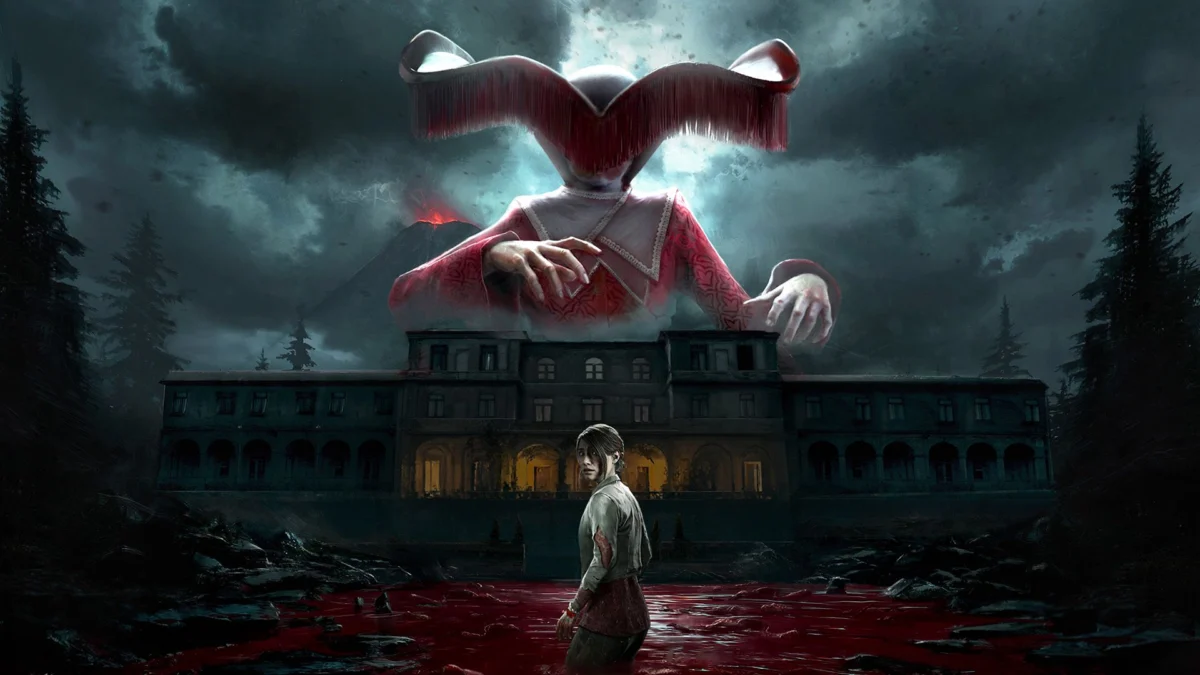
A decade has passed since Stormind Games first opened its doors, carving out a reputation as a powerhouse in the European development scene. While the studio has recently garnered attention for its contributions to high-profile projects—most notably the upcoming Mafia: The Old Country and a chilling adaptation of the horror film franchise A Quiet Place—the company’s heart remains tethered to its original creation. The Remothered series, a cult-favorite horror trilogy, is finally reaching its grand, terrifying conclusion with the release of Red Nun’s Legacy.
As the studio celebrates its ten-year milestone, the transition to the final chapter represents more than just a wrap-up of a narrative arc; it is a testament to the evolution of Italian game development. By weaving together the dark, atmospheric sensibilities of Italian "giallo" cinema with cutting-edge technology and unconventional artistic inspirations, Stormind Games is positioning Red Nun’s Legacy to be the definitive survival horror experience of the year.
A Legacy Rooted in Horror History
To understand the weight of Red Nun’s Legacy, one must look at the foundation of the series. Remothered: Tormented Fathers, the inaugural entry, was never intended to be a mere mimicry of the Resident Evil or Silent Hill franchises. Instead, it positioned itself as a spiritual successor to the legendary Clock Tower series—a title that actually predates the first Resident Evil.
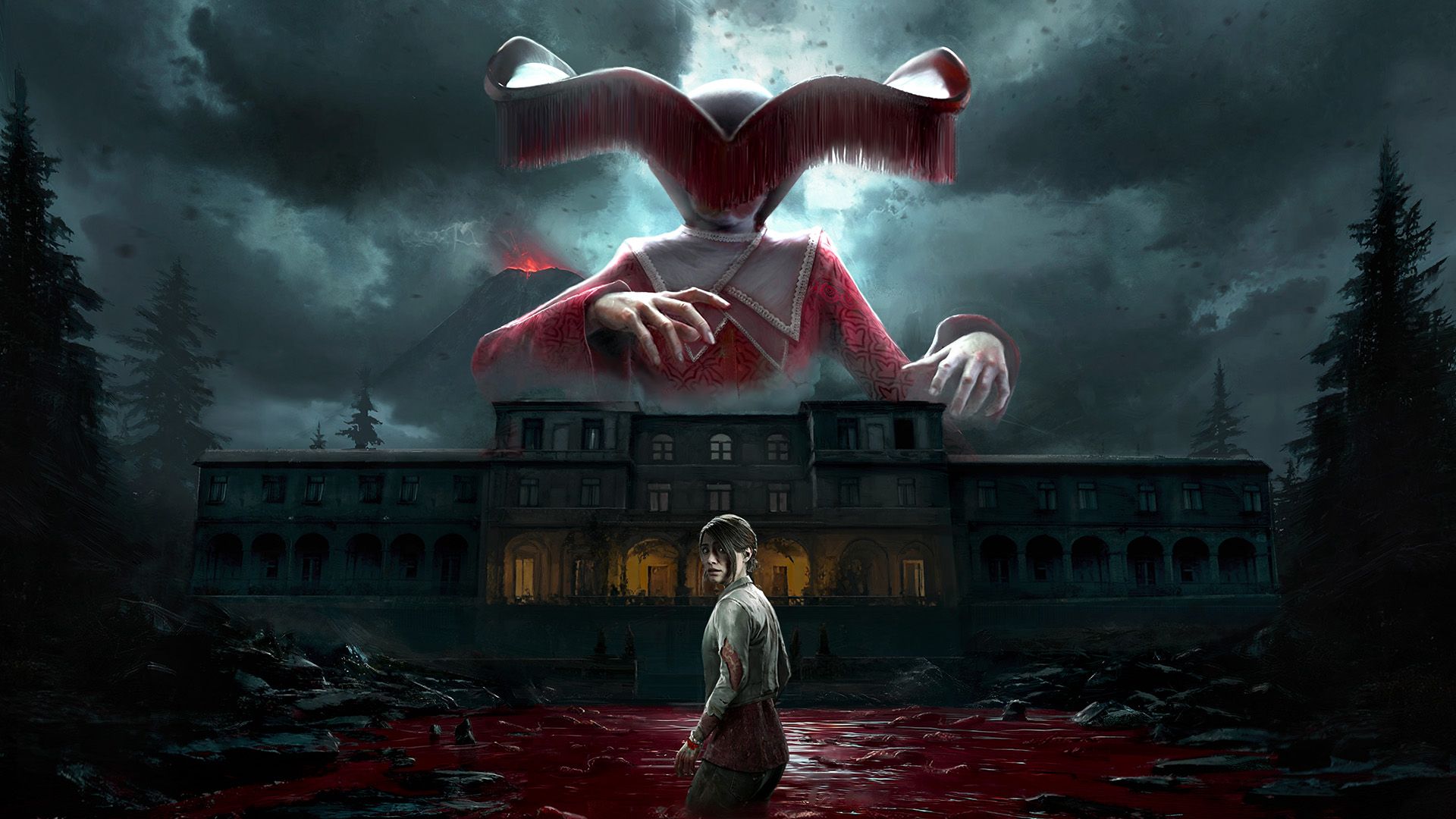
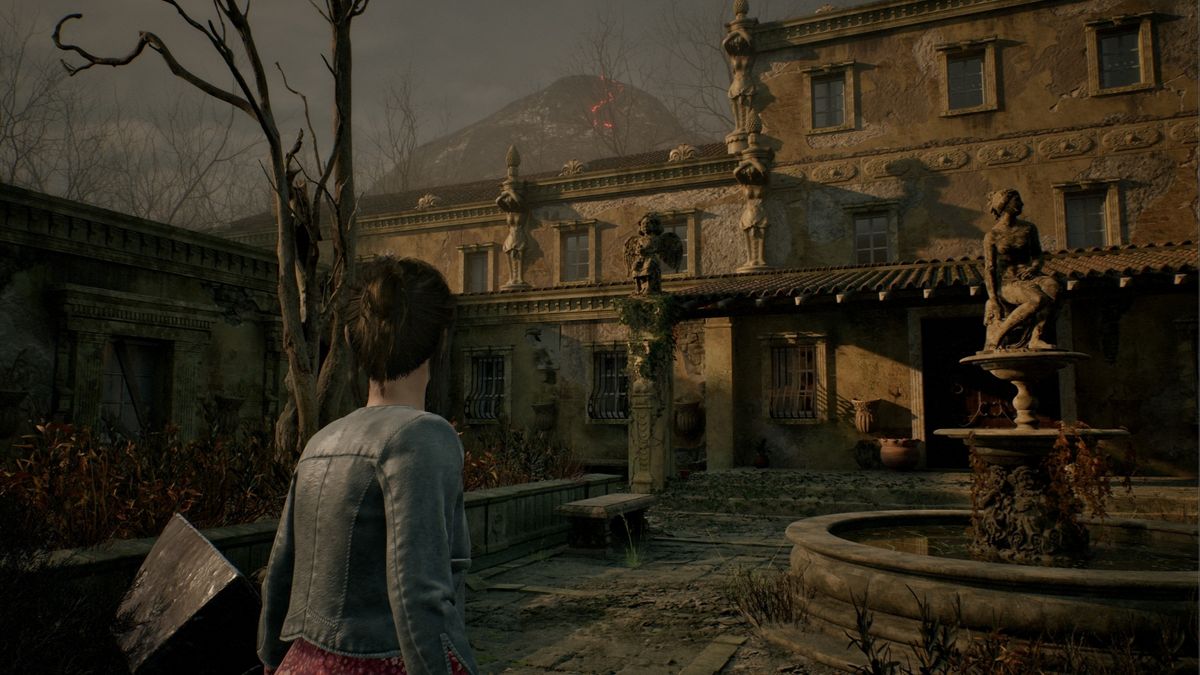
The creative DNA of Remothered is heavily influenced by the "giallo" films of Dario Argento, the Italian master of the macabre known for his stylized violence and psychological tension. This cultural heritage makes Stormind’s work uniquely authentic; while many survival horror games rely on Japanese interpretations of Western tropes, Remothered is a product of its own backyard. The series is set in Sicily, the home of the studio, and for the final chapter, director Antonio Cutrona and his team have decided to lean into this geographic identity more explicitly than ever before.
"Our location scouting included just around our offices," Cutrona explains during a recent interview. "The main villa for the game’s setting is actually modeled after an abandoned villa in the Etna area."
Mount Etna, one of the world’s most active volcanoes, serves as a looming, symbolic presence in the game’s design. While the core gameplay remains rooted in the claustrophobic, tense exploration of interiors, the final chapter promises to break the cycle by incorporating exterior locations where the shadow of the volcano serves as a constant, looming threat.
Technological Prowess: Powering the Unreal Experience
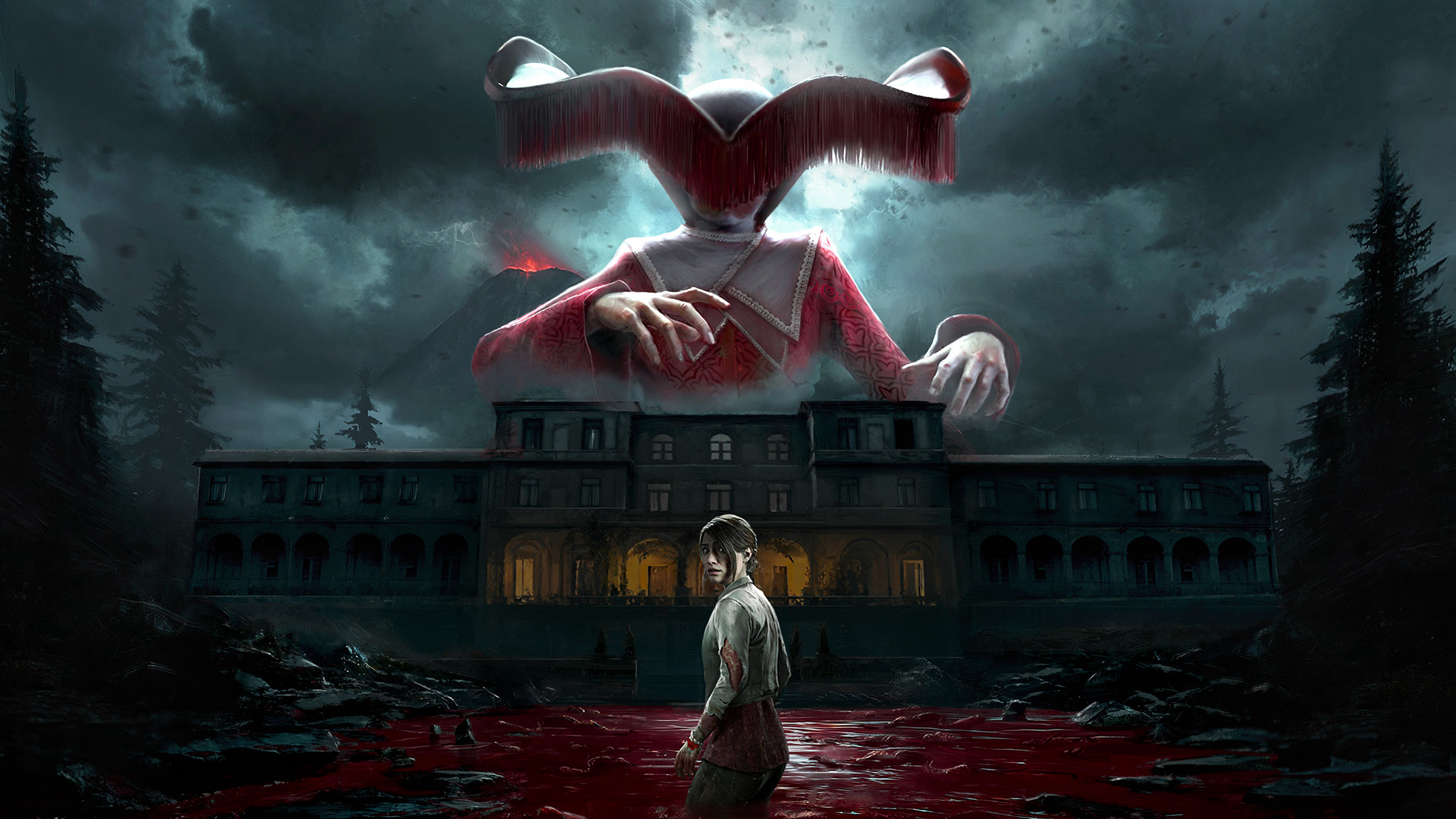
A significant portion of the visual leap seen in Red Nun’s Legacy is attributed to the studio’s migration to Unreal Engine 5. By leveraging Lumen for dynamic, global illumination and Nanite for highly detailed geometry, Stormind Games has elevated the visual fidelity of the series to near-cinematic levels.
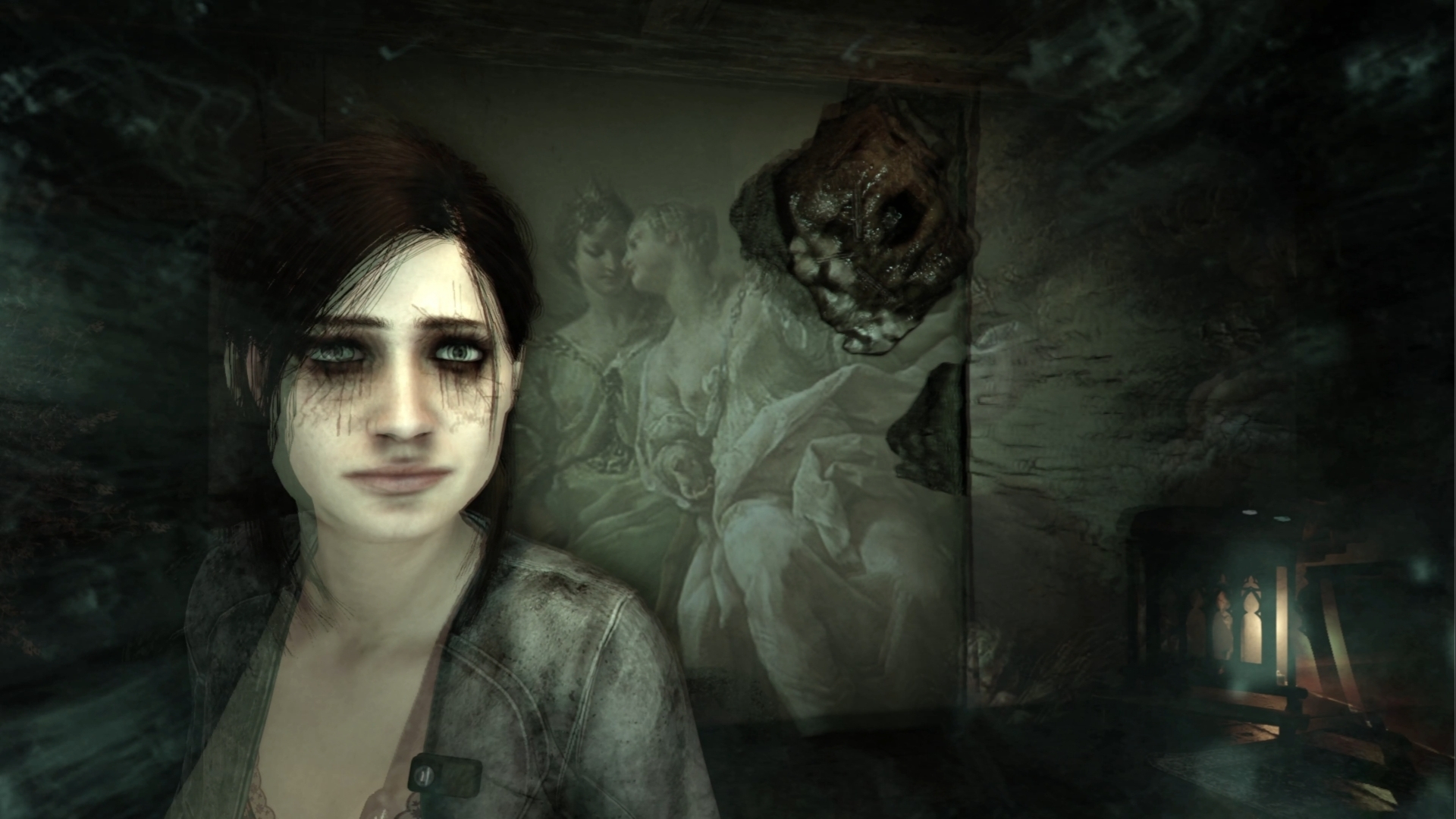
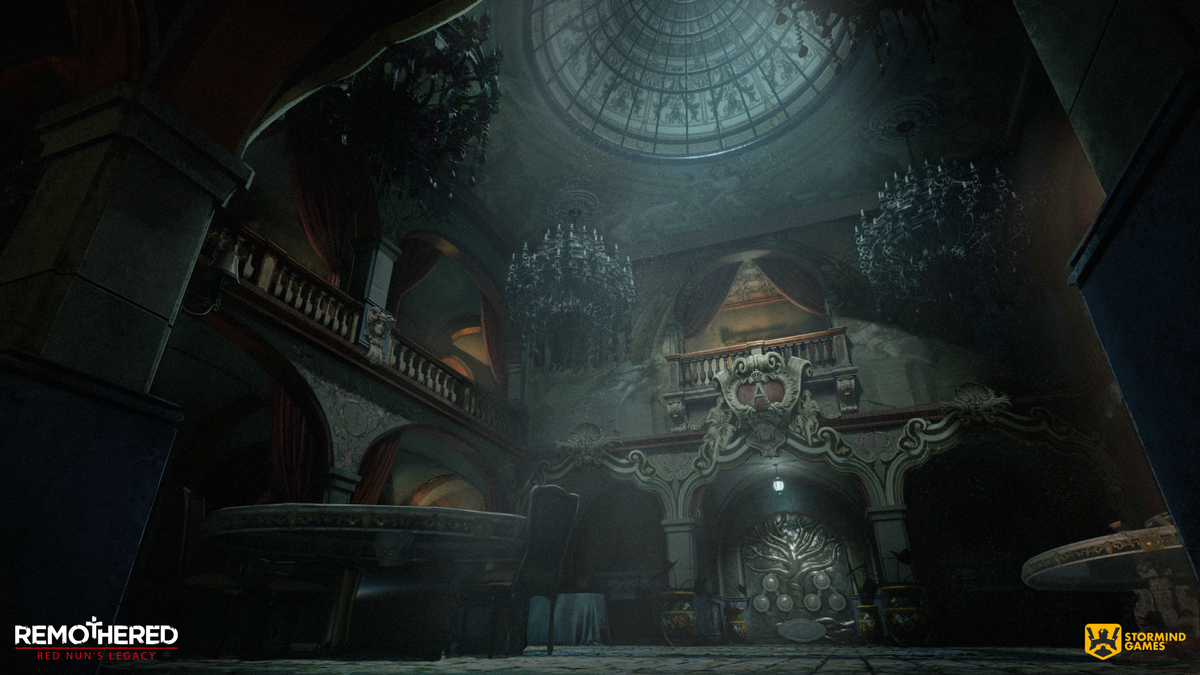
During a hands-on preview at Gamescom, the most striking aspect was not the monsters, but the environment itself. As the player steps into the role of the new protagonist, Susan, they are thrust into a mysterious, opulent villa. Unlike the typical "decayed and decrepit" settings common in the genre, the villa in Red Nun’s Legacy is filled with ornate mosaics, vibrant color palettes, and intricate artifacts. These details are so dense that players often find themselves pausing to inspect everyday objects, mistaking decorative props for interactive puzzles—a testament to the high-fidelity rendering enabled by UE5.
The studio’s work on other major titles has clearly provided the technical expertise necessary to push these boundaries. Managing the complexity of Mafia: The Old Country has sharpened the team’s ability to handle large-scale assets, ensuring that Red Nun’s Legacy looks and feels like a premium, big-budget production.
The Sicilian Aesthetic: A Cultural Synthesis
One of the most compelling aspects of the game’s development is the refusal to stick to a single architectural era. Cutrona notes that the villa is a synthesis of Sicilian history, pulling from Roman, Greek, Baroque, and Renaissance influences. This eclectic design philosophy prevents the setting from feeling like a generic "haunted house."
"This is about staying true to the Sicilian aspect of it," says Cutrona. "We didn’t stick with a particular century or period for our cultural references. We basically took what was important to us and tried to reference it everywhere. Having that kind of reference allows us to set us apart from other kinds of games. As Sicilian developers, we can do something that is truly our own and not the same story."
The "Novices" and the Influence of Butoh
Perhaps the most unsettling element of Red Nun’s Legacy is its primary antagonists: the Novices. Dressed in the habits of nuns with faces obscured by haunting masks, these enemies move with an unnatural, jarring grace. The inspiration for this movement is not found in traditional horror cinema, but in Butoh—an avant-garde Japanese dance theater characterized by slow, controlled, and often grotesque physical movements.
Serendipitously, a Butoh organization is based in Sicily, providing the team with direct access to practitioners of the art form. "One of Butoh’s core principles is that nature itself is controlling you, which transfers to our idea of how the Novices move and behave," Cutrona explains.
The horror of the Novices is compounded by their psychological state. Under the influence of hypnotic suggestion, their dialogue often bears no relation to the player character, Susan. This lack of connection creates a profound sense of isolation and disorientation, reinforcing the game’s core themes.
The Mythos: Hypnosis and Trauma
For any intellectual property to survive, it must possess a unique internal logic. If The Lord of the Rings is defined by high fantasy and Harry Potter by magic, Remothered is defined by the concepts of hypnosis and trauma.
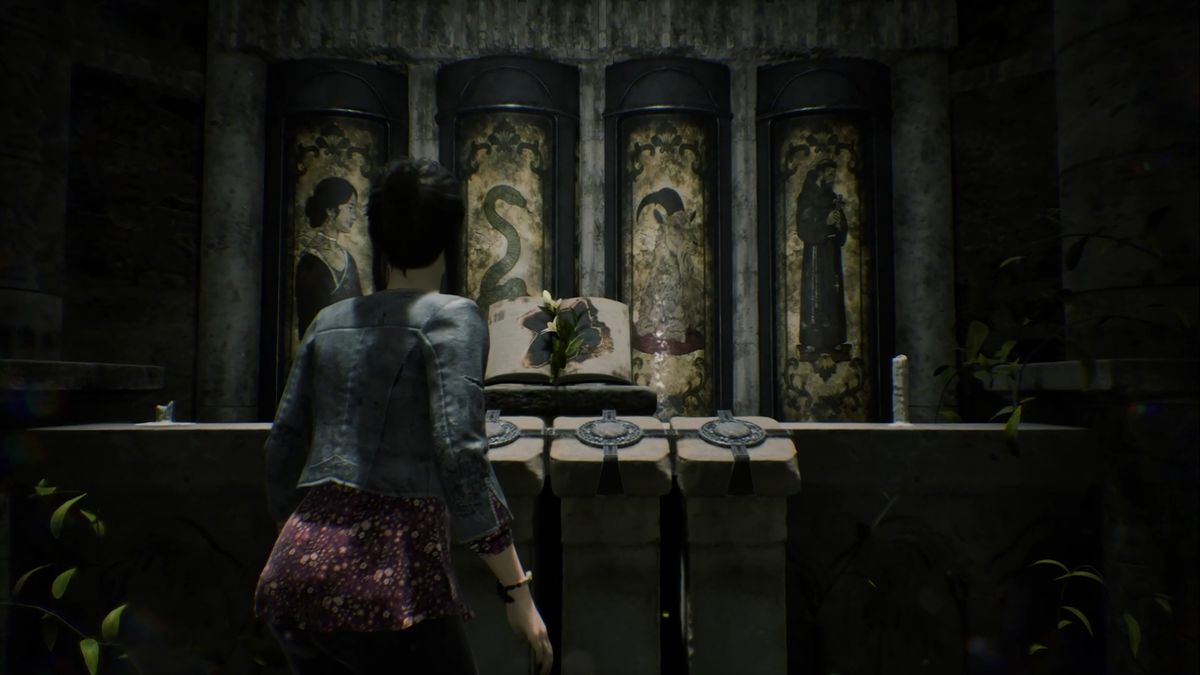
This thematic focus is woven into the very mechanics of the game. The save points are represented by metronomes—the rhythmic ticking acting as both a mechanical checkpoint and a symbolic tether to the psychological states of the characters. The titular Red Nun herself, with her iconic cornette and a moth-like mask, serves as a visual metaphor for the fragile, fluttering nature of the human mind under duress.
"Remothered is all about hypnosis and trauma, and since the first game, it’s how we have expanded the series," says Cutrona. By focusing on these elements, the trilogy avoids the fatigue of jump-scare-reliant horror, opting instead for a lingering, cerebral dread that remains with the player long after the screen fades to black.
Implications for the Future of Horror
As the release date of October 27 approaches, the industry is watching closely. Remothered: Red Nun’s Legacy arrives on PC, PS5, Xbox Series X/S, and the upcoming Nintendo Switch 2. Its success would not only mark a triumphant conclusion to a beloved trilogy but would also further solidify Stormind Games as a premier studio capable of bridging the gap between niche horror and AAA craftsmanship.
The implications are clear: the future of the survival horror genre may lie in the hands of developers who are willing to look inward—to their own local histories, their own cultural landscapes, and their own unique artistic traditions—rather than simply iterating on established tropes. By grounding the "Red Nun" in the volcanic soil of Sicily and the avant-garde spirit of Butoh, Stormind Games has crafted something that feels both deeply familiar and unsettlingly new.
With the final pieces of the puzzle falling into place, fans of the series and newcomers alike can look forward to a conclusion that promises to be as haunting as it is beautiful. Whether you are a fan of the Clock Tower legacy or simply looking for the next great horror experience, Remothered: Red Nun’s Legacy is poised to leave an indelible mark on the landscape of interactive terror.


 Basiran
 Ammar Sabilarrohman