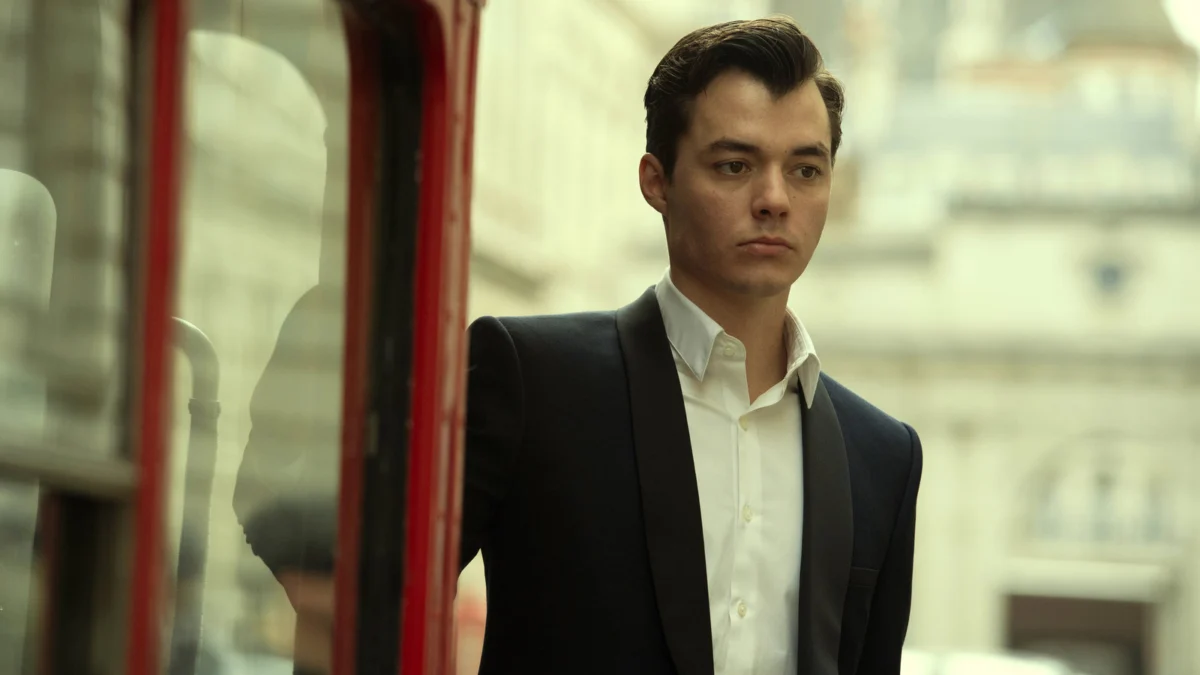
The DC television landscape has long been defined by a willingness to embrace the absurd. From the campy, shark-repellent antics of the 1966 Batman to the genre-bending brilliance of Doom Patrol—which featured a literal zombie apocalypse ignited by genetically engineered, sentient buttocks—DC properties rarely shy away from the strange. Yet, nestled within the expansive and often confusing tapestry of the DC canon lies Pennyworth, a prequel series so inexplicably audacious that it attempted to bridge the gap between Batman’s origin and the dystopian iconography of Alan Moore’s V for Vendetta.
For the uninitiated, Pennyworth serves as a prequel to the already eccentric Gotham. While Gotham focused on a young James Gordon navigating a city brimming with pre-Caped Crusader villains, Pennyworth turns the clock back further to the swinging 60s, documenting the early life of Alfred Pennyworth, the man who would eventually become the stoic backbone of the Wayne household. What began as a grounded espionage thriller quickly devolved into a surrealist alternate-history epic that remains one of the most polarizing and fascinating experiments in comic book television history.
The Chronology of an Alternate History
To understand the sheer scale of the Pennyworth experiment, one must look at the timeline established by showrunners Bruno Heller and Danny Cannon. The series debuted in 2019, arriving at a time when the "origin story" format was reaching a saturation point.
Season 1: The SAS Spy
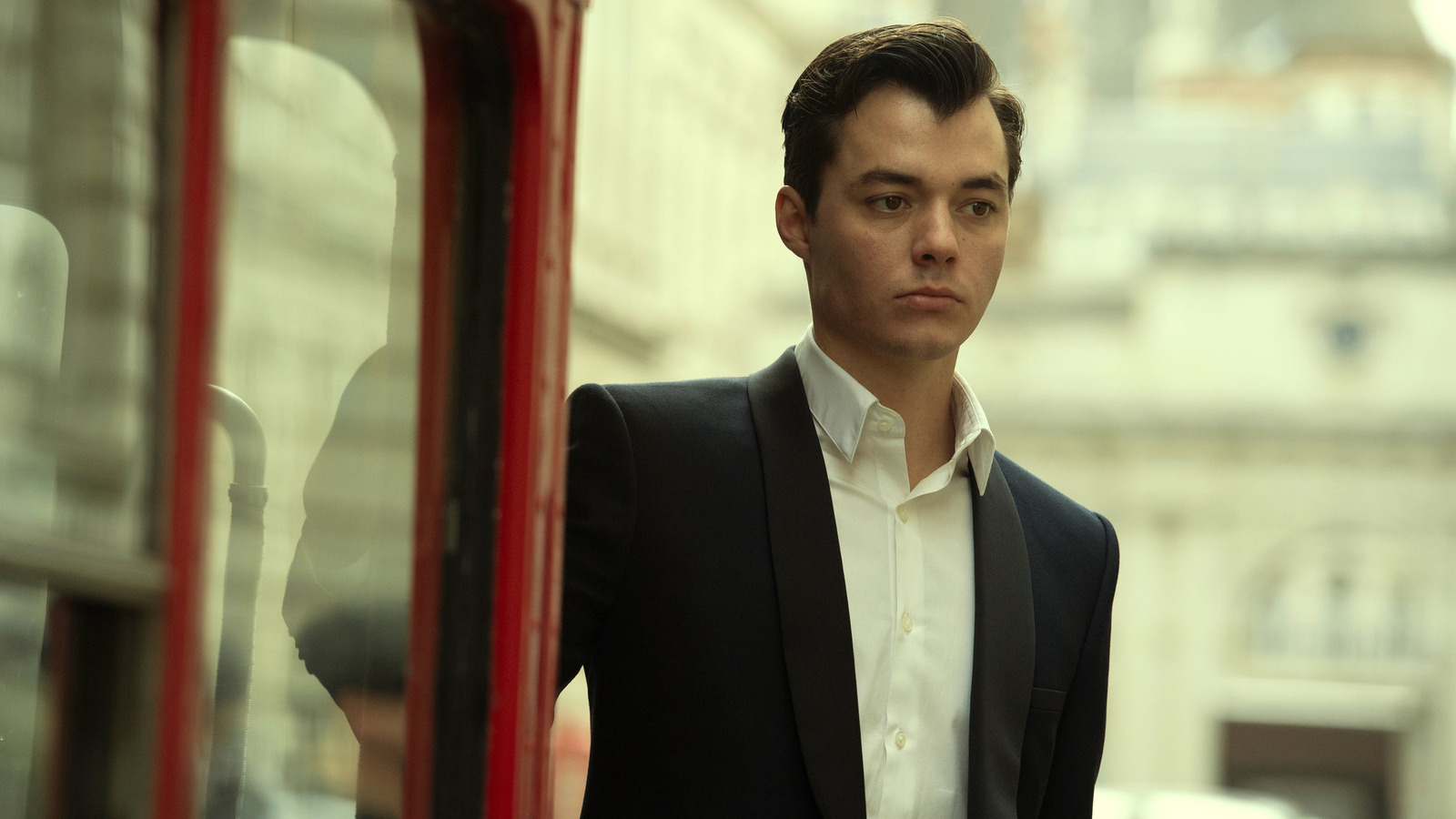
The series introduces us to Alfred Pennyworth as a former British SAS soldier struggling to adjust to civilian life in 1960s London. He establishes a private security firm, crossing paths with Thomas Wayne and Martha Kane. At this stage, the show leaned heavily into a gritty, James Bond-esque spy aesthetic. It was slow-paced, atmospheric, and ostensibly "realistic."
Season 2: The Escalation
As viewership metrics fluctuated, the writers began to shed the constraints of grounded realism. The alternate history elements—which had previously been subtle background dressing—moved to the forefront. We see a version of England governed by the shadow of fascist movements and nuclear-scarred geopolitics.
Season 3: The "Origin of Batman’s Butler" Pivot
In a desperate bid to capture a broader audience, the third season was rebranded as Pennyworth: The Origin of Batman’s Butler. It was here that the show truly embraced the "madness." The writers began pulling from the deepest, most dissonant corners of the DC library, introducing superpowered individuals and finally, the direct, albeit bizarre, visual homage to V for Vendetta.
Supporting Data: When the Guy Fawkes Mask Appears
The most jarring narrative choice in the series occurred during the third season. While Pennyworth is technically an alternate-history prequel to the Batman mythos, it decided to fold in the thematic DNA of V for Vendetta without any clear narrative justification.
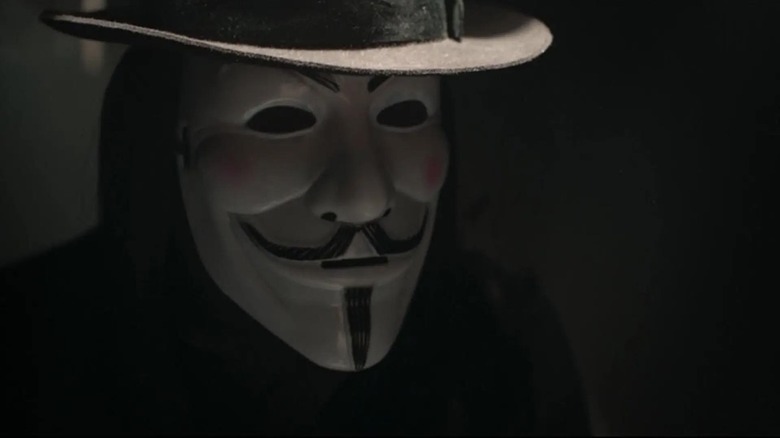
The character "Francis Foulkes"—a flamboyant, anarchist artist—is introduced, complete with the iconic Guy Fawkes mask made famous by Alan Moore and David Lloyd. In the source material, the mask represents a symbol of rebellion against a totalitarian regime. In the world of Pennyworth, however, Foulkes uses the mask while attempting to deploy a mind-control drug to manipulate the population of London.
The connection is, by all accounts, tenuous at best. Alfred never interacts with "V" in a meaningful capacity, and the "V" in this show is a far cry from the complex, tragic figure of the graphic novel. It serves as a prime example of the show’s "kitchen sink" approach to storytelling—throwing iconic comic book imagery at the screen to see what sticks, regardless of whether it fits the established lore.
Beyond the mask, the show’s world-building is a chaotic collage of 20th-century trauma:
- Geopolitical Ruin: The show posits a timeline where Miami and Kyiv were decimated by nuclear warfare.
- The Nazi Shadow: A version of the German Reich maintains a terrifying, ongoing influence over European stability.
- The "Norsefire" Predecessor: The show features a proto-fascist government that acts as a clear precursor to the Norsefire party from V for Vendetta.
- Pop Culture Anomalies: The series incorporates historical figures like Jimmy Savile into its narrative, reflecting a dark, unsettling tone that sits uncomfortably alongside the more traditional comic book heroism of the DC universe.
Official Responses and Creative Intent
The creative team, led by Bruno Heller, has historically maintained that the show’s goal was to explore the "mythology of the butler." In various interviews, Heller suggested that by placing Alfred in a world of high-stakes espionage, they were explaining why he eventually became the capable protector of Bruce Wayne.
However, industry critics and fans noted that the show’s pivot toward the supernatural and the "V for Vendetta" aesthetic was a reactive measure. Facing cancellation, the production team opted for "big swings." The inclusion of Clayface in the third season and the introduction of a previously unmentioned sister for Bruce Wayne were attempts to anchor the show more firmly within the DC superhero framework.
When asked about the tonal whiplash, the producers often cited the Gotham playbook: "If the audience wants madness, we give them madness." By removing the need for a central Batman figure, the writers felt liberated to adapt famous storylines like Death of the Family or No Man’s Land in ways that defied traditional canon.
Implications: The Legacy of "Pennyworth"
The cancellation of Pennyworth after three seasons marked the end of a very specific era of DC television—an era defined by high-concept experimentation that often outpaced its own narrative logic.
The "Gothamization" Effect
Pennyworth proved that the "Gothamization" of a character—stripping away the hero and focusing on the world—is a double-edged sword. When it works (as in the later seasons of Gotham), it creates a feverish, high-energy spectacle that revels in its own absurdity. When it fails (as seen in the middle chapters of Pennyworth), it results in a plodding, directionless narrative that confuses the audience.
The Problem of Prequel Bloat
The show serves as a cautionary tale regarding "prequel bloat." By the time the show reached its climax, it had introduced nuclear explosions, super-soldiers, and fascist regimes into a story that was meant to be about a man serving tea in a manor. The dissonance between the humble origins of Alfred Pennyworth and the global, existential threats he was facing created a narrative wall that the show never quite managed to climb over.
A Cult Curiosity
Despite its flaws, Pennyworth remains a "must-watch" for the most dedicated DC completists. It is a rare instance of a network show attempting to synthesize two completely different literary properties—the Batman mythos and the dystopian critique of V for Vendetta—into one. While it may have lacked the cohesion of a tighter narrative, it possessed a level of ambition rarely seen in the genre.
In the final assessment, Pennyworth was a show that desperately wanted to be everything to everyone. It was a spy thriller, a superhero origin story, and an alternate-history political drama. While it ultimately succumbed to its own contradictions, its inclusion of the V for Vendetta aesthetic remains a bizarre, indelible mark on the DC television legacy—a testament to a time when showrunners were given the keys to the kingdom and allowed to burn the map entirely.