
 Nila Kartika Wati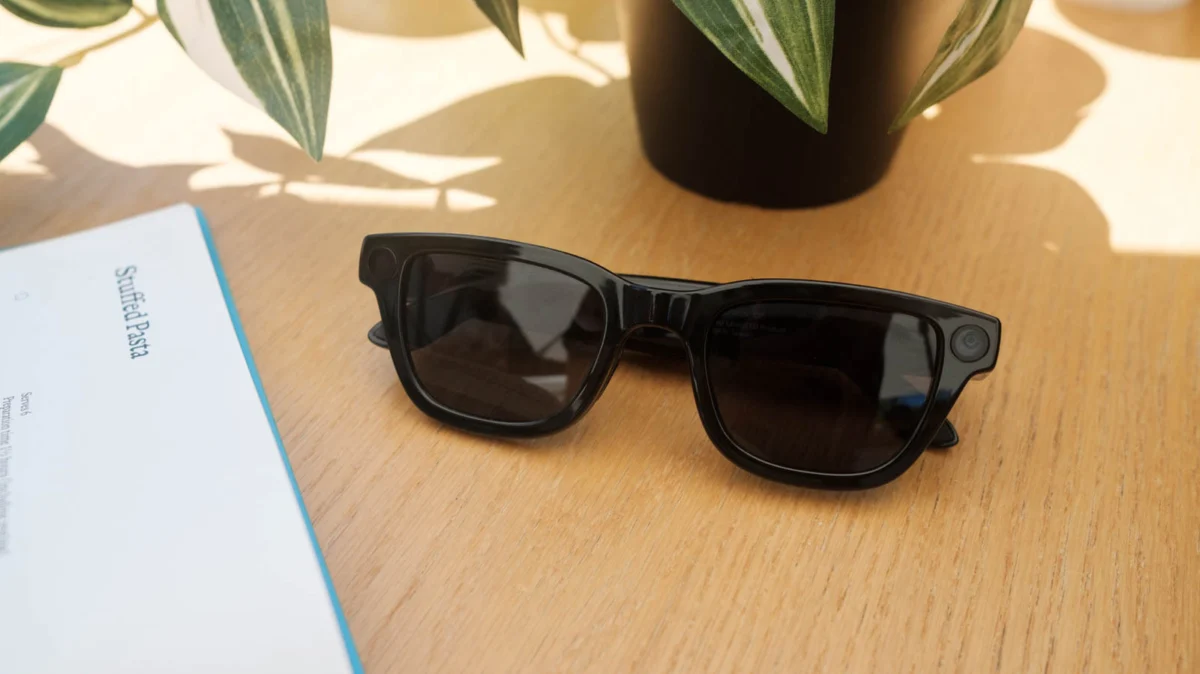
Google has long been a pioneer in the wearable technology space—for better or worse. From the original, socially polarizing Google Glass to the more recent, ambitious experiments in augmented reality (AR), the tech giant has navigated a decade of trial and error. However, at this year’s Google I/O, the narrative shifted from experimental prototypes to tangible consumer products. With the official confirmation that Android XR glasses from partners Warby Parker and Gentle Monster are slated for release later this year, Google is finally positioning itself to challenge Meta’s dominance in the smart eyewear segment.
While Google enters a market already staked out by Meta’s popular Ray-Ban collaboration, the company isn’t merely playing catch-up. Through the integration of Gemini AI, deep ecosystem synergy, and a focus on practical, everyday utility, Google is betting that its software prowess will outweigh its late arrival.
Main Facts: The Evolution of Android XR
The core promise of the Android XR initiative is to move beyond the "gimmicky" nature of early AR. Google’s strategy is twofold: offering high-end, display-equipped hardware for power users and stylish, audio-only frames for the mass market.
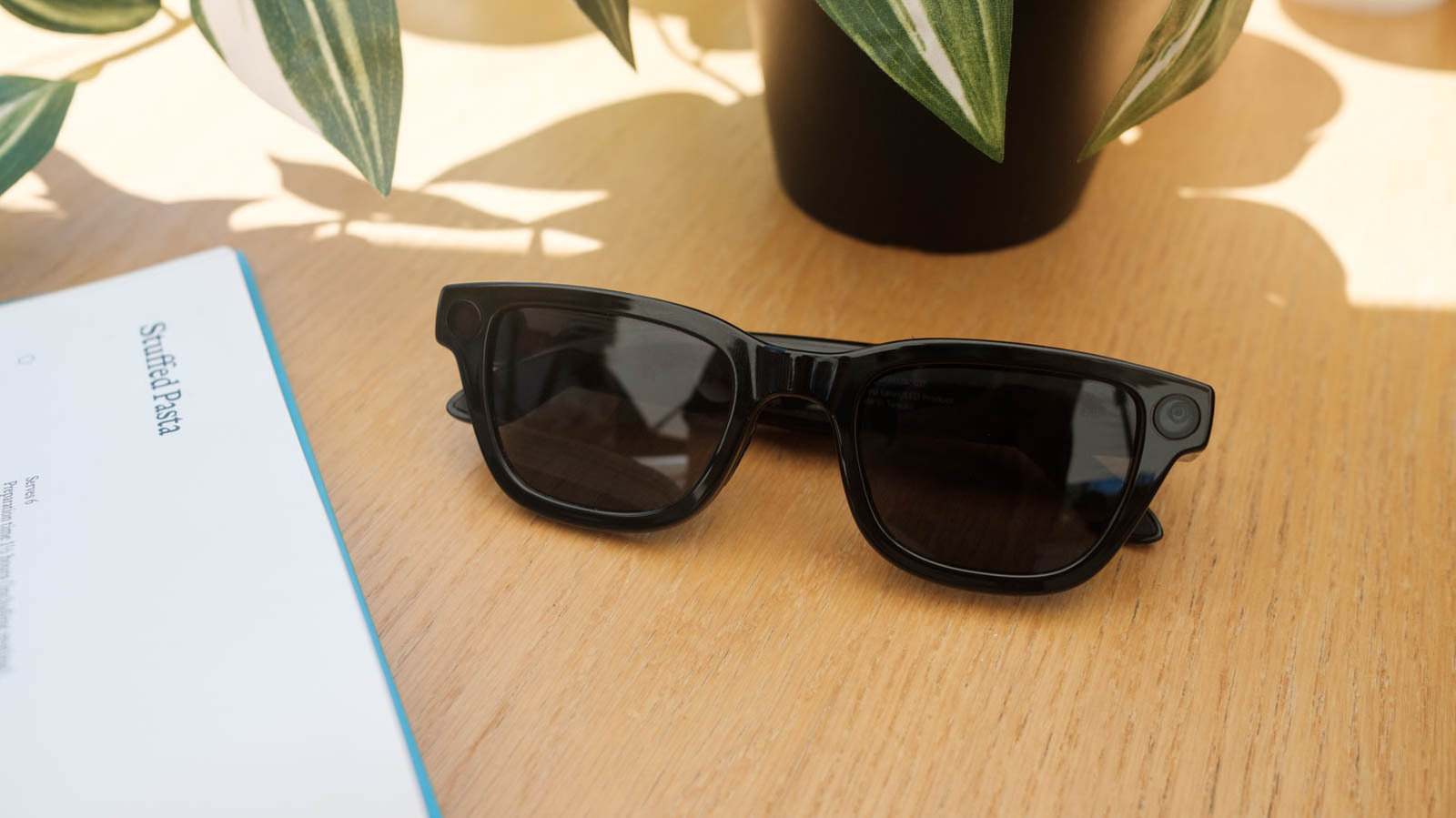
During the latest developer conference, attendees were given a glimpse of reference hardware that suggests a significant leap in industrial design. Unlike the bulky prototypes of the past, these devices are approaching the aesthetic threshold of traditional eyewear. While the consumer-facing models from Warby Parker and Gentle Monster will lack a visual display, they will rely on sophisticated multimodal AI to provide the "smart" experience. This shift toward audio-centric interaction—coupled with the sheer breadth of the Google ecosystem—forms the bedrock of the company’s competitive strategy.
A Chronological Perspective: From Glass to Glasses
To understand the significance of this year’s announcements, one must look at the timeline of Google’s wearable trajectory:
- 2013: The launch of Google Glass Explorer Edition. While it introduced the world to head-mounted computing, privacy concerns and a $1,500 price tag relegated it to a niche enterprise tool.
- 2023: Google I/O provides a first look at the early Android XR prototypes. The demonstration was impressive but lacked a clear roadmap for consumer adoption, leaving many to wonder if Google had lost its focus.
- Early 2024: Rumors of partnerships with major fashion eyewear brands begin to circulate, signaling that Google is prioritizing form factor over pure technological spectacle.
- Google I/O 2024: The company confirms that the Android XR project has matured. Partnerships with Warby Parker and Gentle Monster are formalized, and the focus shifts toward a late-2024 launch window for consumer hardware.
This progression reflects a pivotal shift in philosophy: Google has moved away from "tech-first" design toward "lifestyle-first" integration, acknowledging that for smart glasses to succeed, they must first look like something people actually want to wear in public.
Supporting Data: Why Google Has the Edge
Despite Meta’s significant lead in the market, Google’s internal testing reveals several technical advantages that could disrupt the status quo.
Multimodal AI and Language Processing
In recent hands-on demonstrations, the superiority of Google’s integration with its own Gemini AI became apparent. Unlike current iterations of smart glasses that often struggle with multi-language environments, Google’s reference hardware showcased a seamless, fluid translation experience.
In a test environment, the glasses successfully translated a conversation between a Spanish speaker and a Serbian speaker in real-time, effectively ignoring background noise in English. By contrast, current market leaders typically require users to download language packs ahead of time and handle only one language at a time. This ability to perform "on-the-fly" translation underscores the power of Google’s cloud-based AI infrastructure.
The Ecosystem Advantage
The most significant hurdle for any new wearable is the "app gap." Meta has struggled to move beyond its own platforms—Instagram, WhatsApp, and Facebook. Google, however, holds the keys to the most vital tools in the modern digital worker’s arsenal:
- Google Maps: Real-time, location-aware navigation integrated directly into the user’s view (or via audio cues).
- Google Keep: The ability to add items to a shopping list while looking at a recipe, demonstrating the practical application of multimodal input.
- Gmail and Calendar: Seamless access to scheduling and communication that doesn’t require pulling out a phone.
Official Responses and Strategic Vision
Google executives have remained tight-lipped regarding specific retail pricing and hardware specifications for the consumer launch. However, the tone at Google I/O was one of calculated confidence.
"We are building a platform that works with you, not against you," said one lead developer during a briefing. The focus is on "contextual awareness"—the idea that the glasses should provide the right information at the right time, rather than flooding the user with notifications. By collaborating with established fashion powerhouses like Warby Parker, Google is effectively outsourcing the "fashion" problem to experts, allowing its engineers to focus entirely on the software experience.
Implications: The Future of Wearable Computing
The entry of Android XR into the consumer market carries profound implications for the tech industry at large.
1. The Death of the "Gimmick"
For years, the smart glasses market has been plagued by the "Glasshole" stigma—the idea that smart eyewear is intrusive and pretentious. By focusing on audio-first devices that look like standard frames, Google is attempting to normalize the technology. If these glasses are indistinguishable from prescription eyewear, the social barrier to adoption effectively disappears.
2. A Shift in Search Behavior
If the promise of Gemini-integrated glasses holds true, we may see a fundamental change in how we interact with information. Instead of "Googling" a query on a screen, users will simply look at an object—a restaurant, a landmark, or a product—and ask the glasses for context. This "ambient computing" model is the ultimate goal of Google’s AI strategy.

3. Increased Competition
Meta will not sit idly by. We can expect a rapid iteration cycle in response to Android XR. This rivalry is ultimately a win for the consumer, as it will likely drive down prices, improve privacy standards, and push the limits of battery life and processing speed.
Conclusion: A High-Stakes Bet
Google has a lot to prove. Its past failures in hardware are well-documented, and the company is entering a space where Meta has already successfully cultivated a loyal user base. However, the integration of Google’s expansive app ecosystem with Gemini’s evolving AI capabilities gives Android XR a "killer app" that its competitors currently lack.
Whether or not these glasses become a mass-market hit depends on the final execution. The hardware must be comfortable, the battery life must be sufficient for a full day, and the software must remain helpful without being intrusive. While we still await the final reveal of pricing and specs, the momentum is undeniably shifting. Google is no longer just experimenting; it is preparing to put its vision of the future on the faces of consumers everywhere. If they get the balance between utility and aesthetics right, Android XR might just be the product that finally makes the "smart glasses" dream a reality.


 Raul Delapena Setiawan
 Neng Nana




