

Main Facts: A Mediterranean Cinematic Powerhouse
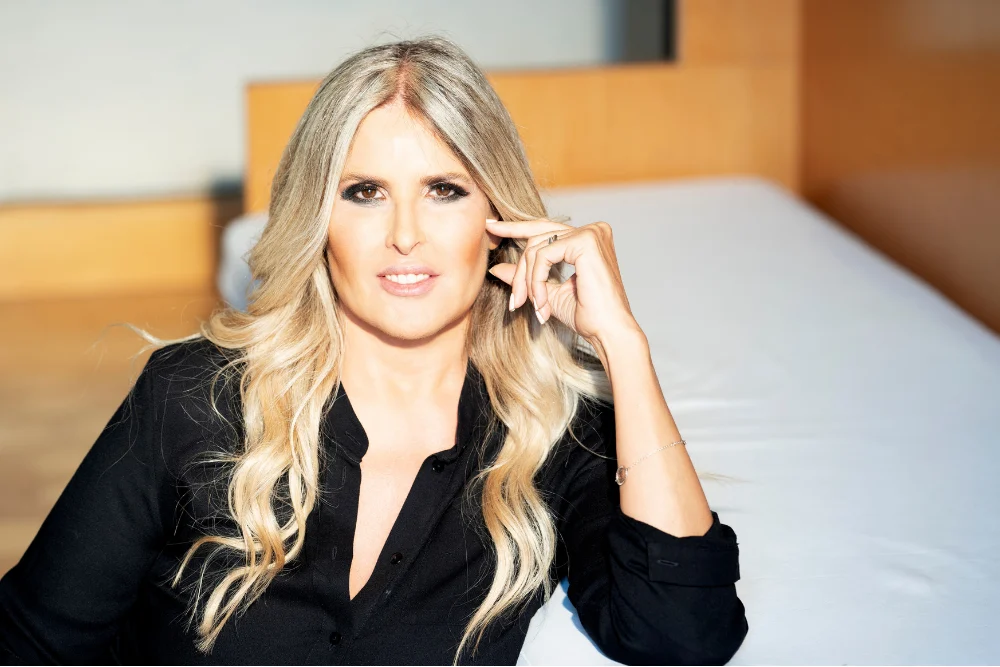
The Taormina Film Festival is currently undergoing a dramatic renaissance, anchored by the vision of artistic director Tiziana Rocca. Situated in the breathtaking Sicilian town of Taormina, the festival utilizes one of the world’s most evocative venues: an ancient Greek theater carved directly into the hillside, overlooking the shimmering expanse of the Ionian Sea.
Last year, Rocca reclaimed her post as artistic director, marking a triumphant return eight years after political turbulence cut short her previous, highly successful five-year tenure. Since her return, she has wasted no time in revitalizing the festival’s competitive prestige and cementing its status as a vital bridge between European cinema and the global power centers of Hollywood. This year’s edition is set to be a star-studded affair, with heavyweights including Helen Mirren, Russell Crowe, Clive Owen, Jane Campion, and Scott Eastwood slated to grace the red carpet.
Chronology: From Exile to Institutional Revival
To understand the current vibrancy of the Taormina Film Festival, one must look at the arc of Tiziana Rocca’s career. Her initial five-year stint was defined by growth and international recognition, only to be interrupted by the volatile nature of local political infighting—a common hurdle in the Italian arts sector.
- The Early Success: During her first term, Rocca established Taormina as a major destination for international talent, successfully nurturing deep ties with industry leaders in Los Angeles and London.
- The Interregnum: Following her forced departure eight years ago, the festival struggled to maintain the same level of global industry relevance and star power.
- The Return (Last Year): Upon being reinstated, Rocca immediately set out to restore the festival’s competitive strands. Her inaugural year back was punctuated by the presence of cinematic royalty, most notably Martin Scorsese, who not only attended but provided an extended masterclass for students.
- The Current Edition: This year represents the solidification of her "human-centric" model, blending the spectacle of high-end series premieres like HBO’s House of the Dragon with a commitment to grassroots accessibility.
Supporting Data: The Anatomy of a Successful Festival
The festival’s strength lies in its unique fusion of scale and intimacy. The primary venue, the ancient Greek amphitheater, boasts a capacity of 6,000, presenting a logistical challenge: how to fill such an immense space while maintaining a curated, artistic focus.
Rocca’s strategy is rooted in "popular" programming that bridges the gap between high-art cinema and mass-market appeal. The 2024 lineup reflects this balance:
- The Opening Gala: The world premiere of the latest season of House of the Dragon serves as the headline, drawing a massive audience and international media attention.
- Competitive Strands: The festival continues to highlight international voices. Notable selections include Gore Verbinski’s Good Luck, Have Fun, Don’t Die, Ashley Walters’ Animol, Mahnaz Mohammadi’s Roya, and Rafiki Fariala’s Congo Boy.
- Economic Impact: The festival functions as a critical economic engine for Sicily. According to local reports, the influx of international stars, industry professionals, and cinephiles results in a total saturation of local hospitality services. During the festival, Taormina’s hotel occupancy reaches 100%, and local restaurants and retailers report record-breaking revenue, highlighting the festival’s role as a cornerstone of the regional economy.
Official Responses: Tiziana Rocca on the "Human Factor"
In an exclusive conversation with Variety, Tiziana Rocca articulated a philosophy that stands in stark contrast to the digital-first evolution of the film industry.
On Accessibility and Inclusivity
"I respect the public, the city, and I know sometimes there is a lot of sacrifice involved in people coming to the festival," Rocca explained. "I want everybody to feel they have a chance to participate." This translates into a policy of keeping ticket prices low, ensuring that the local Sicilian population—not just wealthy elites or industry insiders—can experience the magic of the theater.

On Mentorship and the Next Generation
Rocca views the festival as a pedagogical tool. Reflecting on the impact of Martin Scorsese’s visit, she noted, "He was supposed to give a 30-minute masterclass but spoke for an hour and a half with our students. He told them: ‘Don’t lose hope, follow your dreams.’" Rocca acknowledges that young filmmakers face a "crisis of hope" in an industry that feels increasingly unstable. By facilitating direct access to legends, she provides a psychological lifeline to the next generation of storytellers.
The War on Artificial Intelligence
Perhaps the most striking aspect of Rocca’s vision is her firm stance against the encroachment of technology in the creative process. "I don’t like artificial intelligence," she stated. "It cannot substitute anyone. All it can do is copy; it can’t create. For this reason, it’s very important to have a human factor to the festival." She actively discourages the use of mobile devices during the event, urging attendees to disconnect from the digital world and reconnect with the shared emotional experience of the theater.
Implications: A Model for the Future of Festivals
The Taormina Film Festival, under Rocca’s guidance, is positioning itself as a vital antidote to the "content-saturated" digital landscape. By prioritizing physical presence, human connection, and the democratization of cinema, the festival serves as a case study for how legacy institutions can remain relevant in the 21st century.
Industry Connectivity
Beyond the red carpets, the festival acts as a high-level networking hub. Rocca emphasizes that the "meeting place" aspect of Taormina is where the real business happens. By facilitating intimate interactions between established stars and emerging talent, the festival acts as an incubator for future projects, proving that the most advanced industry collaboration still happens face-to-face, often over a dinner in a Sicilian piazza.
The "Spectacular" Venue Strategy
The decision to include series like House of the Dragon alongside traditional indie films has been met with critical acclaim. Critics argue that by treating television and streaming spectacles with the same reverence as cinema, Rocca is acknowledging the reality of modern viewership habits. Screening a blockbuster series in a 2,000-year-old theater highlights the "spectacle" of the medium, effectively bridging the gap between ancient history and modern pop culture.
A Sustainable Future
Ultimately, the implications for the region are clear: the Taormina Film Festival is no longer just a cultural event; it is a vital pillar of the Sicilian economy. As Rocca continues to build her program, her focus remains on "human-centric" growth. By resisting the lure of AI, maintaining low entry barriers, and fostering genuine intergenerational mentorship, she is ensuring that Taormina remains a sanctuary for those who believe that cinema is not merely a product to be consumed, but an experience to be lived.
As the festival prepares to open its doors to the next wave of international talent and local fans, the message from Rocca is clear: the future of film belongs to the people who are in the room, watching together, phones in their pockets, and hearts open to the screen.











No comments yet. Be the first to join the conversation!