Basiran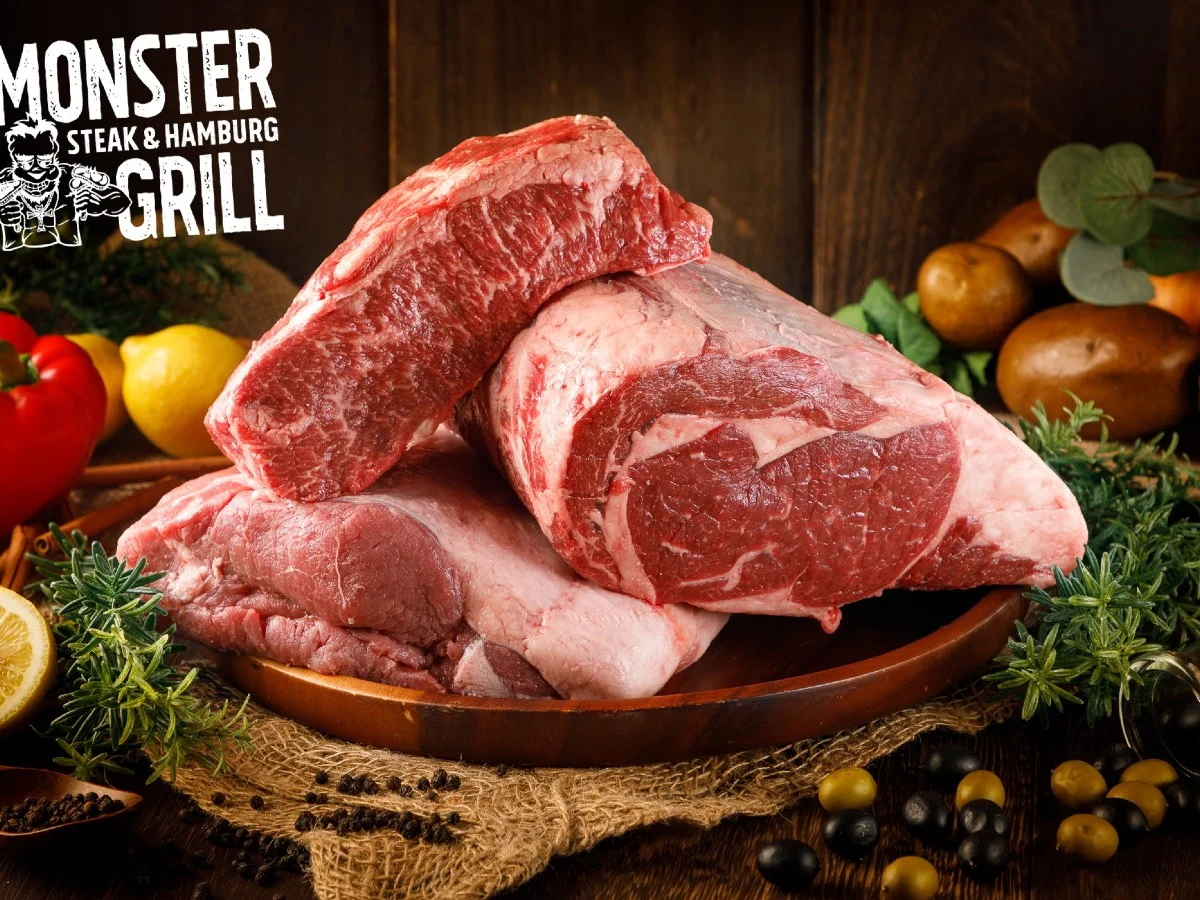
For the uninitiated, the Japanese culinary landscape is often associated with the delicate precision of kaiseki or the refined simplicity of high-grade nigiri. However, beneath the surface of this understated gastronomy lies a vibrant, high-octane subculture of competitive eating. Across Tokyo, restaurants have long engaged in a "war of portions," challenging patrons to conquer mountainous bowls of ramen or spicy curry. Yet, few establishments have leaned into the primal appeal of red meat quite like Monster Grill.
With its latest rollout of "Gluttony" challenges, Monster Grill is positioning itself as the undisputed heavyweight champion of Tokyo’s steak scene. By offering a trio of gargantuan, meat-centric feats, the restaurant is not merely serving dinner; it is hosting a test of endurance for the most ambitious foodies in the country.
Main Facts: The Anatomy of the Challenge
Monster Grill, a fixture in the local casual dining scene known for its unapologetic approach to portion sizes, has officially unveiled its new "Monster Challenge" menu. This initiative features three distinct, beef-heavy gauntlets designed to test the limits of even the most dedicated meat lover.
The lineup includes:
- The 1.3kg Monster Steak: A signature offering that pushes the boundaries of standard portion sizes, requiring a substantial appetite and a formidable metabolism.
- The 1.3kg Rib Roast Steak: A tender, marbled selection that elevates the stakes—literally—for those who prefer their protein with a bit more fat content.
- The 1kg Tomahawk Steak: Perhaps the most visually arresting of the trio, this bone-in behemoth serves as a centerpiece for those looking to conquer a classic, caveman-style cut.
Unlike many competitive eating challenges that operate under the pressure of a ticking clock, Monster Grill has opted for a "no time limit" policy. This strategic decision shifts the focus from speed-eating—which can be dangerous and often masks the quality of the food—to a test of pure capacity and stamina.
To ensure the experience remains palatable, the restaurant provides a choice of two out of five distinct sauces: the signature "OZ" sauce, a traditional Japanese-style soy reduction, a pungent garlic blend, a rich demi-glace, and a refreshing green onion salt. These pairings are intended to combat "palate fatigue," a common phenomenon where the taste buds become desensitized after consuming large quantities of a single flavor profile.
Chronology: The Rise of the Monster Grill Phenomenon
The trajectory of Monster Grill reflects the broader evolution of the Tokyo dining market. Over the past decade, the "dekamori" (giant serving) trend has moved from niche hobbyist circles to the mainstream.
The Early Days
Monster Grill began as a modest destination for office workers in Tokyo’s business districts. By focusing on high-quality Hamburg steaks and standard cuts of beef, they established a reputation for consistency. It was the positive feedback from customers requesting "bigger portions" that planted the seeds for their current challenge model.
The Expansion
As word spread through social media and local food blogs, the demand for high-volume dining grew. The restaurant responded by expanding its footprint, opening strategic locations in major transit hubs like Gotanda, Ebisu, and Ueno. Each location was designed to accommodate the infrastructure necessary to handle massive bulk-ordering of premium beef, ensuring that the quality of the 1.3kg steaks remained as high as their standard 200g counterparts.
The Launch of the "Gluttony" Program
In recent months, the restaurant formalized these unofficial eating feats into the "Gluttony" program. This shift was marked by a branding effort to position Monster Grill not just as a restaurant, but as a destination for "foodie milestones." By integrating these challenges into their official menu, they have created a standardized system that allows diners to track their performance across different branches.
Supporting Data: The Economics and Logistics of Big Beef
To understand the logistics behind the Monster Grill challenge, one must consider the sheer volume of logistics involved. A 1.3kg steak is not merely a large piece of meat; it is a significant nutritional investment.
Nutritional Considerations
From a physiological perspective, a 1.3kg serving of beef contains roughly 3,000 to 4,000 calories, depending on the cut and the fat-to-lean ratio. When combined with rice and the accompanying sauces, the total caloric intake per sitting can easily exceed the recommended daily allowance for an average adult. This is precisely why the restaurant encourages the challenges to be tackled by duos or small groups.
Supply Chain Management
Maintaining the quality of such large cuts requires a sophisticated supply chain. Monster Grill sources their beef through established vendors capable of providing consistent marbling and texture across such large volumes. The restaurant’s ability to offer these cuts at a price point that remains accessible—without sacrificing the integrity of the beef—is a testament to their operational efficiency.
Regional Distribution
The challenges are currently available at the following locations, ensuring that the "Monster" experience is accessible across the Kanto region:
- Gotanda Store: 1-25-2 Nishi-Gotanda, Shinagawa-ku, Tokyo
- Ebisu Branch: B1F Daikoku building, 1-8-14 Ebisu, Shibuya-ku, Tokyo
- Ueno Branch: Kiho building 1F, 6-2-13 Ueno, Taito-ku, Tokyo
- Fujimino Store: 3-1-3 Tsurugamai, Fujimino-shi, Saitama
- AEON MALL Hinode: 3-1-1, Hinode, Nishitama-gun, Tokyo
- Soka Store: 1-6-10 Chuo, Soka City, Saitama Prefecture
Official Responses: The Philosophy of "Welcoming"
In interviews with restaurant management, the focus has consistently been on the communal aspect of the experience. Contrary to the aggressive nature often associated with competitive eating, Monster Grill emphasizes that their challenges are "perfectly welcoming" for solo eaters, yet ideally designed for sharing.
"The goal," a spokesperson for the restaurant noted, "is to create an environment where the act of eating becomes an event."
The management has been vocal about their desire to avoid the "man vs. food" toxicity that can sometimes define competitive eating. By removing the time limit, they eliminate the need for contestants to bolt their food, which allows the diner to actually appreciate the flavor profile of the beef. The inclusion of diverse sauces is another key component of this philosophy; it is an admission that, while the challenge is the primary draw, the quality of the culinary experience remains the priority.
Implications: The Future of "Dekamori" Dining
The success of the Monster Grill challenges has broader implications for the Japanese restaurant industry. As the nation navigates a post-pandemic landscape, the "experience economy" is playing an increasingly vital role in foot traffic. Restaurants are no longer just competing on taste; they are competing on the "Instagrammability" and the "story" behind the meal.
The Social Media Factor
In an era dominated by TikTok and Instagram, the visual impact of a 1kg Tomahawk steak is an invaluable marketing tool. Monster Grill has effectively leveraged the user-generated content of satisfied (or defeated) customers to build a brand that resonates with a younger, digital-native demographic.
The Community Aspect
By encouraging groups to share these meals, Monster Grill is reclaiming the communal dining experience. While the challenge is the headline, the reality is that many customers visit the restaurant to enjoy a massive, shared meal with friends. This creates a recurring revenue model that transcends the one-off "stunt" eating crowd.
Health and Sustainability
However, the rise of such massive portion challenges does invite conversation regarding food waste and health. Critics of the "dekamori" trend often point to the environmental impact of such high-intensity meat consumption. Monster Grill addresses this by offering the challenges to groups, effectively managing portions through shared consumption. It is a nuanced approach that allows the restaurant to cater to the appetites of the "monster" generation while maintaining a level of social responsibility.
Final Thoughts
Whether you are a professional eater looking to test your capacity or a casual diner seeking a memorable, meat-heavy evening, Monster Grill has curated an experience that is difficult to ignore. By combining premium cuts with a relaxed, communal atmosphere, they have set a new standard for the "steakhouse challenge" in Tokyo.
The "Gluttony" program is more than just a menu category—it is an invitation to push boundaries, share a meal, and engage with the boldest side of Japanese dining. For those interested in testing their mettle, the grills are hot, the sauces are prepared, and the beef is waiting. For more information on bookings or to view the full menu, visit their official website.


 Neng Nana
 Asro
Asro