Reynand Wu
This week, Japan finds itself at the center of a complex global and domestic narrative. From the euphoric highs of the 2026 FIFA World Cup to the somber realities of judicial proceedings and the physical instability of the Earth beneath its feet, the nation has experienced a tumultuous seven days. As the government pivots toward stricter immigration administrative policies, the public continues to grapple with cultural shifts, safety concerns, and the evolving identity of its most prominent institutions.
1. The Samurai Blue: A World Cup Campaign Defined by Resilience
The 2026 FIFA World Cup has provided the heartbeat for the nation this week, as the Japan men’s national team continues its ambitious campaign on the global stage.
The Path to the Knockouts
After a commanding 4-0 victory over Tunisia at Estadio Monterrey in Mexico—highlighted by a clinical brace from Ayase Ueda and additional goals from Daichi Kamada and Junya Ito—the Samurai Blue entered their final Group F match against Sweden with momentum. The game, which ended in a hard-fought 1-1 draw, showcased both the technical growth and the defensive limitations of Hajime Moriyasu’s squad. Daizen Maeda’s 56th-minute strike was a masterclass in team coordination, but the subsequent equalizer from Sweden’s Anthony Elanga served as a sobering reminder of the defensive rigor required at this level.
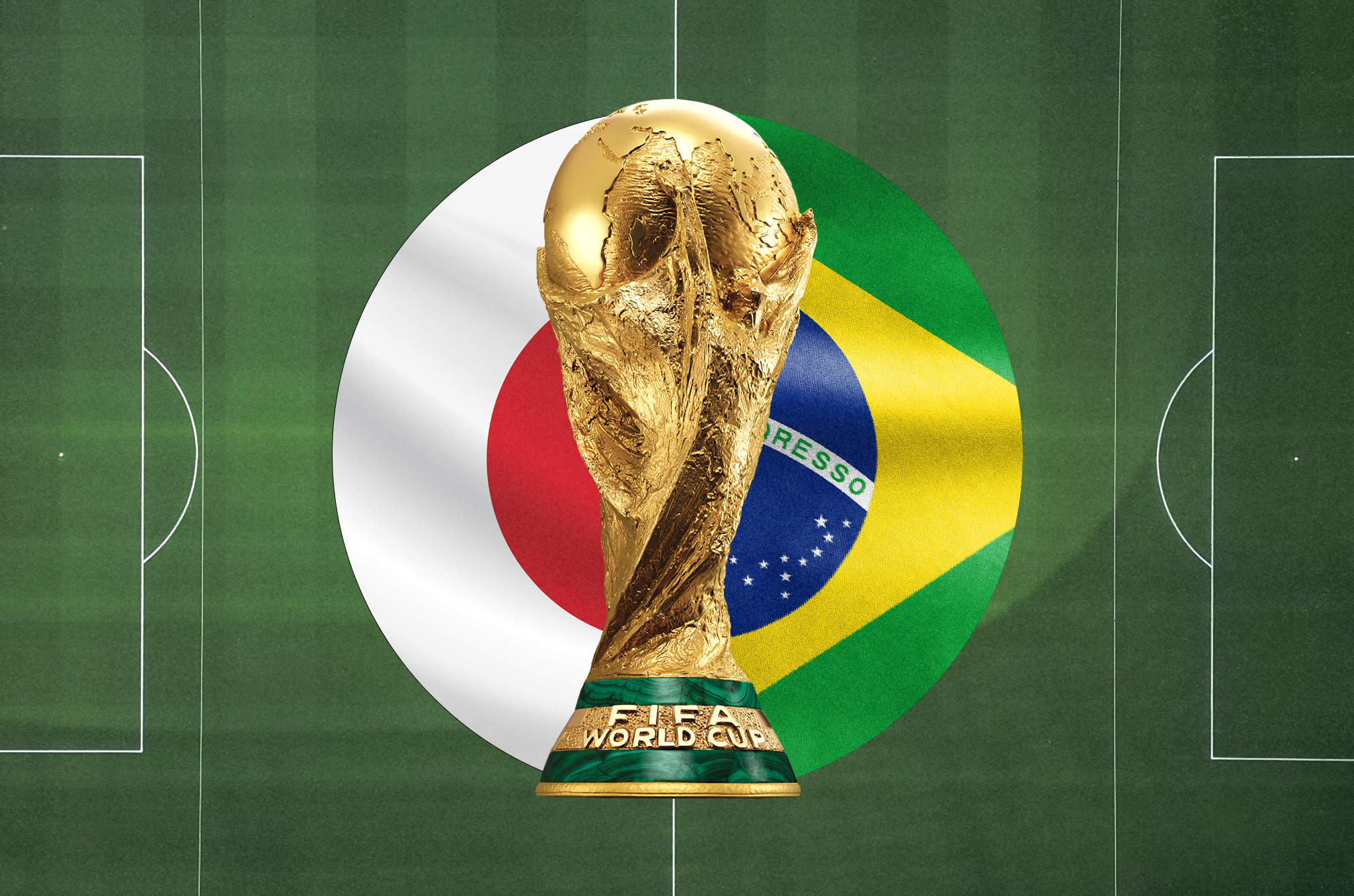
With this result, Japan has secured a high-stakes second-round clash against five-time world champions Brazil. The upcoming fixture is already being billed as the most significant test of the Moriyasu era.
The "Clean-Up" Culture Debate
Beyond the pitch, the Japanese traveling support has once again sparked global conversation. In Monterrey, fans were observed staying behind long after the final whistle to collect refuse from the stadium, utilizing the now-iconic blue bags. While this ritual, known as gomi hiroi, is widely praised as a display of discipline and respect, it has simultaneously ignited a domestic debate. Critics are beginning to question whether such public displays of humility are becoming performative rather than authentic, prompting a national conversation about the intersection of tradition and the global spotlight.
2. Chronology of a Tumultuous Week
The past seven days have seen a rapid succession of events that have tested both the infrastructure and the moral fiber of the nation.
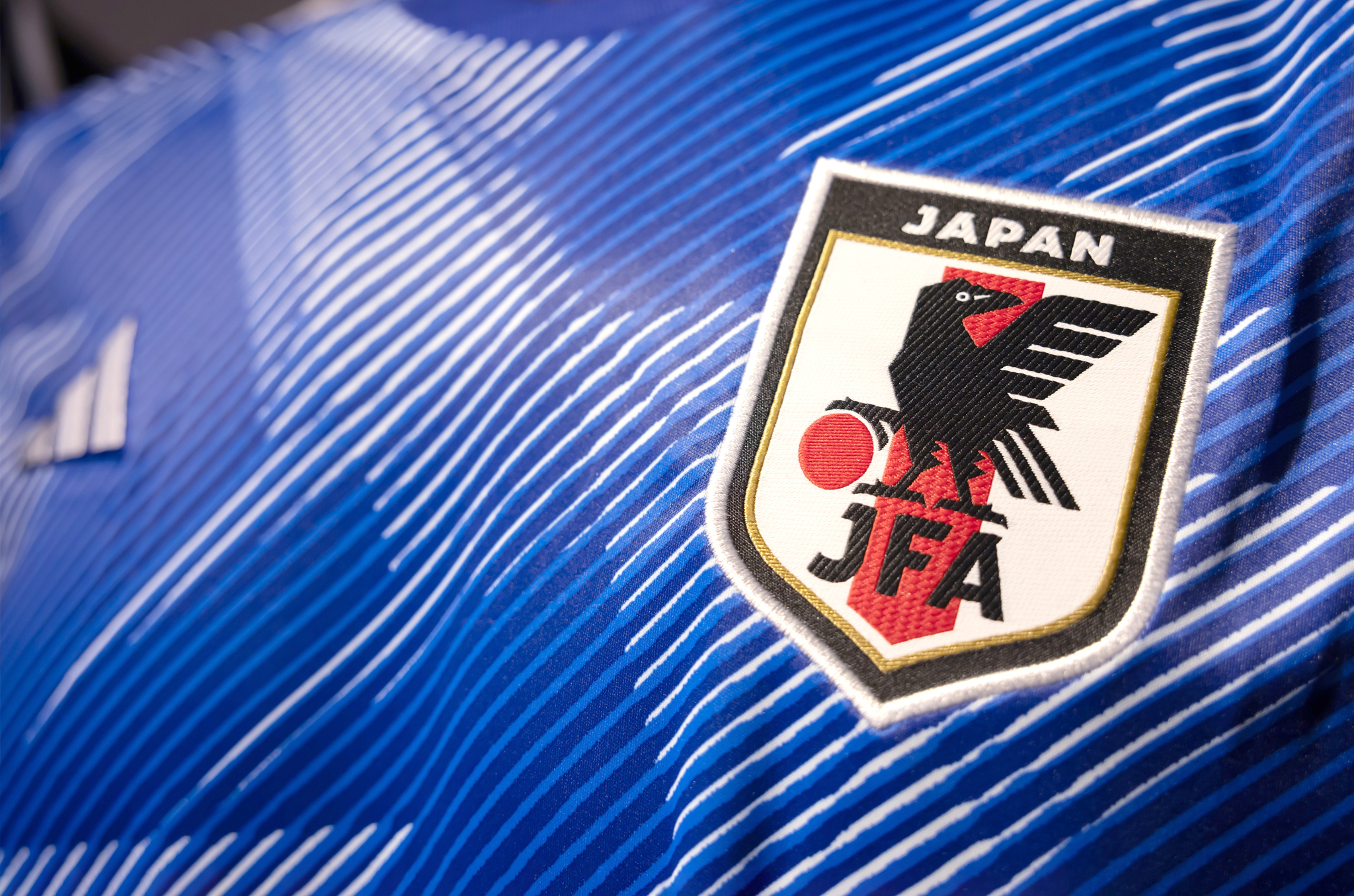
- June 21: Japan defeats Tunisia 4-0 in Mexico; celebrations erupt across Tokyo’s Shibuya Scramble Crossing.
- June 22: Asahikawa District Court delivers a 27-year sentence to Riko Uchida for the murder of Runa Murayama; courtroom chaos ensues.
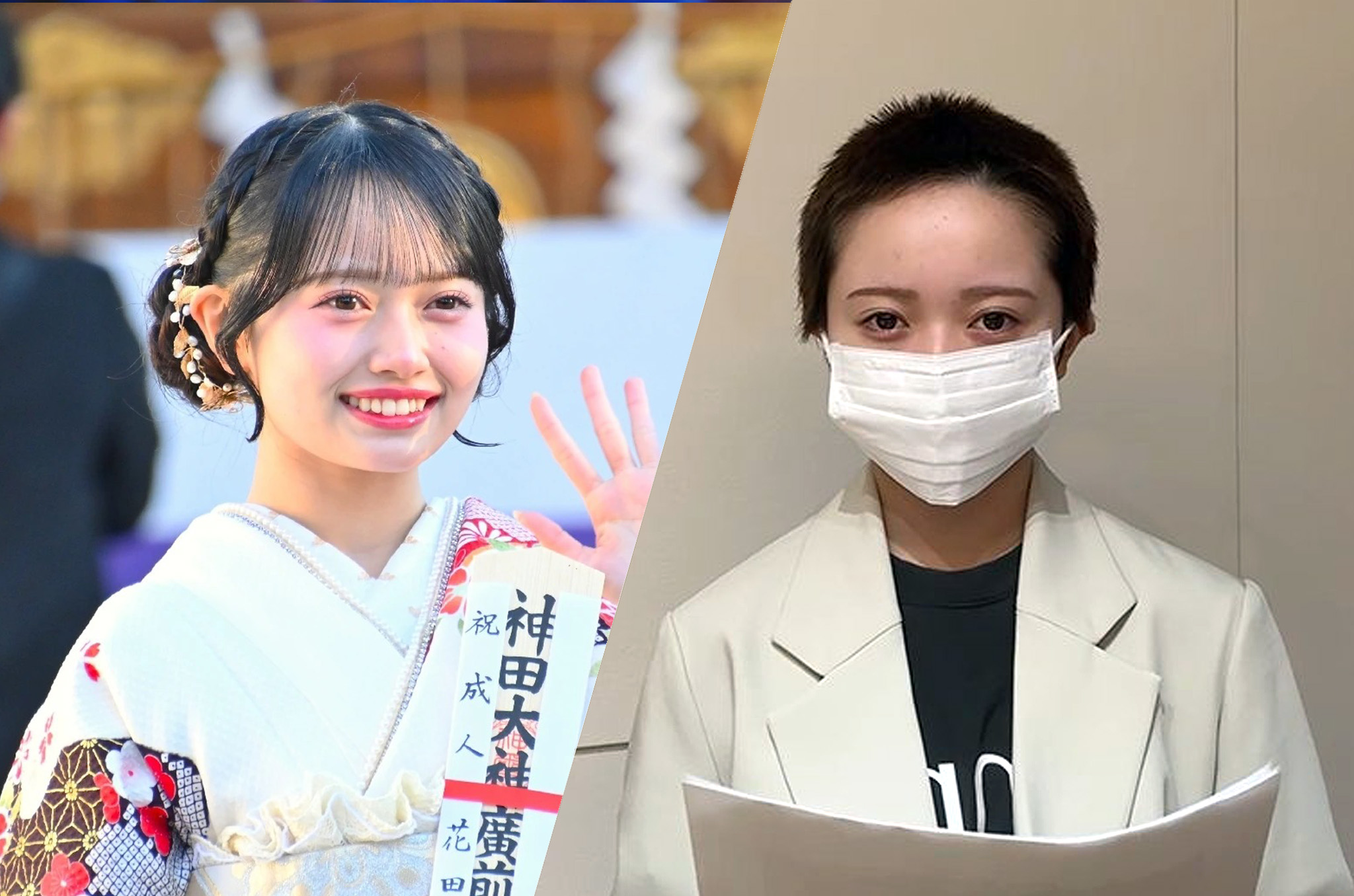
- June 23: Former AKB48 idol Mei Hanada releases a video alleging forced head-shaving by management.
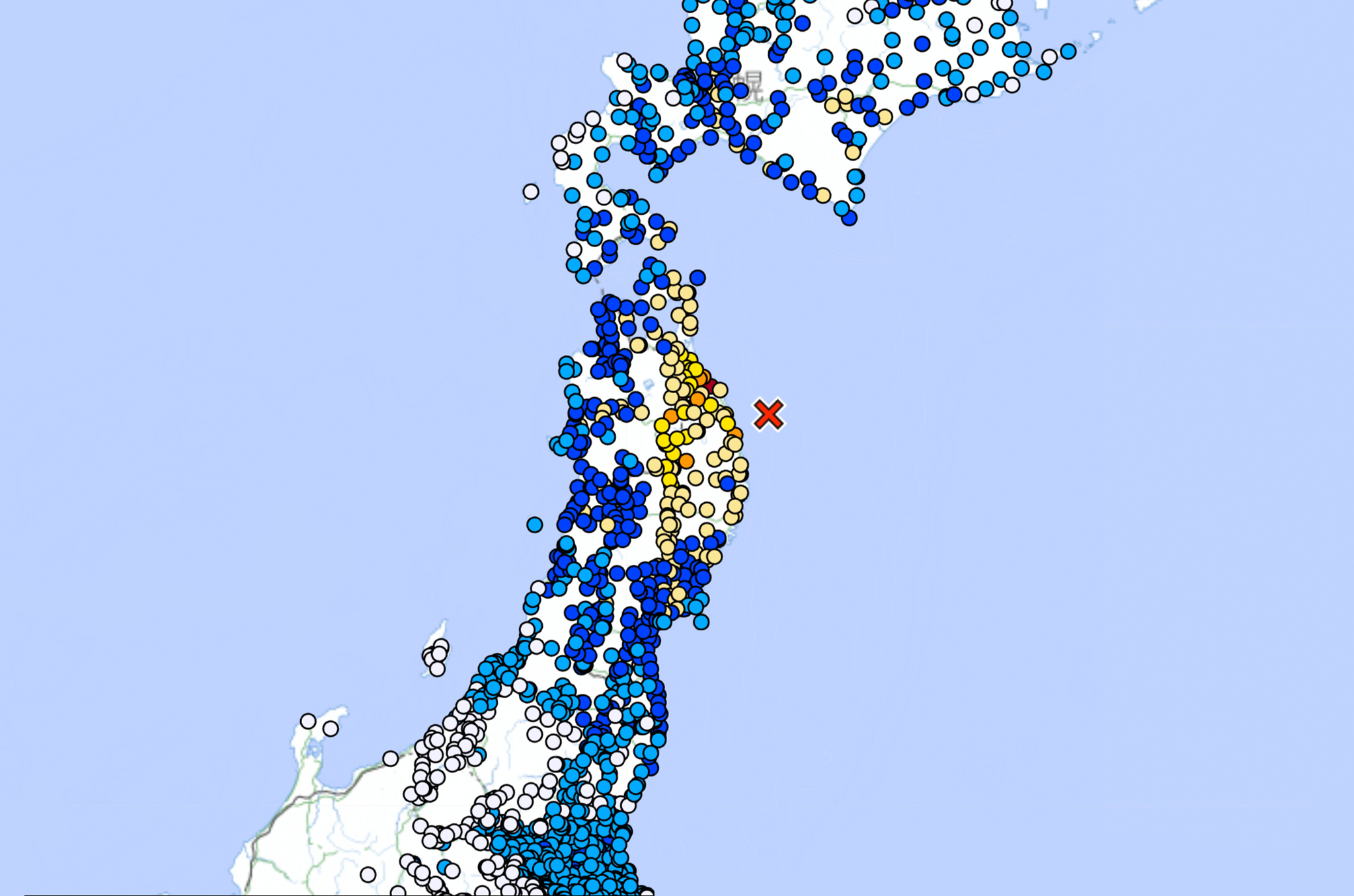
- June 25: A magnitude 7.2 earthquake hits northern Japan at 7:30 a.m., causing localized damage and minor injuries in Aomori and Iwate.
- June 26: The Japanese Cabinet formally confirms a fivefold increase in visa fees, effective July 1.
3. Justice and Tragedy: The Asahikawa Murder Case
The legal system was brought into sharp focus this week following the sentencing of Riko Uchida, 23, for the 2024 killing of 17-year-old student Runa Murayama. The verdict—27 years in prison—was met with violent outbursts in the courtroom, highlighting the raw societal anger surrounding the case.
The Facts of the Incident
The tragedy, which occurred at the Kamui Suspension Bridge, involved a dispute over an unauthorized social media photo. The prosecution successfully argued that Uchida and her accomplice, Yuka Konishi, coerced the teenager into an apology video before the victim fell to her death. The chilling testimony that Uchida repeatedly shouted commands for the victim to "die" and "fall" has left the public in shock.
The courtroom incident, in which a member of the public attempted to charge the witness stand, underscores the emotional weight of this trial. The sentencing of Konishi to 23 years, alongside Uchida’s 27-year term, brings a legal conclusion to the case, but the cultural scars remain deep, particularly concerning the influence of social media on youth conflict.
4. Entertainment in Crisis: The AKB48 "Love Ban" Controversy
The entertainment industry faced its own reckoning this week as former AKB48 member Mei Hanada publicly challenged the group’s management.
Allegations of Coercion
Hanada’s nine-minute video, in which she appeared with a shaved head, has reignited the long-standing, controversial debate regarding the "love ban"—an unwritten, strictly enforced rule against romantic relationships for idols. Hanada alleges that management explicitly demanded she shave her head as a form of "sincerity" following a breach of contract regarding private contact with a fan.
Corporate Response
DH Co., Ltd., the operator of AKB48, has issued a categorical denial, stating, "We would absolutely never issue such an instruction." This collision of narratives—the victimized artist versus the corporate entity—highlights the ongoing tension between the hyper-regulated world of Japanese idol culture and the modern demands for individual rights and mental health awareness.
5. Seismic Stability and Infrastructure
At 7:30 a.m. on Thursday, the fragility of the Japanese archipelago was reinforced when a 7.2-magnitude earthquake struck off the coast of Iwate.
Technical Data
- Epicenter: Off the coast of Iwate, 44km deep.
- Seismic Intensity: Upper 6 in Hashikami, Aomori.
- Impact: Four individuals hospitalized with minor injuries; no tsunami warnings issued.
- Infrastructure: No abnormalities were reported at the Higashidori or Onagawa nuclear power plants.
The JMA’s classification of an "upper 6" intensity—defined by the inability of humans to stand upright—serves as a reminder of the efficacy of Japan’s building codes. While property damage was reported, the absence of widespread catastrophe is a testament to the nation’s rigorous earthquake-resistant engineering standards.
6. Official Policy Shifts: The Visa Fee Overhaul
In a move that has significant implications for international relations and tourism, the Japanese government announced a fivefold increase in visa fees, effective July 1.
Official Rationalization
Foreign Minister Toshimitsu Motegi addressed the press, stating that the revision is long overdue. "The current visa fee was set in 1978, and we have revised it to reflect inflation and exchange-rate fluctuations," Motegi explained.
Implications
- Single-entry visas: Increasing from ¥3,000 to ¥15,000.
- Multiple-entry visas: Increasing from ¥6,000 to ¥30,000.
- Exemptions: Citizens from over 70 countries, including the US, UK, and Australia, remain exempt, meaning the impact on general tourism is expected to be minimal.
However, for travelers from regions where visas are required, the cost barrier has been significantly raised. The government maintains that this shift is an administrative necessity rather than a tool to limit immigration, though analysts are watching closely to see if this affects long-term visa applications for students and skilled workers from developing nations.
Conclusion: Looking Ahead
As June draws to a close, Japan stands at a crossroads. The country is balancing its role as a premier global host for events like the World Cup against the stark realities of domestic crime, corporate accountability, and the ever-present threat of natural disasters.
The coming month will likely be defined by the aftermath of these events: the national team’s performance against Brazil will dominate the sporting headlines, while the fallout from the AKB48 management dispute and the implementation of the new visa regulations will test the government’s ability to manage public sentiment and administrative policy. Japan remains a nation of discipline and order, yet beneath that surface, the pressures of the modern world are creating new, complex challenges for the society to navigate.


 Neng Nana
 Asro
Asro