

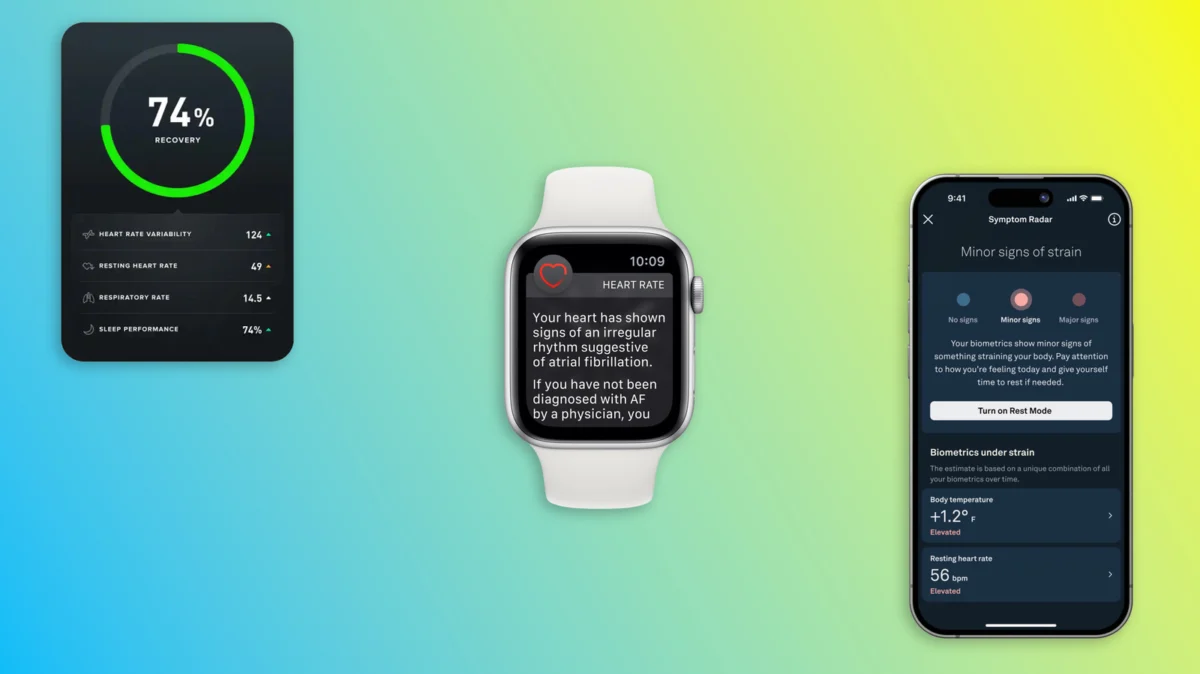
For years, the promise of the “wrist-worn Tricorder”—a device capable of instantly diagnosing complex medical ailments—has hovered on the horizon of consumer technology. From the early days of simple step-counting pedometers to the sophisticated, multi-sensor suites found in today’s top-tier smartwatches, the industry has aggressively pivoted toward healthcare. Yet, as marketing campaigns tout these devices as lifesavers, a critical question remains: Are these gadgets genuinely diagnostic tools, or are they merely high-tech peddlers of health anxiety?
While consumer wearables are undeniably moving beyond basic fitness tracking, their clinical utility remains a subject of intense debate among physicians, tech giants, and public health officials.
Main Facts: The Reality of Wrist-Worn Monitoring
Modern wearables are engineering marvels. They track skin temperature, respiratory rates, blood oxygen saturation (SpO2), heart rate variability (HRV), and even offer ECG-like capabilities. However, there is a fundamental disconnect between the collection of data and the interpretation of that data for clinical purposes.
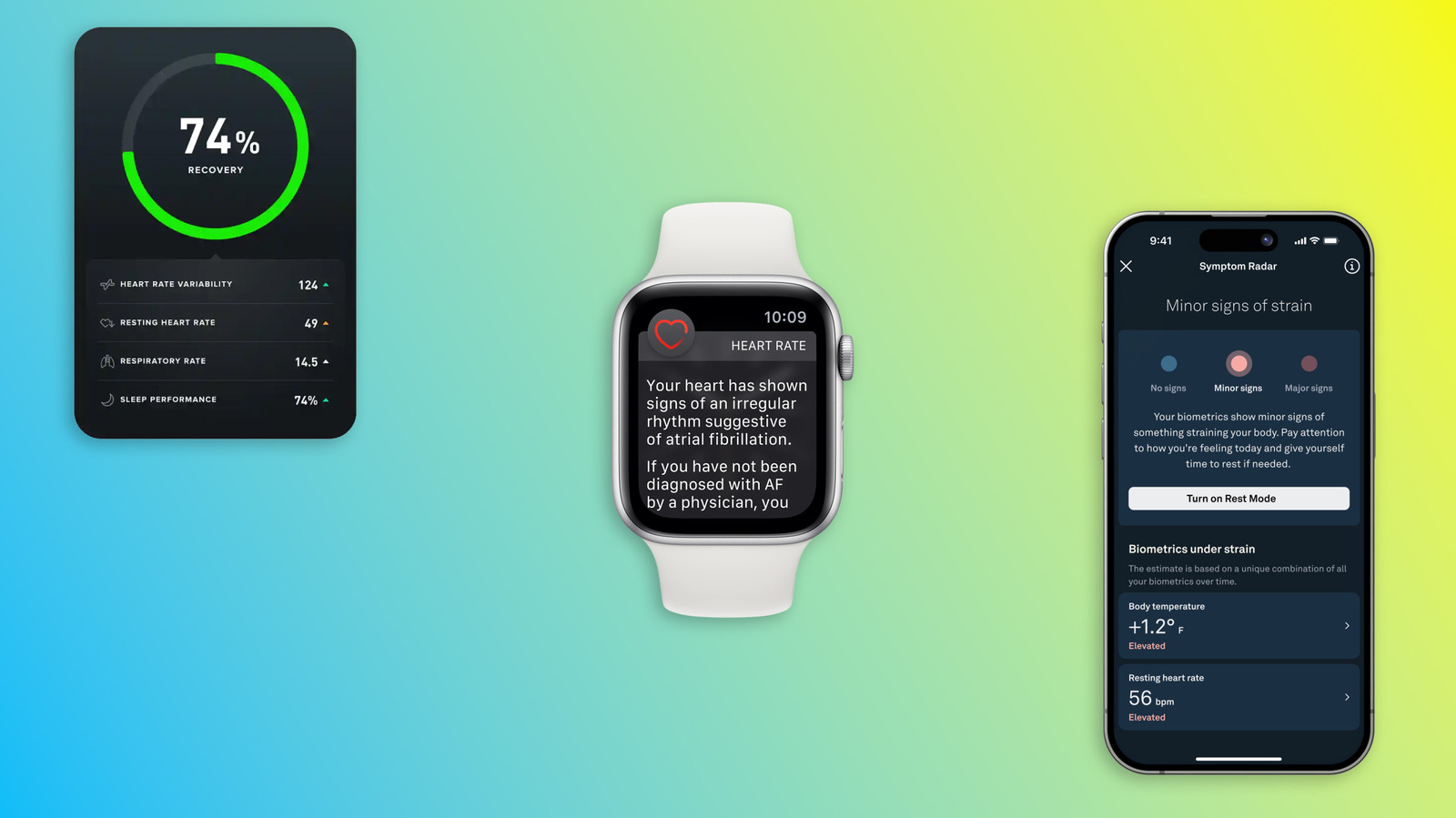
The primary function of a high-end wearable is not to diagnose disease, but to establish a “baseline” of your physiological norms. When the device detects a deviation—a sudden spike in resting heart rate or a sustained elevation in skin temperature—it flags an anomaly. The most successful implementations of this technology, such as the detection of atrial fibrillation (AFib), succeed because they monitor a singular, distinct physiological signature that is relatively easy to isolate.
In contrast, generalized wellness metrics—such as "Readiness Scores" or "Recovery Percentages"—rely on proprietary, “black-box” algorithms. These metrics are often helpful for personal training and lifestyle adjustments, but they lack the transparency and clinical validation required for a physician to base a medical diagnosis upon them.
Chronology: From Pedometers to Predictive AI
The evolution of wearable health tracking has occurred in three distinct phases:
- The Quantified Self Era (2010–2015): This period focused on activity tracking. The primary goal was behavioral modification: get users to move more, sleep longer, and count calories. Data was descriptive, not predictive.
- The Clinical Integration Era (2016–2022): With the introduction of FDA-cleared ECG sensors in devices like the Apple Watch, wearables began entering the medical conversation. Studies showed that these devices could reliably identify irregular heart rhythms, shifting the perception of wearables from "fitness toys" to "health monitors."
- The Predictive AI Era (2023–Present): We are currently witnessing the integration of generative AI and machine learning. Companies like Oura, Whoop, and Google (via Fitbit and Gemini) are moving beyond raw data to provide "coaching." These systems attempt to synthesize disparate data points—sleep, temperature, and HRV—to predict the onset of illnesses like the flu or COVID-19 before the user feels symptoms.
Supporting Data: What Works and What Doesn’t
To understand the utility of these devices, one must distinguish between high-confidence metrics and speculative data.
Clinically Validated Metrics
- Atrial Fibrillation (AFib): Research, including major studies on the Apple Watch, has shown that irregular pulse alerts are accurate for identifying AFib roughly 84% of the time. This is widely considered the gold standard of current wearable utility.
- Sleep Patterns: While devices struggle with the granular accuracy of sleep stages (like REM vs. Deep sleep), they are generally reliable for tracking total sleep duration and bedtime consistency.
Low-Confidence Metrics
- Blood Pressure: Despite recent advancements, wrist-based blood pressure estimates are often deemed too inconsistent for clinical decision-making.
- Calorie Expenditure: Algorithms calculating “active calories” remain notoriously imprecise, often overestimating the energy cost of light activities.
- VO2 Max: While useful as a general trend line for cardiovascular fitness, these are rough estimates that cannot replace the precision of a laboratory stress test.
Official Responses and the "Hype" Factor
The intersection of Big Tech and public health has drawn both praise and skepticism. On one side, proponents like former U.S. Health officials have argued that wearables are a "key" to democratizing healthcare, allowing patients to take proactive control of their well-being.
However, the medical community remains cautious. In a recent examination by The New York Times, physicians warned that the "data deluge" caused by wearables often leads to unnecessary medical anxiety. A false positive—such as a heart rate spike caused by a late-night meal or a stressful day—can lead to unnecessary visits to the emergency room or costly, redundant diagnostic testing.
Furthermore, the rise of AI-driven health coaching creates a new layer of risk. While AI can process vast amounts of data, it lacks the context of a patient’s full medical history. There is a tangible danger that users may prioritize an algorithm’s advice over a doctor’s professional judgment, or conversely, that patients will ignore legitimate symptoms because their "readiness score" looks normal.
Implications: The Future of Proactive Medicine
The future of wearable tech is likely not a device that tells you, "You have the flu." Instead, it is a future of "quiet monitoring."
Reducing Pandemic Transmission
Recent studies from Texas A&M and Stanford have demonstrated that by monitoring subtle shifts in respiratory patterns and skin temperature, wearables can detect signs of viral infection hours—or even days—before symptoms manifest. The implications for public health are profound; if individuals are alerted to potential contagiousness early, they can self-isolate, potentially reducing transmission rates by up to 50% in a population.
The Role of AI as an Advisor
AI will undoubtedly become the "interface" for this health data. Rather than staring at a chart of heart rate variability, a user will likely interact with a conversational agent (like Google’s Gemini for Fitbit) that synthesizes the data. The goal is to move from reactive medicine (going to the doctor when you are sick) to proactive health management (identifying trends that suggest you might get sick).
The "Tricorder" Paradox
The most critical takeaway for consumers is that the device on your wrist is a sensor, not a doctor. The danger lies in the "black box" nature of these systems. As companies wrap their proprietary algorithms in the cloak of "AI," the medical community is left with less transparency.
For the average user, the best approach is one of "informed skepticism." Use these devices to track trends, not isolated incidents. Use the data as a conversation starter for your next physical, not as a replacement for it.
Ultimately, the most powerful tool in the modern health stack is not the silicon and sensors on your wrist, but the relationship between the patient and the physician. The technology is capable of providing the what—a change in your physiology—but only a medical professional can determine the why and the how to treat it. As we move forward, the goal must be to ensure that our devices serve as a bridge to medical care, rather than a wall that isolates us from it.











