

By Leandro Beroldo | May 19, 2026
Comedy is arguably the most ephemeral of all cinematic genres. Unlike the timeless visual grammar of a thriller or the universal stakes of a drama, comedy is anchored to the "now"—the specific social anxieties, linguistic norms, and cultural taboos of its era. As we examine the cinematic landscape of the last fifty years, it becomes increasingly clear that the boundaries of what is considered "acceptable" humor have shifted dramatically.
What was once heralded as groundbreaking, subversive, or merely "raunchy" is now frequently viewed through a lens of intense scrutiny. Today, we look back at 14 iconic comedies that pushed the envelope so far that, in the current climate of heightened sensitivity and evolving social awareness, they would likely never receive a green light from a major studio.
The Evolution of Taboo: Why Comedy Shifts
The history of comedy is a history of boundary-testing. From the slapstick of the silent era to the acerbic wit of the 1970s and the shock-value humor of the early 2000s, filmmakers have consistently used comedy as a tool to provoke. However, the mechanism of humor relies on a shared understanding between the creator and the audience.

When that understanding shifts—when society re-evaluates its relationship with issues of race, gender, identity, and disability—the "punching up" or "punching down" nature of a joke changes. Many of the films on this list were not necessarily intended to be malicious; they were often products of a zeitgeist that valued transgression for its own sake. Today, however, the cultural cost of such transgression often outweighs the box-office reward.
Chronology of Controversy: A Look Back
The 1970s: The Era of Unchecked Subversion
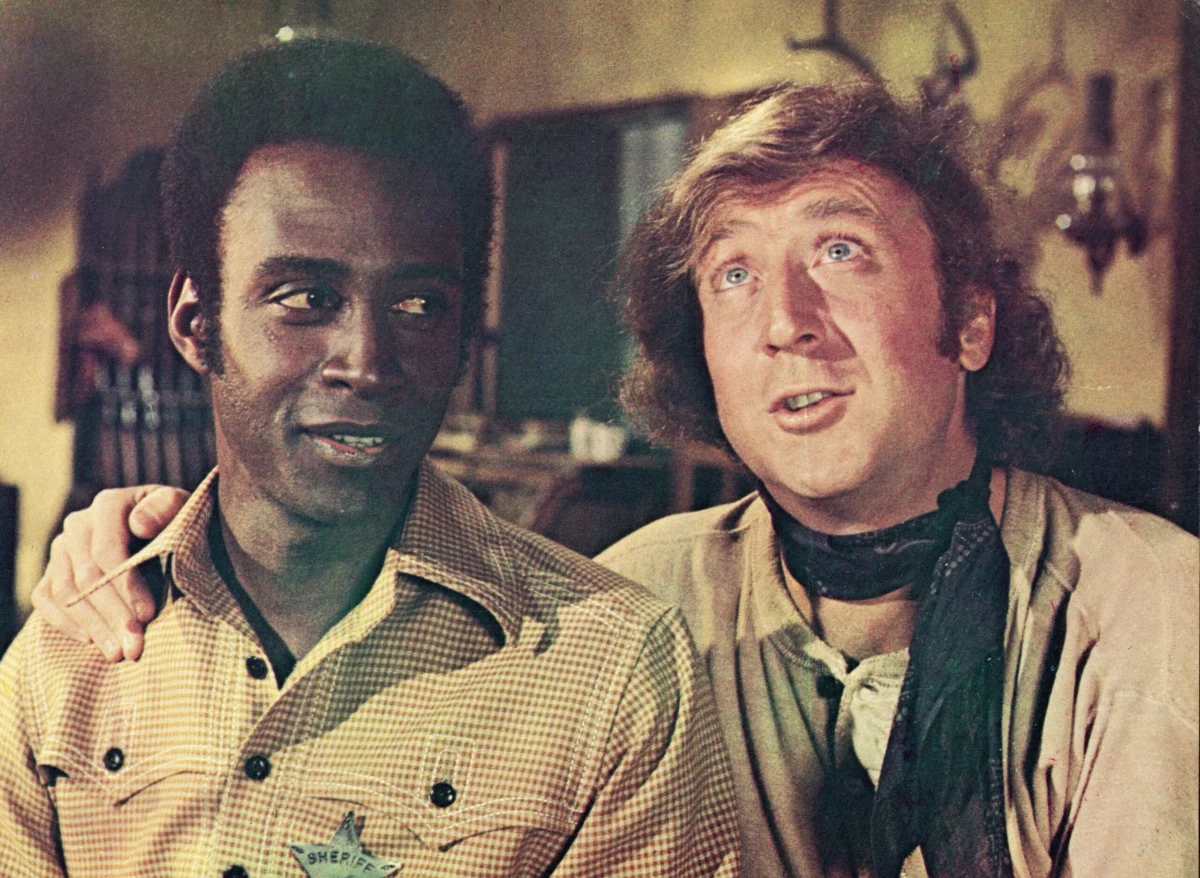
The late 70s saw a surge in "anything goes" filmmaking, exemplified by the chaotic energy of Animal House (1978) and the absurd, transgressive genius of Steve Martin’s The Jerk (1979). Perhaps most notably, Mel Brooks’ Blazing Saddles (1974) remains the gold standard of satire. While modern audiences still appreciate its brilliance, the sheer volume of racial epithets and offensive caricatures used to expose prejudice would be a non-starter in a modern writers’ room.
The 1980s: The Dawn of the "Raunchy" Teen Comedy
The 1980s introduced the "sex comedy" as a staple of the mainstream. Films like Porky’s (1981) and Revenge of the Nerds (1984) defined a generation of college-aged humor. However, viewed through a modern lens, these films are riddled with scenes that are now widely considered non-consensual or predatory. The "nerd vs. jock" tropes have aged poorly, and the lack of agency afforded to female characters in these films is a frequent point of contention in modern film studies.
The 1990s and 2000s: The Peak of Shock Humor
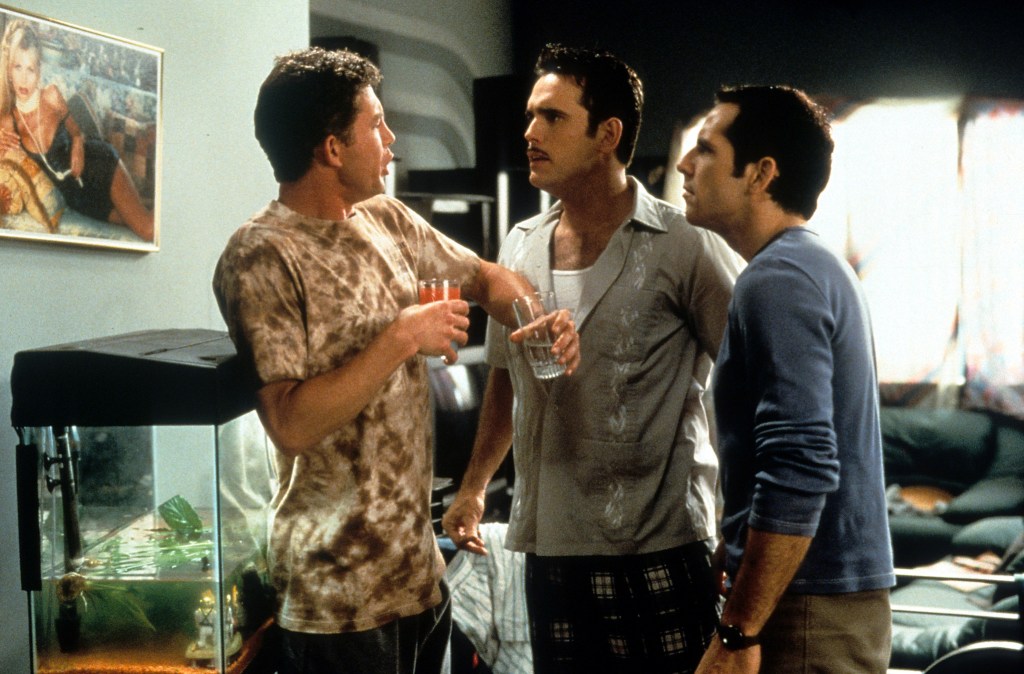
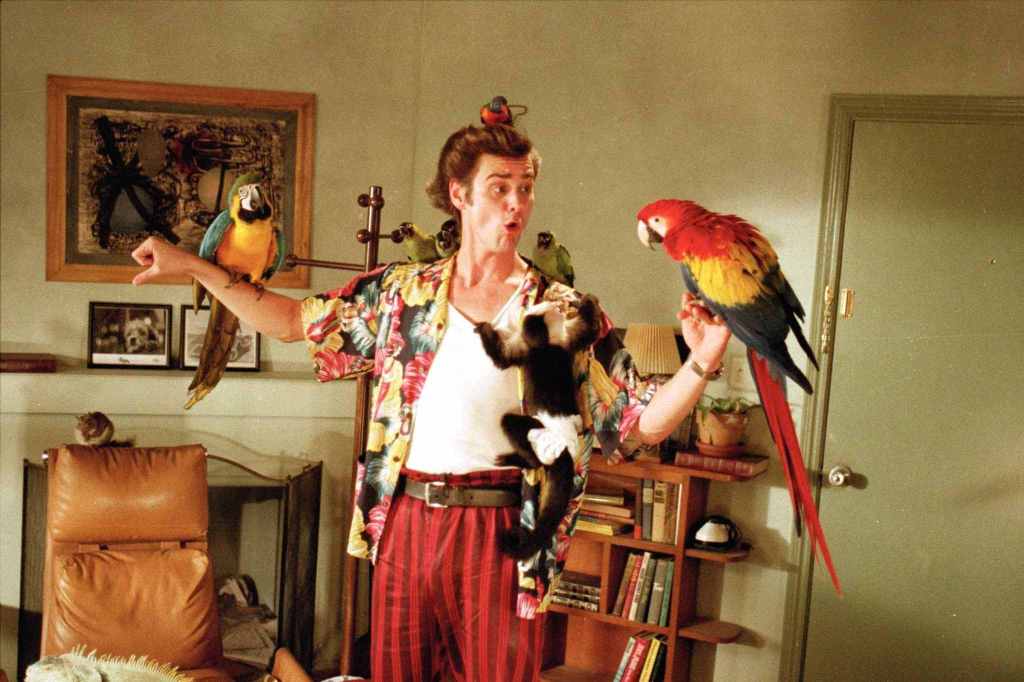
As we moved into the 90s and 2000s, comedy became "edgier." Ace Ventura: Pet Detective (1994) and There’s Something About Mary (1998) relied on gross-out gags and, in the case of Ace Ventura, a climactic reveal that is now widely recognized as transphobic.

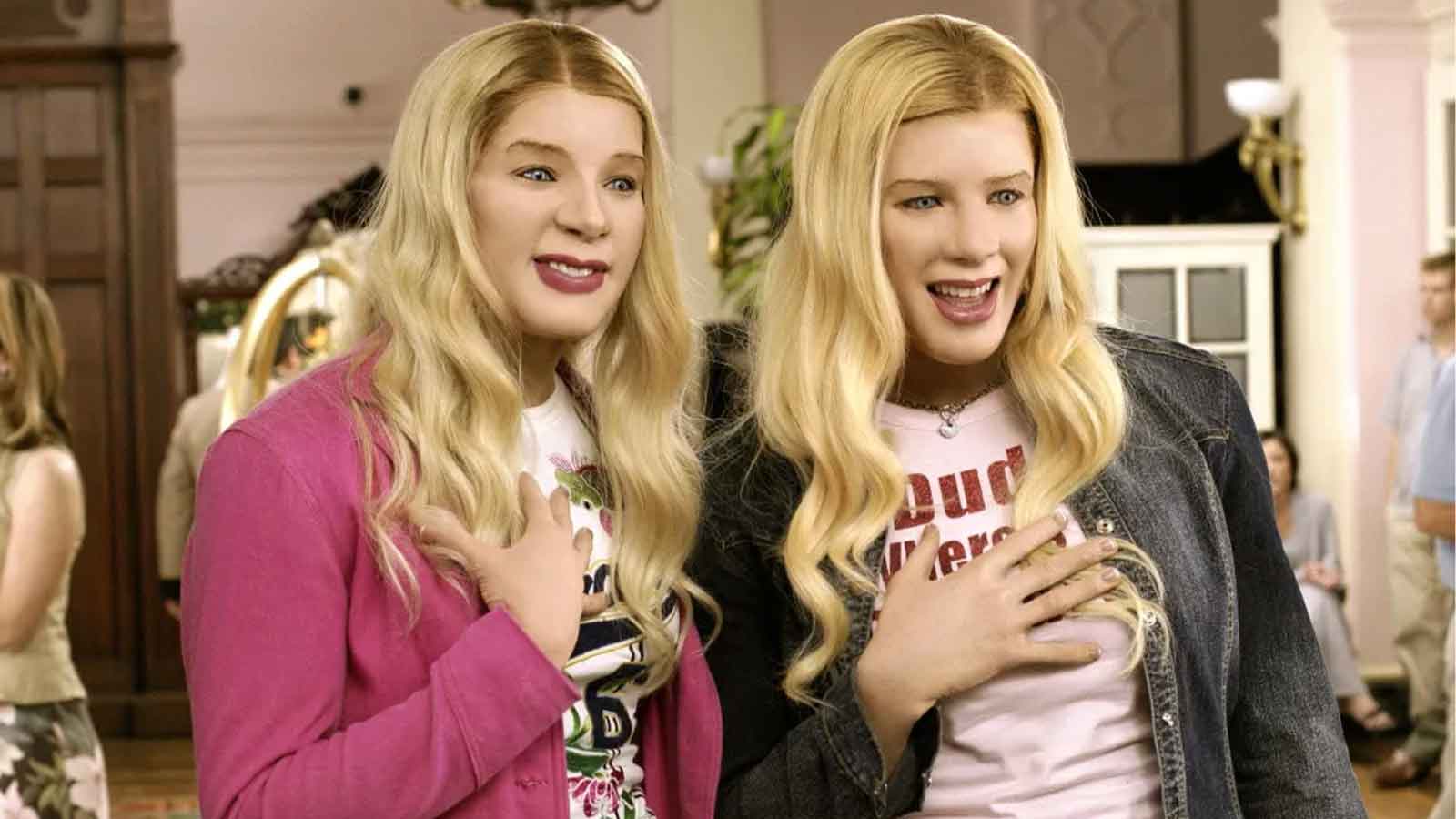
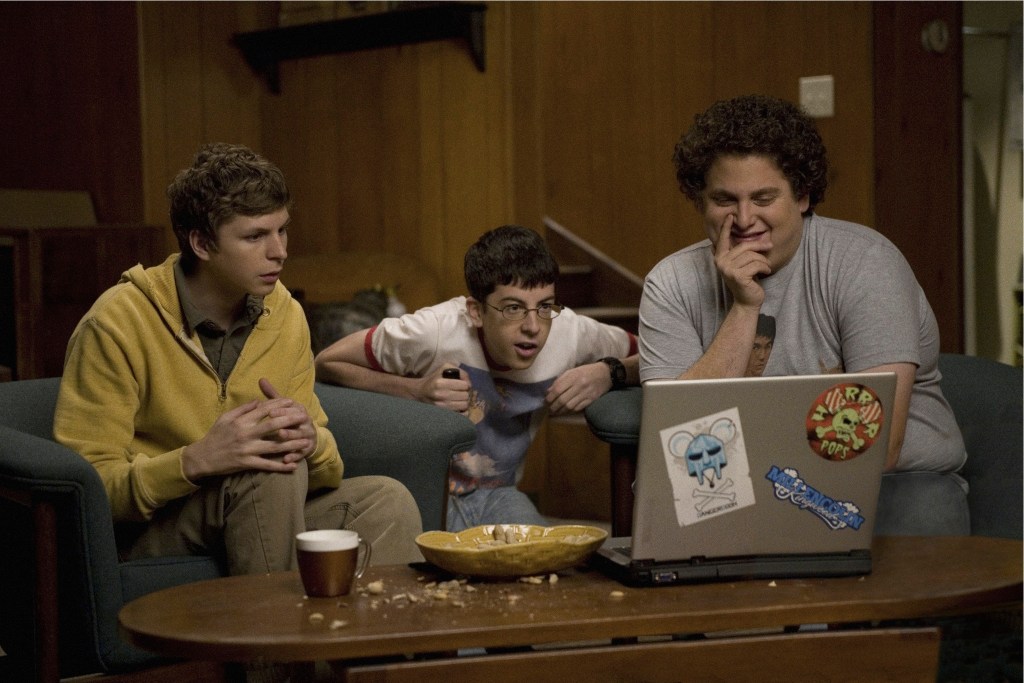
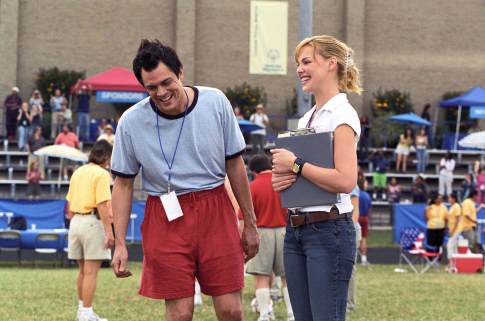
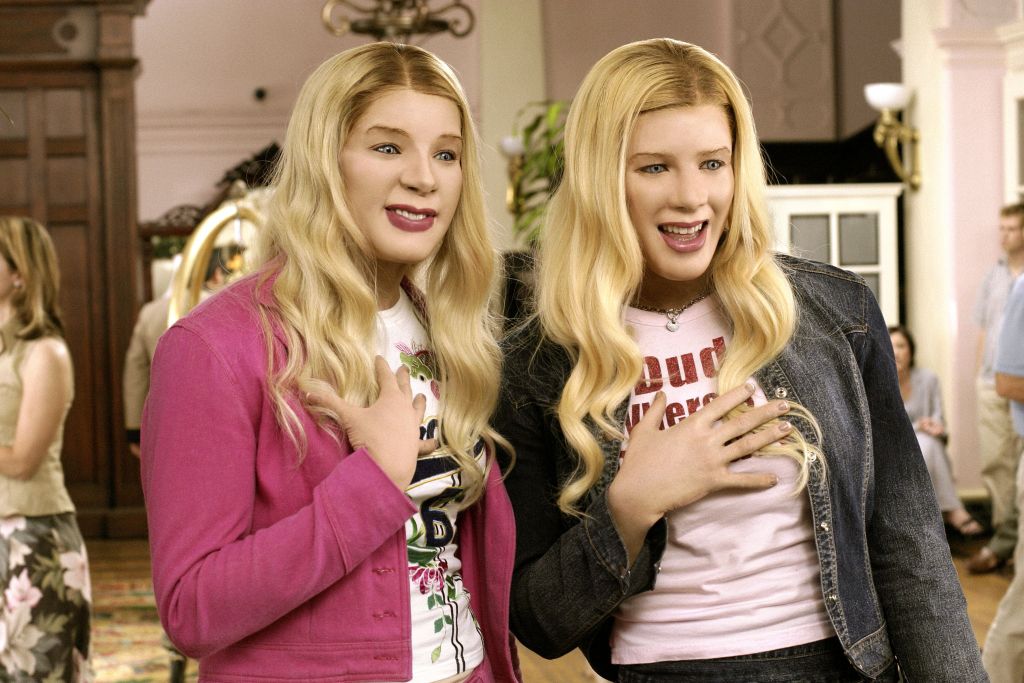
The early 2000s saw the rise of the "cringe" and "mockumentary" styles. Borat (2006) and Team America: World Police (2004) thrived on their ability to make audiences squirm. Meanwhile, The Ringer (2005) and White Chicks (2004) tackled subjects—disability and race, respectively—that have become increasingly protected and sensitive areas of discourse. Even beloved classics like Superbad (2007) and Clerks II (2006) contain dialogue and character dynamics that feel tethered to a pre-social-media era of comedy where the "locker room talk" aesthetic was the standard.
Supporting Data: The Shrinking Margin of Error
The shift is not merely anecdotal; it is reflected in the way studios manage risk. In the 1990s, the "R-rated comedy" was a dominant force at the box office. According to industry analysis, the budget-to-return ratio for raunchy comedies was remarkably high. However, the rise of "cancel culture" and the ubiquity of social media mean that a film’s marketing campaign can be derailed by a single controversial clip going viral.
Data from the last decade suggests that major studios are pivoting toward "safer" PG-13 comedies, or moving their most provocative content to niche streaming platforms where they can control the narrative. The risk of brand damage has led to a "sanitization" of the mainstream comedy genre, where filmmakers are encouraged to avoid potentially polarizing subject matter.
Official Responses and Industry Sentiment
Industry veterans often express a mixture of nostalgia and resignation regarding these changes. Creators like Mel Brooks have famously defended Blazing Saddles, arguing that the film’s intent was to attack racism, not promote it. Conversely, many actors who starred in films like The Ringer or White Chicks have, in subsequent years, expressed nuanced views about the appropriateness of those roles in today’s world.
Most studio executives currently operate under a policy of "inclusion and safety." This has led to the rise of sensitivity readers and internal diversity audits, ensuring that scripts are reviewed for potential harm before filming begins. While some argue this stifles artistic freedom, others maintain that it simply raises the bar for comedy, forcing writers to find humor in cleverness rather than easy stereotypes.
Implications: The Death of the "Edgy" Comedy?
What does this mean for the future of the genre? Is the "edgy" comedy dead, or is it merely evolving?
The current trend suggests that comedy is moving toward a more personal, character-driven style. Shows like Fleabag or The Bear (while dramatic) use humor in ways that are deeply rooted in trauma and emotional truth rather than shock value. The "gross-out" comedy of the early 2000s may be fading, but the desire for laughter remains as strong as ever.
The implication is that the audience has grown more sophisticated. We are less interested in seeing marginalized groups as the butt of a joke and more interested in seeing complex, humanizing portrayals. The "time capsules" we have discussed—the 14 films listed—serve as important historical markers. They show us who we were, how we thought, and what we found funny during a period of transition.
Final Thoughts: Preserving the Past, Shaping the Future
We need not burn the library of comedy to build a better future. There is immense value in watching Animal House or Superbad and recognizing them as products of their time. They are, in many ways, the "wild west" of the medium.
As we move forward, the challenge for the next generation of comedy writers is to capture that same subversive energy without relying on the crutches of the past. It is possible to be hilarious, insightful, and daring without sacrificing empathy. The comedies of the future will likely be judged not by how many people they offend, but by how accurately they capture the complexities of the modern human experience.
Comedy is not dying; it is simply growing up. And as we look back at these 14 films, we should do so with a sense of historical curiosity—acknowledging the laughter they provided, while recognizing that the world they were made in has moved on, and perhaps, has learned a thing or two along the way.











No comments yet. Be the first to join the conversation!