

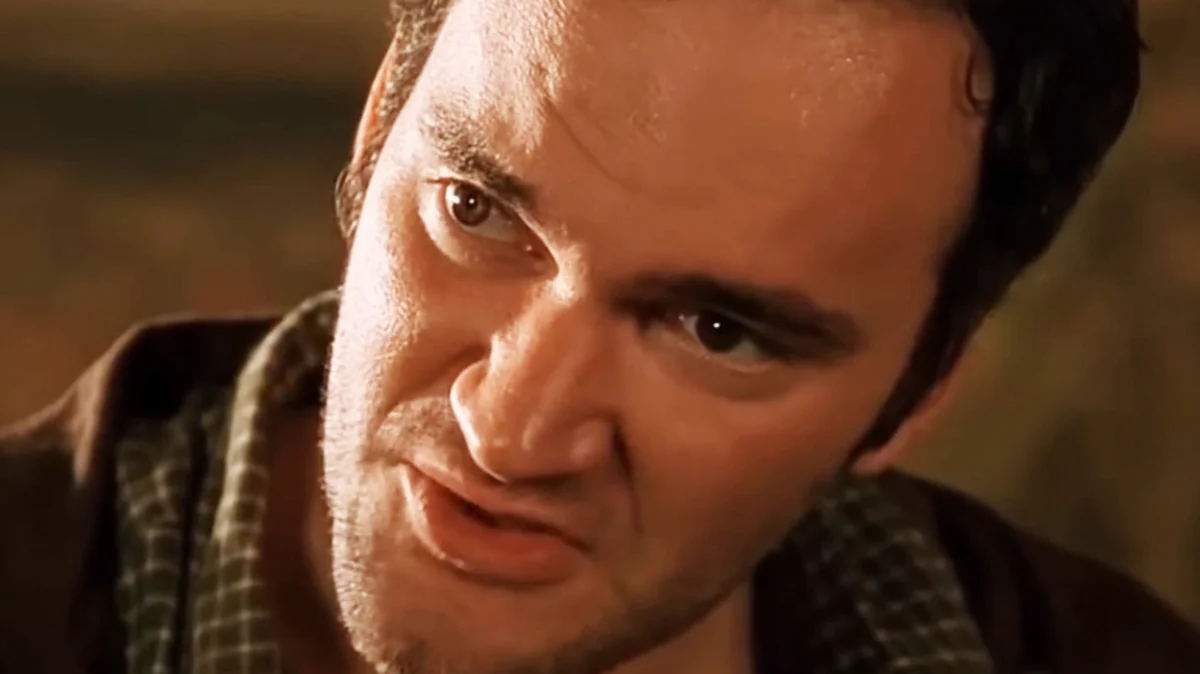
In an era defined by the rapid-fire consumption of digital "content," the voice of a true cinephile carries a weight that often cuts through the static of algorithmic recommendations. Quentin Tarantino, the auteur behind Pulp Fiction and Once Upon a Time in Hollywood, has long positioned himself as the self-appointed guardian of traditional cinema. His latest commentary, featured in the most recent issue of the prestigious Sight and Sound magazine, has ignited a fierce debate across the film industry. While the director spends the bulk of his lengthy op-ed lamenting what he perceives as the decline of the art form, he makes a jarring exception for Joe Carnahan’s 2026 Netflix action thriller, The Rip.
The State of Modern Cinema: A Director’s Lament
Tarantino’s latest essay is a scathing indictment of the contemporary film landscape. He expresses a profound sense of disillusionment with the current decade of filmmaking, famously noting that "the concept of what is a movie is more inclined to inspire contempt in me than generosity." For a filmmaker who built his career on the reverence of celluloid and the tactile experience of the theater, the shift toward streaming-first productions represents a departure from the medium’s soul.
He posits that the movies released over the last six years make the 1980s—a decade often criticized for its commercial excess—seem like the golden age of the 1930s. This isn’t merely a critique of budget or scale; it is an existential critique of how audiences interact with stories. Tarantino suggests that the prevalence of "content" has replaced the intentionality of "cinema," leaving him with a sense of apathy toward the vast majority of current releases.
A Rare Endorsement: The Case for The Rip
Amidst this sea of indifference, The Rip stands out as a singular anomaly in Tarantino’s worldview. The film, which features the powerhouse pairing of Ben Affleck and Matt Damon, has been hailed by the director as a "modern classic." According to his three-page analysis in Sight and Sound, The Rip is the only motion picture from the past few years that managed to truly transfix him, holding his attention for its entire duration.
This endorsement is particularly surprising given the film’s nature. Released in January 2026, The Rip is a gritty, high-stakes crime thriller that, while receiving a respectable 77% critical score on Rotten Tomatoes, was widely categorized by industry critics as a "serviceable mid-tier action movie." Where critics saw a competent, if familiar, genre exercise, Tarantino saw a masterclass in tension and character-driven stakes.
Chronology of the Controversy
To understand why Tarantino’s love for this specific film has caused such a stir, one must look at the timeline of his recent public reception:
- Mid-2025: The industry begins to note a shift in Tarantino’s public commentary, marked by a series of highly controversial takes on modern actors and directors. His critique of Paul Dano and his general dismissal of the "streaming era" lead to a fractured relationship with a segment of the online film community.
- January 2026: The Rip is released on Netflix. It performs well by streaming metrics but is largely ignored by the awards-season conversation, viewed by most as a "disposable" entertainment product.
- June 2026: The release of the Sight and Sound op-ed. Tarantino breaks his pattern of silence on new releases to heap unprecedented praise on the film, sparking a "Wait, he actually liked that?" reaction from cultural commentators.
- Present: The industry continues to grapple with the dissonance between Tarantino’s high-minded standards and his affection for a film that many perceive as a product of the very "content culture" he claims to despise.
Supporting Data: What Makes The Rip Tick?
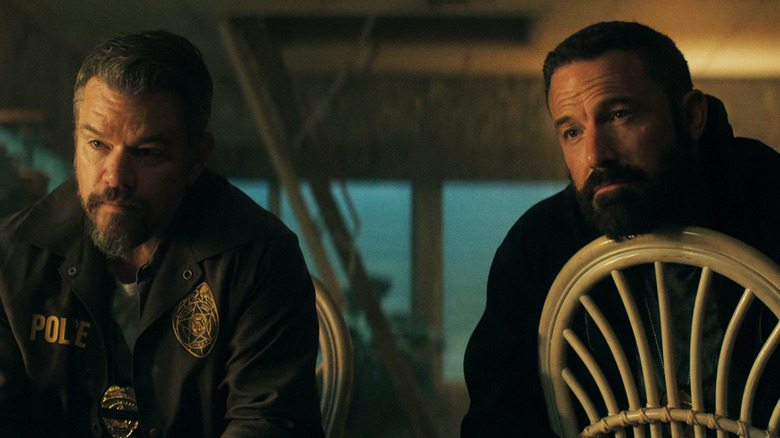
The narrative of The Rip is relatively straightforward. It follows Detective Sergeant J.D. Byrne (Affleck) and Lieutenant Dane Dumars (Damon), along with their Tactical Narcotics Team, as they find themselves trapped in a Miami stash house following a botched raid. As the situation devolves into a siege, the internal trust of the team begins to fracture.
Why did this resonate with a director known for the stylistic flourishes of Kill Bill? Analysts suggest several factors:
- The "Two-Hander" Dynamic: Tarantino has always favored dialogue-heavy, character-centric tension. The chemistry between Affleck and Damon—who have a well-documented history of collaborative storytelling—mirrors the "buddy-cop" tropes of the 70s that Tarantino frequently references.
- Structural Purity: Unlike many modern blockbusters that rely on bloated runtimes and CGI spectacles, The Rip focuses on a singular, claustrophobic setting. This adherence to a "pressure cooker" environment aligns with the director’s appreciation for classic suspense.
- Genre Craftsmanship: Tarantino has always championed "grindhouse" and exploitation cinema. He likely views The Rip not as a pretender to high art, but as an honest, well-executed piece of genre fiction that knows exactly what it is.
Official Responses and Industry Skepticism
The reaction from the broader film community has been polarized. Some industry veterans argue that Tarantino’s endorsement is a calculated attempt to highlight the importance of "craft" over "prestige." Others, however, see it as a symptom of the director’s disconnect from the modern viewer.
Critics at outlets like The A.V. Club have pointed out that while The Rip is a "dependable mid-tier action movie," labeling it a masterpiece potentially trivializes the label itself. There is also the "Zach Woods Effect"—a reference to recent viral discourse where public figures have challenged Tarantino’s authority—which has led many to view his opinions with a more cynical lens. If the public perceives Tarantino as being out of touch, his praise for a Netflix thriller may be seen by some as an attempt to "reclaim" the common man’s action movie.
Implications for the Future of Film
The implications of this endorsement are twofold. First, it highlights the widening chasm between the "critic’s critic" and the general audience. If a film as conventional as The Rip is what it takes to impress a filmmaker of Tarantino’s caliber, it suggests that the current bar for "excellence" in Hollywood is either remarkably low or that the industry has lost its way in the pursuit of spectacle over substance.
Second, it validates the "streaming era" in a way that perhaps even the platforms themselves did not anticipate. By elevating a Netflix original to the status of a modern classic, Tarantino has effectively argued that the delivery method of a film does not negate its potential for greatness. This could lead to a reassessment of other streaming-exclusive titles that were previously dismissed by the traditional cinematic gatekeepers.
Conclusion: A Complex Legacy
Quentin Tarantino remains a lightning rod for debate. Whether one agrees with his assessment of The Rip or finds his disdain for modern cinema elitist, his influence is undeniable. His praise for this film serves as a reminder that even the most seasoned filmmakers are subject to the visceral, unpredictable nature of the viewing experience.
As we look toward the remainder of 2026 and beyond, the discussion surrounding The Rip will likely serve as a case study in the subjective nature of film criticism. It forces us to ask: Are we judging the art, or are we judging the context in which it was born? For Tarantino, the answer is simple: if it holds your attention, it is worth defending—even if the rest of the world is busy scrolling past it.











No comments yet. Be the first to join the conversation!