

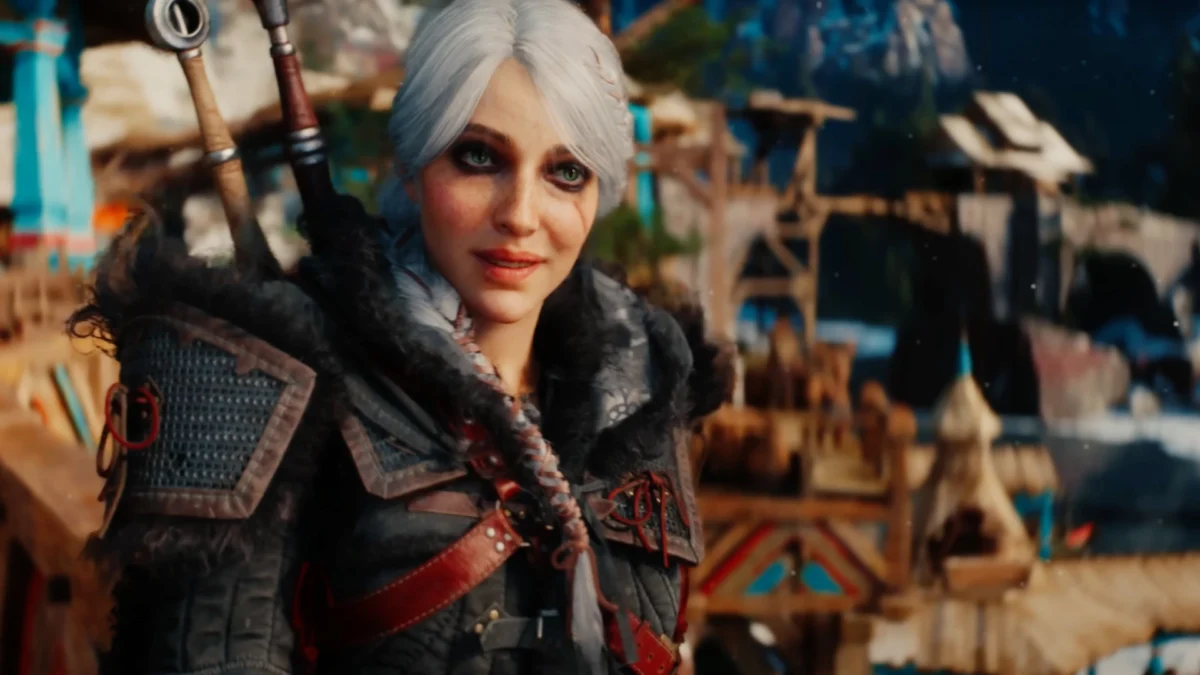
The landscape of modern AAA game development is shifting, characterized by an arms race of personnel, technical infrastructure, and long-term organizational strategy. CD Projekt Red (CDPR), the Polish powerhouse behind The Witcher and Cyberpunk 2077, is currently at the center of this industry-wide transformation. As the studio accelerates development on the next mainline entry in The Witcher franchise—internally referred to as "Polaris"—new financial reports confirm that the project is being fueled by a development team of unprecedented size for the company, mirroring the massive operational footprint seen during the production of Cyberpunk 2077.
The Core Data: A Rapidly Expanding Workforce
In its most recent quarterly financial earnings call, CD Projekt executives revealed that the development team for the next Witcher game has officially reached 513 in-house developers. This milestone marks the most intensive phase of the project, signaling that the studio has shifted from pre-production concepts into full-scale implementation.
To put this figure into perspective, it represents more than double the core staff that worked on the critically acclaimed The Witcher 3: Wild Hunt (2015), which boasted an internal team of approximately 240 people. By comparison, the studio’s output for Cyberpunk 2077 relied on a similar in-house headcount of roughly 530 developers.
While these numbers are substantial, they represent only the core, permanent staff at CD Projekt. The company’s financial disclosures clarify that these figures do not include the vast network of external contractors, voice actors, localization teams, and third-party studios that provide the supplemental "human capital" required to bring massive, open-world RPGs to life.
Chronology: From Humble Beginnings to Industry Titan
The trajectory of CD Projekt Red serves as a quintessential case study in the rapid maturation of the gaming industry. The studio’s evolution from a niche local distributor to a global heavyweight is marked by staggering shifts in team size and operational complexity.
- 2007 (The Witcher 1): The franchise began as a modest project with a team of approximately 15 developers. At this stage, the studio was essentially a scrappy group of enthusiasts attempting to translate Andrzej Sapkowski’s literature into an interactive medium.
- 2015 (The Witcher 3: Wild Hunt): By the time the third installment arrived, the project had grown significantly. While 240 core developers handled the design, coding, and art, the total number of individuals involved throughout the project’s lifecycle—including testers and external partners—surpassed 1,500.
- 2020 (Cyberpunk 2077): The studio reached a new zenith of scale. The project involved 530 in-house developers, but the broader "engagement" pool ballooned to 5,200 people. This period was marked by the intense, and at times controversial, "crunch" culture that the studio has since vowed to reform.
- 2026 and Beyond (Polaris/The Witcher 4): The studio now enters the next chapter with a streamlined yet massive organizational structure, applying the lessons learned from the chaotic, high-pressure development cycles of the past decade.
Supporting Data: The Scale of Modern AAA Development
The discussion surrounding CD Projekt’s team size invites a broader industry comparison. The industry has reached a point where "bloat" is not just a possibility, but a standard operating procedure for titles that aspire to be "blockbusters."
For context, Ubisoft’s Assassin’s Creed Shadows recently revealed that it involved over 7,000 contributors across 15 different global studios. While CD Projekt’s 513-person core team may seem large, it remains significantly smaller than the workforce required for the industry’s largest franchises. This leads to an ongoing industry debate regarding sustainability: how do these studios manage such massive, disparate workforces, and at what point does the sheer volume of contributors diminish the "vision" of the lead directors?
Furthermore, CD Projekt is managing multiple massive projects simultaneously. In addition to The Witcher 4, the studio is staffing up for "Cyberpunk 2" (the sequel to Cyberpunk 2077) and "Sirius," an unannounced multiplayer-focused Witcher spin-off. The fact that the studio has grown its teams for these secondary projects by "a dozen or so" in the last quarter demonstrates a deliberate, controlled expansion aimed at maintaining multiple product pipelines.
Official Responses and Strategic Vision
During a recent online Q&A session, Karolina Gnaś, the VP of Investor Relations, addressed concerns about whether the studio would continue to hire aggressively. She noted, "We believe that right now we have the right mix of expertise and skills, but of course we may slightly adjust the team size depending on our needs."
This statement is indicative of a "stable organizational setup." Joint CEO Michał Nowakowski emphasized that the current growth is reflective of a mature studio that understands its capabilities. The goal for The Witcher 4 is not merely to be bigger in headcount, but to be more efficient. The studio has openly admitted that in its earlier years, it suffered from a lack of rigorous documentation and "chaos" during development, as the rapid growth outpaced their internal processes. Consequently, a major focus for the Witcher 4 team is the implementation of better documentation and workflow management to avoid the pitfalls that plagued the launch of Cyberpunk 2077.
Implications: The Quest for Sustainable Creativity
The expansion of the Witcher 4 development team raises several critical questions for the gaming industry at large:
1. The Myth of the "Small Studio"
The industry’s reliance on thousands of external contributors hides the true cost of production. By outsourcing art assets, technical support, and QA, large companies like CD Projekt can keep their "in-house" numbers at a manageable 500-600 while still leveraging a workforce ten times that size. The implication is that "AAA" has become a synonym for "industrial-scale manufacturing" rather than "boutique art."
2. The Legacy of Documentation
One of the most sobering admissions from CD Projekt leadership is the historical lack of documentation. As a studio grows from 15 to 500 people, the "institutional memory" of how a game is built often evaporates. The move toward more rigorous internal documentation for The Witcher 4 is an attempt to ensure that the studio can maintain its identity without losing the creative thread that connected the first game to the third.
3. Sustainability and "Crunch"
The shadow of Cyberpunk 2077’s troubled release looms over every decision the company makes. By stabilizing their team size and focusing on internal expertise, the company is attempting to prove that it can deliver a massive, high-fidelity experience without the extreme burnout and development instability that characterized its previous projects.
4. The Future of the Franchise
With The Witcher 4 being the primary focus, fans are left to wonder what the "right mix of expertise" will yield. Will the game be more focused, or will the sheer number of developers inevitably lead to a larger, more sprawling, and perhaps less cohesive experience?
As CD Projekt Red moves deeper into the production of The Witcher 4, the world is watching not just for the game itself, but to see if this "stable organizational setup" can succeed where others have struggled. The transition from a small, passionate group of developers to a massive, multinational entity is a fraught one, but if the company’s financial transparency and commitment to internal processes are any indication, they are attempting to build a sustainable model for the next decade of digital storytelling.
The story of The Witcher 4 is currently being written by 513 people in offices and through remote connections across the globe. Whether that number is the key to the next masterpiece or the recipe for a new kind of creative struggle remains the defining question for one of gaming’s most storied developers.












No comments yet. Be the first to join the conversation!