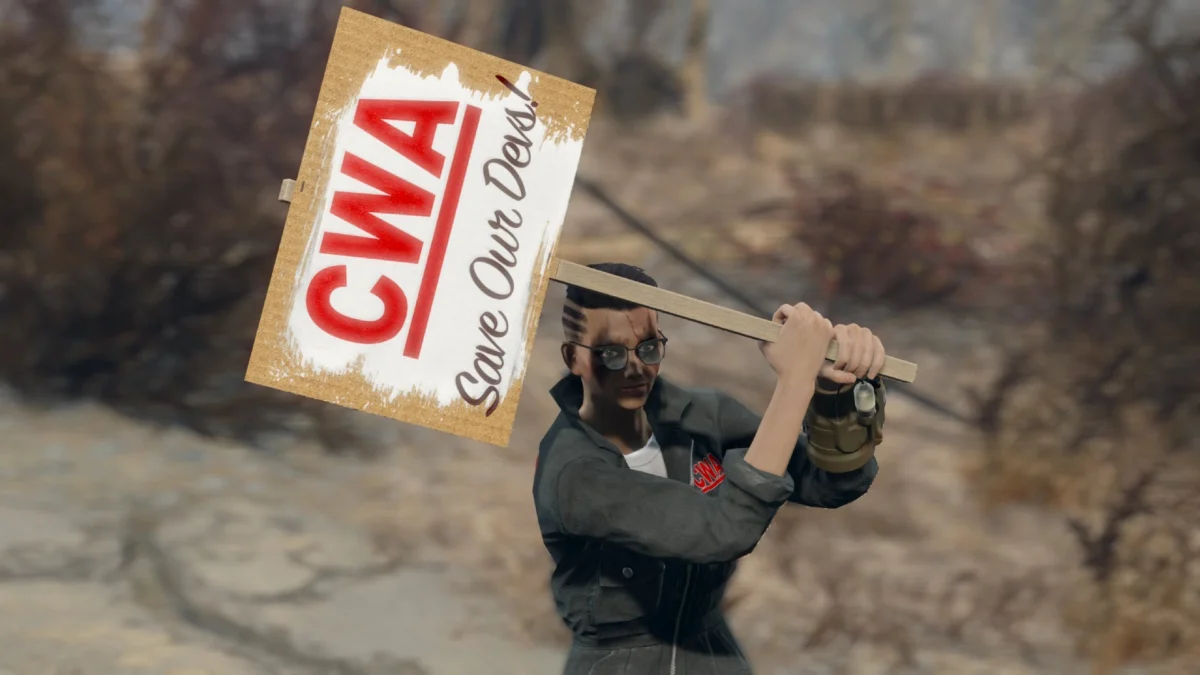
In a move that has sent shockwaves through the gaming industry, Microsoft’s Xbox division has officially initiated a sweeping organizational overhaul. The restructuring, confirmed on July 6, involves a massive reduction in workforce—totaling approximately 3,200 positions—and the divestment of five prominent game studios. As the company pivots toward a leaner, more focused operational model, the ramifications for developers and fans alike are beginning to come into sharp focus.
The Core Facts: A Landscape Transformed
The scale of this upheaval is historic for Microsoft’s gaming arm. Following weeks of internal speculation and industry rumors, Xbox has confirmed it is parting ways with five studios: Double Fine, Compulsion Games, Ninja Theory, Undead Labs, and Arkane. These studios, once central to the Xbox Game Studios ecosystem, will now operate outside the Microsoft banner, representing a significant contraction of the company’s first-party portfolio.
Beyond the divestments, the company is implementing a broader strategy shift under the leadership of CEO Asha Sharma. The mandate is clear: consolidate resources, prioritize high-value intellectual properties, and streamline reporting structures to maximize the commercial potential of their most lucrative franchises. While the company maintains that no currently announced first-party projects have been canceled, the reallocation of capital and personnel suggests a move away from experimental or smaller-scale titles in favor of sustained development on established powerhouses.
Chronology: From Rumors to Reality
The path to this restructuring did not happen overnight. The narrative of "corporate rejigging" began to gain traction in late spring, fueled by reports that Microsoft was increasingly dissatisfied with the speed of content output from the Bethesda and ZeniMax pipelines.
- Early June: Initial reports surfaced suggesting that Xbox leadership, led by Sharma, was prioritizing the acceleration of Fallout and The Elder Scrolls sequels. The industry interpreted this as a warning sign of a shift in corporate priorities.
- Late June: Speculation intensified regarding a “major overhaul” of the ZeniMax/Bethesda organizational chart, with insiders noting that “significant reductions” were being planned across the entire gaming division, including Activision and Blizzard.
- July 6: The “Black Monday” of the gaming industry occurred. Xbox formally announced the layoffs, the divestment of the five studios, and the structural realignment of Mojang, marking the official end of the previous growth-at-all-costs strategy.
The Pivot: Bethesda, ZeniMax, and the "Blockbuster" Strategy
The centerpiece of this restructuring is the ZeniMax group. Under the new directive, the company is shifting its investment strategy to focus on massive, long-tail franchises. The goal is to reduce the time between major entries in the Fallout and The Elder Scrolls series.
However, despite the heavy focus on these two pillars, the company has clarified that it is not abandoning its legacy identity. Reports from industry journalists, including Jason Schreier, indicate that Doom, Quake, and Wolfenstein remain central to the long-term roadmap. The trade-off, however, is a painful one: id Software—the legendary developers behind Doom—is reportedly enduring a "significant number of staff" layoffs. This suggests that while these franchises are safe, the teams producing them are being tasked with leaner, more efficient development cycles.
The Mojang Realignment: Why Minecraft is Taking Center Stage
Perhaps the most notable organizational change involves Mojang, the studio behind Minecraft. Under the new structure, Mojang developers will report directly to Asha Sharma. This is not merely an administrative shuffle; it is a tactical pivot.
Market analysts have noted that Minecraft and the King-developed Candy Crush have evolved from simple games into massive, platform-like ecosystems. These titles boast the highest monthly active user counts within the Microsoft gaming umbrella. According to internal reports shared with Game File, Microsoft leadership believes Minecraft has been systematically under-invested in for the past six years.
By allowing Minecraft to serve as a financial “piggy bank” for other, less profitable experiments, the company inadvertently allowed the title to lose ground to competitors like Roblox. The new strategy aims to reverse this trend. By moving Mojang closer to the CEO, Microsoft is signaling that Minecraft will receive significantly more capital, resources, and oversight to ensure it remains the dominant “block-based” platform in the market.
Official Responses and Internal Messaging
In a memo to staff, Asha Sharma characterized the layoffs as a necessary evolution to ensure the long-term sustainability of the organization. "These changes vary in size across Activision, Bethesda/ZeniMax, Blizzard, King, Mojang, and Xbox Game Studios," Sharma wrote. She emphasized that the company is "shifting investment to focus on higher priority projects," a euphemism for the consolidation of resources into the most profitable sectors.
Crucially, Sharma attempted to reassure the player base: "None of our first-party publicly announced games or projects are being canceled as part of these reductions." This statement serves as a vital safeguard for consumer confidence, ensuring that the anticipation surrounding upcoming titles remains intact even as the teams behind them undergo significant internal trauma.
The Human Cost and Industry Implications
The human impact of these decisions cannot be overstated. When a company as large as Microsoft cuts 3,200 roles, it leaves thousands of families in uncertainty. The divestment of studios like Arkane and Ninja Theory is particularly poignant, as these teams were responsible for some of the most critically acclaimed titles of the last decade.
Key Implications:
- Consolidation of Power: By moving Mojang and other key units directly under the CEO, Microsoft is flattening its management structure. This reduces bureaucracy but also creates a more centralized, top-down culture that may limit the creative freedom formerly enjoyed by independent-minded studios.
- The End of the "Growth at All Costs" Era: The era of aggressive acquisition and expansion appears to have hit a hard ceiling. The market is currently rewarding efficiency and profitability over sheer volume, and Microsoft is responding to shareholder pressure to optimize its margins.
- The "Live Service" Dominance: The move to focus on Minecraft, Candy Crush, and the Fallout/Elder Scrolls franchises highlights a broader industry trend toward "forever games"—titles that function as platforms rather than finite products.
- Competitive Pressure: The acknowledgment that Roblox has gained ground on Minecraft reveals a rare moment of vulnerability from Microsoft. It underscores how even the biggest giants are constantly looking over their shoulders at agile, user-generated content platforms.
Conclusion: A New Chapter for Xbox
As the dust settles on this restructuring, the gaming industry is left to grapple with a new reality. The Xbox of today is vastly different from the Xbox of five years ago. It is leaner, more focused, and heavily reliant on a few "mega-franchises" to carry the financial weight of the entire division.
For the employees who remain, the mandate is clear: the focus is on scaling success and maximizing the efficiency of every development dollar. For the industry at large, the divestment of five studios serves as a sobering reminder that even under the banner of a trillion-dollar corporation, creative teams are not immune to the cold, hard logic of corporate bottom lines. As the company moves forward, all eyes will be on whether this "blockbuster" strategy can successfully revitalize its core franchises or if the cost of this efficiency will be a loss of the creative diversity that once made Xbox a unique force in gaming.