

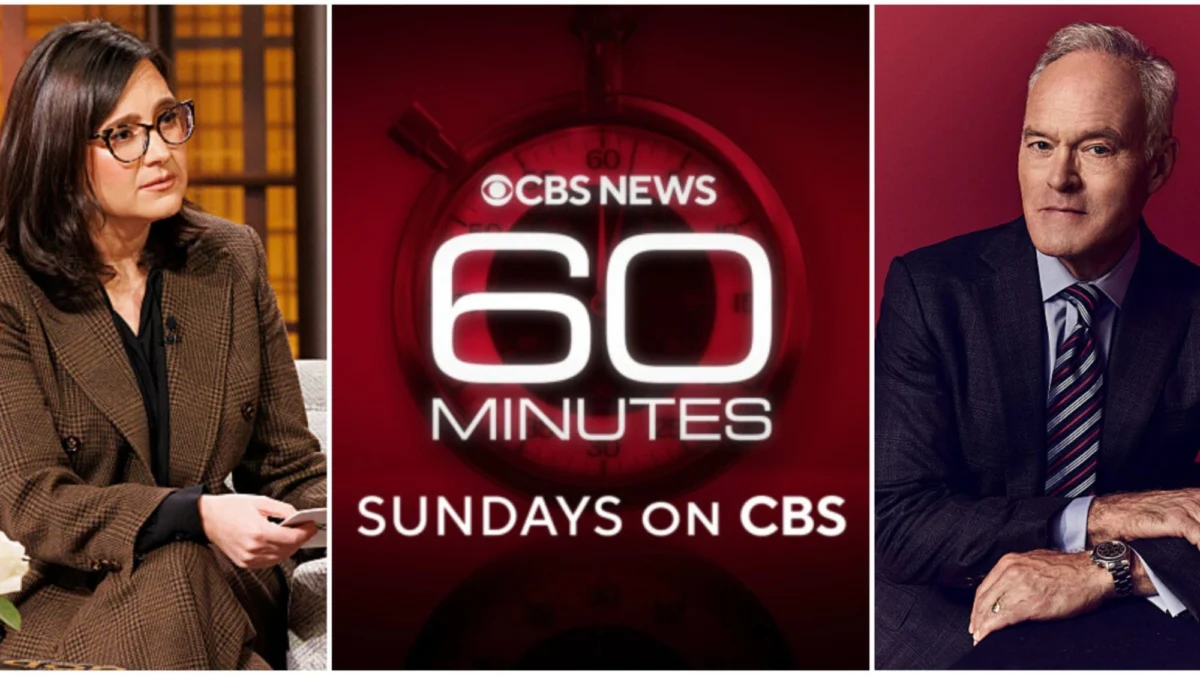
The hallowed halls of CBS News, once considered the gold standard of American broadcast journalism, are currently embroiled in a high-stakes, public conflict that threatens the future of its most iconic program, 60 Minutes. Following the abrupt termination of veteran correspondent Scott Pelley, a war of words has broken out between the network’s embattled leadership and one of its most recognizable faces. The dispute, which centers on allegations of journalistic malpractice, political pressure, and outright dishonesty, has exposed a deep, ideological rift within the network.
The Core Conflict: A Newsroom Divided
The tension reached a breaking point on Wednesday, June 3, 2026, when CBS News Editor-in-Chief Bari Weiss addressed the staff in a tense conference call. During the briefing, Weiss, alongside CBS News President Tom Cibrowski, framed the departure of Scott Pelley as a necessary personnel move following a breakdown in "trust and mutual respect."
Weiss told staff, "I’m only interested in working in a newsroom that is built on trust and mutual respect. We cannot do our work without it. That foundation was broken on Monday, and despite our attempts to engage with Scott Pelley and to find a way back, unfortunately, we weren’t able to do so."
However, Pelley—a 37-year veteran of the network—immediately challenged this narrative, providing a scathing rebuttal to The New York Times. Pelley flatly accused Weiss and the executive team of fabricating the details of his departure. "She knows what she said is not true," Pelley stated, asserting that his exit was a summary firing devoid of any genuine mediation or reconciliation efforts.
A Chronology of the Fallout
To understand the current crisis, one must look at the sequence of events that began earlier this week. The friction stems from a massive structural overhaul at 60 Minutes led by new Executive Producer Nick Bilton.
- Monday, June 1, 2026: In his first meeting with the 60 Minutes staff, Nick Bilton attempted to outline a vision for the show’s future. The meeting quickly devolved into a confrontation. According to leaked audio obtained by The New York Times, Pelley openly challenged Bilton’s leadership, directly criticizing Bari Weiss’s management style and the perceived erosion of journalistic standards. Pelley famously accused Weiss of "murdering" the show, claiming her appointment was intended to dismantle the program’s integrity.
- Tuesday, June 2, 2026: Following the volatile meeting, Pelley was summoned for a follow-up discussion with top brass, including Cibrowski and Weiss. Pelley described the meeting as "openly hostile from the start." He claims he was effectively terminated within the first 15 seconds of the conversation, refuting the management’s claim that there was a concerted effort to "find a way back."
- Tuesday Night, June 2, 2026: CBS News formalized the termination of Pelley’s contract. The news was communicated via a formal letter from Bilton, citing "for cause" termination based on Pelley’s conduct during the Monday staff meeting.
- Wednesday, June 3, 2026: Management addressed the newsroom, leading to Pelley’s subsequent public statement calling the executives "disingenuous" and accusing them of misleading the staff to maintain a veneer of corporate stability.
The Allegations: Journalistic Integrity Under Siege
The heart of Pelley’s grievance extends far beyond his own employment status. In a detailed statement, the veteran journalist painted a picture of a news organization bowing to political influence. Pelley alleged that the new management regime instructed him to "inject falsehoods and bias into a politically sensitive story," a directive he claims to have refused on multiple occasions.
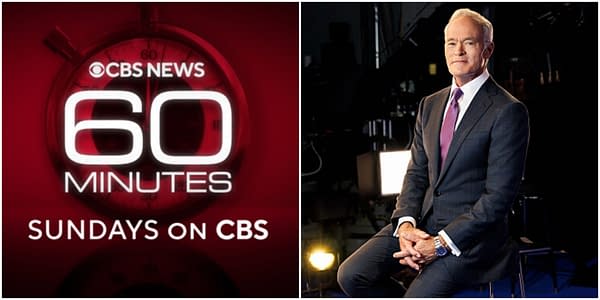
"The leadership of 60 Minutes is no longer recognizable," Pelley wrote. "The principles I hold dear are gone, and so I must leave as well."
Pelley’s critique also touched upon the broader culture of fear and mismanagement currently gripping the network. He noted that the recent termination of senior staff—including Executive Producer Tanya Simon and Executive Editor Draggan Mihailovich—was conducted without cause, effectively stripping the program of its "DNA." He further cited the forced departures of correspondents Sharyn Alfonsi and Cecilia Vega as evidence of a purge designed to silence dissenters who stood for traditional journalistic ethics.

Moreover, Pelley pointed to instances of operational incompetence, including a near-miss where a program segment was almost pulled from the airwaves entirely due to management-induced chaos. He specifically criticized the practice of allowing political figures to influence the selection of correspondents for interviews, calling it a violation of the fundamental distance required between the press and the power structures it covers.
Supporting Data and Industry Context
The controversy occurs against a backdrop of declining performance and shifting demographics at CBS. The network’s decision to elevate figures like Tony Dokoupil to high-profile roles has been met with mixed results. Under the current management, the CBS Evening News has struggled to maintain viewership, often hovering below the 4-million-viewer threshold—a metric that serves as a vital benchmark for the commercial viability of a flagship news broadcast.
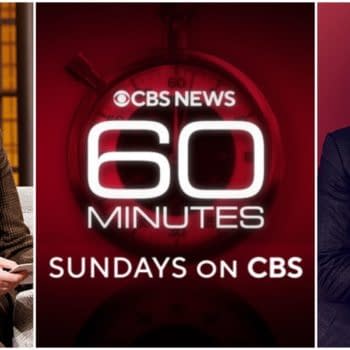
Pelley’s defense of the 60 Minutes brand was rooted in its historical dominance. He noted that the program concluded its 58th season with a 9% growth in viewership, proving that the traditional model of investigative, long-form journalism remains a potent force. He argued that the current management’s push for a different, perhaps more "viral" or "TikTok-friendly" approach—a rumor Bilton denied during the Monday meeting—is a strategic miscalculation that ignores the desires of the show’s core audience.
Official Responses and Internal Tensions
The divide between the executive suite and the editorial staff is becoming increasingly apparent. While Bari Weiss and Tom Cibrowski maintain that their decisions are necessary to preserve a "respectful" workplace, the staff response has been one of anxiety and frustration. By labeling the firing as a matter of "trust," management is attempting to frame a systemic policy dispute as a mere interpersonal conflict.

However, the "for cause" designation in Pelley’s termination letter suggests that CBS is bracing for potential legal ramifications. By documenting the exchange as an issue of insubordination, the network is attempting to insulate itself from wrongful termination lawsuits, though Pelley’s public assertions of "disingenuous" conduct by executives suggest he is prepared to fight back in the court of public opinion, if not in a legal venue.
Implications for the Future of Broadcast Journalism
The firing of Scott Pelley is not merely a personnel issue; it is a bellwether for the future of American broadcast news. The tension between the desire for modernization and the preservation of long-standing journalistic norms has reached a boiling point at CBS.
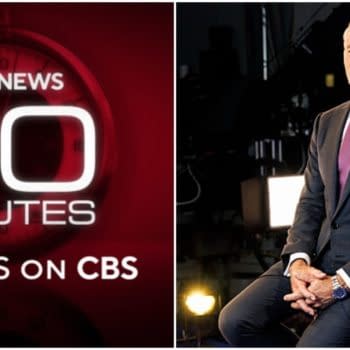
- The Erosion of Institutional Memory: With the departure of senior leadership like Simon and Mihailovich, coupled with the loss of Pelley, 60 Minutes is losing the institutional memory that guided it through decades of political cycles. The potential for a "brain drain" at the network could lead to a permanent shift in the show’s tone and depth.
- Political Perception: By accusing management of trying to "curry a moment of favor with the Trump administration," Pelley has tapped into the broader national debate regarding media bias. Whether or not these allegations are substantiated, the perception of political capitulation is a heavy weight for a news organization to bear.
- The "TikTok" Debate: The fear that legacy media will sacrifice quality for short-form engagement is widespread. As networks face pressure to modernize, the clash between "old-school" journalists and new, digitally-focused managers will likely continue to manifest in similar, high-profile conflicts.
In his final remarks, Pelley wrote, "I depart after 37 years at CBS with one emotion—a heart brimming with gratitude for the men and women of CBS News who encouraged and enriched my work… I pray for a day when those people and their ideals are honored again—a day when sanity, competence, and courage return."
As the dust settles, the question remains whether the 60 Minutes brand can survive this internal upheaval. For now, the program remains under the control of a management team that finds itself in the center of a storm of its own making, with its most prominent voice warning that the institution he once loved is being dismantled from within. The public, the staff, and the industry at large are left to watch as a once-steady pillar of American culture undergoes a painful, and perhaps irreversible, transformation.










No comments yet. Be the first to join the conversation!