The landscape of Marvel’s mutant universe has undergone a seismic shift following the conclusion of the Krakoan Age. As the X-Men transition into a new, grounded, and often perilous era, the aesthetic identity of the franchise remains in the steady, visionary hands of artist Luciano Vecchio. Known for his keen eye for character iconography and fashion-forward sensibilities, Vecchio has become an essential architect of the modern mutant look.
With the upcoming release of the highly anticipated one-shot X-Men: The Hellfire Murder on July 22, 2026, and his ongoing tenure on Gail Simone’s Uncanny X-Men, Vecchio is currently at the center of the X-Men’s creative evolution. In a recent return to X-Men Monday, Vecchio peeled back the curtain on the inspirations, challenges, and narrative shifts defining his latest work.

The Evolution of the Hellfire Aesthetic
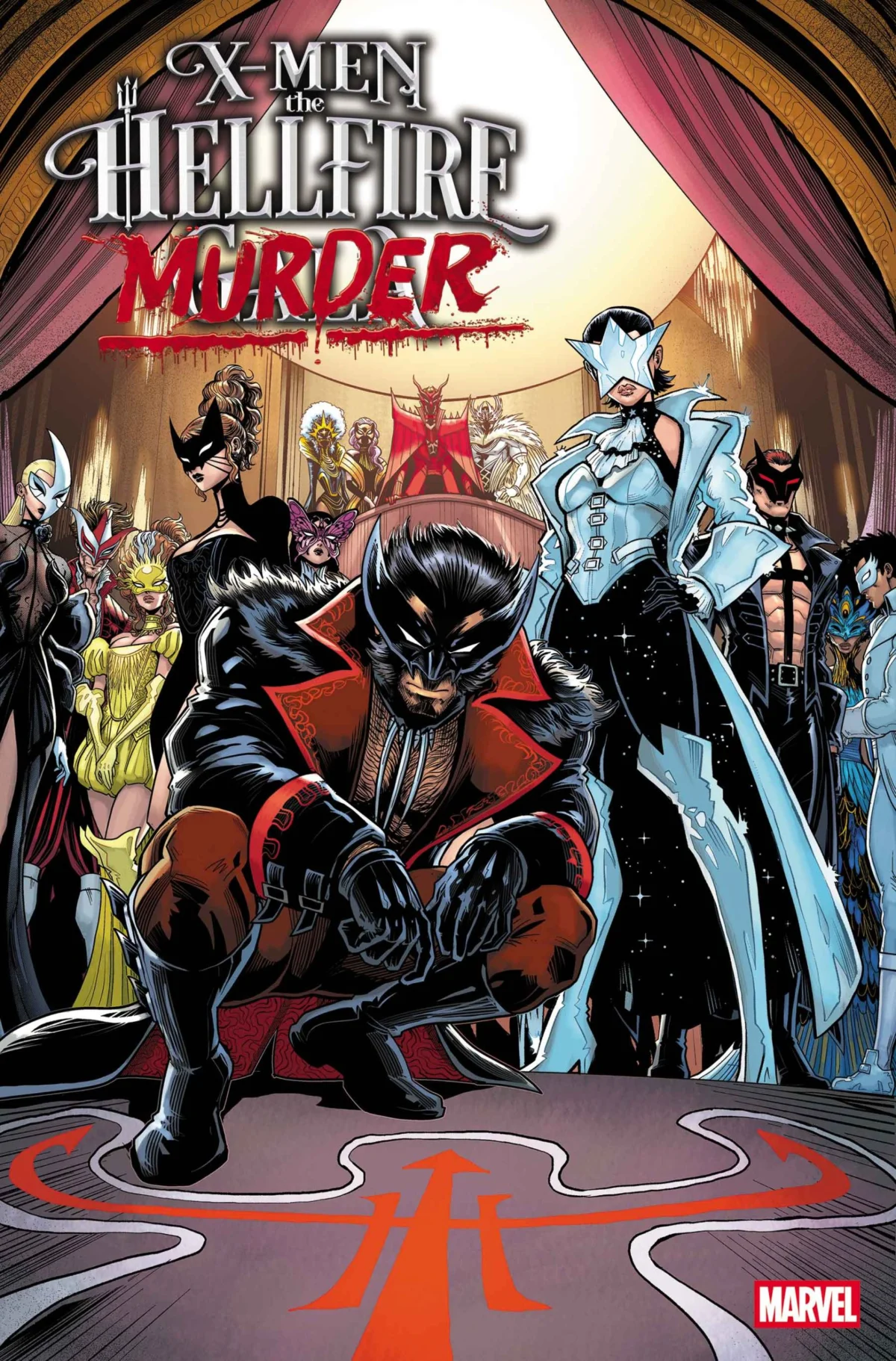
The Hellfire Gala has long been a staple of modern X-Men storytelling, serving as a runway for mutant culture. However, The Hellfire Murder represents a departure from the high-fashion celebrations of the past. As Vecchio explains, the one-shot is a return to the roots of the Hellfire Club—a clandestine, shadowy affair where the stakes are life and death.
"I think this one is unlike any other Hellfire special that came before," Vecchio notes. "Sebastian Shaw is hosting an invitation-only gala for the mutant elite, and the framing is closer to classic Hellfire Club roots. It’s a murder mystery involving many key players, with Wolverine and Jubilee leading the investigation."

The shift in tone required a fundamental change in design philosophy. While previous galas prioritized individual expression, The Hellfire Murder focuses on the mask—an element of mystery that demands a more uniform, yet enigmatic, dress code. Vecchio describes the challenge as "masquerade-forward," requiring him to design costumes that are instantly recognizable as part of the Hellfire tradition while remaining ambiguous enough to maintain the tension of the "whodunit" narrative.
Chronology of a Creative Process
For Vecchio, the process of designing for the X-Men is not a solitary endeavor. It is a collaborative dance between writer, editor, and illustrator. Before a single pencil stroke hit the page, Vecchio engaged in a rigorous back-and-forth with Gail Simone and the editorial team.

"I was brought in early to draw the cover and establish the designs," Vecchio says. "I focused first on defining our leads—Wolverine as ‘The Wolf’ and Jubilee as ‘The Star’—and created a system from there. I was given a list of characters and their specific mask themes, which acted as the foundation for the visual language of the issue."
His mood board for the project reads like a love letter to cult cinema and historical pageantry. From the dark, opulent aesthetics of the Dark Phoenix Saga to the surrealism of The Rocky Horror Picture Show, Vecchio aimed to capture a specific brand of "unnervingly sexy" decadence. He cites influences ranging from Venetian carnivals and Club Kids fashion to gothic vampire aesthetics, ensuring that the costumes feel both period-appropriate and quintessentially mutant.

Supporting Data: A Collaborative Artistic Ecosystem
One of the most rewarding aspects of the current X-Men creative environment is the fluidity with which designs are shared across the board. When asked about seeing his work interpreted by other legendary artists—such as Tony S. Daniel, Federica Mancin, and R.B. Silva—within the same issue, Vecchio expresses genuine humility.
"That’s always incredible, and it never gets old," he admits. "Seeing how another artist approaches the same assignment with different results is always a fun surprise. It’s a collaborative ecosystem where my designs serve as a template, but the other artists bring their own unique voices to the table."

This collaborative spirit extends into the main Uncanny X-Men title, where Vecchio has moved from the cosmic, high-concept visuals of Resurrection of Magneto and Rise of the Powers of X to the character-driven, grounded stories of the current run. He views this as a vital transition, noting that Uncanny X-Men is, at its core, "X-Men as a Home."
The "Uncanny" Shift: Human Perspective and Horror
The transition from cosmic sagas to the street-level, human-focused narrative of Uncanny X-Men has allowed Vecchio to pivot his artistic style. He describes his current approach as more emotionally invested, focusing on nuances, character interaction, and the everyday reality of the mutant experience.

"My page compositions are less flashy," Vecchio explains. "My attention shifts to handling a large cast and making them feel alive. I’m channeling inspiration from legends like John Byrne, John Romita Jr., and Bill Sienkiewicz, while adding my own twists."
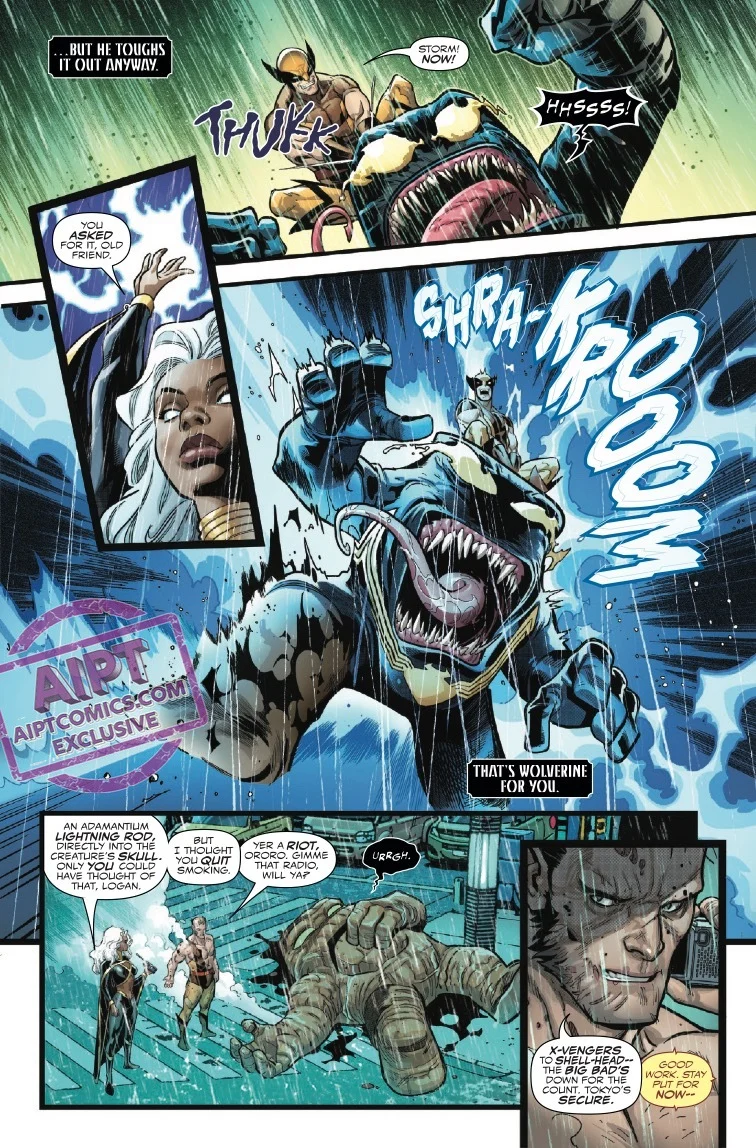
A recurring element in this new era is the inclusion of horror. The introduction of mutant-eating Sentinels and the unsettling transformation of characters like Gambit have pushed the X-Men into the realm of the macabre. Vecchio notes that while he is not a fan of being frightened in his personal life, he finds immense satisfaction in crafting those moments for the reader.

"This volume of Uncanny X-Men feels related in tone to classic New Mutants or early Generation X," he says. "Gail often mentions references to horror manga masters like Junji Ito, and I find that deeply inspiring for the visual direction we are taking."
Future Implications: The "Wild Ride" and Beyond
As the Uncanny X-Men title moves toward the "Wild Ride" story arc, the horror elements are set to escalate. With the guest appearance of Gabriel the Devil-Hunter, Vecchio has taken inspiration from the 1970s Marvel’s Haunt of Horror to ground the visuals in a classic, visceral aesthetic.

Furthermore, the introduction of the new mutant exorcist, "Repent," marks a significant expansion of the supporting cast. Vecchio, who co-created the character with Simone, is eager for fans to see how these new elements integrate into the existing lore.
His dedication to the craft is bolstered by his current personal project: reading every issue of X-Men history via the Marvel Unlimited app. Having reached the Brian Michael Bendis era, he has gained a renewed appreciation for the long-term character arcs that define the franchise.

"I’ve adopted Magik, Rachel Summers, and Dani Moonstar as my bond characters," he shares. "Seeing how they evolve over the decades is what makes this universe so special. It’s that continuity of emotion that I hope to bring to my own work on the page."
Conclusion
As X-Men: The Hellfire Murder hits shelves, the industry is watching closely to see how Vecchio’s designs influence the broader visual narrative of the X-Men. Whether through the opulent, masquerade-style masks of the Hellfire Club or the haunting, gritty panels of Uncanny X-Men, Luciano Vecchio is proving that the soul of the X-Men lies in the details.

For the fans, the message is clear: the future of the X-Men is dark, beautiful, and in very capable hands. As the team gears up for the "Wild Ride" in Uncanny X-Men #33, arriving August 5, 2026, the collaboration between Vecchio and Simone continues to redefine what it means to be a mutant in an increasingly dangerous world. Stay exceptional, X-Fans.