

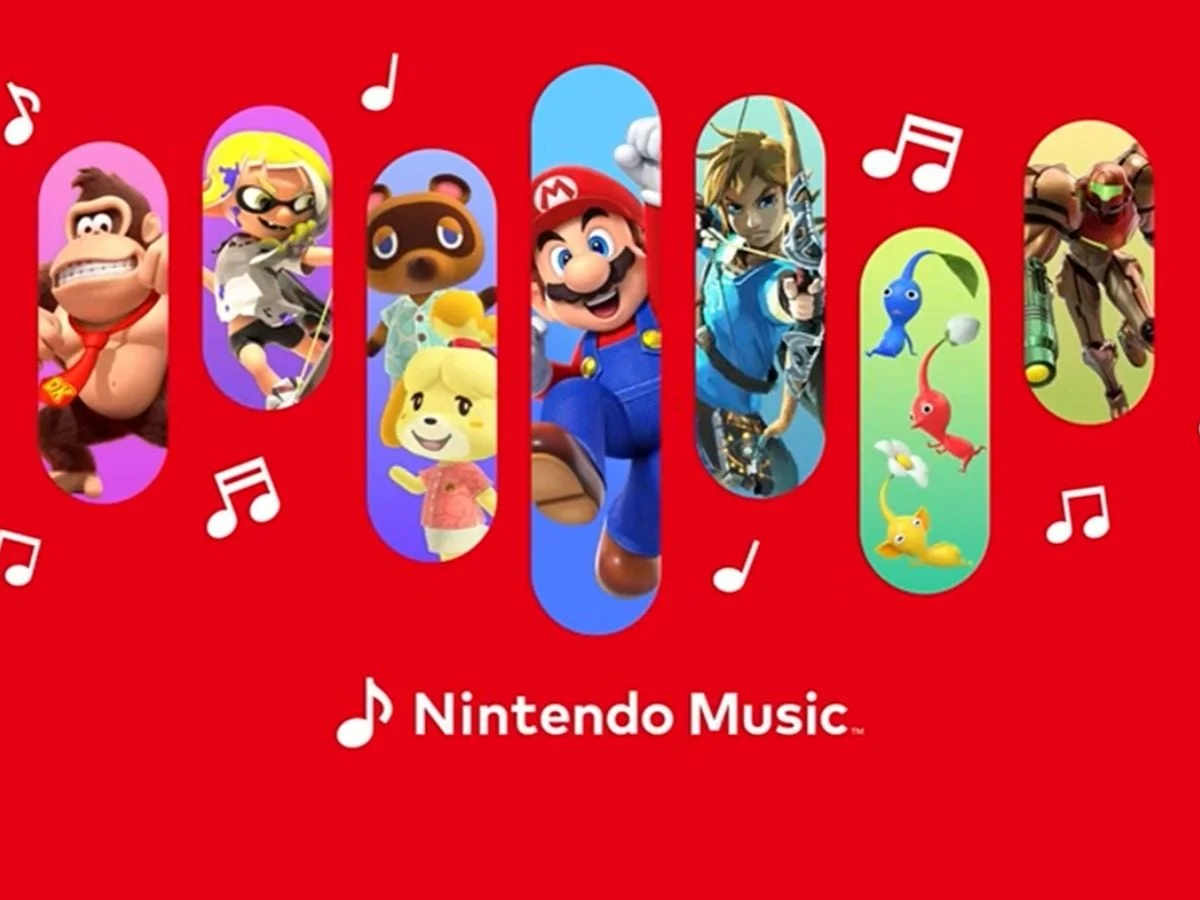
For decades, the iconic melodies of Nintendo’s vast library—from the whimsical, adventurous themes of Super Mario Bros. to the atmospheric, sweeping orchestral movements of The Legend of Zelda—have served as the backdrop to the childhoods of millions. Now, Nintendo is taking a significant step toward cementing its musical legacy as a standalone entertainment pillar. In a major update that shifts the Nintendo Music streaming service from a mobile-exclusive novelty to a multi-platform utility, the company has announced that its curated library of video game scores is now hitting the dashboard and the desktop.
This expansion signifies a transition for the Kyoto-based gaming giant, reflecting an industry-wide trend of leveraging nostalgia as a premium digital service. By bringing Nintendo Music to computers, tablets, Apple CarPlay, and Android Auto, Nintendo is no longer just selling games; it is curating an immersive audio ecosystem that follows the player from the living room to the commute.
Main Facts: The Evolution of Nintendo Music
The latest update, detailed in an official trailer released by Nintendo, confirms that the Nintendo Music application is breaking out of its smartphone-only confinement. Previously, users were restricted to the mobile app, which often felt like a secondary layer to the Nintendo Switch Online ecosystem. With this update, the service is now fully accessible on desktop environments and, perhaps most significantly, automotive infotainment systems.
The core of the update focuses on accessibility and personalization. Drivers can now utilize voice control integration to queue up tracks without needing to interact with a screen, ensuring that the Mario Kart "Rainbow Road" theme or the intense battle music from Pokémon can accompany their daily drive without compromising safety. Beyond mere platform expansion, the service has introduced a new "Mix" feature. This algorithmic addition analyzes a user’s listening history to generate personalized playlists, helping subscribers discover deep cuts from classic NES titles or modern, synth-heavy soundtracks they might have otherwise overlooked.
A Chronological Look at the Expansion
The trajectory of Nintendo Music has been one of deliberate, if conservative, growth.
- October 2024: Nintendo officially launched the Nintendo Music app as an exclusive benefit for Nintendo Switch Online (NSO) subscribers. It debuted with a modest but growing collection of iconic soundtracks, focusing on ease of use and high-quality audio files.
- Late 2024/Early 2025: As user feedback poured in, the community expressed a clear desire for "always-on" functionality. Gamers wanted the ability to listen while working at their computers or during long road trips.
- The Current Update: Nintendo addressed these demands by rolling out cross-platform support. By integrating with Apple CarPlay and Android Auto, the service effectively enters the automotive market, a space previously dominated by Spotify, Apple Music, and Amazon Music.
- Future Outlook: Nintendo has promised a consistent cadence of library updates. With a current catalog spanning over 150 titles, the company intends to bridge the gap between their 8-bit heritage and modern, cinematic compositions.
Supporting Data: The Library and the Economics
The Nintendo Music library is a sprawling repository of gaming history. According to data provided by Video Game Chronicle and verified through Nintendo’s own marketing materials, the service covers a broad spectrum of hardware history, including:
- Legacy Hardware: Extensive tracks from the NES, Game Boy, Super Nintendo, and Nintendo 64 eras.
- Modern Era: Selections from the Wii, Wii U, and the Nintendo Switch.
- Upcoming Additions: Recent expansions have included Mario Kart soundtracks, with further plans to incorporate music from titles currently in development, including rumors surrounding the mysterious Star Fox project for the successor to the Switch.
From an economic perspective, the service remains bundled within the Nintendo Switch Online membership. This is a strategic move designed to increase the value proposition of the NSO subscription, which has faced scrutiny over the years regarding the quality and quantity of its retro library.
- Pricing Structure: Users can access the service via a 7-day free trial. Following the trial, the cost remains tied to the NSO tier structure: roughly $3.99 per month, $7.99 for a three-month block, or $19.99 for an annual subscription. By bundling music with cloud saves and online play, Nintendo has created a "sticky" ecosystem where the music app acts as a retention tool for the core gaming business.
Official Responses and Strategic Implications
Nintendo has framed this update as an extension of their goal to bring "Nintendo magic" into the daily lives of their fans. In their promotional material, they emphasized the "mood-based" nature of the service, highlighting features that allow users to select music for specific weather conditions or activities, such as rainy-day relaxation or high-energy workouts.
Industry analysts view this as a defensive but necessary maneuver. As streaming giants like Spotify and Apple Music dominate the global audio market, dedicated game music apps face an uphill battle for user attention. However, Nintendo possesses a "moat" that no other company has: the emotional attachment to its intellectual property (IP).
The Implications of "Lifestyle Branding"
- Retention: By integrating the app into cars and computers, Nintendo ensures that the brand remains top-of-mind even when the player is not actively holding a controller. This is an essential tactic in the attention economy.
- IP Monetization: The music itself is an asset that Nintendo already owns. By centralizing it, they prevent the fragmentation of their IP across third-party platforms, keeping listeners within their walled garden.
- The "Switch 2" Factor: With the successor to the Nintendo Switch on the horizon, this service acts as a foundation. By refining the software experience now, Nintendo is preparing a unified interface that will likely carry over to the next generation of hardware.
The Future of Interactive Audio
The introduction of voice control for automotive use is particularly telling. It demonstrates a move toward "frictionless" consumption. Nintendo understands that for their music to compete with the likes of Top 40 hits or podcasts, it must be as accessible as hitting a "play" button on a dashboard.
Furthermore, the "Mix" feature is a subtle acknowledgment that the library has become too large for simple browsing. As the collection hits hundreds of games and thousands of tracks, algorithmic curation will be the only way to prevent user fatigue. The machine learning model behind these mixes represents a significant technological investment for a company traditionally known for hardware and game design, signaling a shift toward more robust software-as-a-service (SaaS) development.
Conclusion: A Symphony of Strategy
Nintendo Music is evolving from a curiosity for die-hard fans into a legitimate lifestyle app. By expanding to desktop and automotive platforms, and by introducing smart, personalized features, Nintendo is successfully transforming its soundtrack catalog into a recurring revenue stream that enhances its overall brand value.
Whether you are a long-time enthusiast of the Super Mario jazz-inspired tracks or a fan of the epic, sweeping scores found in The Legend of Zelda: Breath of the Wild, the service is positioning itself to be a permanent fixture in your digital life. As Nintendo continues to add to its library, the focus will undoubtedly remain on balancing the nostalgia of the past with the convenience of modern technology.
For those who have not yet explored the service, the 7-day free trial offers a low-barrier entry point to a library that is effectively a history lesson in the evolution of video game composition. In an industry defined by rapid changes and constant hardware iterations, Nintendo’s music stands as a constant—a reliable, comforting, and now, more accessible piece of gaming culture than ever before.












No comments yet. Be the first to join the conversation!